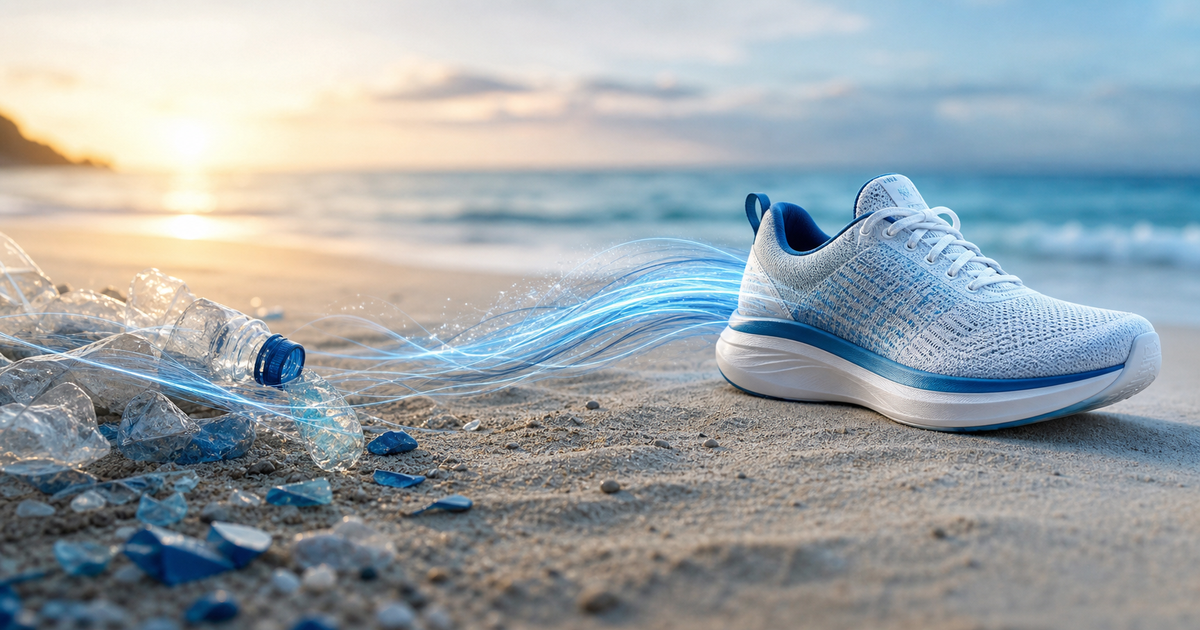
What if the sneakers on your feet were once a plastic bottle washed up on a beach? Since 2015, sportswear giant adidas and the ocean conservation NPO Parley for the Oceans have been turning that "what if" into reality. Their initiative converts plastic waste collected from beaches and coastlines into high-performance recycled polyester yarn, reborn as running shoes and soccer uniforms.
This collaboration was never just a story about material recycling. Through a campaign that drew in runners around the world, and a launch on the stage of the United Nations, it made the issue of ocean plastic itself visible to the entire world. At the same time, the fact that the partnership quietly ended in 2024, after roughly ten years, leaves us with a difficult question of its own: what does corporate sustainability actually mean?
Drawing on official information from Japan's Ministry of the Environment, adidas, and Parley, this article traces the mechanics and achievements of this initiative, along with both its bright and shadowed sides. In keeping with Umi Lab's approach as an ocean media outlet, we aim to look at this calmly, grounded in numbers and facts, without losing sight of hope.
What you'll learn in this article
- The scale of the ocean plastic problem, and what it means that "plastic could outweigh fish by 2050"
- The process by which beach waste is reborn as the recycled material Parley Ocean Plastic
- The thinking behind Parley's action framework, "AIR" (Avoid, Intercept, Redesign)
- The scale-up from a concept shoe to mass production of over 30 million pairs
- The greenwashing criticism and the questions raised by the partnership's end in 2024
- What perspective we, as consumers, can take away from this corporate case study
What Exactly Is the Ocean Plastic Problem?
To understand what adidas and Parley set out to do, we first need to establish why ocean plastic is a problem in the first place. Plastic bags, bottles, and food trays that we use every day, if not disposed of properly, flow down rivers and out into the ocean. Once in the ocean, plastic barely breaks down in nature and is thought to keep drifting for centuries.
According to a Japanese Ministry of the Environment white paper, an estimated roughly 8 million tons of plastic waste flows into the ocean worldwide every year — a staggering amount by any measure, and one that keeps accumulating year after year. For more on how plastic breaks down into fine particles in the ocean and is taken up by living creatures, see our detailed article on why ocean plastic doesn't break down.
The estimate that "by 2050, plastic will outweigh fish"
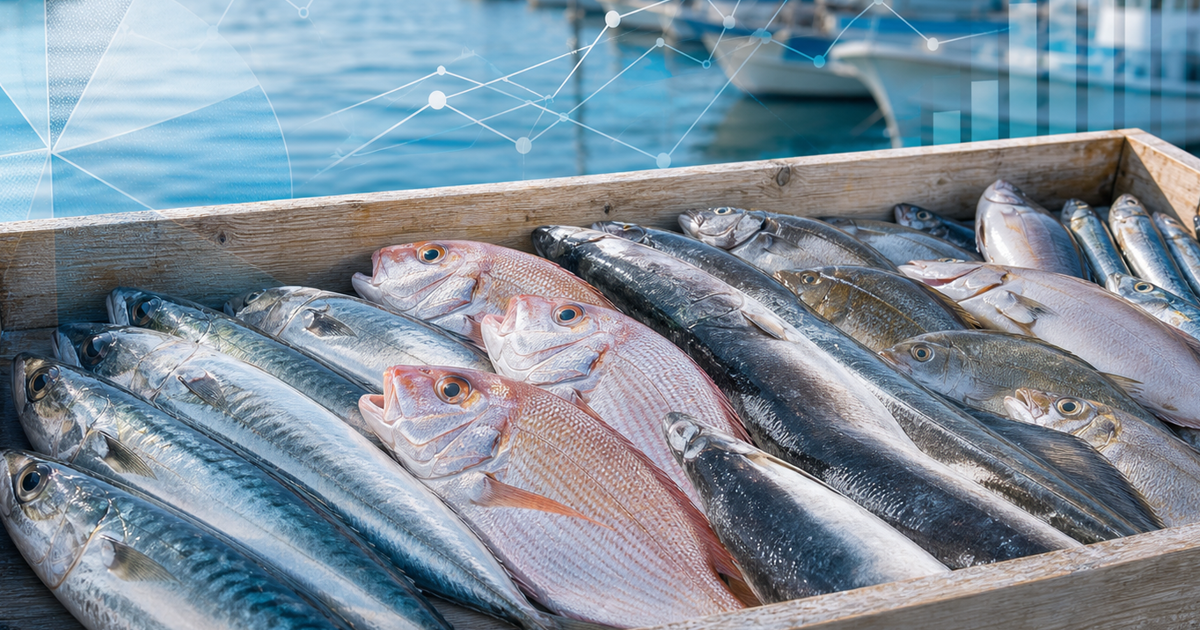
One figure often cited when discussing ocean plastic is the projection that "if no action is taken, the weight of plastic waste in the ocean will exceed the weight of fish by 2050." This comes from a report published by the UK-based Ellen MacArthur Foundation, timed to coincide with the 2016 World Economic Forum Annual Meeting, and it has been cited as a warning by public bodies in Japan, including the Ministry of the Environment.
Of course, this is ultimately an estimate built on a set of assumptions, not a fixed, certain future. But it has been widely shared as a striking way to convey the sense of crisis: if emissions continue at the current pace, the ocean as we know it could change dramatically.
Figures worth remembering
- Amount flowing into the ocean: roughly 8 million tons a year worldwide (estimate)
- Resistance to breakdown: much plastic is thought to persist in nature for centuries
- The 2050 projection: without action, plastic could outweigh fish by weight
The threat of finely broken-down "microplastics"
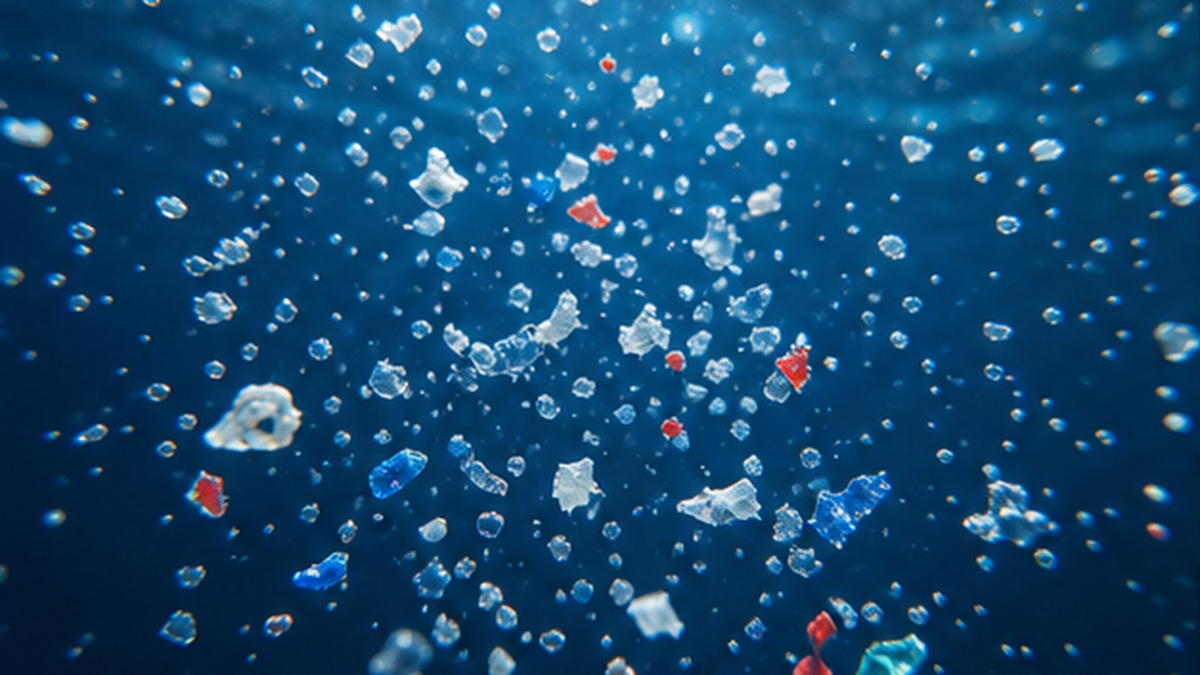
Once in the ocean, plastic gradually breaks apart under waves and ultraviolet light into "microplastics" — fragments smaller than 5 millimeters. These particles, hard to see with the naked eye, are thought to potentially move up the food chain from plankton to fish and ultimately to our own dinner tables. For more on the potential impact on human health and ecosystems, see our article on microplastics and our health.
On top of this, fishing nets and lines left behind in the ocean — so-called "ghost gear" — also make up a significant share of ocean plastic. This gear becomes a cause of death for marine creatures that get entangled in it, an issue we cover in ghost gear adrift in the sea. Interestingly, adidas and Parley's early concept shoes actually used yarn made from illegal fishing nets like these.
Japan is a "party" to this problem too
Ocean plastic is not a problem confined to distant countries. Reports from UNEP (the United Nations Environment Programme) have noted that Japan is among the countries with the highest per-capita waste generation of plastic packaging in the world. Against this backdrop, Japan's "Act on Promotion of Resource Circulation for Plastics" took effect in April 2022, requiring businesses to reduce single-use plastic products.
In other words, each of us is both a source of the problem and a potential part of the solution. Corporate-led initiatives like the adidas x Parley collaboration were an attempt, within this larger movement, to offer one answer to the question of how to turn collected waste into a valuable product.
Why is plastic so uniquely troublesome?
There are several reasons plastic is treated as a particularly serious form of ocean waste. First, being light and prone to floating, it spreads on a global scale carried by wind and ocean currents. In the Pacific Ocean, there is a region where currents gather debris, known as the "Great Pacific Garbage Patch," and waste from countries far away washes up on Japan's own coastlines. How debris travels around the ocean is deeply connected to how sea water temperature and ocean currents work.
Second, plastic is a man-made material derived from petroleum, and microorganisms possess almost none of the enzymes needed to break it down. While wood and paper return to soil within months to a few years, a plastic bottle is thought to persist for centuries, and fishing line for more than 600 years. In other words, a single piece of plastic that flows into the ocean at this very moment is likely to keep drifting there long after our children's and grandchildren's generations are gone.
Third, plastic has a tendency to absorb harmful chemical substances. As it drifts through the ocean, it concentrates organic pollutants from the surrounding water on its surface, carrying them into the bodies of creatures that swallow it. In other words, ocean plastic is not simply a matter of "waste" — it can also become a vector for chemical contamination. This combination of complex hazards is what has driven companies and researchers worldwide to take action.
adidas Meets Parley — a 2015 Declaration at the United Nations
Parley for the Oceans is an ocean conservation network founded in 2012 by German-born designer Cyrill Gutsch. It connects creators, companies, researchers, and government bodies, aiming to raise awareness of the ocean's beauty and fragility while collaborating on projects to stop its destruction.
adidas formally became a partner of Parley on April 20, 2015. As a founding member, adidas pledged to support Parley's awareness and education activities and to participate in an ocean plastic program built on the "AIR" action framework described below.
"Let's stop waiting" — the shock of the concept shoe
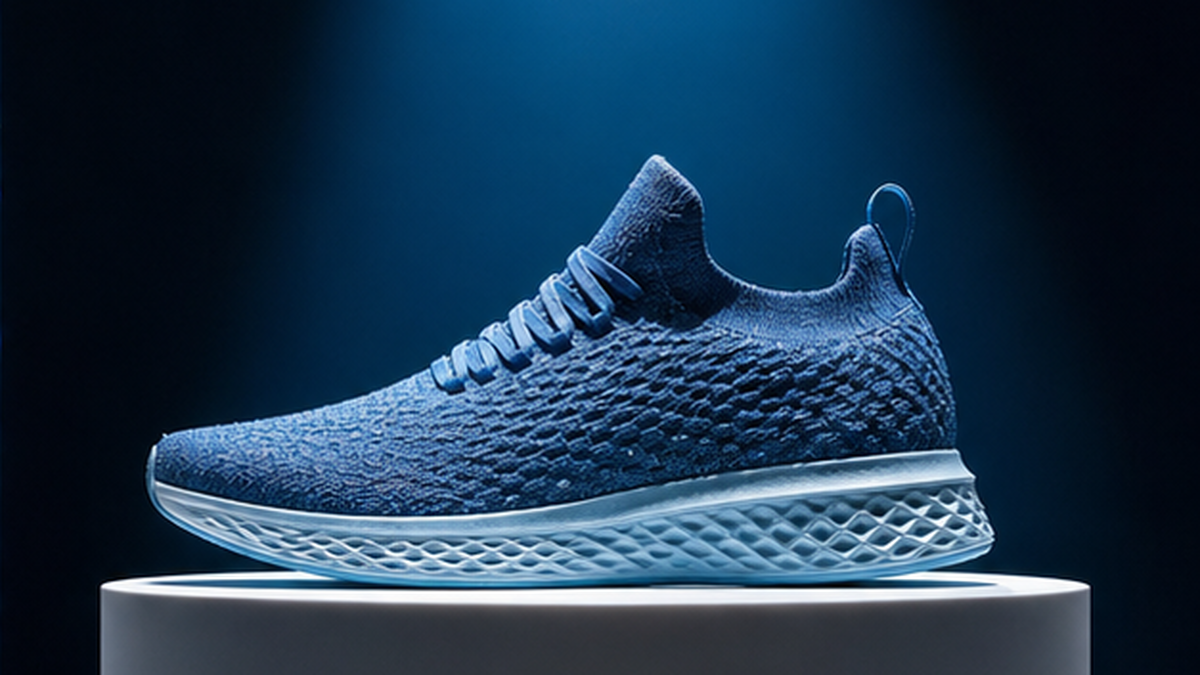
The symbol of this collaboration was a single concept shoe unveiled at UN Headquarters in 2015. Its upper was woven from plastic recovered from the ocean and yarn spun from fishing nets discarded by illegal fishing operations. Carrying the message "stop the industry's waiting game," it was a declaration to the world that ocean waste could become a high-performance sports shoe.
We don't see plastic as an enemy — we see it as a design failure. That's exactly why we can redesign the material itself.
— From the philosophy of Cyrill Gutsch, founder of Parley for the Oceans
The "AIR" action framework — Avoid, Intercept, Redesign
At the backbone of Parley's activities is a three-part strategy known by its acronym, "AIR." It grew out of the recognition that simply collecting and reusing plastic would never be enough to keep up with the problem, and it is registered as a partnership under the United Nations Sustainable Development Goals (SDGs).
| Letter | Meaning | Concrete action |
|---|---|---|
| Avoid | Avoid | Reduce the use of new plastic in the first place and choose alternative materials |
| Intercept | Intercept | Collect waste from beaches and coastlines and recycle it before it reaches the ocean |
| Redesign | Redesign | Invent products and systems that don't depend on virgin plastic |
What matters here is that of the three, "Avoid" and "Redesign" are actually the most fundamental. Collection is a response after the fact — on its own, it's like mopping up water off the floor while leaving the faucet running. The adidas x Parley shoes were a visible achievement of "Intercept," but behind them lay a longer-term vision: moving toward manufacturing that doesn't depend on plastic in the first place.
This thinking later became the foundation of the circular strategy adidas would go on to articulate. The company came to frame its use of materials through three loops — "recycled," "designed to be used repeatedly (circular)," and "shifting to materials that return to nature (regenerative)" — aiming to progress step by step toward a more fundamental solution. The collaboration with Parley served to plant the first of these steps, "recycling," firmly in the public imagination.
Why would a sports brand take on the ocean?
Why would a company that makes sneakers and uniforms get so deeply involved in a topic as seemingly distant as ocean conservation? Behind this lies the fact that much sportswear is made from polyester — in other words, plastic fiber derived from petroleum. Running shirts and soccer uniforms alike are, at the material level, plastic. For adidas, ocean plastic was not somebody else's problem — it was a problem tied directly to its own raw materials.
That's exactly why turning waste into raw material was both an environmental contribution and a strategy to safeguard the company's own future. By directing the communicative and design power of a global sports brand toward ocean issues, the message reached even younger audiences who had previously shown little interest in environmental activism. This collaboration existed precisely at the point where philosophy and business intersected.
Where this collaboration fits in
- 2012: Cyrill Gutsch founds Parley for the Oceans
- April 2015: adidas formally becomes a founding partner
- 2015: the concept shoe is unveiled at the United Nations
- The framework rests on three pillars: "AIR" (Avoid, Intercept, Redesign)
From Beach Waste to Yarn — How Parley Ocean Plastic Works
So how does plastic left lying on a beach actually become sneaker material? This recycled material is called "Parley Ocean Plastic," finished as a high-performance polyester yarn that performs on par with virgin (brand-new) plastic.
Where collection happens — the Maldives, Sri Lanka, the Dominican Republic
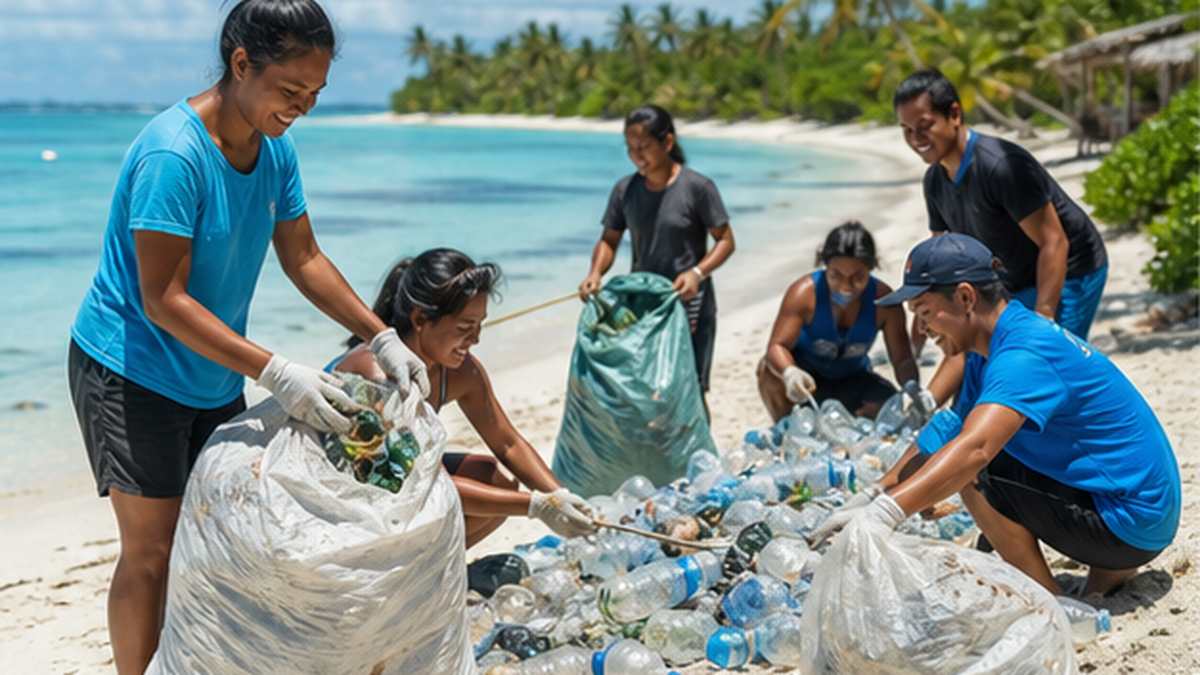
The plastic that becomes Parley's raw material is collected mainly from coastal regions such as the Maldives, Sri Lanka, and the Dominican Republic. The basic approach is to work with local communities and cleanup networks to collect plastic bottles and other waste from beaches, shorelines, and coastal areas — before it reaches the ocean. The island nation of the Maldives, a popular tourist destination with limited waste-processing infrastructure, is considered a place where Parley's intervention ("Intercept") is especially meaningful.
From sorting to yarn — the recycling process
The collected plastic passes into the hands of certified recycling partners, going through a number of steps before being reborn as yarn. The rough sequence is as follows.
- Collection: gather plastic waste (mainly plastic bottles) from beaches and coastlines
- Washing and sorting: remove dirt and sort by type of material
- Flaking: crush into small chips (flakes)
- Pelletizing: melt and process into small pellets
- Spinning: spin high-performance polyester yarn from the pellets
- Manufacturing: weave the yarn into uppers for shoes and apparel
This recycled polyester is said to require less water, energy, and chemical use during manufacturing compared to virgin polyester newly made from petroleum. Reducing waste while also reducing resource consumption — this material embodies the thinking behind a circular economy.

That said, this process is no magic trick. Collected plastic is often full of dirt, foreign material, and mixed types of plastic, and extracting material of a quality suitable for spinning into yarn takes considerable effort and cost. That's exactly why a managed supply network of "certified recycling partners" matters so much. Who collected it, where, how, and by what standards it was sorted — that traceability is the lifeline supporting both the value and the credibility of this material.
"11 bottles" in a single pair
In the flagship UltraBOOST Parley model, recycled material is used in the laces, heel lining, and insole cover, drawing on the equivalent of roughly 11 recovered plastic bottles per pair. Producing 1 million pairs works out to at least 11 million bottles being given a new lease on life.
The precise meaning of the term "Ocean Plastic"
Here, there is one point worth pinning down precisely. The term "Ocean Plastic" tends to conjure images of waste hauled up from the seafloor or the open ocean, but what is actually used is mainly plastic collected on beaches and coastlines before it reaches the ocean. In English, it is also referred to as "ocean-bound plastic." adidas itself explains that the material is collected from coastal areas and shoreline communities before it reaches the sea.
This is not a deception — if anything, it's a matter of practicality. Recovering plastic that has already entered the open ocean and broken apart is technically extremely difficult. Stopping it "before" it flows into the ocean is both more efficient and more effective. Still, the nuance of this term connects to the criticism discussed later in this article, so it's worth keeping in mind.
One more point not to be overlooked is how collection activities support the livelihoods of local people. In island nations like the Maldives, establishing a system to purchase collected plastic creates a new source of income for local residents. When waste changes meaning from a "nuisance" into a "resource worth money," it stops being left unattended and starts being collected. When environmental conservation and the local economy align, collection finally becomes a sustainable practice. Ocean issues are never purely environmental issues — they are also issues affecting the people who live there.
From Concept to Mass Production — Scaling Up to 30 Million Pairs
The 2015 concept shoe made a big splash, but the real challenge was whether a one-of-a-kind showpiece could become an actual, purchasable product at scale. Ideals alone cannot save the ocean. Only once scale is achieved does the amount of waste collected start to carry real weight.
2016: the first commercial model arrives
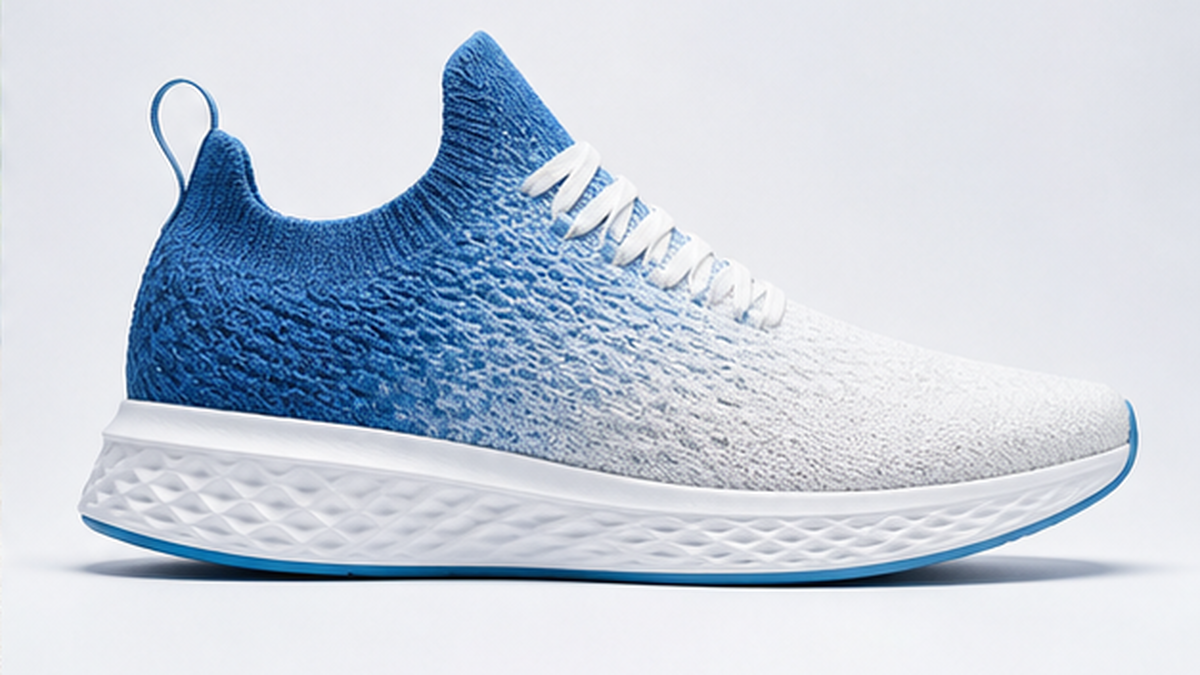
In November 2016, adidas unveiled its first high-performance sports products made with Parley Ocean Plastic. At the center of this was the running shoe "UltraBOOST Uncaged Parley." The first drop, released on November 15, was limited to just 7,000 pairs, but adidas set an ambitious goal: producing 1 million pairs by the end of 2017.
Production numbers grew by orders of magnitude
The subsequent growth in production numbers was, quite literally, an order-of-magnitude leap. What makes this initiative especially notable is that it didn't end as a one-off publicity moment — it expanded in scale year after year.
| Year | Shoes made with Parley material (cumulative, approximate) |
|---|---|
| 2017 | Roughly 1 million pairs |
| 2018 | Roughly 5 million pairs |
| 2019 | Roughly 11 million pairs |
| 2020 (planned) | Roughly 15 million pairs |
| By end of 2020 (cumulative) | Over 30 million pairs |
According to reports, adidas disclosed early on that it had sold over 1 million pairs of Parley sneakers, and by the end of 2020, the cumulative total exceeded 30 million pairs of shoes made with this material. Calculated at 11 bottles per pair, this represents a staggering amount of plastic collected and reused.
It wasn't just shoes
The initiative didn't stop at running shoes. Parley material was also adopted for the uniforms of famous soccer clubs such as Real Madrid and Bayern Munich, creating scenes on the front lines of sport where material derived from ocean waste supported athletes in play. As the initiative expanded across apparel more broadly, opportunities for consumers to encounter this material in everyday life also grew.
What "being able to mass-produce" really means
It's worth pausing here to consider why expanding production numbers mattered so much. Making a single, beautiful sustainable shoe in a lab is not actually all that difficult. What's truly difficult is putting millions of pairs on store shelves around the world while maintaining performance, price, and a stable supply. Reliably supplying recycled material of inconsistent quality at a level suitable for commercial products — clearing this hurdle is the only way environmental materials can move beyond being an "expensive talking point" forever.
The fact that adidas pushed Parley material to a scale of tens of millions of pairs was itself proof that recycled materials were moving from something "special" to something "an ordinary choice." When one company adopts a material at large scale, the sourcing network and processing technology develop, making it easier for other companies to follow suit. In the sense that it can move an entire market, scaling up production was itself a form of environmental contribution.
The secondary effects of scale
- Infrastructure for collection and processing develops, advancing stable supply of the material
- Costs fall, making it easier for other brands to adopt recycled materials too
- Everyday exposure among consumers naturally spreads environmental awareness
- A shift occurs from "environmental consideration = sacrifice" to "I buy it because I want it"
Key points from this section
- The first commercial model, UltraBOOST Uncaged Parley, arrived in 2016 (initial drop of 7,000 pairs)
- Production scaled up by orders of magnitude, from 1 million pairs in 2017 to 11 million in 2019
- Cumulative production exceeded 30 million pairs by the end of 2020
- Expansion also reached apparel more broadly, including soccer uniforms
"Run for the Oceans" — a Movement to Protect the Sea by Running
What made the adidas x Parley initiative stand out was that it didn't just sell products — it set up mechanisms to bring consumers in as active participants. The prime example is the global running campaign "Run for the Oceans."
Distance run translated into donations
Run for the Oceans is a global running movement designed to raise awareness of the ocean plastic problem by harnessing the power of sport and community. When participants logged the distance they ran through an app, adidas made a donation to Parley's ocean plastic program proportional to that distance. Running itself becomes an action that protects the ocean — a clear, easy-to-grasp design.

In some years, this campaign logged a cumulative distance of over 10 million kilometers, with runners around the world moving their feet for the ocean. In some years, the program was run as a donation of one US dollar per kilometer, up to a set cap. What mattered went beyond the dollar amount — it gave many people a tangible sense that their own exercise was connected to the ocean.
"Changing awareness" may be the biggest achievement of all
The amount of plastic collected and the sums donated are, viewed against the full scale of the planet's ocean plastic waste, only a small fraction. Even so, the number of people who encountered the ocean plastic issue through the accessible, universal entry point of sport is immeasurable. Ocean conservation efforts move forward on the strength of this kind of rising general interest. For more on the frameworks protecting marine ecosystems, see our article on what marine protected areas (MPAs) are.
When communicating environmental issues, simply confronting people with the grim reality often leaves them sinking into a sense of powerlessness — the resignation that "nothing I do alone will change anything." What made Run for the Oceans clever was how it converted that powerlessness into actionable hope. By connecting an act anyone can do — running — to the larger story of ocean conservation, participants came away with a sense that they, too, were part of the solution. This psychological shift may well be the greatest power an awareness campaign can hold.
Education and outreach — reaching the next generation
Parley has also invested heavily in education programs run in partnership with schools and communities. Children experience beach cleanups firsthand and learn what the collected waste is reborn as. Experiences like these leave a far deeper impression than statistics ever could. Cultivating ocean literacy — a basic understanding of the sea — may, in the long run, have a more lasting impact than any product development effort. This is a way of thinking that resonates closely with the kind of learning Umi Lab itself aims to foster.
Things we can do starting today
- Use a reusable bottle and bag to reduce single-use plastic (Avoid)
- Take part in a beach cleanup or coastal cleanup event (Intercept)
- Choose products made with recycled or regenerated materials (Redesign)
- Share the ocean plastic issue with the people around you on social media
Primeblue, Primegreen, and adidas's Company-Wide Plastic-Reduction Goals
The collaboration with Parley was a symbolic project, but alongside it, adidas set a much larger company-wide goal of shifting to recycled materials. What matters here is that the company was trying to change the standard for its business, not just create individual talking points.
Two recycled-material brands
adidas introduced two material technologies built on 100% recycled polyester: "PRIMEBLUE" and "PRIMEGREEN." The difference between the two can be summarized as follows.
| Material brand | Source of the polyester | Characteristics |
|---|---|---|
| PRIMEBLUE | Recycled plastic sourced from beaches and coastlines, including Parley Ocean Plastic | Material directly tied to the ocean plastic problem |
| PRIMEGREEN | Recycled raw material such as used plastic bottles | Broader recycled polyester, not limited to ocean sources |
"Switching to recycled polyester across all products by 2024"
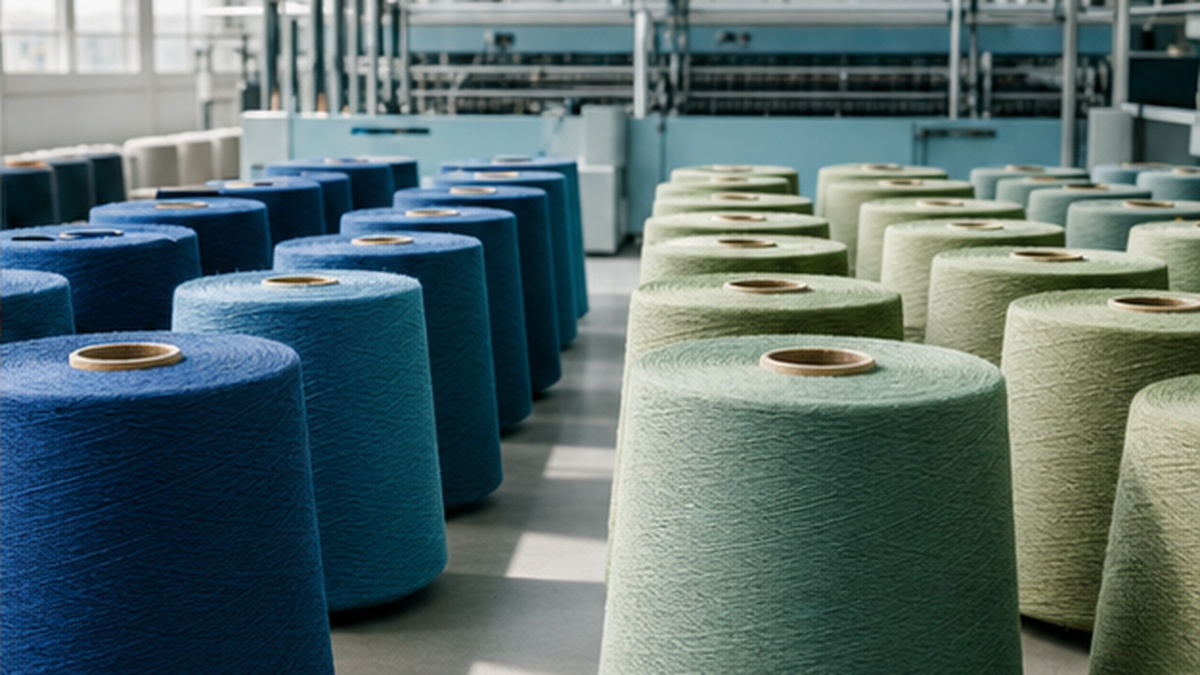
As an environmental goal, adidas first set — and achieved — the milestone of "using recycled materials for over 50% of the polyester in its products by 2020." It then set a further goal: to stop using virgin polyester and switch to recycled polyester in essentially all products by 2024, wherever possible.
In addition, adidas set a climate goal of cutting its own carbon dioxide emissions by 30% by 2030, compared with 2017 levels, positioning itself as a leader in the fashion industry's broader move toward decarbonization and reduced plastic use. Recycling materials is connected not only to ocean plastic but to climate action as well. For more on how rising sea temperature affects marine life, see our article on ocean warming and the future of fisheries.
From "symbol" to "standard" — the difference in their roles
Sorting out the relationship between Parley Ocean Plastic and PRIMEGREEN helps bring this collaboration's true position into sharper focus. Ocean-sourced Parley material, in terms of sheer volume, is only a small fraction of the whole — the amount of beach plastic that can be collected is inherently limited. PRIMEGREEN, on the other hand, sourced from used plastic bottles broadly, can be procured far more abundantly and stably.
In other words, what Parley material provided was not "volume" but "symbolism." A clear, powerful story — ocean waste becoming a shoe — captured public attention, and that attention became the lever used to shift the company as a whole toward recycled materials. A flashy flagship project moves public opinion; a less glamorous but far larger volume of standard material actually lowers the environmental footprint. Once you understand this division of roles, it also becomes clearer why the "limited scale of impact" of Parley material was later cited as one reason the partnership ended.
adidas's main environmental goals (as publicly stated at the time)
- 2020: over 50% of polyester in products to be recycled material (achieved)
- 2024: switch to recycled polyester across essentially all products, wherever possible
- 2030: cut CO2 emissions by 30% compared with 2017
- PRIMEBLUE and PRIMEGREEN both use 100% recycled polyester
Light and Shadow — Greenwashing Criticism and the End of the Partnership in 2024
So far, we have mostly looked at the achievements. But learning properly from a corporate case study also means looking at its criticisms and limitations. The story of adidas x Parley reached a milestone of its own in 2024, when the partnership came to an end. Behind that lay several points worth taking seriously.
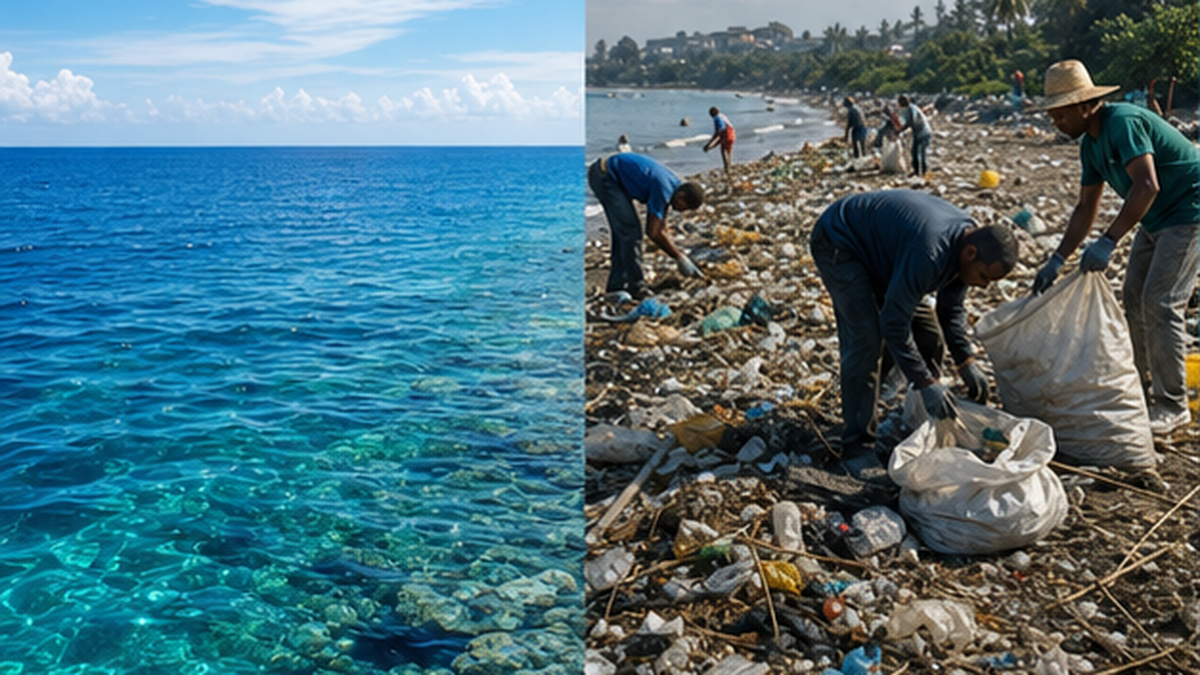
Questions about the image of "ocean waste"
The first criticism concerns the gap between the term "Ocean Plastic" and the marketing around it. As noted earlier, what is actually used is mainly plastic collected on the coast before it reaches the ocean — not genuine ocean debris hauled up from the open sea. Some experts have pointed out that "at present, truly recycling ocean plastic at scale is effectively impossible." The criticism is that despite this, heavy use of ocean and beach imagery in advertising may give consumers the impression that the ocean itself is being cleaned up.
Questions about the supply chain and "the true scale of impact"
Second, investigative reporting suggested that a significant portion of the ocean plastic used in adidas products may actually have come not from Parley's own collection network, but from a separate supply chain managed independently by adidas. If true, this would call into question part of the narrative that adidas and Parley were collecting ocean waste together.
Third, there is the inherent limit of recycling itself. Once a plastic bottle has been converted into fiber for shoes, further recycling becomes difficult, and in many cases the product ends up in landfill or incineration at the end of its life. In other words, this is less an infinitely circular system than one that extends the use of the material by one more cycle. There is also the lingering issue that polyester clothing and shoes shed microscopic fibers (microfibers) during washing and use, which can itself become a new source of microplastics.
And the most fundamental criticism of all is that this kind of initiative does not challenge the underlying core of the business — "produce a huge amount, sell a huge amount." No matter how much recycled material is used, as long as an enormous number of new shoes continues to be manufactured and consumed worldwide every year, the total environmental burden does not shrink dramatically. Recycling is not an answer to the structural problem of overproduction and overconsumption itself. It is a heavy point that "Avoid" (reducing in the first place) — arguably the most essential pillar of the AIR strategy — tends to sit poorly with business incentives and gets pushed to the back burner.
At present, and at any meaningful scale, there is no such thing as "recycled ocean plastic."
— From the observations of an expert working on ocean plastic collection
In 2024, the partnership was not renewed
Amid this backdrop, adidas chose not to renew the contract set to expire at the end of 2024, drawing a line under roughly ten years of collaboration with Parley. According to reports, alongside concerns about supply-chain opacity and greenwashing, one reason cited was that adidas had come to view its Parley products as having a limited impact within its own broader lineup of sustainable products. In fact, some 2024 uniforms were made without ocean plastic, unlike earlier versions.
The questions this case raises
- Does the phrase "sourced from ocean waste" create an impression larger than the reality?
- Has collection (Intercept) received all the attention while reduction (Avoid) gets pushed aside?
- Recycling is not an absolution — it remains, at best, one form of symptomatic treatment
- A company's narrative needs to be evaluated together with independent verification (an outside perspective)
To be clear, the end of the partnership does not mean this initiative was meaningless. Its achievement in pushing the ocean plastic problem into global public consciousness, and in putting recycled materials into practical use at the scale of mass production, is significant. At the same time, confronting the issues behind that bright surface is exactly what leads to the next, better attempt. The reality of debris that has reached even the deep sea is covered in our article on debris sinking into the deep sea.
Conclusion — What One Corporate Case Study Can Teach Us About Protecting the Ocean
The collaboration between adidas and Parley for the Oceans began with a declaration at the United Nations in 2015, produced the concrete achievement of over 30 million pairs of shoes, and then quietly reached a milestone of its own in 2024. Those roughly ten years amounted to a grand social experiment testing the question: what can a corporation genuinely do for the ocean?
Learning the achievements and the limits together, as a set
This case teaches us two things at once. One is the possibility that when a large corporation truly commits, it can turn collected waste into an actual mass-produced product and turn the attention of tens of millions of consumers toward ocean issues. The other is the lesson that even the most admirable initiative can lose public trust if it looks away from how it uses language, the transparency of its supply chain, and the fundamental limits of recycling.
Restoring the ocean will require everything at once: sneakers made from recovered material, new technologies such as microbial plastic degradation, and the small choices each of us makes every day. You can follow the research into organisms that break down plastic in why ocean plastic doesn't break down, and the mechanisms that protect a rich ocean in what marine protected areas (MPAs) are.
The idea that "shopping is a vote"
The most accessible action available to us as consumers is to express our position through our everyday purchases. It's often said that "shopping is a vote." What material a product is made of, and the attitude behind how it was made, casts a quiet vote toward the company that made it. Choosing a product made of recycled material is one such vote; so, conversely, is choosing to buy only what you truly need and using it carefully for a long time.
That said, as this article has shown, it's also essential to keep a critical eye on corporate environmental messaging rather than accepting it at face value. Even a single phrase like "uses ocean plastic" can mean very different things, and have very different levels of real impact, depending on the product. Not getting swept up in a comforting story, and instead checking the facts — that attitude makes you both a savvy consumer and one of the ocean's most reliable allies.
Taking the first step
The ten years of adidas x Parley have come to an end, but the fight against ocean plastic continues. New materials, new collection technologies, and new business models keep emerging around the world. There is no perfect solution yet. Even so, we can learn from earlier efforts — including their failures and criticisms — and move forward, one step at a time. We hope this article has helped you feel a little closer to the ocean, and given you something to think about when it comes to the step you yourself can take.
Article summary
- Roughly 8 million tons of plastic flow into the ocean every year, with some estimates suggesting it could outweigh fish by 2050
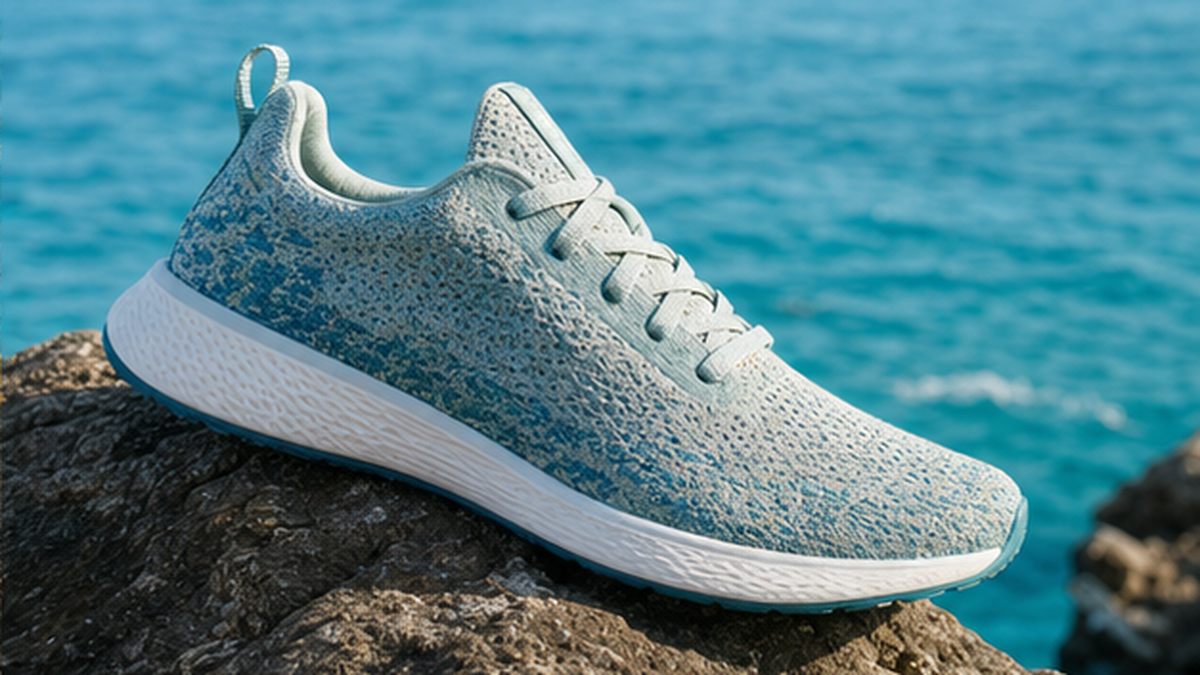
- adidas and Parley partnered in 2015, turning plastic collected from beaches into the recycled material Parley Ocean Plastic
- Their action framework was "AIR" (Avoid, Intercept, Redesign), emphasizing reduction and redesign alongside collection
- Over 30 million pairs had been produced cumulatively by the end of 2020, with Run for the Oceans engaging consumers directly
- At the same time, greenwashing criticism and questions about supply-chain transparency emerged, and the partnership ended in 2024
- Learning both the achievements and the limits, and practicing Avoid, Intercept, and Redesign ourselves, matters just as much
Once you realize the sneakers on your feet are connected to the ocean, the ocean itself starts to feel a lot closer. Supporting a company's efforts while keeping a clear-eyed view of what lies behind them — that just might be the first step toward protecting the ocean over the next ten years.
References and sources
- Ministry of the Environment, Japan – Annual Report on the Environment, Sound Material-Cycle Society and Biodiversity in Japan, FY2020 (ocean plastic pollution and biodiversity loss)
- Ministry of the Environment, Japan – Annual Report on the Environment, Sound Material-Cycle Society and Biodiversity in Japan, FY2019 (domestic and international trends surrounding plastic)
- UN Department of Economic and Social Affairs (UN DESA) – Parley AIR Strategy: Avoid. Intercept. Redesign (SDGs partnership registration)
- adidas Group – adidas and Parley for the Oceans stop the industry's waiting game (partnership announcement press release)
- adidas Group – adidas reiterates commitment to the Oceans (2016 sustainability progress report)
- Parley for the Oceans – Ocean Plastic – How it Works (official explanation of the material process)
- Parley for the Oceans – Adidas x Parley (official page on the collaboration)
- WWF Japan – On the ocean plastic problem
- Sporting Goods Intelligence – Adidas ends partnership with Parley for the Oceans (2024 report on the end of the partnership)
- Wikipedia – Adidas Parley (overview of the collaboration's history and production figures)
* Listed in order of reliability: government and academic institutions > peer-reviewed papers > specialized organizations > reputable media