What kind of creature is coral?
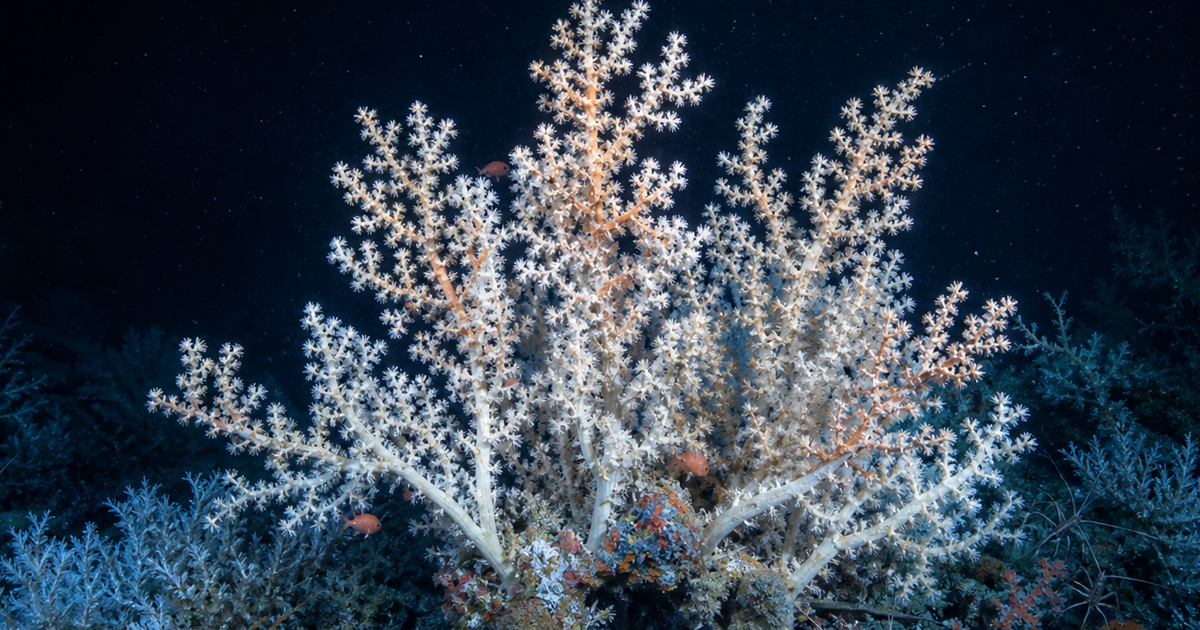
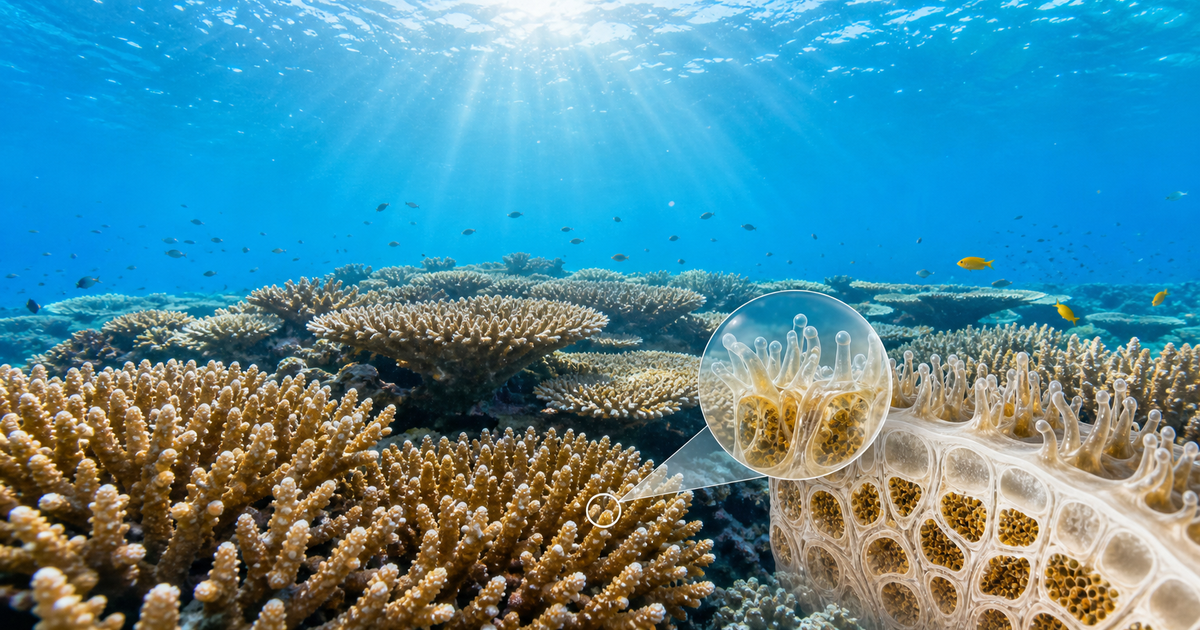
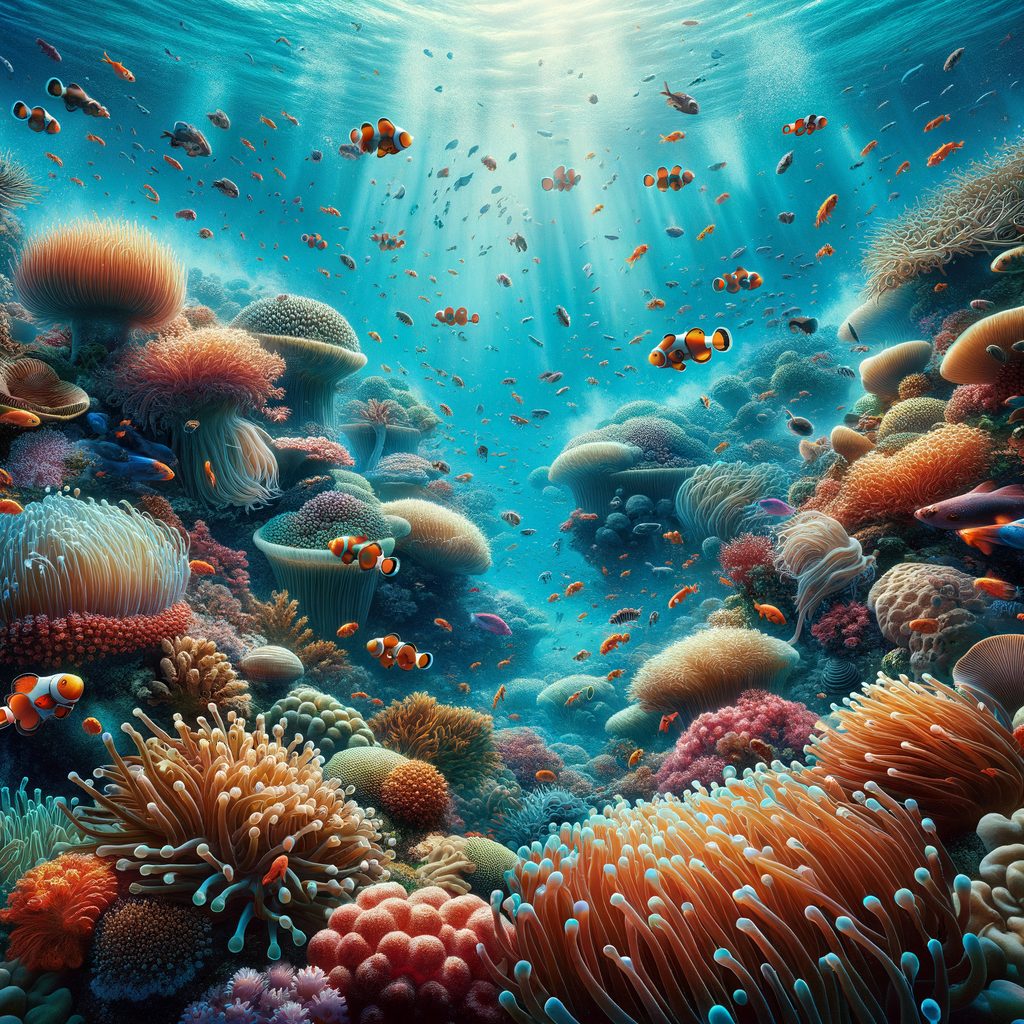
Coral is often mistaken for a "plant," but it is actually an "animal." However, it houses tiny phytoplankton called zooxanthellae inside its body, and during the day these zooxanthellae photosynthesize and provide nutrients to the coral. At night, coral itself uses its small mouth to eat plankton to survive -- it's truly a mysterious creature that takes "the best of both animal and plant."
The relationship between coral and zooxanthellae
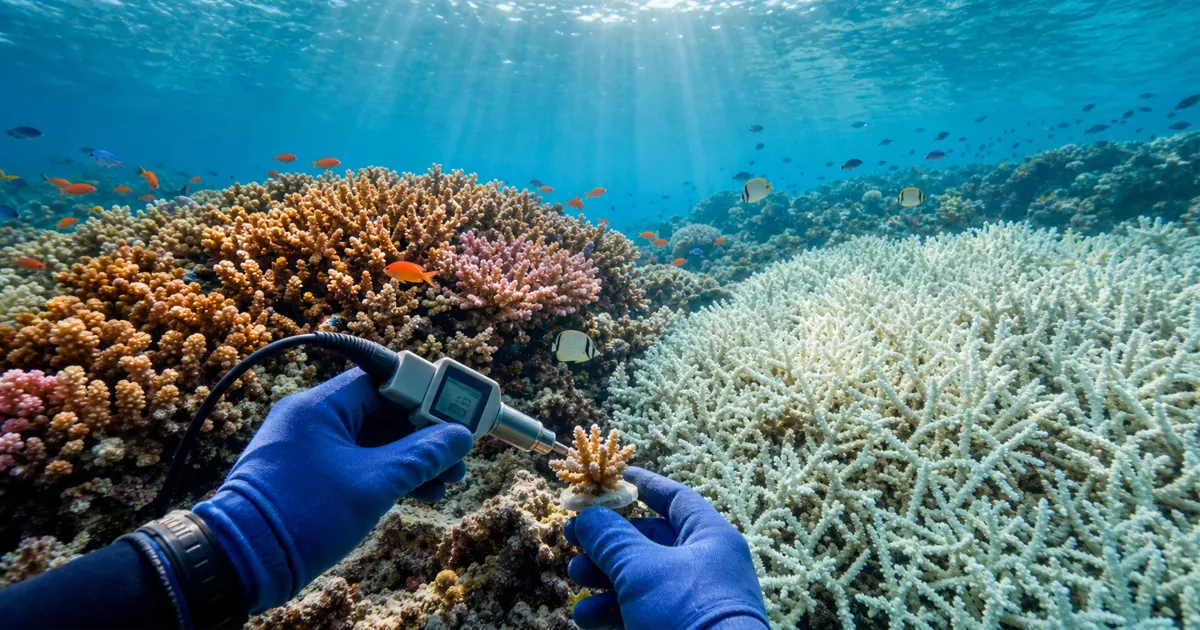
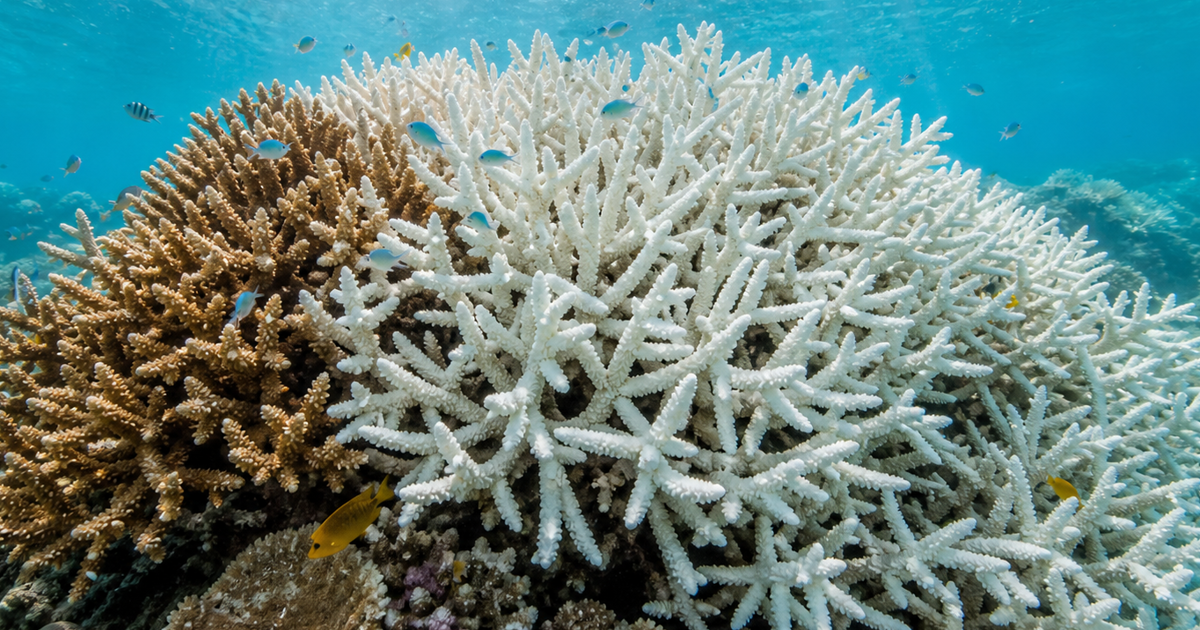
The zooxanthellae living inside coral's body are an important "partner" that determines the coral's color. When the zooxanthellae disappear, the coral turns white (this is called "bleaching"), and if this continues for a long time, the coral dies. In other words, coral is a very delicate creature that cannot tolerate water that is too warm or too cold.
The rich ecosystem that coral reefs create
A coral reef is like an "oasis" in the desert of the sea. Coral reefs provide small fish with places to hide and food, which in turn attracts larger fish that feed on them, and even large creatures such as sea turtles, whale sharks, and whales pass through. Thanks to coral reefs, a wide variety of creatures can live together within a web of connections.
How coral supports the sea it lives in
Coral reefs not only nurture countless creatures, but also act as a "natural breakwater" that protects the coast from the huge waves brought by typhoons. In addition, the skeletons of dead coral break down into fine particles that become the sand of beaches, creating beautiful white shores. It is precisely because coral is there that Okinawa's sea and coastline retain their rich scenery, drawing in so many tourists.
Connections with a variety of creatures
- Sea cucumbers: "cleaners" that eat sand and keep it clean
- Starfish relatives: some, like the "crown-of-thorns starfish," actually eat coral, but they are naturally part of what keeps the coral reef in balance
- Clownfish (Nemo): they live happily alongside sea anemones, and six species of clownfish can be found in the waters around Japan
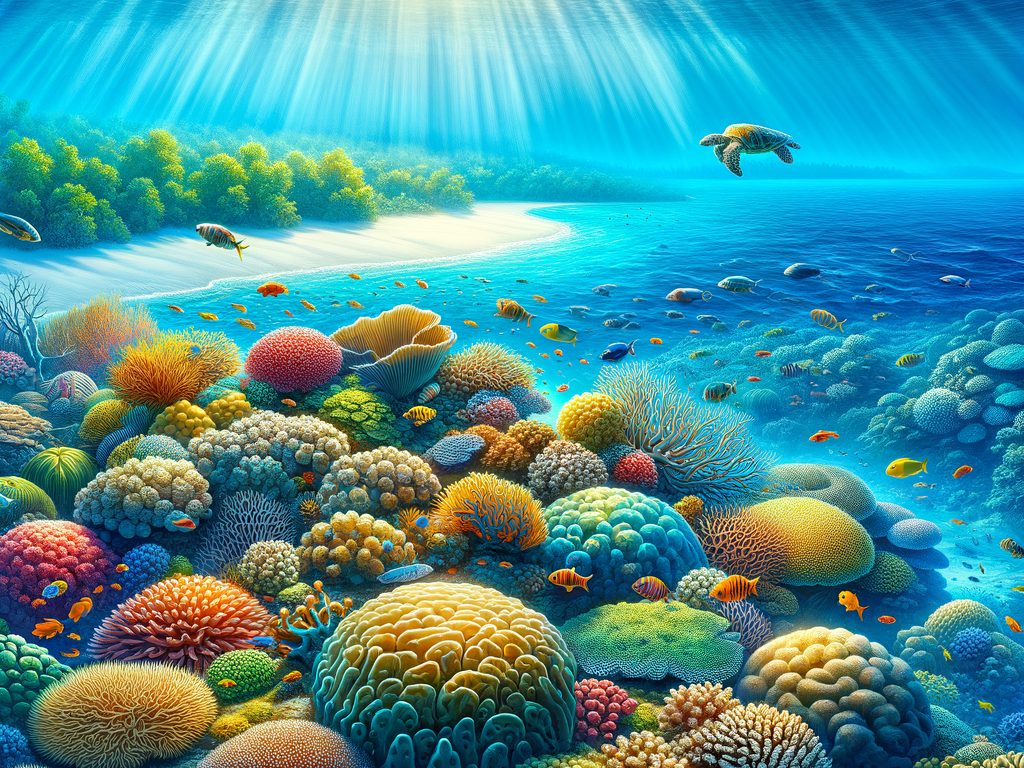
- Sea turtles: small fish peck at the algae and shellfish attached to their shells, and they swim leisurely around coral reefs searching for food
Coral grows slowly
The state of Okinawa's coral as of December 2024
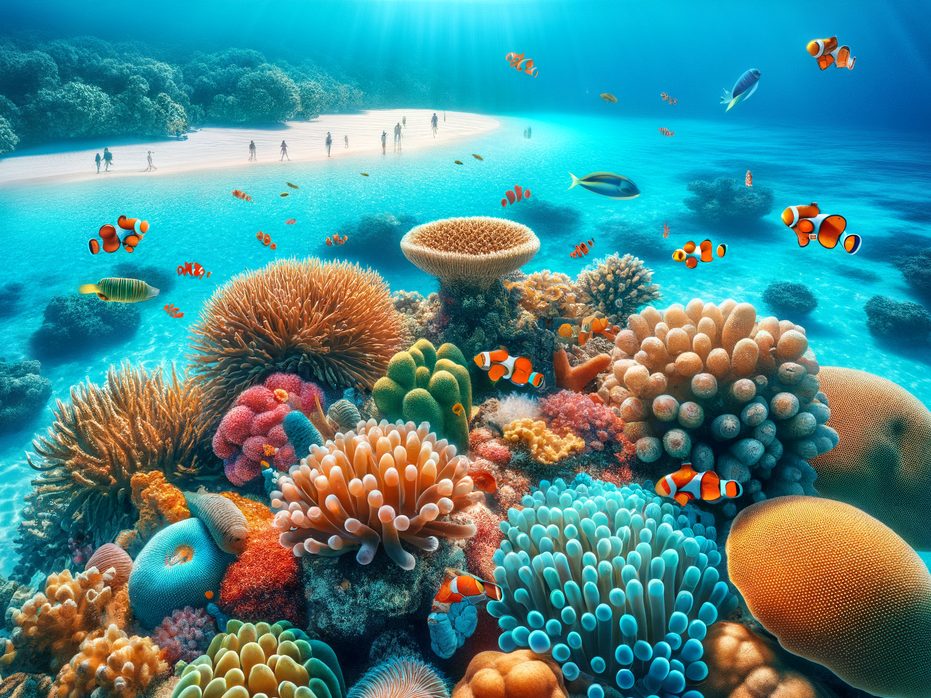
In Okinawa's waters in 2024, coral bleaching is a serious problem. Coral in shallow areas was affected by high summer water temperatures, resulting in widespread "bleaching" that turned it completely white. Coral that has turned white has lost its zooxanthellae, and if it remains that way for a long period, the likelihood of death rises significantly.
- Ministry of the Environment survey: In a survey conducted in early September 2024 by the Ministry of the Environment's Okinawa Amami Nature Conservation Office, an average of 84.0% of coral was found to be bleached in the Sekisei Lagoon. Reports also indicate that over 90% of coral around the main island of Okinawa has bleached, and in some areas, coral in shallow waters has been devastated.
- There's still hope in deeper water: Coral in somewhat deeper water has suffered relatively less damage in some locations, and some coral there is surviving.
However, if coral in shallow waters declines sharply, the creatures that lived there will also decline, creating a major risk that the rich ecosystem will be lost.
Causes threatening coral
Rising seawater temperature
For coral, a comfortable temperature range is roughly 25-28 degrees Celsius. Once it exceeds 30 degrees, it becomes harmful to the zooxanthellae, and the coral expels them. If this state continues, the coral dies.
The trash problem (microplastics and more)
- Because coral is an "animal," it sometimes mistakes pieces of plastic for food and eats them.
- Eating trash is said to increase the likelihood of disease, reducing the number of healthy coral.
- Large marine creatures (such as sea turtles) have also been reported to mistake plastic bags for jellyfish and eat them, becoming weakened as a result.
Crown-of-thorns starfish outbreaks
- Starfish naturally play a role in supporting the balance of the coral reef ecosystem, but when excess nutrients flowing in from land cause "crown-of-thorns starfish" to multiply abnormally, they can devour coral entirely.
Red soil runoff
- Soil (red soil) that runs off from development sites and farmland clouds the sea, and when it piles up on coral, it becomes a cause of suffocation.
What we can do to protect coral
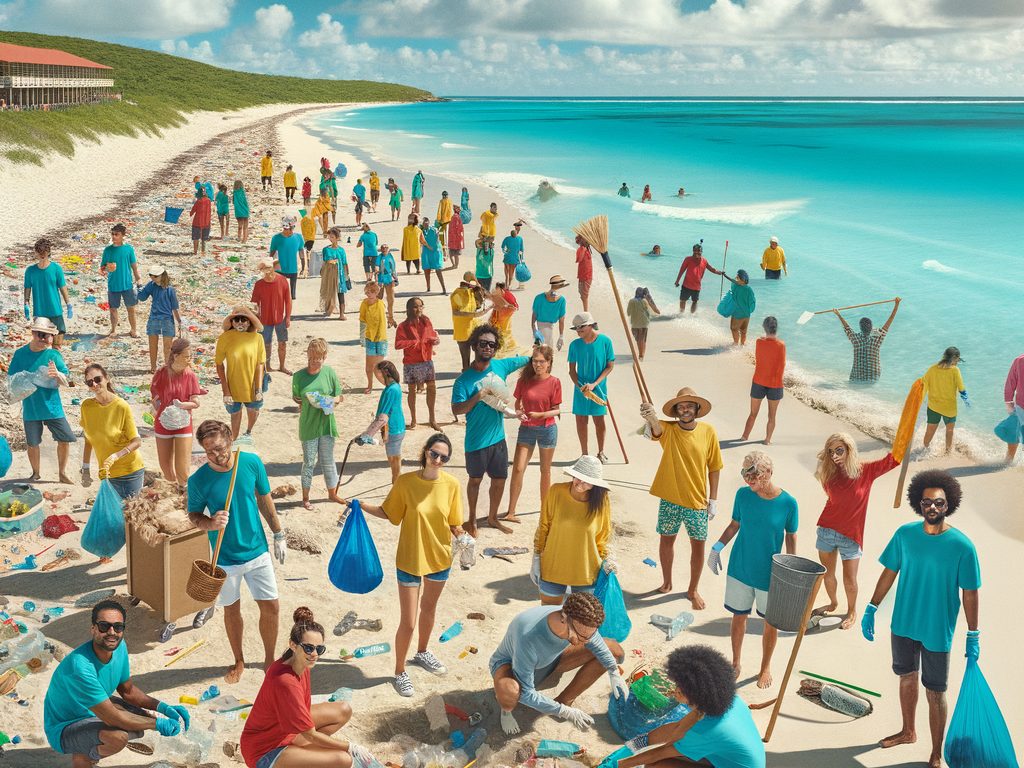
The problem may feel too big for any one person to tackle alone. But if "many people" pile up small actions, it is entirely possible to bring about change.
1. Join a beach cleanup
- Some say the trash lying on beaches is only about 5% of the total, but start with the shore closest to you.
- Picking up even a single piece of trash is a first step toward connecting yourself with the ocean.
2. A lifestyle that reduces trash
- Practice the "4 Rs" -- Refuse (declining plastic spoons and straws), Reuse, Reduce, and Recycle -- for example, by using your own reusable bottle and declining plastic spoons or straws.
- Choosing "not to buy" or "not to accept" something is a first-line measure that prevents trash from being created in the first place.
3. Support coral farming and transplanting
- Across Okinawa, efforts are underway to raise coral and return it to the sea. Joining a hands-on tour or volunteering lets you feel like "one of the people protecting the ocean" yourself.
4. Educating children
- Experiences that start from "this is fun!" can spark an interest in the ocean.
- Making snorkeling a required part of school curricula, or offering nature experience programs that let children encounter the importance of the ocean from an early age, builds the strength that will support the ocean in the future.
Summary
Coral is a familiar yet mysterious "animal," and an important presence that supports the very sea of Okinawa itself. As of December 2024, the situation remains severe, but surviving coral still exists in deeper waters, and local fishers, divers, and children continue to work together to protect and nurture it.
By each of us building up small opportunities and actions to turn our attention to the ocean, we can create a future in which coral becomes vibrant again. Let's learn about the ocean while enjoying it, and take action.
References
- Ministry of the Environment, Okinawa Amami Nature Conservation Office, "Results of Monitoring Survey of Coral Reefs in Sekisei Lagoon" (press release on the September and December 2024 surveys)
- National Institute for Environmental Studies, Center for Global Environmental Research, "Q&A on Coral Bleaching"
- Okinawa Prefecture, Nature Conservation Division, Department of Environmental Affairs, "About the Crown-of-Thorns Starfish"
- Ministry of the Environment / Umi to Nippon Project, "Materials on Marine Debris"