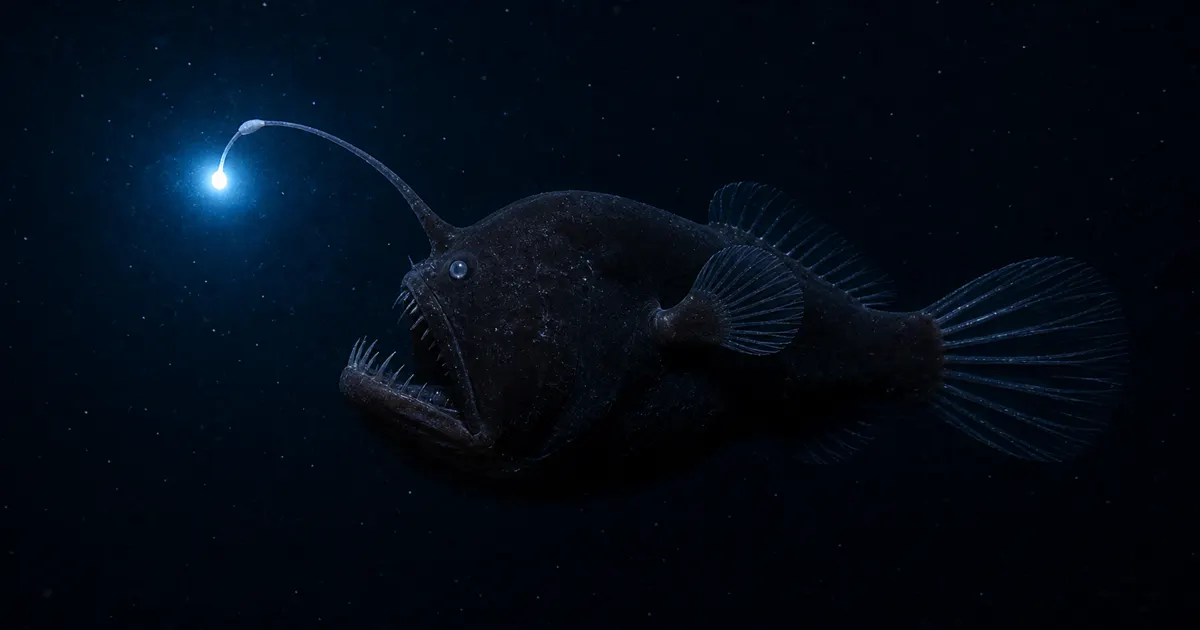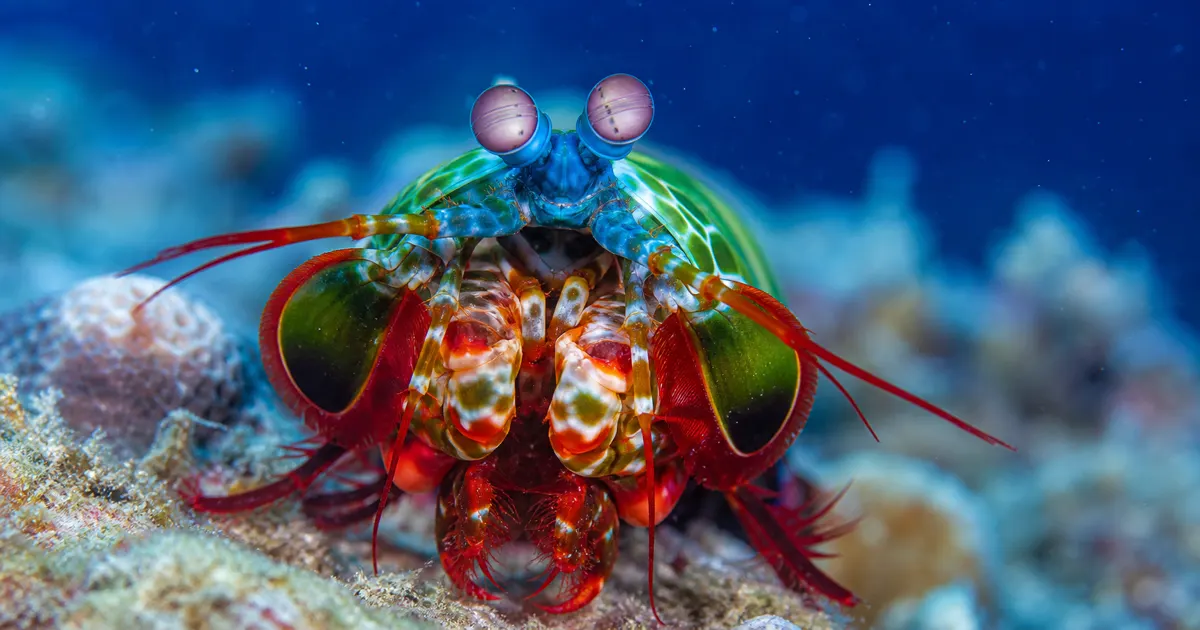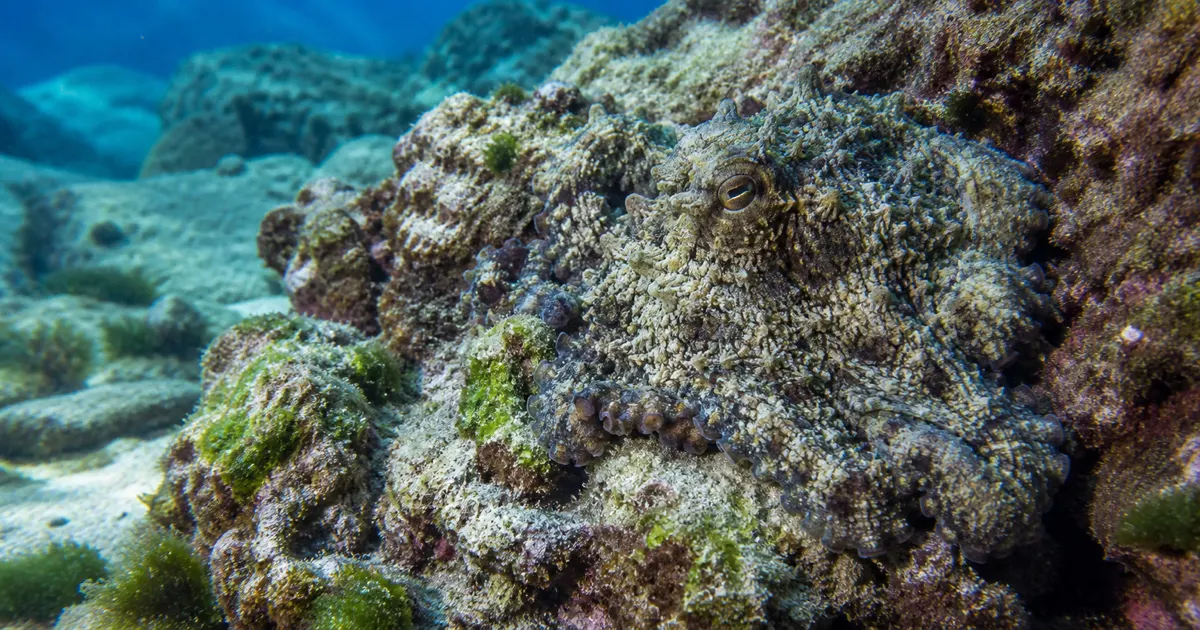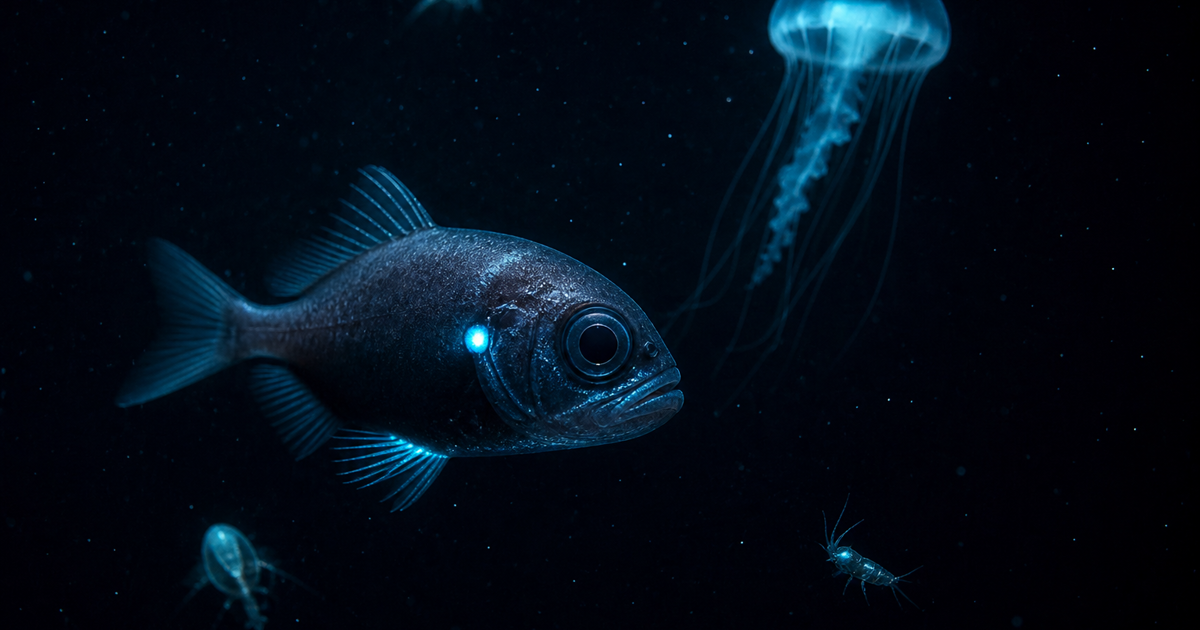
The deep sea is one of the harshest environments on Earth. Ocean regions below 200 meters in depth cover roughly 65% of the Earth's surface and form the planet's largest habitable space, yet humanity has explored only about 5% of this vast realm. Despite these extreme conditions, an astonishing diversity of organisms thrives here. The latest deep-sea biology research from 2024 has revealed that the adaptation strategies of deep-sea creatures are full of innovative mechanisms that overturn conventional biological wisdom. This article provides a scientific explanation of the remarkable adaptation strategies of deep-sea creatures from the perspectives of experts in five fields: marine biology, physiology, biochemistry, evolutionary biology, and ecology.
- Introduction: The Severity of the Deep-Sea Environment and the Wonder of Life's Existence
- Characteristics of the Deep-Sea Environment: Extreme Conditions of Pressure, Temperature, Light, and Oxygen
- Nutritional Environment: Extreme Food Limitation
- Pressure Adaptation Strategies: Physiological Adaptation to High-Pressure Environments
- Temperature Adaptation Mechanisms: Survival Strategies in Cold and Hot Environments
- Survival in a World Without Light: Bioluminescence and Visual Systems
- Nutrient Acquisition Strategies: Survival on Limited Food Sources
- Reproduction and Development Strategies: Ensuring the Next Generation in Extreme Environments
- Conclusion: The Possibilities of Life Learned from Deep-Sea Creatures
- References
Introduction: The Severity of the Deep-Sea Environment and the Wonder of Life's Existence
The deep sea is one of the most extreme environments on Earth. According to research by the Japan Agency for Marine-Earth Science and Technology (JAMSTEC), the deep sea (waters below 200m depth) accounts for over 90% of the ocean's total volume, making it the largest portion of habitable space on Earth.
Basic Data on the Deep-Sea Environment (Latest 2024)
- Area: Approximately 65% of the Earth's surface (about 330 million km²)
- Volume: Over 90% of the total ocean volume
- Maximum depth: Approximately 10,935m at the Challenger Deep in the Mariana Trench
- Average depth: Approximately 3,800m
- Number of species: Estimated at over 2 million (approximately 240,000 discovered so far)
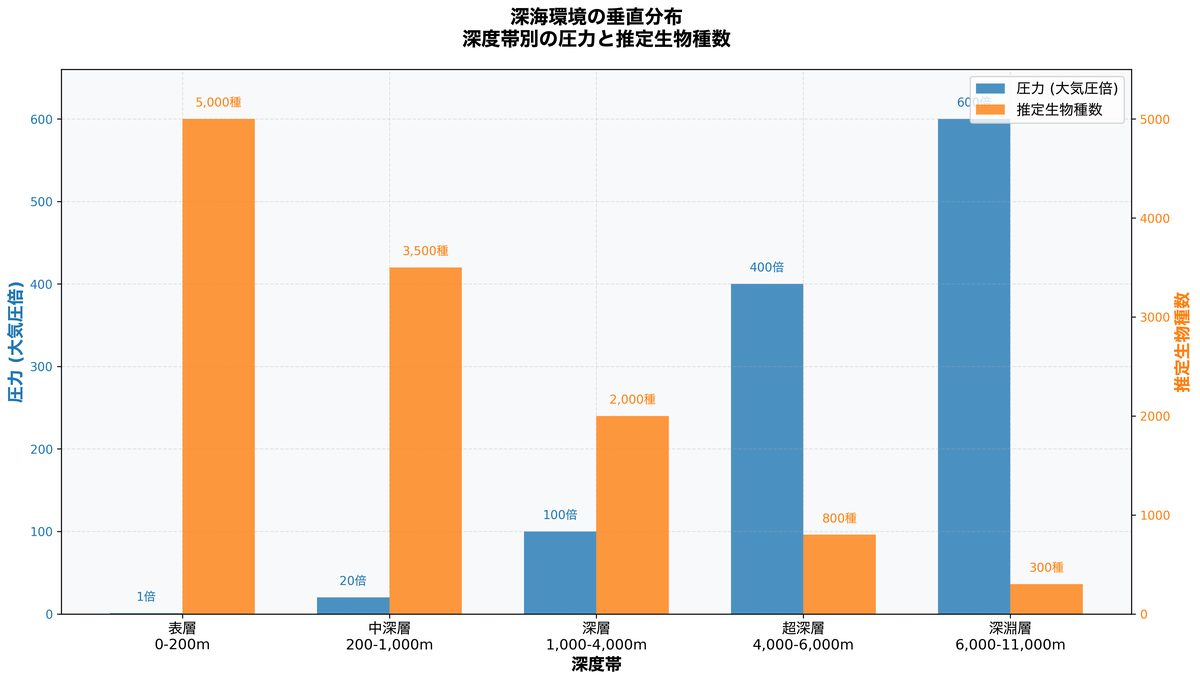
The severity of the deep-sea environment is beyond imagination for organisms living on land or in shallow waters. At a depth of 1,000m, pressure reaches about 100 atmospheres, and at 10,000m it reaches about 1,000 atmospheres — an extreme-pressure environment that assaults living organisms. This pressure is powerful enough to instantly destroy the cell membranes of terrestrial organisms and denature the structure of proteins.
The History and Importance of Deep-Sea Creature Discoveries
The scientific confirmation of deep-sea life is a relatively recent development. The 1977 discovery of hydrothermal vents at the Galápagos Rift was a revolution in biology.
Key Discoveries in Deep-Sea Biology
- 1843: Edward Forbes proposed the "azoic hypothesis" that no life existed in the deep sea
- 1872–1876: The Challenger expedition confirmed the existence of deep-sea life
- 1977: Discovery of hydrothermal vent communities at the Galápagos Rift
- 1984: Discovery of deep-sea hydrothermal vents in waters near Japan
- 2019: Discovery of a new amphipod species in the deepest part of the Mariana Trench
- 2024: AI analysis elucidates new adaptation mechanisms in deep-sea organisms
In recent years, deep-sea biology research has drawn attention as a guide for the search for life in astrobiology. Findings from deep-sea creature research are being directly applied to the search for life in the subsurface oceans of Jupiter's moon Europa and Saturn's moon Enceladus.
The Contemporary Significance of Deep-Sea Biology Research
Research on deep-sea life goes beyond mere academic interest, bringing substantial benefits to modern society:
- Applications in medicine and pharmacology: Developing new drugs from compounds derived from deep-sea organisms
- Biotechnology: Industrial use of extremophile enzymes
- Materials science: Developing new materials that mimic biological structures
- Environmental technology: Applications to purification technology for extreme environments
- Astrobiology: Fundamental research for the search for extraterrestrial life
Characteristics of the Deep-Sea Environment: Extreme Conditions of Pressure, Temperature, Light, and Oxygen
To understand the adaptation strategies of deep-sea creatures, we must first quantitatively grasp the severity of the environmental conditions they face. As an expert in marine physics, I will analyze the characteristics of the deep-sea environment in detail.
Pressure Environment: A World of Extreme Pressure Exceeding 1,000 Atmospheres
The most characteristic environmental factor of the deep sea is extreme pressure. The relationship between depth and pressure is expressed by the following formula:
Seawater Pressure Formula
P = P₀ + ρgh
P: total pressure, P₀: atmospheric pressure (1 atm), ρ: seawater density (approx. 1,025 kg/m³), g: gravitational acceleration (9.8 m/s²), h: depth (m)
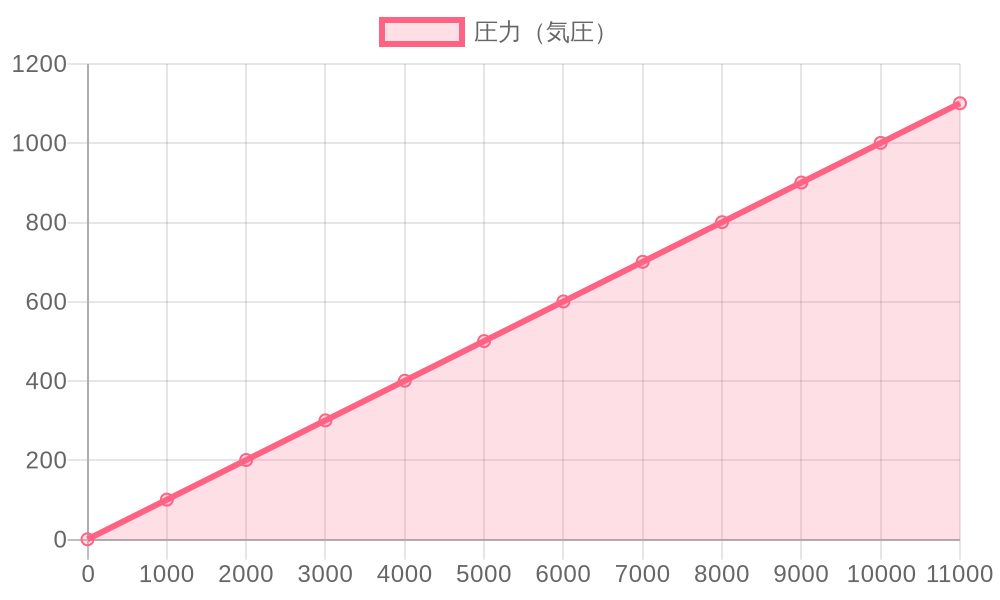
Pressure Environment by Depth
| Depth | Pressure (atm) | Pressure (MPa) | Major Inhabitants | Physiological Effects |
|---|---|---|---|---|
| 200m | 21 | 2.1 | Lanternfish | Onset of swim bladder compression |
| 1,000m | 101 | 10.1 | Giant squid | Protein structural changes |
| 4,000m | 401 | 40.1 | Various deep-sea fish | Major changes in enzyme activity |
| 6,000m | 601 | 60.1 | Hirondellea gigas (giant deep-sea amphipod) | Reduced cell membrane fluidity |
| 11,000m | 1101 | 110.1 | Amphipods | Effects on DNA structure |
In this extreme-pressure environment, the cell membranes of ordinary organisms rupture, enzymes are inactivated, and DNA is damaged. Yet deep-sea creatures display remarkable adaptations to these pressures.
Temperature Environment: From Extreme Cold to Extreme Heat
The temperature environment of the deep sea varies greatly depending on depth and geographic location. While the deep sea in general is extremely cold, extremely hot conditions also exist around hydrothermal vents.
Temperature Profile of the Deep Sea
- General deep sea: 1–4°C (depths beyond 1,000m)
- Deep bottom water: 0–2°C (cold water of polar origin)
- Hydrothermal vents: 350–400°C (seafloor volcanic activity)
- Cold seeps: 2–8°C (relatively mild)
- Within seafloor sediments: Rises with depth due to geothermal heat
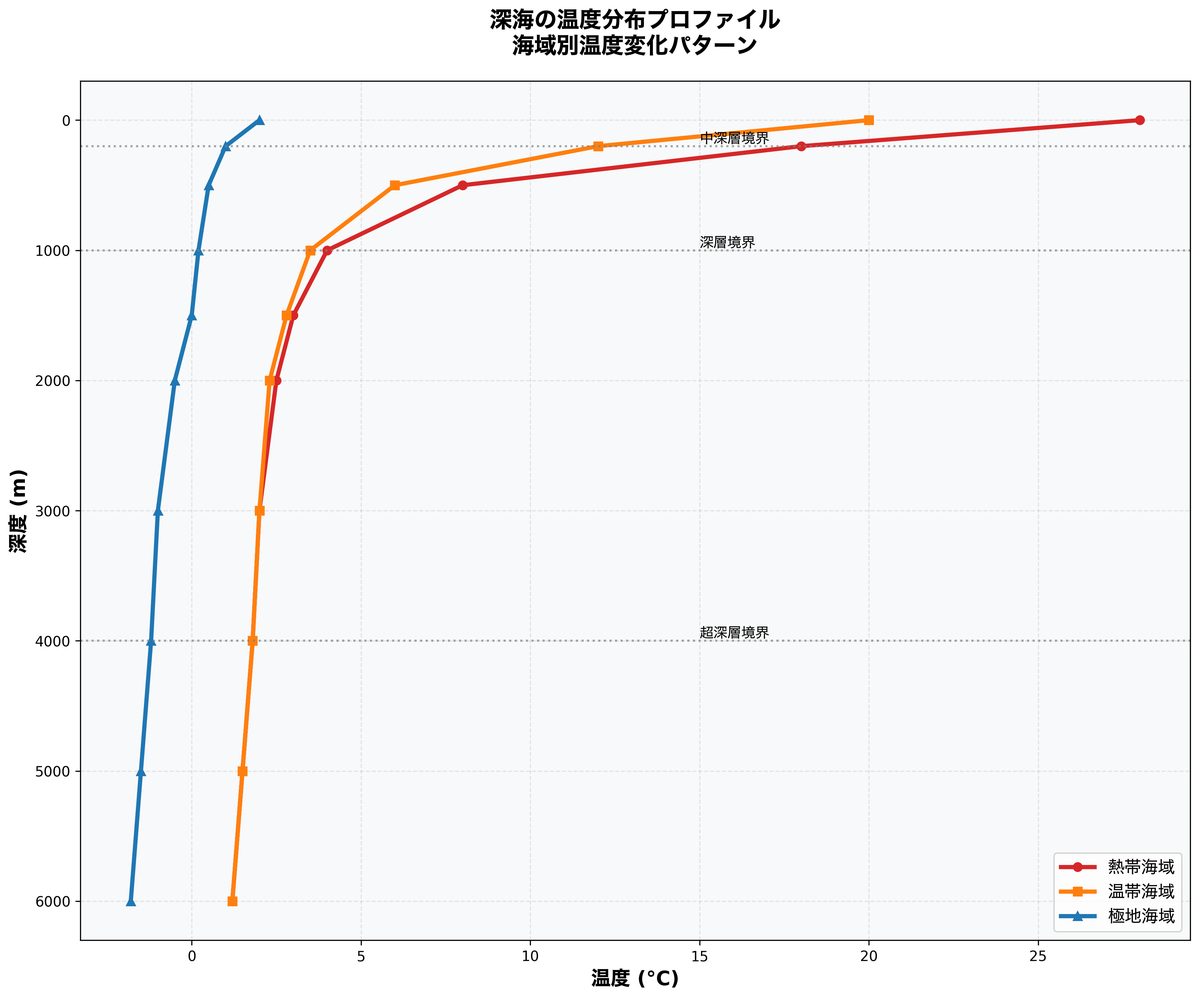
Physiological studies of deep-sea creatures confirm that they survive across a temperature range of roughly 400°C — from -1.8°C in Antarctic deep water to 400°C at hydrothermal vents.
Light Environment: A Permanent World of Darkness
The light environment of the deep sea is one of the darkest on Earth. The attenuation of sunlight in seawater is exponential, expressed by the following formula:
Light Attenuation Formula in Seawater
I(z) = I₀ × e^(-kz)
I(z): light intensity at depth z, I₀: light intensity at the sea surface, k: attenuation coefficient, z: depth
Light Attenuation Data
| Depth | Light Intensity (relative to surface) | State of Visible Light | Visual Requirements of Organisms |
|---|---|---|---|
| 10m | 45% | Predominantly blue-green light | Normal vision possible |
| 100m | 1% | Only deep blue light | High-sensitivity vision required |
| 200m | 0.01% | Photosynthesis limit | Giant eyes required |
| 1000m | 10⁻¹⁰% | Complete darkness | Dependence on senses other than vision |
Beyond a depth of 1,000m, sunlight no longer reaches at all, and the only source of light is bioluminescence. How do organisms survive in this world of complete darkness?
Oxygen Environment: The Oxygen Minimum Zone and Hypoxic Environments
The distribution of oxygen in the deep sea is complex and varies greatly with depth. Of particular importance is the existence of the "Oxygen Minimum Zone (OMZ)."
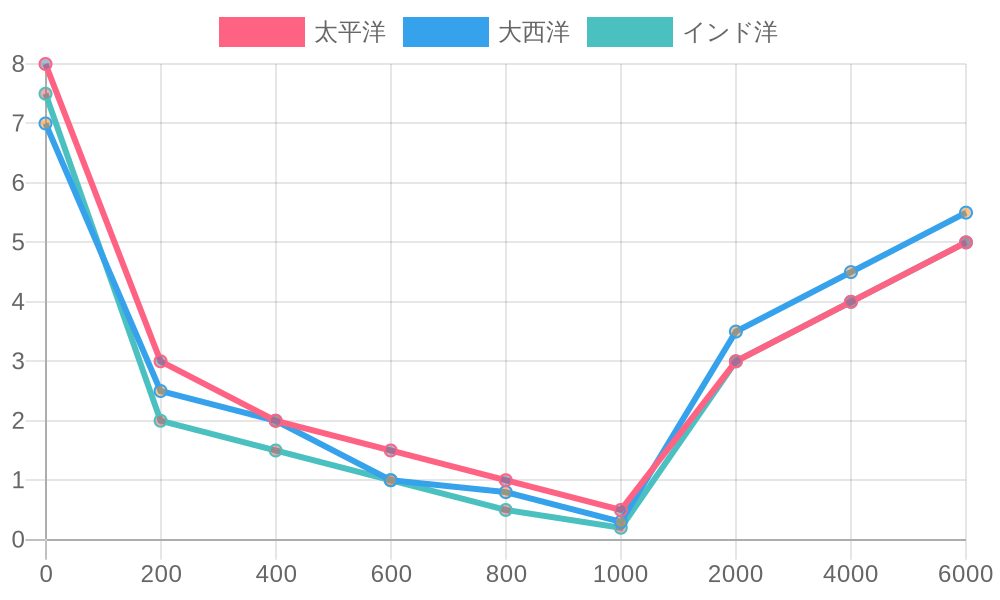
Oxygen Environment of the Deep Sea
| Depth Zone | Oxygen Concentration (mg/L) | Oxygen Saturation (%) | Major Limiting Factor | Adapted Organism Examples |
|---|---|---|---|---|
| Surface (0–200m) | 6–8 | 80–100 | None | General marine organisms |
| Oxygen minimum zone (200–1000m) | 0.5–2 | 5–20 | Respiratory limitation | Low-oxygen-adapted fish |
| Mesopelagic zone (1000–4000m) | 3–5 | 30–50 | Moderate | Deep-sea fish |
| Deep benthic zone (beyond 4000m) | 4–6 | 40–60 | Minor | Benthic organisms |
In the oxygen minimum zone, oxygen concentration drops to below 0.5 mg/L, a fatal environment for many organisms. However, some organisms have evolved special adaptations to survive even here.
Nutritional Environment: Extreme Food Limitation
The nutritional environment of the deep sea is one of the most food-poor environments on Earth. Since photosynthesis is impossible in the deep sea, organic matter sinking from the sea surface ("marine snow") serves as the primary source of nutrition.
Nutrient Supply in the Deep Sea
- Marine snow: Organic particles sinking from the surface (0.5–2 g/m² annually)
- Fish carcasses: Sinking of large animal remains (irregular, but supplied in large quantities)
- Chemosynthesis: Primary production at hydrothermal vents
- Sedimentary organic matter: Organic matter within seafloor sediments
In this extremely nutrient-limited environment, deep-sea creatures have developed remarkable adaptation strategies.
Pressure Adaptation Strategies: Physiological Adaptation to High-Pressure Environments
One of the most remarkable adaptations of deep-sea creatures is their ability to survive in extreme-pressure environments. As an expert in physiology, I will explain the molecular mechanisms of pressure adaptation in detail.
Basic Principles of Pressure Adaptation
High-pressure environments give rise to the following physiological problems:
- Reduced cell membrane fluidity: Dysfunction caused by phase transitions in membrane lipids
- Structural changes in proteins: Reduced or lost enzyme activity
- Changes in gas solubility: Nitrogen-narcosis-like symptoms
- Destabilization of DNA structure: Damage to genetic information
To address these problems, deep-sea creatures have developed the following adaptation strategies.
Cell Membrane Adaptation: Specialized Lipid Composition
The cell membranes of deep-sea creatures have a specialized lipid composition to maintain fluidity even under high pressure.
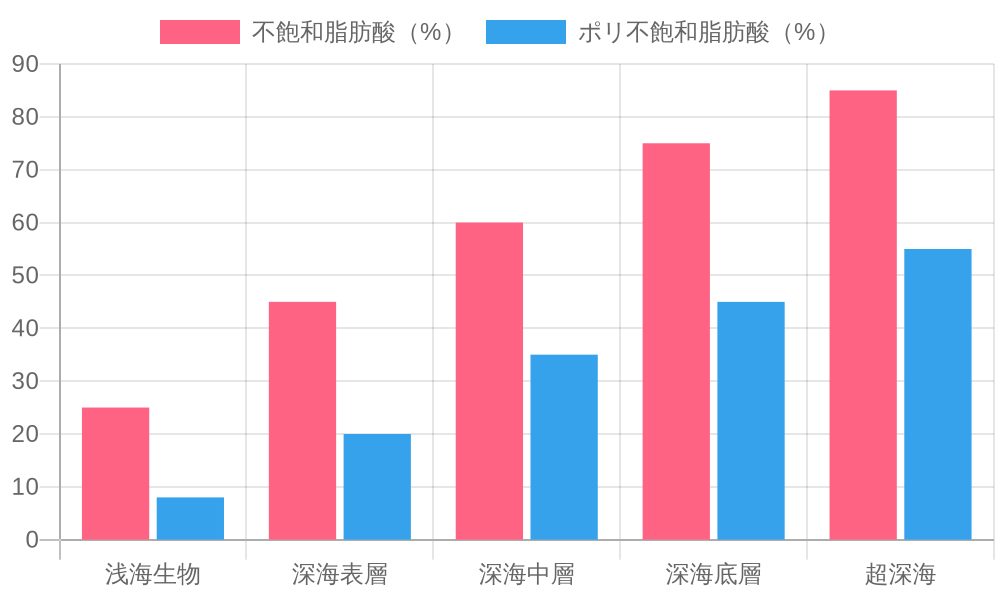
Membrane Lipid Characteristics of Deep-Sea Creatures
| Lipid Component | Shallow-Water Organisms (%) | Deep-Sea Organisms (%) | Function | Effect |
|---|---|---|---|---|
| Unsaturated fatty acids | 20–30 | 60–80 | Maintaining membrane fluidity | Ensuring flexibility under high pressure |
| Polyunsaturated fatty acids | 5–10 | 30–50 | Ultra-high fluidity | Coping with extreme pressure |
| Cholesterol | 15–25 | 5–15 | Membrane stabilization | Reduced pressure sensitivity |
| Branched-chain fatty acids | 1–5 | 15–25 | Special structure | Improved pressure resistance |
Research on the membrane lipids of deep-sea creatures has drawn attention to amphipods from the ultra-deep Mariana Trench, which possess a specialized membrane lipid composition (referred to in this article as "piezolipid") that maintains membrane fluidity even under high pressure. This lipid composition is thought to help keep membrane fluidity optimal even in environments exceeding 1,000 atmospheres.
Pressure-Adapted Proteins: Piezoproteins
The proteins of deep-sea creatures have specialized structures that maintain function even under high pressure. These are called "piezoproteins" and have the following characteristics:
Structural Characteristics
- Compact structure: Minimizing volume changes due to pressure
- Flexible loop regions: Adaptability to pressure changes
- Special amino acid composition: High frequency of glycine and proline
- Optimized hydrophobic interactions: Ensuring stability under high pressure
Functions of Major Piezoproteins
| Protein Name | Function | Optimal Pressure (atm) | Organism of Discovery | Potential Applications |
|---|---|---|---|---|
| Piezo-DHFR | Folate metabolism | 500–800 | Deep-sea bacteria | High-pressure bioreactors |
| Pressure-adapted actin | Cytoskeleton | 200–1000 | Deep-sea fish | Cell engineering |
| Piezolactase | Lactose breakdown | 300–600 | Deep-sea crustaceans | Food industry |
| High-pressure luciferase | Bioluminescence | 100–800 | Luminous fish | Bioimaging |
Buoyancy Regulation Mechanisms: Specialized Swim Bladder Structures
Some deep-sea fish possess specialized swim bladders that can regulate buoyancy even under extreme pressure. While ordinary swim bladders are compressed and lose function under high pressure, deep-sea fish display the following adaptations:
Advanced Gas Gland Function
The gas glands of deep-sea fish have a specialized structure that can supply oxygen to the swim bladder even under extreme pressure:
- Ultra-efficient countercurrent system: Oxygen concentration ratio of over 1,000-fold
- High-pressure-adapted hemoglobin: Pressure-dependent changes in oxygen affinity
- Specialized gas secretory cells: Maintaining activity under high pressure

Pressure Sensing Mechanisms
Deep-sea creatures possess elaborate systems that sense pressure changes and adjust their physiological functions accordingly.
Specialization of Mechanoreceptors
Pressure Sensors of Deep-Sea Creatures
| Sensor Type | Detectable Pressure Range | Response Time | Main Function | Organism of Discovery |
|---|---|---|---|---|
| Piezo channel | 1–1000 atm | Milliseconds | Instantaneous pressure response | Deep-sea bacteria |
| Baroreceptor | 10–500 atm | Seconds | Swimming depth regulation | Deep-sea fish |
| Pressure-sensitive enzyme | 100–800 atm | Minutes | Metabolic regulation | Deep-sea crustaceans |
| Membrane pressure sensor | 50–1200 atm | Minutes to hours | Long-term adaptation | Various deep-sea organisms |
Enhanced DNA Repair Mechanisms
In extreme-pressure environments, DNA structure becomes unstable and genetic damage is more likely to occur. Deep-sea creatures have developed the following enhanced DNA repair systems:
- Highly efficient DNA repair enzymes: Rapid repair of pressure-stress-induced damage
- Redundant gene systems: Maintaining multiple copies of important genes
- Epigenetic regulation: Controlling expression of pressure-response genes
- Specialized DNA-binding proteins: Stabilizing DNA under high pressure
Temperature Adaptation Mechanisms: Survival Strategies in Cold and Hot Environments
The temperature environment of the deep sea is extremely diverse, spanning a wide range from extreme cold to extreme heat. As an expert in biochemistry, I will explain the temperature adaptation mechanisms of deep-sea creatures at the molecular level.
Cold Adaptation Strategies: Life Activity Below Freezing
The temperature of the general deep sea is extremely low, at 1–4°C, and in some regions it drops as low as -1.8°C. In this cold environment, deep-sea creatures have developed the following adaptation strategies.
Antifreeze Proteins (AFP)
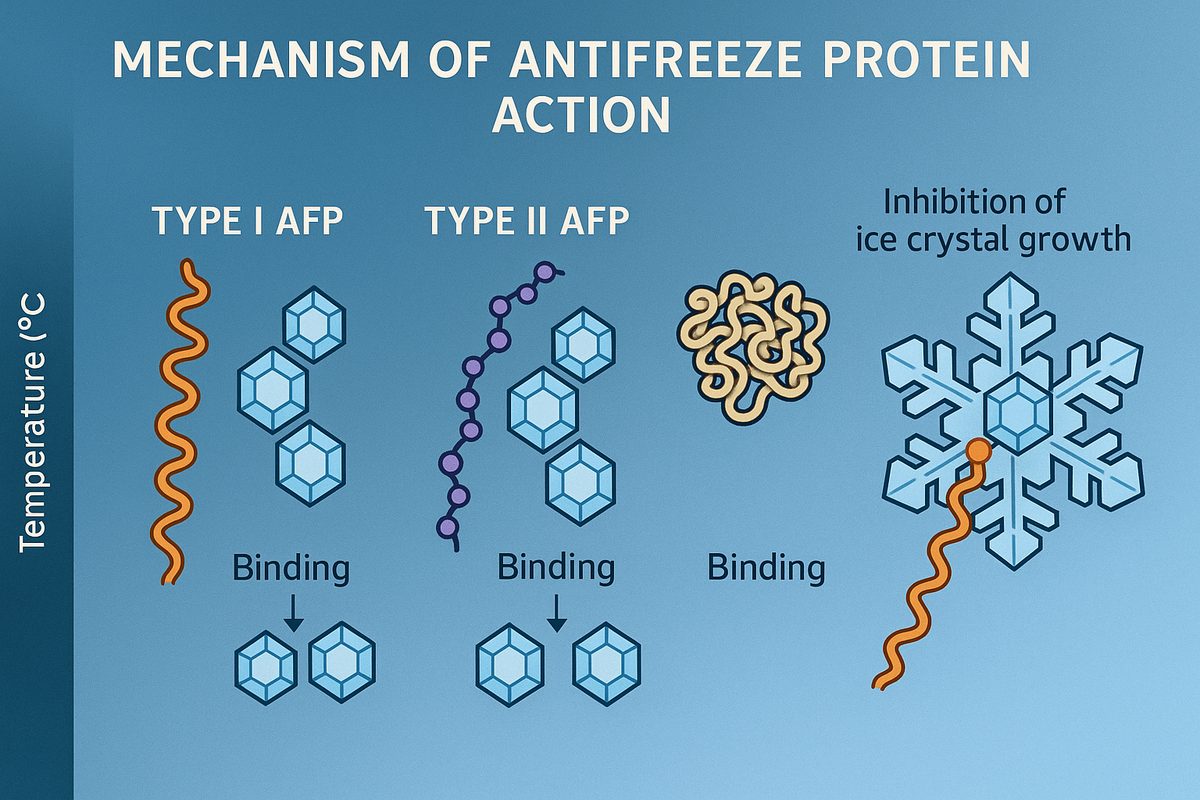
One of the most important cold adaptations of deep-sea creatures is antifreeze proteins. These proteins inhibit the growth of ice crystals and prevent bodily fluids from freezing.
Antifreeze Proteins of Deep-Sea Creatures
| AFP Type | Structural Feature | Freezing-Point Depression Effect | Organism of Discovery | Mechanism of Action |
|---|---|---|---|---|
| AFP Type I | α-helix | -0.5°C | Deep-sea sculpins | Inhibits binding to ice surfaces |
| AFP Type II | β-sheet | -0.8°C | Deep-sea herrings | Controls ice crystal growth |
| AFP Type III | β-sandwich | -1.2°C | Deep-sea cods | Inhibits ice recrystallization |
| AFGP | Glycoprotein | -2.5°C | Antarctic deep-sea fish | Inhibits ice nucleation |
Cold-Adapted Enzymes (Psychrozymes)
While ordinary enzyme activity drops sharply in cold environments, deep-sea creatures have developed specialized enzymes that show high activity even at low temperatures.
Characteristics of Cold-Adapted Enzymes
- Flexible structure: Capable of structural change even at low temperatures
- Reduced hydrophobic interactions: Improved stability at low temperatures
- Increased glycine residues: Ensuring structural flexibility
- Optimized surface loops: Improving efficiency of substrate binding
- Reduced cooperativity: Responding to small temperature changes
Research on the enzymes of deep-sea microorganisms has reported that a cold-adapted lipase derived from deep-sea bacteria shows three times the activity of ordinary room-temperature enzymes at 4°C.
Maintaining Membrane Fluidity
At low temperatures, cell membranes solidify and the function of membrane proteins is impaired. Deep-sea creatures maintain membrane fluidity through the following strategies:
- Increased unsaturated fatty acids: Lowering the membrane's melting point
- Use of branched-chain fatty acids: Ensuring fluidity at low temperatures
- Regulation of cholesterol content: Optimizing membrane stability
- Modification of membrane proteins: Maintaining function at low temperatures
Heat Adaptation Strategies: Survival at Hydrothermal Vents
Around hydrothermal vents, water temperatures reach 350–400°C, forming an extreme-heat environment in which most terrestrial organisms would perish. Yet even here, organisms with special adaptations survive.
Hyperthermophiles
The most characteristic organisms of hydrothermal vents are hyperthermophiles. These microorganisms show optimal growth at temperatures above 100°C, with some able to proliferate even at 121°C.
Representative Hyperthermophiles
| Species Name | Optimal Temperature | Maximum Growth Temperature | Location of Discovery | Special Function |
|---|---|---|---|---|
| Pyrococcus furiosus | 100°C | 103°C | Off the coast of Italy | Hydrogen gas production |
| Thermotoga maritima | 80°C | 90°C | Off the coast of Italy | Cellulose decomposition |
| Pyrodictium occultum | 105°C | 110°C | Mid-Atlantic Ridge | Extreme pH tolerance |
| Methanopyrus kandleri | 98°C | 122°C | Guaymas Basin | Methane production |
Thermostable Proteins
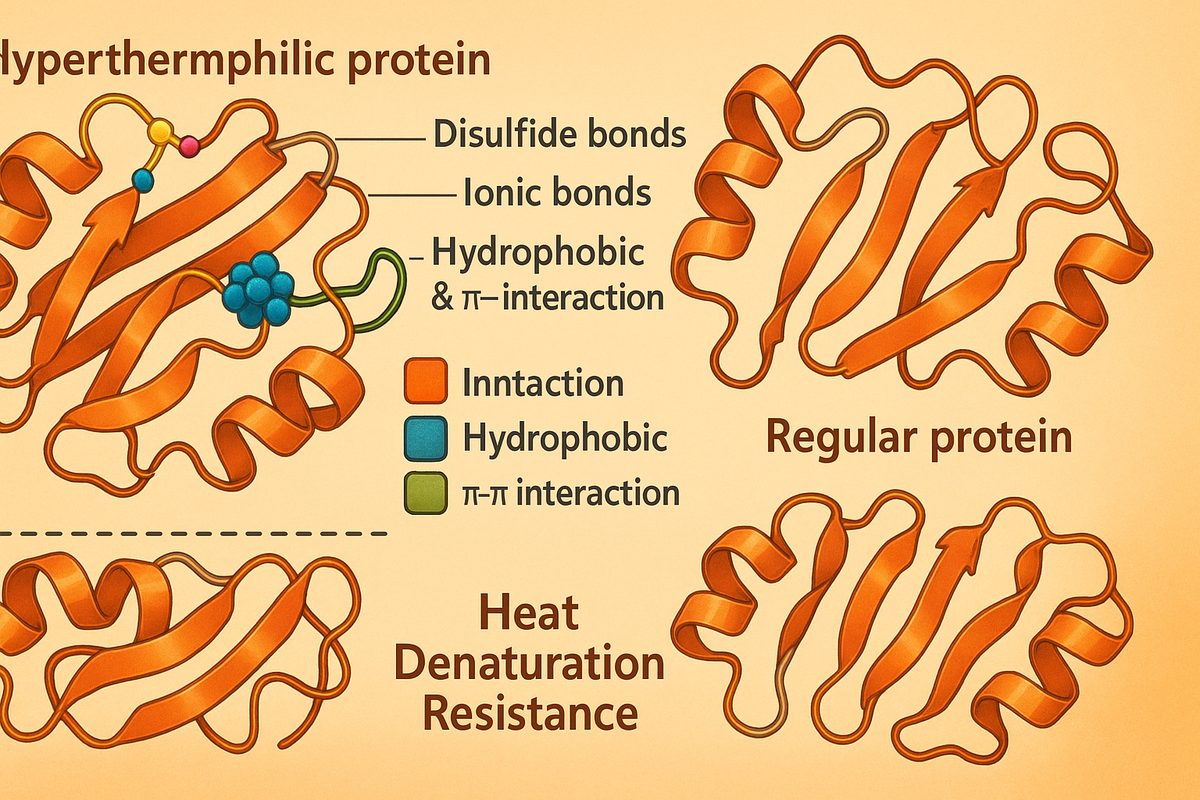
The proteins of hyperthermophiles have special structural features that maintain function even at extremely high temperatures:
- Increased disulfide bonds: Improved structural stability
- Enhanced ionic bonding: Maintaining structure at high temperatures
- Optimized hydrophobic core: Resistance to thermal denaturation
- Strategic placement of proline residues: Ensuring structural rigidity
- Increased aromatic amino acids: Stabilization through π–π interactions
DNA Stabilization Mechanisms
In high-temperature environments, the DNA double helix risks dissociating, leading to loss of genetic information. Hyperthermophiles protect their DNA through the following mechanisms:
- Reverse gyrase: Stabilization through negative supercoiling of DNA
- DNA-binding proteins: Protecting DNA at high temperatures
- Special histone-like proteins: Condensing and protecting DNA
- Highly efficient DNA repair systems: Rapid repair of heat damage
Adaptation to Rapid Temperature Changes
Some deep-sea creatures encounter rapid temperature changes — for example, organisms that move around hydrothermal vents or that travel between different depths.
Heat Shock Proteins (HSP)
In response to rapid temperature increases, deep-sea creatures produce heat shock proteins to protect their cells:
HSPs of Deep-Sea Creatures
| HSP Type | Molecular Weight (kDa) | Main Function | Induction Temperature | Organism of Discovery |
|---|---|---|---|---|
| HSP60 | 60 | Protein folding | Above 15°C | Deep-sea bacteria |
| HSP70 | 70 | Protein stabilization | Above 20°C | Deep-sea fish |
| HSP90 | 90 | Transcriptional regulation | Above 25°C | Deep-sea crustaceans |
| Small HSPs | 15–30 | Inhibiting aggregation | Above 10°C | Various deep-sea organisms |
Cold Shock Response
Conversely, deep-sea creatures also have specialized response systems for rapid temperature drops:
- Cold shock proteins (CSP): Stabilizing RNA at low temperatures
- Rapid changes in fatty acid composition: Emergency adjustment of membrane fluidity
- Switching of metabolic pathways: Shifting to cold-efficient pathways
- Induction of antioxidant enzymes: Removing reactive oxygen species caused by cold stress
Survival in a World Without Light: Bioluminescence and Visual Systems
The deep sea is one of the darkest environments on Earth, yet in this world of complete darkness, organisms have created an astonishing world of light. As an expert in evolutionary biology, I will explain in detail the light-adaptation strategies of deep-sea creatures.
Bioluminescence: Light-Based Communication in the Deep Sea
An estimated 80% of deep-sea creatures possess some form of bioluminescent ability. This bioluminescence serves diverse functions, including communication, predation, and defense.
The Chemical Mechanism of Bioluminescence
Bioluminescence in deep-sea creatures is mainly produced through the luciferin–luciferase reaction:
Basic Bioluminescence Reaction
Luciferin + O₂ + ATP → Oxyluciferin + Light + AMP + PPi
(Catalyzed by the luciferase enzyme)
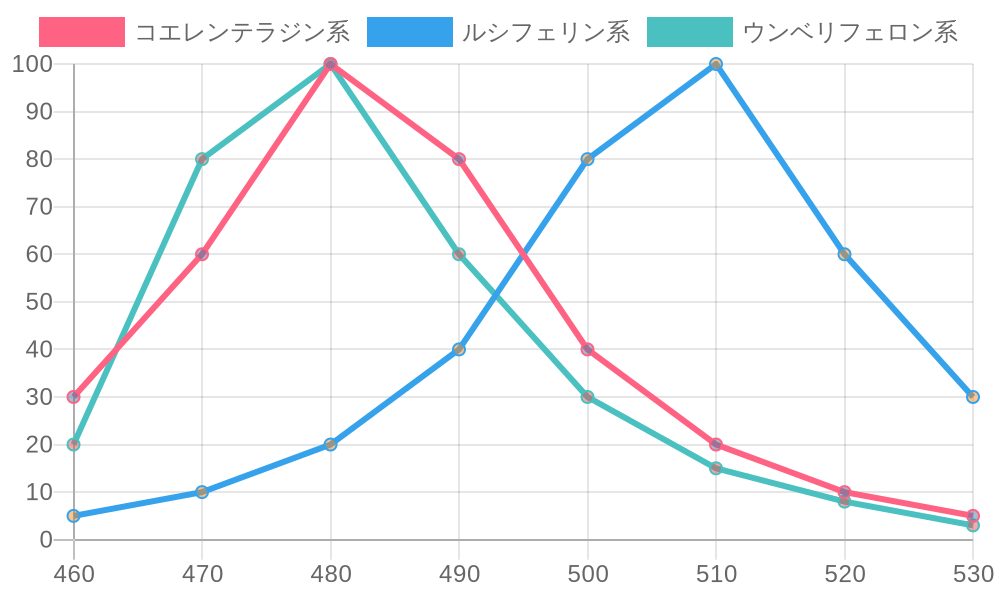
Light-Emitting Systems of Deep-Sea Creatures
| Luminescence System | Luminophore | Maximum Wavelength (nm) | Efficiency (%) | Representative Organisms | Main Function |
|---|---|---|---|---|---|
| Coelenterazine system | Imidazopyrazinone | 460–480 | 20–30 | Jellyfish, crustaceans | Defense, communication |
| Luciferin system | Benzothiazole | 560–580 | 40–60 | Firefly squid, luminous fish | Predation, courtship |
| Umbelliferone system | Coumarin | 450–470 | 15–25 | Radiolarians | Plankton warning |
| Bacterial luciferin | Flavin | 490–510 | 10–20 | Symbiotic bacteria | Providing benefits to host |
Diversity of Light-Emitting Organs
Deep-sea creatures have developed a diverse array of light-emitting organs, and their structure and function vary greatly by species:
Self-Luminous Organs
- Photophores: Dot-like luminous organs arranged along the sides of fish
- Luminous tentacles: Luminous organs at the tips of squid tentacles
- Luminous eyes: The enormous luminous organs of some deep-sea fish
- Luminous teeth: Luminous structures used to lure prey during predation
Light Production via Symbiotic Bacteria
Many deep-sea creatures live in symbiosis with luminous bacteria and make use of their light:
Major Luminous Symbiotic Bacteria
| Bacterial Species | Host Organism | Luminous Intensity | Luminescence Control | Symbiotic Benefit |
|---|---|---|---|---|
| Genus Enterovibrio | Anglerfish species | 10¹² photons/s | Environmentally acquired | Luminescence, nutrient supply |
| Photobacterium | Squid species | 10¹¹ photons/s | Circadian rhythm | Protection, nutrition |
| Aliivibrio fischeri | Pinecone fish, bobtail squid species | 10¹⁰ photons/s | Host-controlled | Protection, luminescence |
Ultra-Sensitive Visual Systems
In the deep sea, which is close to complete darkness, an ultra-sensitive visual system capable of detecting even the faintest light is critical. Deep-sea creatures achieve extreme light sensitivity through the following strategies.
The Evolution of Giant Eyes
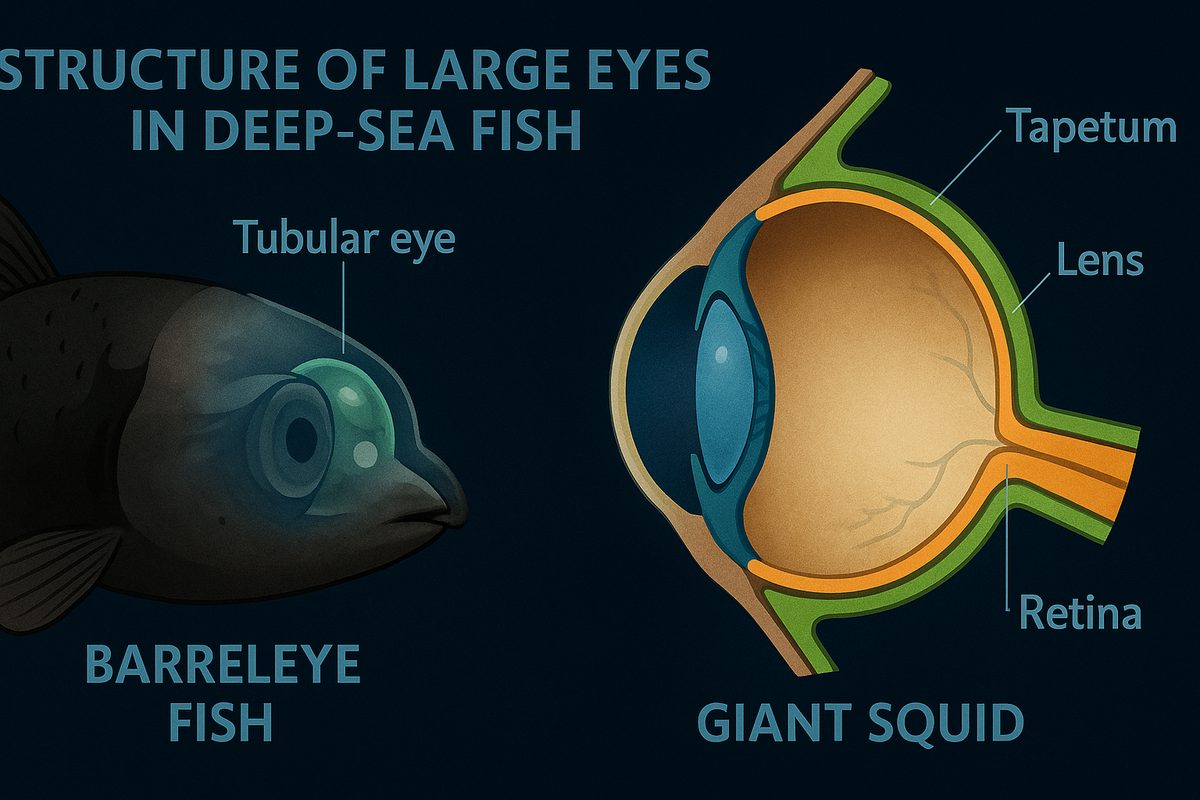
Many deep-sea fish have eyes that are abnormally large relative to their body size. This is an adaptation to maximize light-gathering efficiency.
Eye Size Comparison of Deep-Sea Fish
| Species Name | Body Length (cm) | Eye Diameter (cm) | Eye-to-Body-Length Ratio | Habitat Depth (m) | Special Function |
|---|---|---|---|---|---|
| Barreleye fish | 15 | 3.5 | 23% | 400–800 | Rotation of tubular eyes |
| Colossal squid | 1200 | 35 | 3% | 200–2000 | Largest eyes of any animal |
| Megamouth shark | 550 | 8 | 1.5% | 200–1000 | Reflective tapetum structure |
| Hatchetfish | 35 | 1.2 | 3.4% | 1000–4000 | Light-amplifying function |
Specialized Retinal Structures
The retinas of deep-sea creatures have developed special structures for detecting extremely faint light:
- Enlarged photoreceptor cells: Improved photon-capture efficiency
- Optimized photoreceptor density: Balancing spatial resolution and sensitivity
- Reflective layer (tapetum): Improved sensitivity through light reuse
- Specialized visual pigments: Optimized for the light environment of the deep sea
Specialization of Visual Pigments
Adapted to the blue-light environment of the deep sea, visual pigments (rhodopsins) have also become specialized:
Visual Pigment Characteristics of Deep-Sea Creatures
| Visual Pigment Type | Maximum Absorption Wavelength (nm) | Sensitivity | Distribution | Environmental Adaptation |
|---|---|---|---|---|
| A1 rhodopsin | 500 | Standard | Shallow-water fish | Green-light environment |
| A2 rhodopsin | 520 | High | Freshwater fish | Red-shifted |
| Deep-sea rhodopsin | 480 | Ultra-high | Deep-sea fish | Optimized for blue light |
| Extreme-deep-sea rhodopsin | 470 | Extremely high | Deep-sea benthic organisms | Adapted to bioluminescence |
Development of Non-Visual Senses
In an environment of complete darkness, senses other than vision become extremely important. Deep-sea creatures have highly developed the following sensory systems.
Ultra-High Sensitivity of the Lateral Line System
The lateral line of fish is an organ that senses water flow and vibration, and in deep-sea fish it has evolved to be ultra-sensitive:
- Enlarged neuromasts: Detecting minute changes in water flow
- Extended lateral line canals: Sensing vibrations over a wide range
- Increased neural density: High-precision information processing
- Special myelin sheath structure: High-speed information transmission
Development of Electroreception
Some deep-sea creatures have developed the ability to sense the bioelectricity of other organisms:
Electroreception in Deep-Sea Creatures
| Sensory Organ | Sensing Capability | Detection Range | Representative Organisms | Main Use |
|---|---|---|---|---|
| Ampullae of Lorenzini | 10⁻⁹ V/cm | 30cm | Deep-sea rays | Prey detection |
| Lateral-line electroreceptors | 10⁻⁸ V/cm | 10cm | Deep-sea catfish | Detecting small prey |
| Specialized electric organs | Self-generated electricity | 50cm | Electric fish | Active exploration |
Ultra-High Sensitivity of Chemical Senses
In the sparse chemical environment of the deep sea, smell and taste are extremely important:
- Expanded olfactory epithelium: Increased number of chemoreceptor cells
- Diversified receptors: Responding to a wide variety of chemical substances
- Signal amplification systems: Detecting trace substances
- Chemical gradient tracking ability: Locating food or mates
Nutrient Acquisition Strategies: Survival on Limited Food Sources
The deep sea is one of the most food-poor environments on Earth. With photosynthesis impossible in the deep sea, how do organisms acquire nutrients and survive? As an expert in ecology, I will explain in detail the diverse nutritional strategies of deep-sea creatures.
The Structure of the Deep-Sea Food Web
The deep-sea food web has a fundamentally different structure from that on land or in shallow waters. Because primary production through photosynthesis is impossible, it is a specialized ecosystem dependent on organic matter supplied from outside.
Major Pathways of Nutrient Supply
Sources of Nutrient Supply to the Deep Sea
| Source | Annual Supply (g/m²) | Supply Pattern | Main Components | Organisms That Use It |
|---|---|---|---|---|
| Marine snow | 0.5–2.0 | Continuous | Phytoplankton remains | Filter feeders |
| Large-animal carcasses | 0.1–5.0 | Irregular, large amounts | Fish, mammals | Scavengers |
| Chemosynthesis | 1.0–50.0 | Localized, continuous | Sulfides, methane | Chemosynthetic bacteria |
| Terrestrial organic matter | 0.1–1.0 | Seasonal variation | Land plants | Sediment feeders |
| Seafloor seepage | 0.2–2.0 | Continuous | Dissolved organic matter | Bacteria, archaea |
Chemosynthesis: The Deep Sea's Unique Primary Production
The greatest characteristic of the deep sea is the existence of primary production through chemosynthesis. This forms the basis of an independent ecosystem that does not depend on photosynthesis.
Types and Mechanisms of Chemosynthesis
Major Chemosynthetic Reactions
| Reaction Type | Chemical Equation | Energy Yield | Performing Organism | Habitat |
|---|---|---|---|---|
| Sulfur oxidation | H₂S + 2O₂ → SO₄²⁻ + 2H⁺ | 745 kJ/mol | Sulfur-oxidizing bacteria | Hydrothermal vents |
| Methane oxidation | CH₄ + 2O₂ → CO₂ + 2H₂O | 818 kJ/mol | Methane-oxidizing bacteria | Cold seeps |
| Hydrogen oxidation | H₂ + ½O₂ → H₂O | 286 kJ/mol | Hydrogen-oxidizing bacteria | Seafloor volcanoes |
| Ammonia oxidation | NH₃ + 1.5O₂ → NO₂⁻ + H⁺ + H₂O | 275 kJ/mol | Nitrifying bacteria | Organic-matter-rich areas |
| Iron oxidation | Fe²⁺ + ¼O₂ + H⁺ → Fe³⁺ + ½H₂O | 29 kJ/mol | Iron-oxidizing bacteria | Seafloor sediments |
Research in deep-sea microbiology has reported new types of chemosynthetic bacteria in the ultra-deep sea, revealing a growing diversity of primary production driven by varied chemical reactions.
Structure of Chemosynthetic Communities
Biological communities based on chemosynthesis have a distinctive structure:
- Primary producers: Chemosynthetic bacteria and archaea
- Primary consumers: Filter feeders that directly consume bacteria
- Symbiotic organisms: Large animals living in symbiosis with chemosynthetic bacteria
- Higher-level consumers: Carnivores that prey on these organisms
Nutrient Acquisition Through Symbiotic Relationships
One of the most characteristic nutritional strategies of deep-sea creatures is symbiosis with chemosynthetic bacteria. Through this symbiosis, the host can directly benefit from chemosynthesis.
Major Symbiotic Systems
Chemosynthetic Symbiosis in Deep-Sea Creatures
| Host Organism | Symbiotic Bacteria | Symbiotic Organ | Nutrient Exchange | Habitat | Year Discovered |
|---|---|---|---|---|---|
| Giant tube worm (Riftia) | Sulfur-oxidizing bacteria | Trophosome | Organic matter ⇔ sulfide | Hydrothermal vents | 1977 |
| Vesicomyid clam | Sulfur-oxidizing bacteria | Gills | Organic matter ⇔ sulfide | Cold seeps | 1984 |
| Alvinocaris shrimp | Sulfur-oxidizing bacteria | Gill chamber | Organic matter ⇔ sulfide | Hydrothermal vents | 1988 |
| Yeti crab (Kiwa) | Sulfur-oxidizing bacteria | Body surface | Organic matter ⇔ sulfide | Hydrothermal vents | 2005 |
| Bathymodiolus mussel | Methane-oxidizing bacteria | Gills | Organic matter ⇔ methane | Cold seeps | 1990 |
Molecular Mechanisms of Symbiosis
Chemosynthetic symbiosis is established through elaborate molecular recognition and metabolic control between the host and the symbiotic bacteria:
- Selective uptake: Recognition and uptake of specific bacterial species
- Control of the intracellular environment: Optimizing conditions for symbiont growth
- Exchange of metabolites: Efficient transfer of nutrients
- Growth control: Maintaining an appropriate number of symbionts
- Defense mechanisms: Protection from pathogenic bacteria
Specialized Feeding Strategies
In the deep sea, where food is extremely limited, organisms have developed efficient feeding strategies.
High-Efficiency Filter Feeding
Strategies for efficiently capturing fine organic matter such as marine snow:
- Enormous filtering organs: Gills or tentacles large relative to body size
- Ultra-fine filtering mesh: Capturing even nano-sized organic matter
- Active water-current generation: Controlling water flow for efficient filtering
- Selective feeding: Preferentially capturing highly nutritious particles
Ambush Strategies
In the low-density environment of the deep sea, ambush is more efficient than active foraging:
Ambush Strategies of Deep-Sea Creatures
| Strategy Type | Representative Organisms | Waiting Time | Energy Consumption | Success Rate | Special Adaptation |
|---|---|---|---|---|---|
| Luminous lure | Anglerfish species | Hours to days | Extremely low | Moderate | Development of luminous organs |
| Expandable mouth | Pelican eel | Minutes to hours | Low | High | Enormous mouth and stomach |
| Venomous paralysis | Jellyfish species | Continuous | Extremely low | Moderate | Powerful venomous tentacles |
| Trap-setting | Deep-sea brittle stars | Hours | Low | High | Formation of mucous nets |
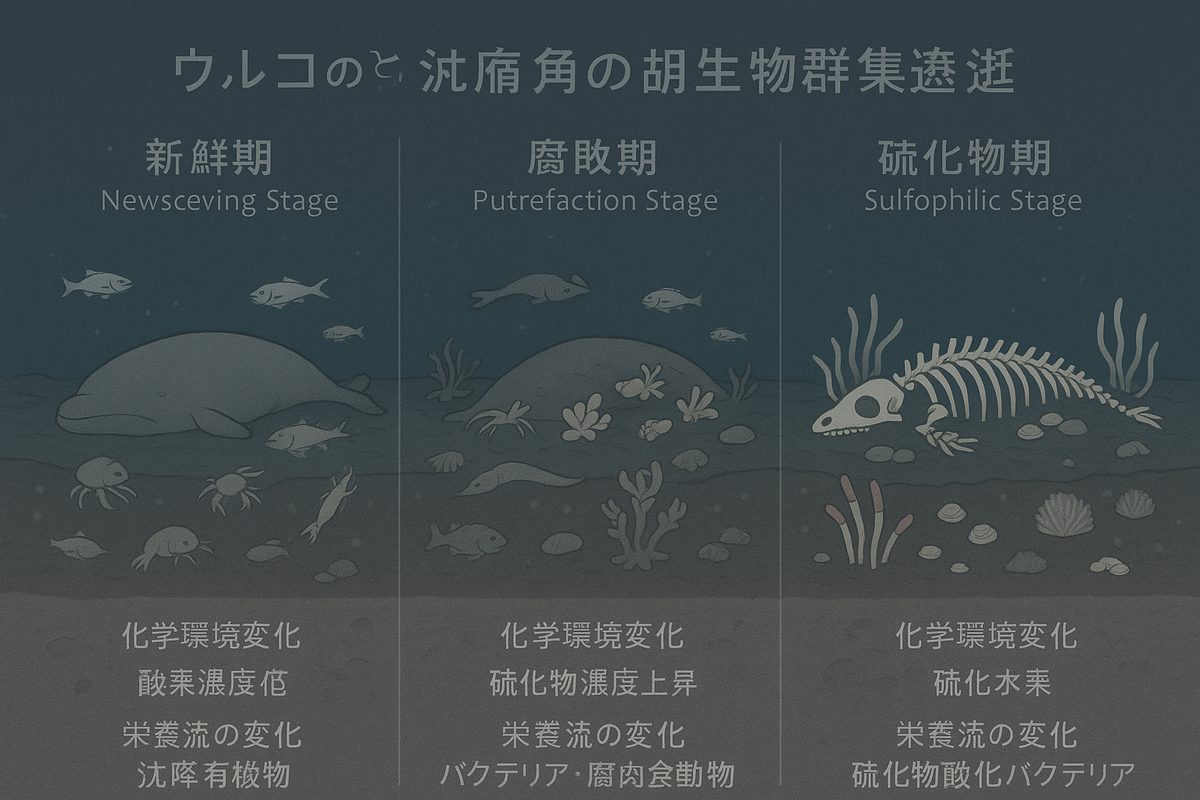
Rapid Aggregation at Carcasses
The carcasses of large animals are a precious source of nutrition for the deep sea. Deep-sea creatures have developed strategies to rapidly detect carcasses and utilize them efficiently:
- Chemical tracking: Long-distance detection of chemicals released from carcasses
- Group feeding: Rapid feeding by large numbers of individuals
- Improved digestive efficiency: Maximizing nutrient intake in a short time
- Storage strategies: Storing excess intake within the body
Optimization of Metabolic Efficiency
In a nutrient-limited environment, maximizing the efficiency of nutrient utilization is critical.
Reduced Basal Metabolism
Deep-sea creatures show extremely low basal metabolic rates:
Nutrient Storage Strategies
To cope with irregular nutrient supply, efficient storage systems have developed:
- Large-scale lipid accumulation: Storage in energy-dense lipids
- Specialized storage organs: Enlargement of the liver or fat bodies
- Protein recycling: Efficient reuse of body proteins
- Calcium storage: Pre-accumulation of shell-forming materials
Reproduction and Development Strategies: Ensuring the Next Generation in Extreme Environments
Sustaining a species in the harsh deep-sea environment is one of the greatest challenges organisms face. As an expert in marine biology, I will explain in detail the unique reproductive and developmental strategies of deep-sea creatures.
The Difficulty of Finding Mates and Solutions
In the low-density environment of the deep sea, simply finding a mate of the same species is itself a difficult challenge. Deep-sea creatures have solved this problem through the following strategies.
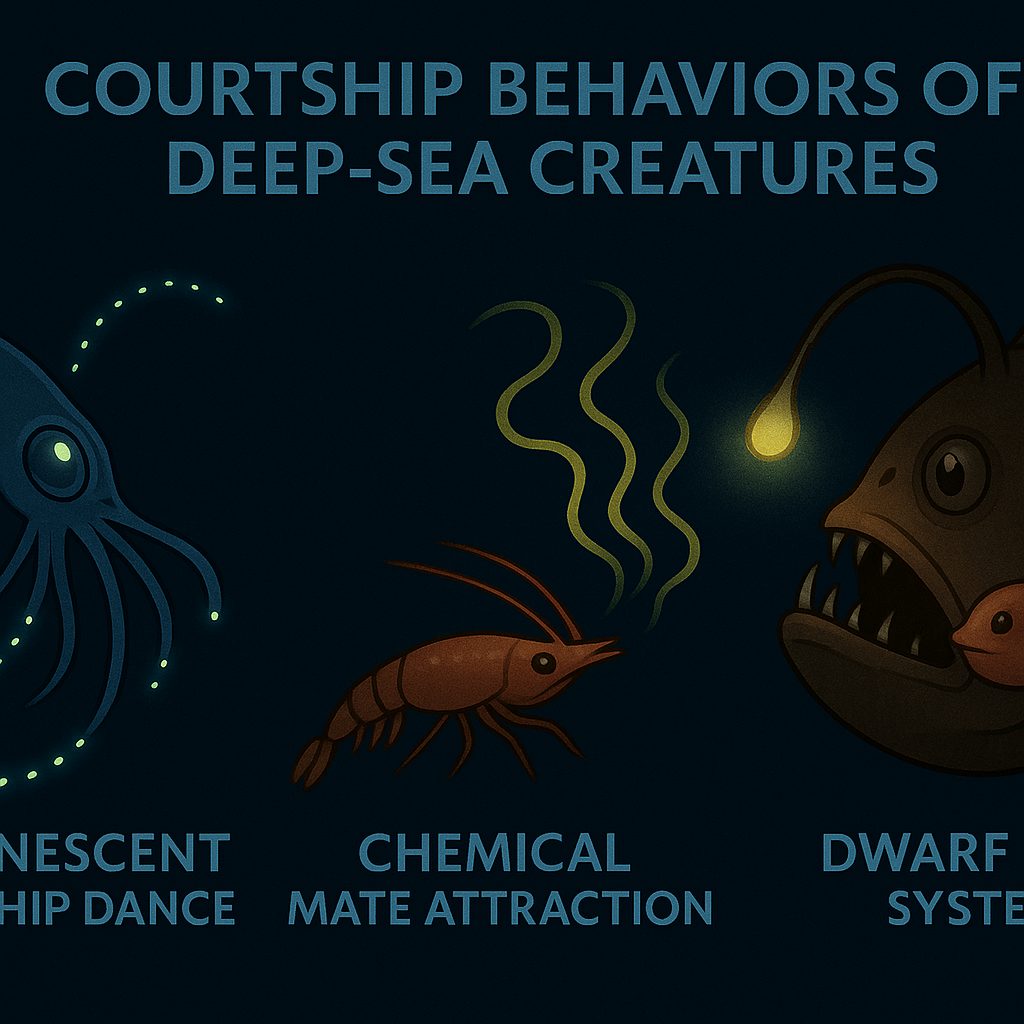
Chemical Mate Attraction
In the darkness of the deep sea, chemical signals are the primary means of finding a mate:
Chemical Mate Attraction in Deep-Sea Creatures
| Organism Group | Attractant Substance | Effective Distance | Specificity | Sexual Dimorphism | Strategic Characteristics |
|---|---|---|---|---|---|
| Deep-sea fish | Sex pheromones | 100m–1km | Species-specific | Females attract | Enlargement of females |
| Deep-sea crustaceans | Molting attractants | 10–100m | High | Males forage | Development of male sensory organs |
| Deep-sea cephalopods | Amino acid mixtures | 1–10m | Moderate | Bidirectional | Combined with bioluminescence |
| Deep-sea echinoderms | Gamete attractants | 1–10m | Extremely high | Simultaneous release | Group synchronization |
Courtship Through Bioluminescence
Many deep-sea creatures perform complex courtship behavior using luminous patterns:
- Species-specific luminous patterns: Species identification through flash frequency and color
- Sexually dimorphic luminescence: Different arrangements of luminous organs between males and females
- Courtship dances: Combining luminescence with swimming behavior
- Luminous intensity control: Adjusting light intensity according to distance from a partner
Extreme Sexual Dimorphism
In the deep sea, the life strategies of males and females often differ greatly, and extreme sexual dimorphism has developed.
The Dwarf Male System
The most extreme example is the dwarf male system found in some deep-sea anglerfish:
The Dwarf Male System in Deep-Sea Anglerfish
| Developmental Stage | Male Size | Female Size | Male Behavior | Physiological State |
|---|---|---|---|---|
| Juvenile stage | 5–15mm | 5–15mm | Free-swimming | Independent feeding |
| Early maturity | 15–30mm | 50–200mm | Searching for a female | Specialized for mate-searching |
| Parasitic stage | 20–40mm | 200–1000mm | Attaches by biting onto the female | Onset of nutritional dependence |
| Fusion stage | Degenerated | Over 1000mm | Gonads only | Complete parasitism |
Research on the reproduction of deep-sea anglerfish is investigating the molecular mechanisms of this dwarf-male system, including the processes of male immune suppression and tissue fusion.
Protogynous (Female-First) Sex Change System
In some deep-sea creatures, individuals undergo a sex change over the course of their lives:
- Juvenile stage: functions as male: Small in size and highly mobile
- After growth: changes to female: Grows larger to maximize reproductive efficiency
- Environmental responsiveness: Sex-change control depending on population density
- Hormonal control: Sex-change induction due to environmental stress
Diversification of Developmental Strategies
Reproductive success in the deep-sea environment depends critically on the larval survival strategy. Deep-sea creatures have developed diverse developmental strategies.
Direct Development vs. Indirect Development
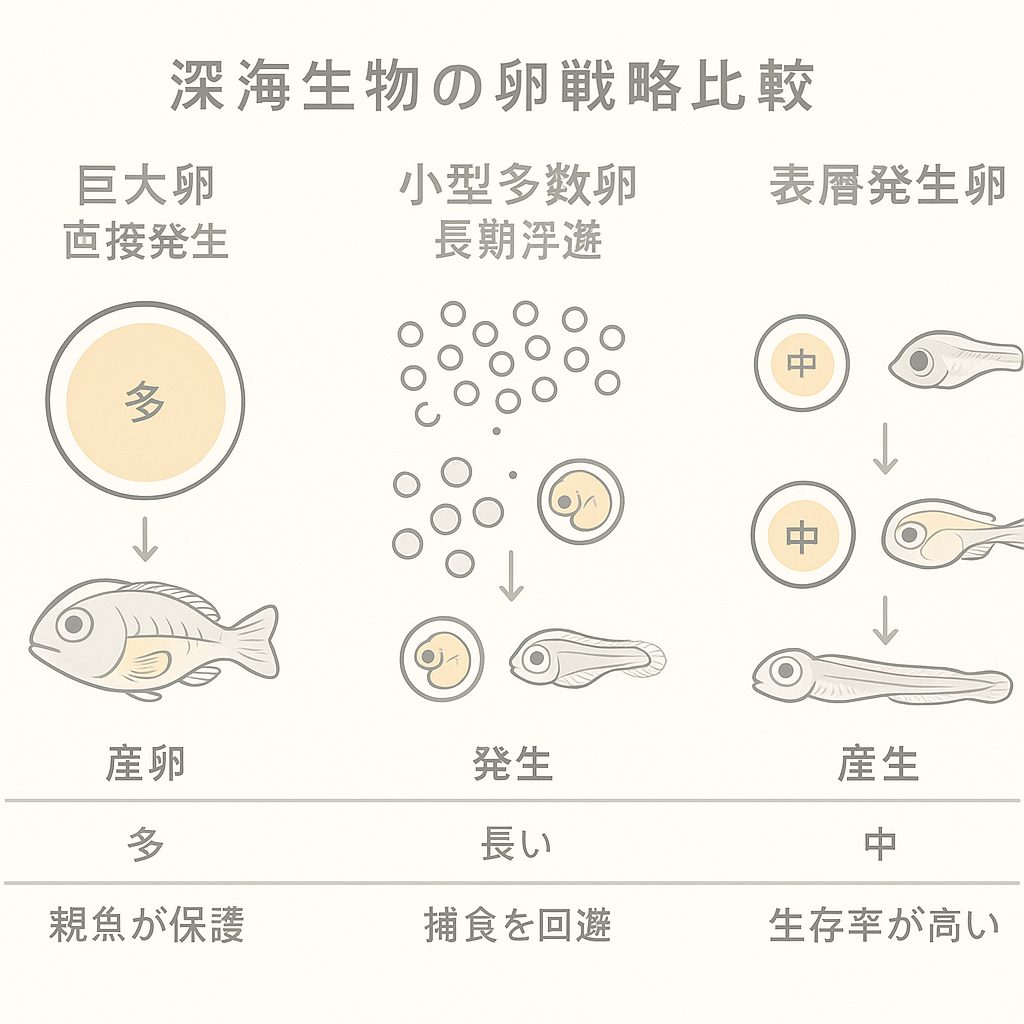
Developmental Strategies of Deep-Sea Creatures
| Development Type | Larval Period | Dispersal Distance | Energy Investment | Survival Rate | Representative Example |
|---|---|---|---|---|---|
| Direct development | None | Extremely short | High (large egg size) | High | Deep-sea amphipod (Hirondellea gigas) |
| Short-term pelagic | Days to weeks | Short | Moderate | Moderate | Bathymodiolus mussel |
| Long-term pelagic | Months to a year | Long | Low (many eggs) | Low | Some deep-sea sea urchins |
| Surface development | Weeks to months | Extremely long | Moderate | Extremely low | Deep-sea crab species |
The Giant Egg Strategy
Many deep-sea creatures adopt a strategy of producing a small number of large eggs:
- Nutrient accumulation: Supplying nutrition through a large amount of yolk
- Accelerated development: Completing development in a short period
- Improved survival rate: Substantially improving early-stage survival
- Direct development: Ensuring safety by skipping the larval stage
Development of Brooding Behavior
In the harsh deep-sea environment, parental brooding behavior has a decisive impact on larval survival.
Mouthbrooding
Some deep-sea fish protect their eggs or fry inside their mouths:
- Oxygen supply: Supplying oxygen to the embryos via gill respiration
- Temperature regulation: Stabilizing the developmental environment using the parent's body heat
- Predator avoidance: Improving survival through physical protection
- Nutrient supply: Secretion of nutritive substances by the parent
Burrow Brooding
Some species dig burrows in the seafloor and breed there:
Burrow-Brooding Systems of Deep-Sea Creatures
| Species | Burrow Depth | Burrow Shape | Brooding Period | Parental Investment | Success Rate |
|---|---|---|---|---|---|
| Deep-sea crab species | 10–50cm | U-shaped | 2–6 months | Female alone | High |
| Deep-sea shrimp species | 5–20cm | Straight | 1–3 months | Male and female cooperate | Moderate |
| Deep-sea polychaetes | 20–100cm | Branched | 3–12 months | Group | High |
Synchronization of Reproductive Timing
In a low-density environment, population-level synchronization of reproduction is important for reproductive success.
Synchronization via Environmental Signals
Deep-sea creatures sense subtle environmental changes and synchronize their reproductive timing:
- Water temperature fluctuations: Recognizing seasons through slight temperature changes
- Changes in ocean currents: Judging timing based on changes in deep currents
- Food supply: Quantitative changes in marine snow
- Geomagnetic variation: Recognizing timing through changes in the Earth's magnetic field
Population Synchronization via Pheromones
A mechanism by which chemical signals synchronize reproduction across an entire population:
- Aggregation pheromones: Promoting the gathering of reproductive individuals
- Maturation-promoting substances: Inducing sexual maturity in other individuals
- Spawning synchronization substances: Synchronizing the timing of gamete release
- Inhibitory pheromones: Suppressing excessive reproduction
Conclusion: The Possibilities of Life Learned from Deep-Sea Creatures
Through our analysis of the remarkable adaptation strategies of deep-sea creatures, the breadth of life's possibilities and the wonder of its adaptive capacity have become clear. As a science writer, I will summarize the significance these findings hold for modern society and their implications for the future.
An Integrated Understanding of Adaptation Strategies
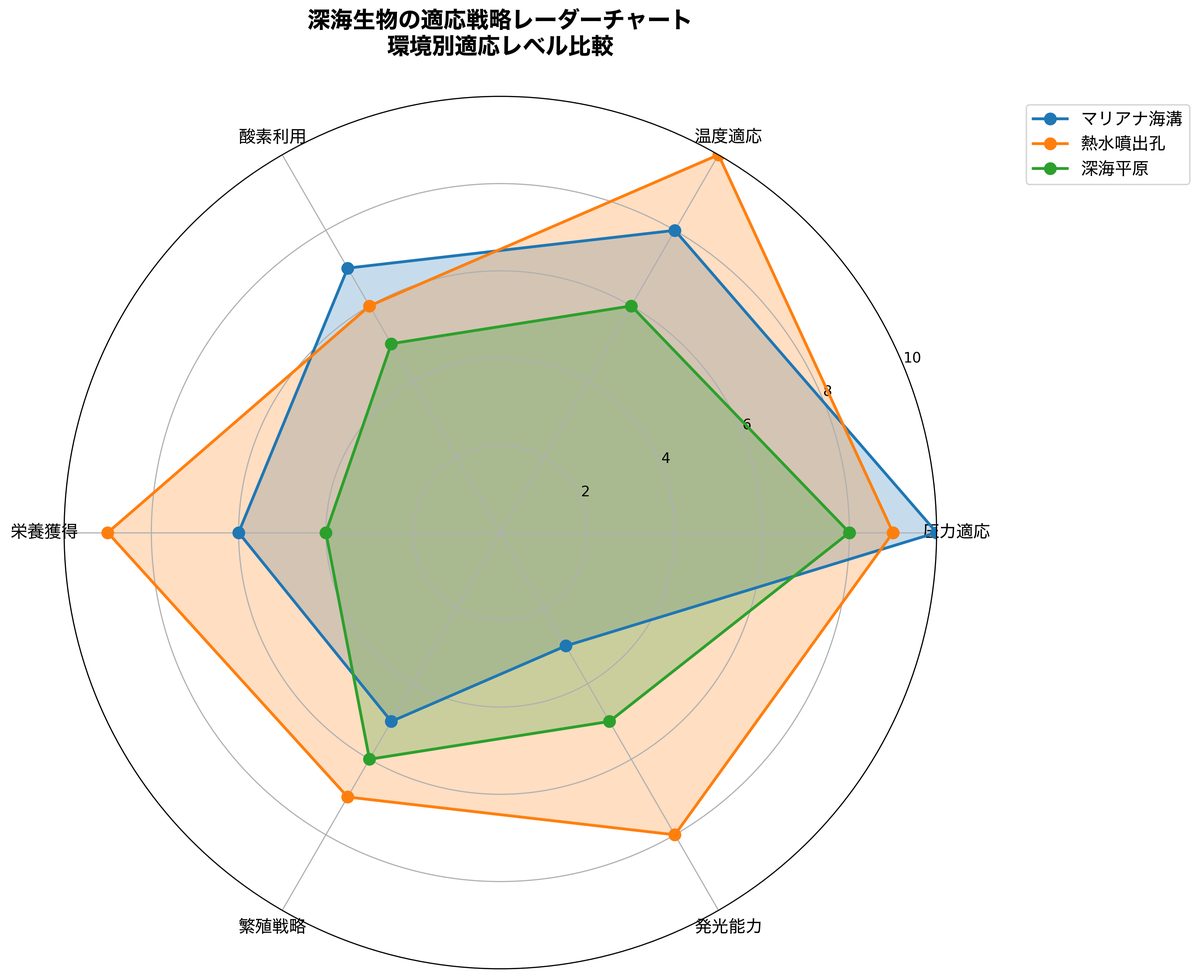
The adaptation strategies of deep-sea creatures analyzed in this article do not function in isolation; rather, they operate as an integrated system of mutually related mechanisms.
Interrelationships Among Deep-Sea Adaptation Strategies
| Environmental Factor | Primary Adaptation | Related Adaptations | System-Level Effect |
|---|---|---|---|
| Extreme pressure | Piezoproteins | Specialized membrane lipids, enhanced DNA repair | Overall maintenance of cell function |
| Extreme cold | Antifreeze proteins | Cold-adapted enzymes, membrane fluidity regulation | Continuation of metabolic activity |
| Complete darkness | Bioluminescence | Ultra-sensitive vision, non-visual senses | Information-processing system |
| Nutrient limitation | Chemosynthetic symbiosis | Low metabolism, efficient feeding | Optimization of energy acquisition and use |
| Low population density | Chemical mate-finding | Luminous courtship, brooding behavior | Ensuring reproductive success |
Potential Applications in Science and Technology
The adaptation mechanisms of deep-sea creatures hold the potential to contribute to advances in science and technology across multiple fields.
Applications in Medicine and Pharmacology
Medical Applications Derived from Deep-Sea Creatures
| Deep-Sea Creature Trait | Medical Application | Expected Effect | Development Stage | Expected Practical Use |
|---|---|---|---|---|
| Pressure-adapted enzymes | Assisting high-pressure treatment | Improved treatment of decompression sickness | Basic research | 2030s |
| Antifreeze proteins | Organ preservation technology | Improved transplant success rates | Preclinical trials | 2025–2030 |
| Bioluminescence systems | Bioimaging | Non-invasive diagnostics | In clinical application | Already in practical use |
| Chemosynthetic metabolism | Anaerobic therapy | New cancer treatment methods | Basic research | 2035 and beyond |
| DNA repair mechanisms | Anti-aging therapy | Lifespan-extension technology | Basic research | 2040 and beyond |
The Field of Biotechnology
The special capabilities of deep-sea creatures may bring innovation to industrial biotechnology:
- Extremophile enzymes: Industrial processes under high pressure, low temperature, and high salinity
- Bioluminescence technology: Energy-saving lighting systems
- Chemosynthesis technology: A chemical industry not dependent on petroleum
- Biomaterial technology: Development of high-strength, lightweight materials
Applications in Environmental Technology
The adaptation strategies of deep-sea creatures can also contribute to solving environmental problems:
- Extreme-environment purification: Waste treatment under high pressure and low temperature
- Deep-sea resource recovery: Efficient recovery of deep-sea mineral resources
- Carbon dioxide fixation: Carbon fixation technology through chemosynthesis
- Biological filtration systems: Water treatment technology modeled on deep-sea organisms
Contributions to Astrobiology
Research on deep-sea creatures provides extremely important guidance for the search for extraterrestrial life.
Similarities with Extraterrestrial Environments
The deep-sea environment shares many features in common with extraterrestrial environments within our solar system:
Comparison of Deep-Sea and Extraterrestrial Environments
| Extraterrestrial Environment | Similar Deep-Sea Environment | Common Features | Expected Life Forms |
|---|---|---|---|
| Europa's subsurface ocean | Polar deep sea | Low temperature, high pressure, darkness | Chemosynthetic organisms |
| Enceladus's ocean | Hydrothermal vents | Chemosynthesis, thermal gradients | Hyperthermophile-like organisms |
| Titan's hydrocarbon seas | Deep-sea chemical environments | Specialized chemical environments | Non-aqueous-solvent organisms |
| Mars's subsurface ocean | Deep-sea sediment layers | High salinity, low temperature, chemosynthesis | Extremophile bacteria |
In astrobiology research, it is being discussed whether the high-pressure-adapted proteins of deep-sea creatures (referred to in this article as "piezoproteins") could also function in high-pressure subsurface oceans such as that of Jupiter's moon Europa.
Applications to Life-Detection Technology
Detection and analysis technologies developed for deep-sea creatures are also being directly applied to space exploration:
- Extreme-environment sensors: Detecting life under high pressure and low temperature
- Chemosynthesis detection technology: Methods for discovering non-photosynthetic life
- Bioluminescence detection: An indicator of biological activity in dark environments
- DNA analysis technology: Genomic analysis in extreme environments
A Transformation in Our View of Life
Research on deep-sea creatures is fundamentally transforming our understanding of life.
Expanding the Definition of Life
Phenomena that cannot be explained by conventional concepts of life are being discovered one after another:
- Non-photosynthetic ecosystems: Life systems that do not depend on solar energy
- Adaptation to extreme physical environments: Survival in conditions once considered impossible
- Extreme longevity: Lifespans exceeding several hundred to a thousand years
- Dormancy and revival: Cessation and resumption of biological activity under extreme conditions
New Perspectives on Evolutionary Theory
The adaptations of deep-sea creatures are bringing new insights to evolutionary theory:
- Evolutionary speed in extreme environments: Rapid evolution under intense selective pressure
- The complexity of coevolution: Simultaneous evolution of hosts and symbiotic bacteria
- The importance of neutral evolution: Genetic drift in low-density environments
- Environmental plasticity: Adaptation without accompanying genetic change
Implications for Conservation and Sustainable Use
Understanding the diversity and importance of deep-sea creatures is also influencing marine conservation policy.
Valuing Deep-Sea Ecosystems
Deep-sea ecosystems have traditionally been undervalued, but their true worth is becoming increasingly clear:
Deep-Sea Ecosystem Services
| Service Category | Specific Function | Estimated Economic Value | Substitutability |
|---|---|---|---|
| Regulating services | Carbon fixation, climate regulation | Trillions of yen annually | Difficult |
| Provisioning services | Genetic resources, biochemical substances | Hundreds of billions of yen annually | Partial |
| Cultural services | Scientific and educational value | Difficult to assess | Impossible |
| Supporting services | Nutrient cycling, ecosystem maintenance | Trillions of yen annually | Impossible |
Principles of Sustainable Use
The following principles are important for the sustainable use of deep-sea biological resources:
- Precautionary principle: A cautious approach that accounts for uncertainty
- Ecosystem-based management: Conserving entire ecosystems rather than individual species
- Adaptive management: Continuous improvement of management methods based on new findings
- International cooperation: International collaboration in managing resources in the high seas
Outlook for the Future
Deep-sea biology is a rapidly developing field, and many further discoveries and applications are expected.
The Potential for New Discoveries Through Technological Advancement
Advances in technology are making research that was once impossible increasingly feasible:
- Deep-sea exploration technology: Discovering organisms in even deeper waters
- In situ analysis technology: Molecular-level analysis conducted on-site
- Long-term monitoring systems: Fully elucidating the life histories of deep-sea creatures
- Genome-editing technology: Functional analysis of deep-sea adaptation genes
The Importance of Interdisciplinary Research
Further advances in deep-sea biology require collaboration across multiple disciplines:
- Physics: Physical understanding of extreme environments
- Chemistry: Analysis of chemosynthesis and biomolecules
- Engineering: Development of deep-sea exploration and analysis technology
- Information science: Analysis and prediction using large-scale data
- Social science: Formulating policies for sustainable use
Final Message
What has become clear through research on deep-sea creatures is the astonishing adaptive capacity and diversity of life. Organisms that thrive in what is considered one of the harshest environments on Earth demonstrate the breadth of life's possibilities, while also holding the potential to provide solutions to the various challenges humanity faces.
The adaptation strategies that evolved under the combined extreme conditions of extreme pressure, extreme cold, complete darkness, and nutrient limitation are expected to find applications across a wide range of fields, from medicine and engineering to environmental science and even astrobiology.
At the same time, conservation efforts to pass these precious biological resources on to future generations are also important. The deep sea is one of the last frontiers on Earth, and the creatures that live there are also important witnesses to the history of life on this planet.
Research on deep-sea creatures goes beyond mere academic interest, holding significance directly connected to humanity's future and the preservation of the global environment. By learning from these small creatures, we can come to understand the true possibilities of life and build a more sustainable and prosperous future.
References
- Jamieson, A.J. "The Hadal Zone: Life in the Deepest Oceans" Cambridge University Press, 2015
- Van Dover, C.L. "The Ecology of Deep-Sea Hydrothermal Vents" Princeton University Press, 2000
- Herring, P. "The Biology of the Deep Ocean" Oxford University Press, 2002
- Martini, S. & Haddock, S.H.D. "Quantification of bioluminescence from the surface to the deep sea demonstrates its predominance as an ecological trait" Scientific Reports, 7, 45750, 2017
- Bartlett, D.H. "Pressure effects on in vivo microbial processes" Biochimica et Biophysica Acta, 1595, 2002
- Japan Agency for Marine-Earth Science and Technology (JAMSTEC) official website (research on the deep sea, hydrothermal vents, and deep-sea creatures)