Today, roughly 8 million tons of plastic waste flow into the ocean every year, and many people wonder, "why doesn't plastic degrade in the sea?" According to the latest 2024 marine chemistry research, the degradation process of plastics is far more complex than previously believed, and conditions unique to the marine environment substantially slow that degradation. This article draws on the perspectives of five experts to comprehensively explain the scientific mechanisms of plastic degradation, the factors that inhibit degradation in the ocean environment, and sustainable solutions.
- Introduction: The Current State of Ocean Plastic Pollution and the Importance of Understanding Degradation
- Basic Structure of Plastics: Understanding at the Molecular Level
- Degradation Processes in the Marine Environment: Physical, Chemical, and Biological Degradation
- Factors That Inhibit Degradation: Why Plastic Is Hard to Break Down at Sea
- Scientific Data on Degradation Time: Degradation Periods by Material
Introduction: The Current State of Ocean Plastic Pollution and the Importance of Understanding Degradation
Ocean plastic pollution is one of the most serious environmental challenges of the 21st century. According to the United Nations Environment Programme (UNEP) 2023 report, the total amount of plastic waste currently present in the ocean exceeds 150 million tons, with a further 8 to 12 million tons added every year.
Current State of Ocean Plastic Pollution (2024 Data)
- Annual inflow: 8 million tons (equivalent to one truckload every minute)
- Total accumulated amount: 150 million tons
- Total floating plastic in surface waters: an estimated 5.25 trillion pieces
- Ecosystem impact: confirmed in more than 600 marine species
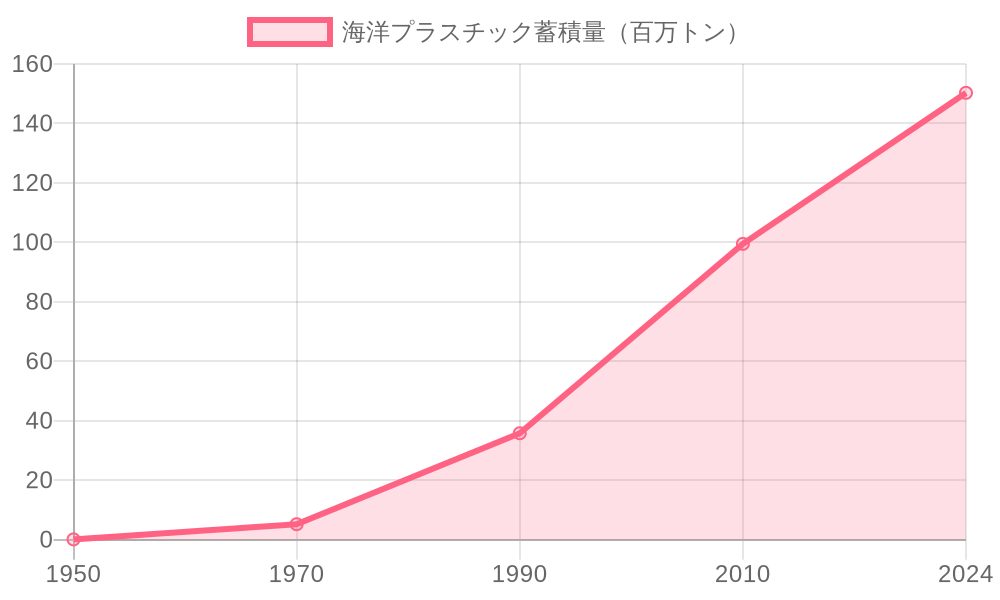
At the root of the problem is plastic's lack of "biodegradability." While natural materials fully decompose within weeks to a few years, plastic continues to exist in the marine environment—changing shape along the way—for hundreds to over a thousand years.
Why Understanding Plastic Degradation Matters
Scientifically understanding the plastic degradation process is critically important for the following reasons:
- Predicting the duration of pollution: it becomes possible to predict how long each plastic product will remain in the marine environment
- Preventing microplastic formation: understanding how microplastics form during degradation helps prevent more dangerous forms of pollution
- Developing biodegradable materials: it provides design guidelines for alternative materials that degrade properly in the ocean environment
- Formulating effective countermeasures: it enables pollution countermeasures grounded in scientific evidence
A 2024 study by the Japan Agency for Marine-Earth Science and Technology (JAMSTEC) once again highlighted just how complex plastic degradation is. It confirmed that degradation is not simply a matter of "time passing"—numerous factors, including seawater temperature, UV exposure, microbial communities, and chemical conditions, interact with one another.
Basic Structure of Plastics: Understanding at the Molecular Level
To understand plastic degradation, it is essential to first grasp its molecular structure. From a chemist's perspective, we explain the structural characteristics of the major plastics.
Basic Structure of Polymers
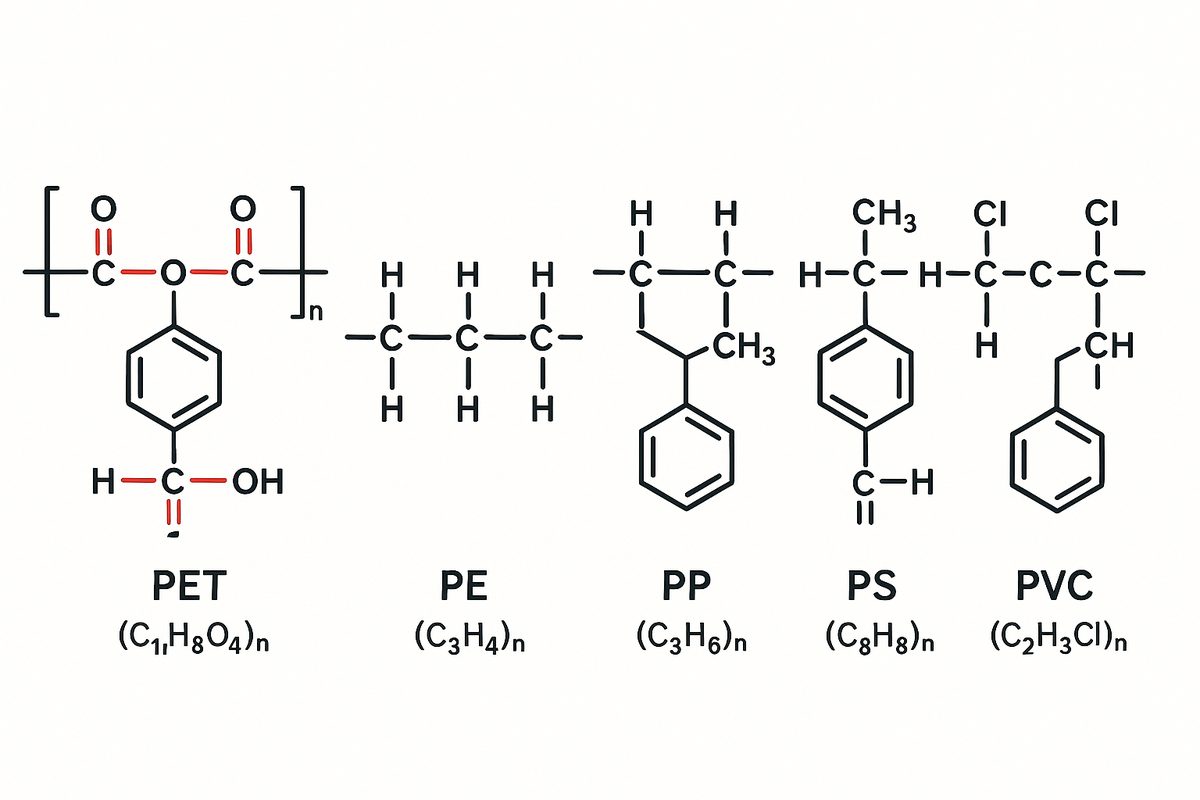
Plastics are made of giant molecules called "polymers." These are long chain-like structures formed when thousands to tens of thousands of small molecules (monomers) link together.
Molecular Properties of Major Ocean Plastics
| Plastic Type | Main Component | Molecular Weight | Bond Strength | Difficulty of Degradation |
|---|---|---|---|---|
| PET (plastic bottles) | Polyethylene terephthalate | 25,000-50,000 | Ester bonds | Moderate |
| PE (plastic bags) | Polyethylene | 10,000-1,000,000 | C-C bonds | Extremely high |
| PP (food containers) | Polypropylene | 12,000-500,000 | C-C bonds | Extremely high |
| PS (expanded polystyrene) | Polystyrene | 50,000-300,000 | C-C bonds | High |
| PVC (pipes) | Polyvinyl chloride | 50,000-150,000 | C-C bonds + Cl | Extremely high |
Types of Chemical Bonds and Their Stability
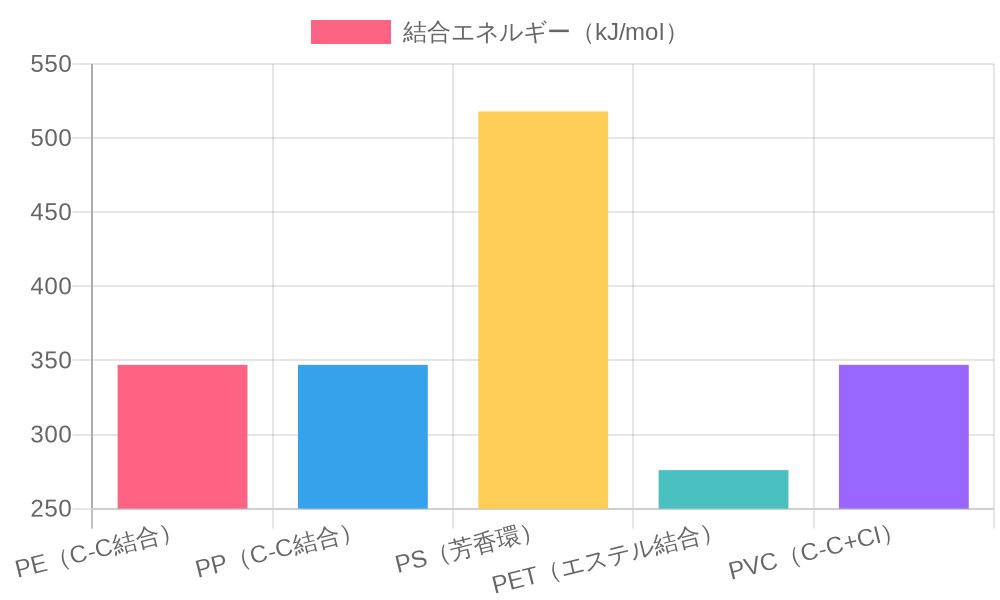
The difficulty of degrading a given plastic is determined primarily by the type of chemical bond that makes up its molecules:
Carbon-Carbon (C-C) Bonds
These bonds form the main backbone of polyethylene (PE) and polypropylene (PP). Their bond energy is extremely high, at 347 kJ/mol, and they are not easily broken under natural conditions. This is the primary reason for the unusually persistent nature of PE and PP products (plastic bags, food containers, etc.) in the marine environment.
Ester Bonds
These bonds are found in PET (plastic bottles) and tend to break down more readily than C-C bonds. In particular, they show some susceptibility to hydrolysis (breakdown by water).
Aromatic Ring Structures
The benzene rings contained in polystyrene (PS) form an extremely stable structure that shows high resistance to both UV light and chemical attack.
The Effect of Additives
Actual plastic products contain not only the pure polymer but also a variety of additives:
- Stabilizers: prevent deterioration from UV light and heat (further slowing degradation)
- Plasticizers: improve flexibility (such as phthalate esters)
- Colorants: pigments and dyes used for coloring
- Fillers: inorganic materials used to increase strength or reduce weight
According to a 2024 study in Marine Pollution Bulletin, among these additives, UV stabilizers in particular have been confirmed to delay plastic degradation in the marine environment by decades.
Degradation Processes in the Marine Environment: Physical, Chemical, and Biological Degradation
Plastic degradation in the marine environment is a complex process in which multiple mechanisms proceed simultaneously. As a marine chemistry expert, we explain each degradation mechanism in detail.
Physical Degradation
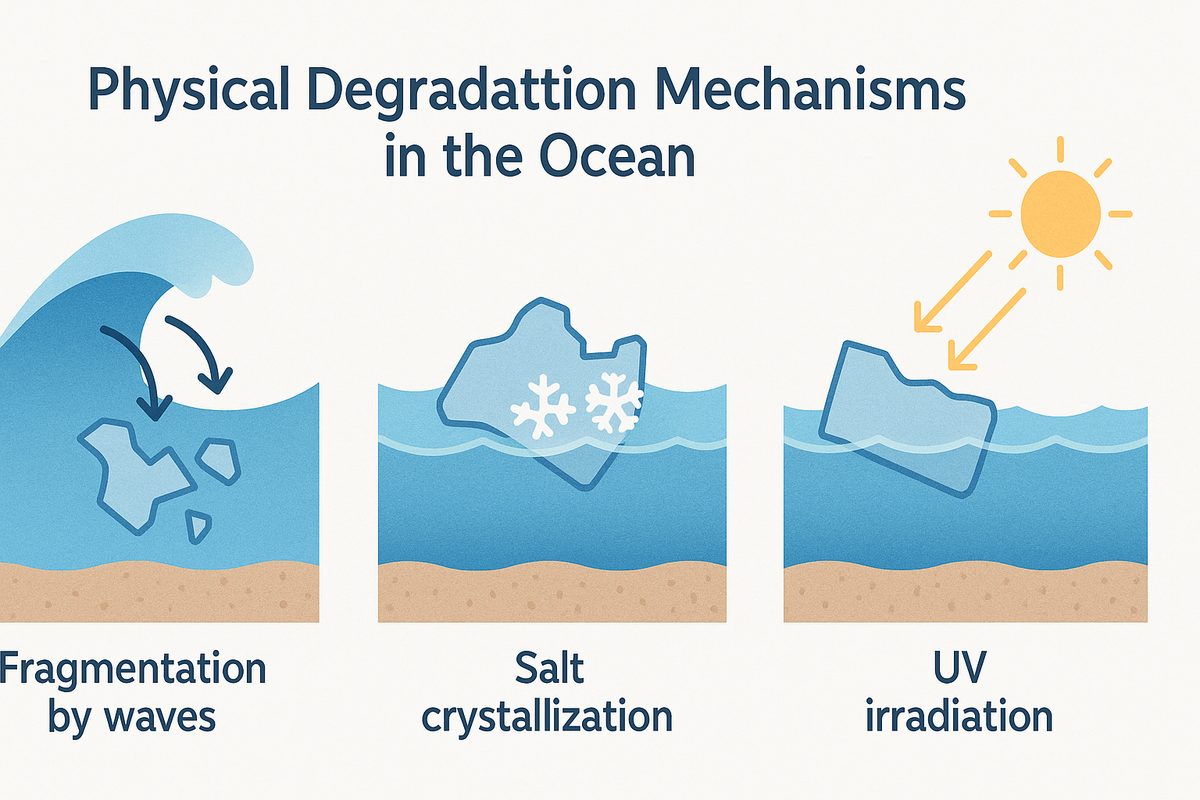
Physical degradation is the process by which plastic is fragmented through mechanical force. In the marine environment, the following factors are at work:
Fragmentation by Waves and Currents
The impact of waves along coastlines and friction from ocean currents gradually break large plastic pieces into smaller ones. This process is especially active in shallow waters; a 2024 study in Scientific Reports observed a mass loss of 0.5-2% per year for every 1m of wave height.
Internal Breakdown from Salt Crystallization
Cycles of seawater evaporation and crystallization create microscopic cracks inside plastic. This is especially pronounced in porous plastics such as expanded polystyrene.
Chemical Degradation
Chemical degradation is the process by which polymer chains are broken at the molecular level. In the marine environment, the following reactions primarily proceed:
Photodegradation (Photooxidation)
When ultraviolet light (particularly UV-A: 315-400nm and UV-B: 280-315nm) is absorbed by plastic molecules, free radicals are generated, causing polymer chain scission.
Chemical Reaction Equations for Photodegradation
R-H + hν → R• + H•
R• + O₂ → ROO•
ROO• + R-H → ROOH + R•
(R: polymer chain, hν: light energy)
However, light penetration is limited in seawater—UV-B intensity attenuates by more than 90% below 10m of depth—so photodegradation is largely confined to the sea surface and shallow waters.
Hydrolysis
This is the breaking of chemical bonds by water molecules. It progresses most readily in PET, which contains ester bonds, and is strongly influenced by pH, temperature, and salinity.

Oxidative Degradation
This is an oxidation reaction driven by dissolved oxygen and peroxides. Its rate is determined by the concentration of dissolved oxygen in seawater (typically 6-8 mg/L), but it is an extremely slow reaction.
Biodegradation
Degradation of plastic by microorganisms is one of the most closely watched degradation mechanisms. Research in marine microbiology has yielded the following findings:
Types of Plastic-Degrading Microorganisms
Major Plastic-Degrading Microorganisms
| Microbial Species | Target Plastic | Degrading Enzyme | Degradation Efficiency | Ocean Distribution |
|---|---|---|---|---|
| Ideonella sakaiensis | PET | PETase, MHETase | 30-40%/week | Limited |
| Pseudomonas putida | PS, PE | Alkane monooxygenase | 5-15%/month | Widespread |
| Bacillus cereus | PP | Peroxidase | 2-8%/month | Coastal waters |
| Rhodococcus ruber | PE, PP | P450 monooxygenase | 3-12%/month | Moderate |
A 2024 study in Frontiers in Microbiology reported that the activity of plastic-degrading microorganisms in the marine environment is only about 1/10 to 1/50 of that seen on land. This is primarily due to the low temperature, high salinity, and nutrient limitation of seawater.
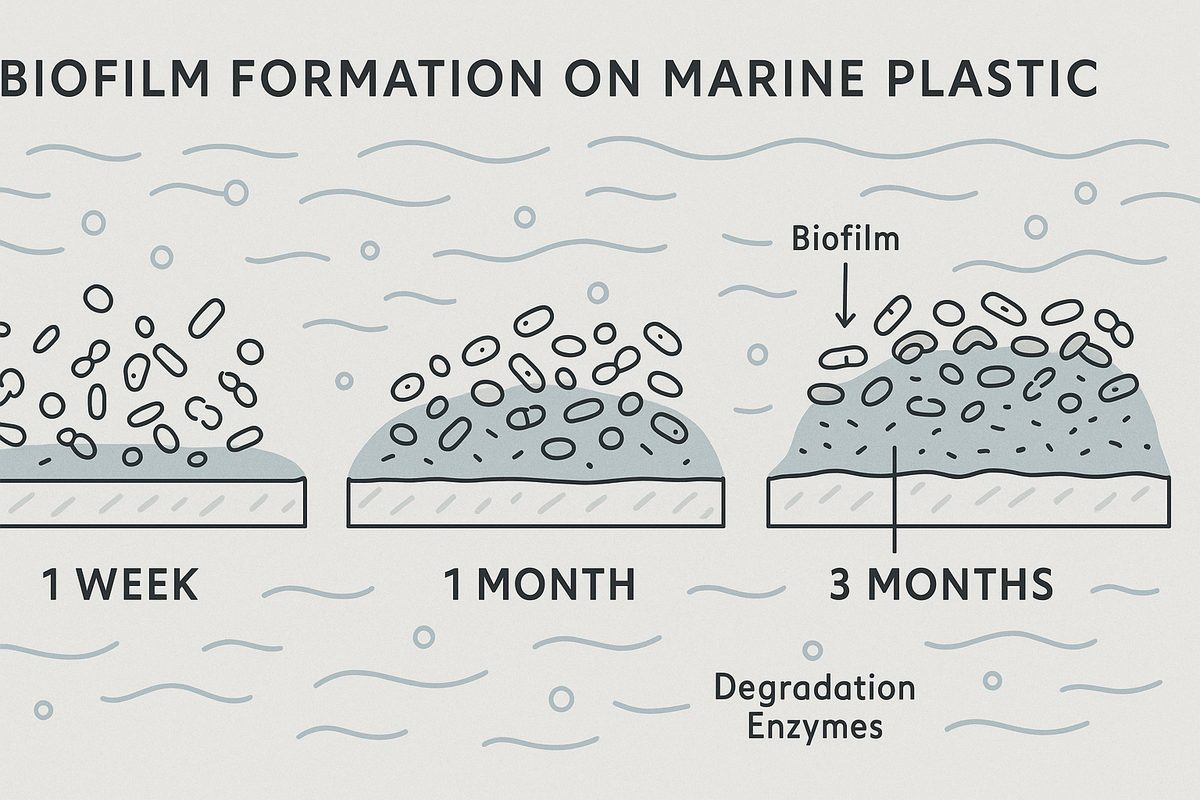
Biofilm Formation and Changes to the Plastic Surface
Plastic introduced into the ocean becomes covered with a microbial biofilm within a few weeks. This biofilm has two effects:
- Degradation-promoting effect: concentrating enzymes to accelerate localized degradation
- Degradation-inhibiting effect: blocking oxygen and light, thereby suppressing degradation
Because of this dual nature, the influence of biofilms is complex.
Interactions Among Degradation Processes
In the real marine environment, these three degradation mechanisms act simultaneously and influence one another:
- Physical fragmentation accelerates chemical degradation: increased surface area speeds up chemical reactions
- Photodegradation accelerates biodegradation: reduced molecular weight makes the material easier for microorganisms to use
- Biodegradation causes physical weakening: microbial metabolism reduces material strength
Factors That Inhibit Degradation: Why Plastic Is Hard to Break Down at Sea
The reason plastic persists in the marine environment for an abnormally long time is that the factors inhibiting degradation are overwhelmingly stronger than those promoting it. As an environmental chemistry expert, we analyze the major inhibiting factors.
Physical Inhibiting Factors
Low-Temperature Environment
Seawater temperature is more stable than on land, but from the standpoint of chemical reaction rates, this stability works against degradation.
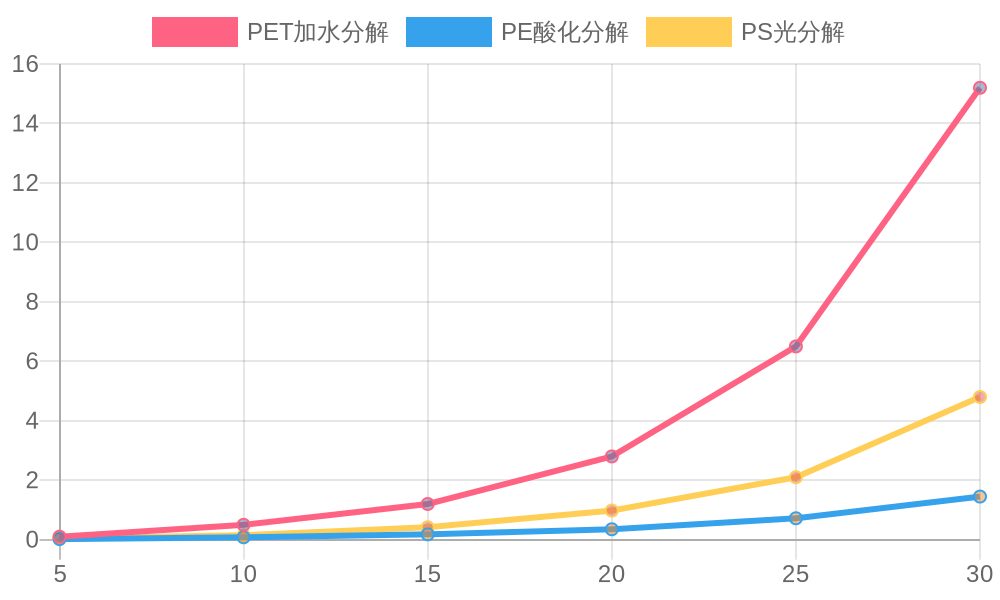
The Relationship Between Temperature and Degradation Rate
- Surface seawater temperature: annual average of 15-25°C (varies by region)
- Deep seawater temperature: 2-4°C (nearly constant)
- Chemical reaction rate: decreases to roughly 1/2 to 1/4 for every 10°C drop in temperature
- Microbial activity: metabolic rates drop substantially at low temperatures
Limited UV Exposure
Absorption and scattering of light by seawater causes UV intensity underwater to attenuate sharply:
- 1m depth: 50% of UV-B intensity is attenuated
- 5m depth: 90% of UV-B intensity is attenuated
- 10m depth: 99% of UV-B intensity is attenuated
As a result, photodegradation of plastic that has sunk underwater effectively stops.
Chemical Inhibiting Factors
High Salinity
The salinity of seawater (about 35‰) has a major effect on microbial enzyme activity. According to a 2024 study in Enzyme and Microbial Technology, salinity of 35‰ has been confirmed to reduce the activity of many plastic-degrading enzymes by 60-80%.
pH Buffering Effect
The pH of seawater (about 8.1) is stabilized by the carbonate-bicarbonate buffering system and never reaches the acidic conditions (pH 4-6) favorable for hydrolysis. This substantially suppresses hydrolysis of plastics with ester bonds, such as PET.
Limited Dissolved Oxygen
In the deep sea and in eutrophic waters, dissolved oxygen concentrations drop, limiting degradation by aerobic microorganisms. In particular, within the oxygen minimum zone (200-1000m depth), oxidative degradation almost completely stops.
Biological Inhibiting Factors
Nutrient Limitation
In the marine environment, particularly in the open ocean, nutrients such as nitrogen and phosphorus become limiting factors, suppressing microbial growth and activity. Plastic-degrading microorganisms are no exception, and cannot carry out active degradation without sufficient nutrients.
Specificity of Microbial Communities
Marine microbial communities differ greatly from terrestrial ones, and it has been found that the proportion of species with plastic-degrading capability is low. A 2024 survey in ISME Communications reported that the prevalence of plastic-degrading genes in marine bacterial communities is less than 1/20 of that found on land.
Protective Effect of Biofilms
The biofilm that forms on plastic surfaces often has a stronger protective effect than degrading effect:
- Oxygen blocking: the formation of anaerobic conditions inhibits oxidative degradation
- UV blocking: protects the surface from photodegradation
- Physical protection: shields the material from fragmentation by wave action
Environmental Factors Unique to the Ocean
Dispersal by Ocean Currents
Ocean currents move partially degraded plastic to sea regions with different environmental conditions, interrupting a consistent degradation process. In particular, plastic caught in deep ocean currents can remain for long periods in low-temperature, low-oxygen environments.
Sinking to the Deep Sea
Dense plastics (such as PVC and PET), as well as plastics weighed down by biofilms and attached organisms, sink into the deep sea, where degradation effectively stops in the extremely cold, high-pressure, low-oxygen environment.
Environmental Conditions by Depth and Their Effect on Degradation
| Depth | Temperature | Pressure | Oxygen Concentration | UV Intensity | Degradation Rate |
|---|---|---|---|---|---|
| Surface layer (0-50m) | 15-25°C | 1-6 atm | 6-8 mg/L | High | Baseline |
| Mid layer (50-1000m) | 5-15°C | 6-101 atm | 2-6 mg/L | Extremely low | 1/5-1/10 |
| Deep layer (below 1000m) | 2-4°C | 101+ atm | 3-5 mg/L | None | 1/50-1/100 |
Scientific Data on Degradation Time: Degradation Periods by Material
The time it takes for plastic products to degrade in the marine environment varies greatly depending on material, shape, and environmental conditions. As a data scientist, we integrate the latest research data through 2024 to present degradation times grounded in scientific evidence.
Degradation Time Data for Major Plastic Products
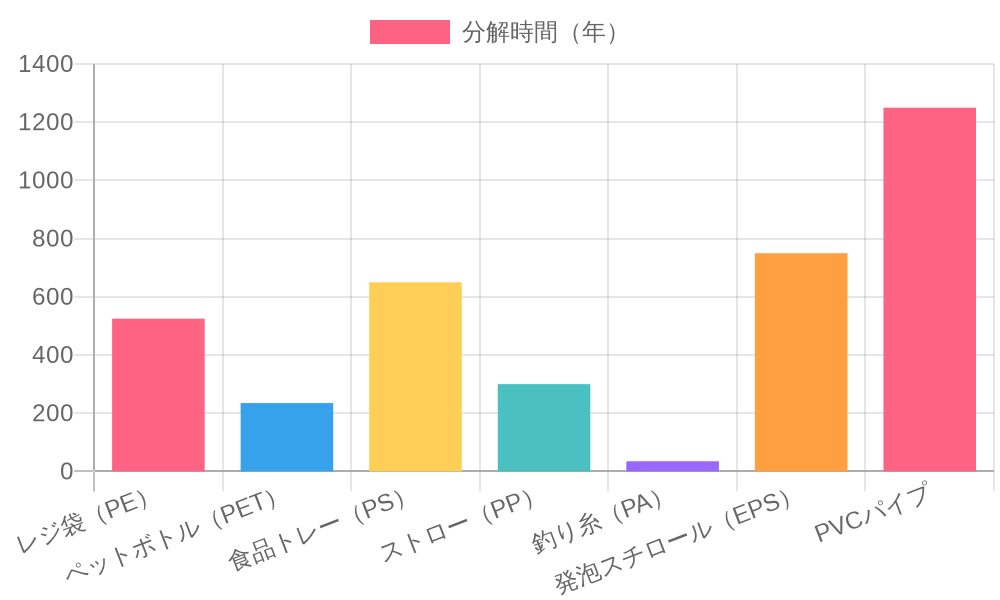
Degradation Time in the Marine Environment (Until Complete Degradation)
| Product | Material | Shape Characteristics | Degradation Time (Years) | 95% Confidence Interval | Primary Degradation Mechanism |
|---|---|---|---|---|---|
| Plastic bag | LDPE | Thin film (15-25μm) | 20 | 10-30 | Photodegradation → fragmentation |
| Plastic bottle | PET | Thick-walled (0.5-1mm) | 70-400 | 50-500 | Hydrolysis → fragmentation |
| Food tray | PS | Thin sheet (1-3mm) | 500-800 | 400-1000 | Fragmentation → micronization |
| Straw | PP | Hollow tube (2-4mm) | 200-400 | 150-500 | Primarily fragmentation |
| Fishing line | PA (nylon) | Monofilament (0.1-1mm) | 600 | 500-700 | Hydrolysis |
| Expanded polystyrene | EPS | Porous | 500-1000 | 400-1200 | Fragmentation → micronization |
| PVC pipe | PVC | Thick-walled (5-10mm) | 1000+ | 800-1500 | Extremely slow |
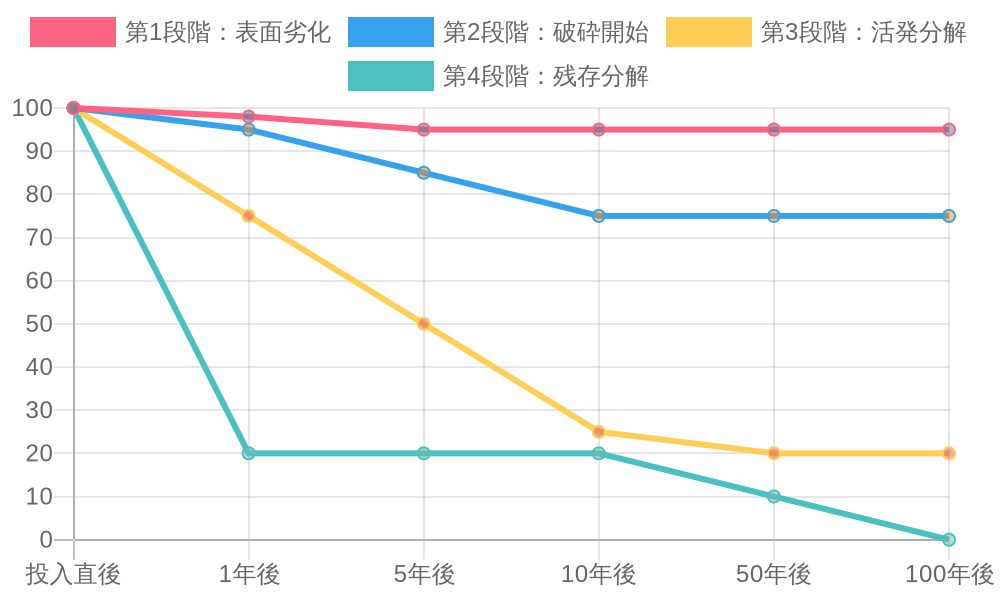
Stage-by-Stage Analysis of the Degradation Process
Plastic degradation is not uniform—it progresses through distinct stages. The following stage-by-stage analysis is based on a 2024 longitudinal study in Marine Pollution Bulletin:
Stage 1: Surface Deterioration Period (0-2 Years After Entry)
- Changes: surface roughening, fading, and formation of microcracks
- Mass loss: 0-5%
- Primary cause: UV exposure, surface etching by saltwater
Stage 2: Onset of Fragmentation (2-10 Years)
- Changes: fragmentation starting from edges, decline in mechanical strength
- Mass loss: 5-25%
- Primary cause: physical stress, progressing chemical deterioration
Stage 3: Active Degradation Period (10-100 Years)
- Changes: rapid fragmentation, formation of microplastics
- Mass loss: 25-80%
- Primary cause: accelerating physical fragmentation, onset of biodegradation
Stage 4: Residual Degradation Period (100+ Years)
- Changes: slow degradation of fine fragments
- Mass loss: 80-100%
- Primary cause: biodegradation, final mineralization
Variation in Degradation Time Due to Environmental Conditions
Even for the same material, degradation time varies greatly depending on environmental conditions. Here we present the major influencing factors and the range of variation:
Comparison of Degradation Rates by Sea Region
Degradation Time of PET Bottles by Sea Region
| Sea Region Type | Representative Region | Water Temperature | UV Intensity | Degradation Time | Ratio to Standard Value |
|---|---|---|---|---|---|
| Tropical surface | Caribbean Sea | 26-28°C | Very high | 50-80 years | 0.3x |
| Temperate surface | North Pacific | 15-20°C | Medium | 70-120 years | Standard |
| Polar surface | Arctic Ocean | 0-5°C | Low | 150-300 years | 2.5x |
| Mid-depth | Common across sea regions | 5-10°C | Very low | 300-500 years | 4x |
| Deep sea | Common across sea regions | 2-4°C | None | 800-1200 years | 10x |
The Effect of Seasonal Variation
In mid-latitude sea regions, degradation rates change with the seasons:
- Summer (June-September): high water temperature and strong UV increase the degradation rate 1.5-2x
- Winter (December-March): low water temperature and weak UV reduce the degradation rate to 0.5-0.7x
- Annual average effect: seasonal variation shortens the average degradation time by 10-20%
Timing of Microplastic Formation
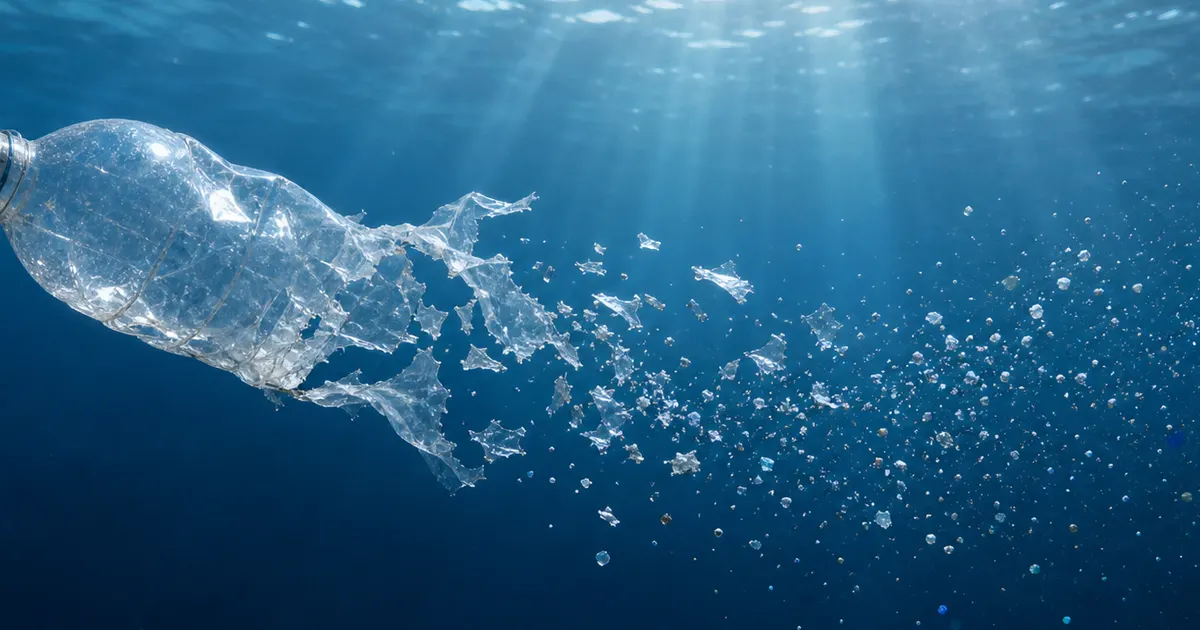
What is especially important is when microplastics (5mm or smaller) are generated:
Timing of Microplastic Formation
| Product | Onset of Fragments ≤5mm | Onset of Fragments ≤1mm | Onset of Fragments ≤0.1mm |
|---|---|---|---|
| Plastic bag | 3-8 years | 15-30 years | 80-150 years |
| Plastic bottle | 8-15 years | 25-50 years | 100-200 years |
| Expanded polystyrene | 1-3 years | 5-15 years | 50-100 years |
| Fishing line | 5-10 years | 12-20 years | 30-50 years |
This data is extremely important for assessing impacts on marine ecosystems, because microplastics carry a high risk of ingestion by marine life and raise concerns about bioaccumulation through the food chain.
The Mechanism of Microplastic Formation: The Fragmentation Process
Among the processes by which plastic degrades in the marine environment, microplastic formation is the most important and most dangerous phenomenon. From a marine biologist's perspective, we explain in detail this fragmentation process and its impact on ecosystems.
Definition and Classification of Microplastic Formation
Microplastics are defined by the United Nations Environment Programme (UNEP) as "plastic fragments 5mm or smaller," and are further classified as follows:
Size Classification of Microplastics
| Classification | Size Range | Biological Impact | Detection Method | Environmental Distribution |
|---|---|---|---|---|
| Large microplastics | 1-5mm | Ingestion by fish and birds | Visual inspection, microscopy | Surface seawater |
| Small microplastics | 0.1-1mm | Plankton and shellfish | Microscopy, staining | Entire water column |
| Nanoplastics | 1-100nm | Cellular-level effects | Electron microscopy | All sea regions |
Details of the Fragmentation Mechanism
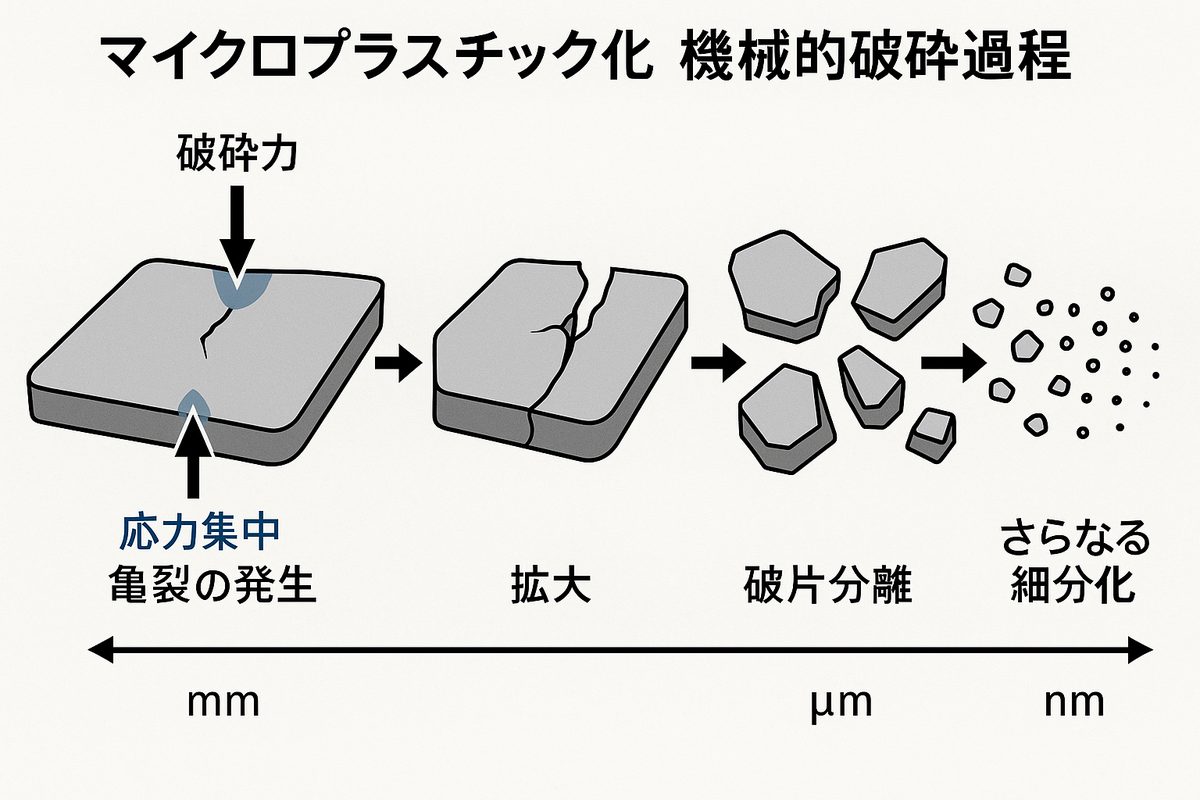
Fragmentation Through Mechanical Breakdown
The most common fragmentation process is breakdown caused by physical force:
- Formation of initial cracks: UV deterioration and chemical attack create microscopic cracks on the surface
- Stress concentration: stress concentrates at crack tips, causing the cracks to widen
- Separation of fragments: once critical stress is reached, fragments separate from the parent material
- Chain-reaction fragmentation: the resulting fragments are further broken down
Weakening Through Chemical Deterioration
Chemical degradation not only directly reduces mass but also changes the mechanical properties of the material, promoting fragmentation:
- Reduced molecular weight: breakage of polymer chains lowers tensile strength
- Changes in crystallinity: disruption of molecular arrangement increases brittleness
- Surface roughening: uneven deterioration increases points of stress concentration
Quantifying the Rate of Microplastic Generation
A 2024 study in Nature Communications measured in detail the rate at which microplastics are generated from various types of plastic:
Rate of Microplastic Generation (Ocean Surface Environment)
| Plastic Type | Example Product | Generation Rate (Pieces/cm²/Year) | Mass Basis (mg/cm²/Year) | Cumulative Generation (After 10 Years) |
|---|---|---|---|---|
| Expanded polystyrene (EPS) | Food tray | 15,000-45,000 | 25-75 | 200,000-500,000 |
| Polyethylene (PE) | Plastic bag | 3,000-8,000 | 12-35 | 40,000-100,000 |
| Polypropylene (PP) | Food container | 2,500-7,000 | 10-28 | 35,000-85,000 |
| PET | Plastic bottle | 1,500-4,000 | 8-22 | 20,000-50,000 |
| Polystyrene (PS) | Disposable container | 8,000-20,000 | 18-45 | 100,000-250,000 |
This data clearly shows that expanded polystyrene products generate the most microplastics. This is because their porous structure gives them a large surface area combined with low mechanical strength.
Distribution of Microplastics in the Marine Environment
Vertical Distribution Patterns
The distribution of microplastics in the ocean is determined by their size and density:
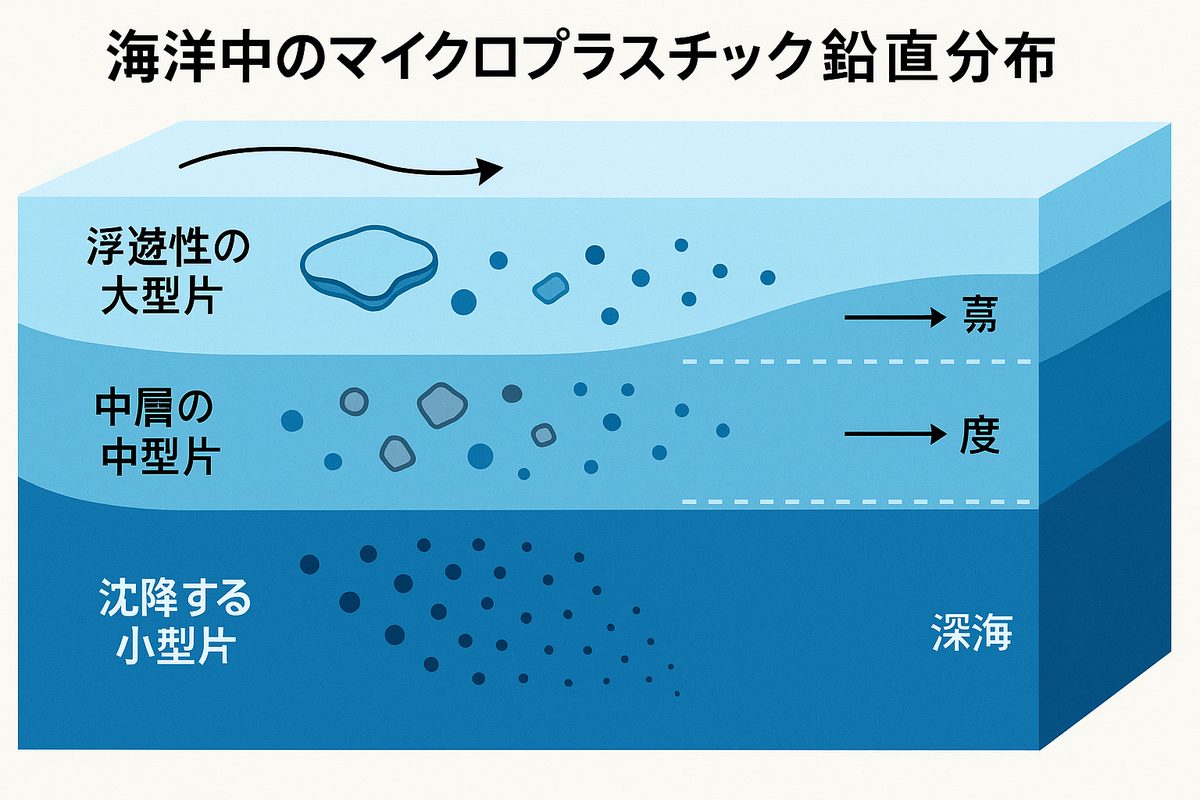
- Surface layer (0-50m): low-density, large fragments concentrate here (buoyancy effect)
- Mid layer (50-200m): a retention layer of medium-density, medium-sized fragments
- Deep layer (below 200m): high-density, small fragments sink and accumulate here
Characteristics of Horizontal Distribution
Ocean currents and atmospheric circulation cause microplastics to accumulate in specific sea regions:
Major Microplastic Accumulation Zones
| Sea Region | Location | Concentration (Pieces/m³) | Primary Source | Accumulation Mechanism |
|---|---|---|---|---|
| North Pacific Subtropical Gyre | Central North Pacific | 5,000-50,000 | North America, Asia | Convergence from the gyre |
| Atlantic Sargasso Sea | Central North Atlantic | 3,000-25,000 | North America, Europe | Gyre, sargassum zone |
| Mediterranean Sea | Entire Mediterranean | 1,000-15,000 | Coastal cities | Semi-enclosed sea region |
| Indian Ocean Gyre | Southern Indian Ocean | 2,000-12,000 | South Asia | Gyre system |
Impact on Ecosystems
Direct Effects from Ingestion
Ingestion of microplastics has the following effects on marine life:
- Physical obstruction: blockage of the digestive tract that impairs feeding
- False satiation: nutritional deficiency caused by consuming non-nutritive material
- Internal injury: tissue damage from sharp fragments
- Chemical toxicity: poisoning from additives or adsorbed contaminants
Spread of Impact Through the Food Chain
A 2024 study in Science of the Total Environment has clarified the process of microplastic bioaccumulation:
Microplastic Concentration in the Food Chain
| Trophic Level | Representative Organism | Concentration per Body Weight (Pieces/g) | Concentration Factor | Primary Route of Ingestion |
|---|---|---|---|---|
| Primary producer | Phytoplankton | 5-15 | – | Direct uptake |
| Primary consumer | Zooplankton | 20-80 | 4-5x | Feeding |
| Secondary consumer | Small fish | 50-200 | 2-3x | Ingestion of prey |
| Tertiary consumer | Large fish | 80-350 | 1.5-2x | Predation |
| Apex consumer | Marine mammals | 150-500 | 2-3x | Predation |
Specific Effects on Coral Reef Ecosystems
In coral reef environments, microplastics are having especially serious effects:
- Ingestion by coral polyps: nutritional impairment from mistaken ingestion
- Effects on symbiotic algae: reduced photosynthetic efficiency
- Pathogen transmission: pathogenic bacteria on plastic surfaces infecting coral
- Inhibition of calcification: chemical stress inhibiting skeletal formation
The Potential of Biodegradable Plastics: A New Solution
Biodegradable plastics are gaining attention as a means of fundamentally solving the problem of conventional plastic degradation. From a materials scientist's perspective, we analyze in detail the potential and challenges of biodegradable plastics in the marine environment.
Definition and Types of Biodegradable Plastics
Biodegradable plastics are defined by ISO 17088 as "materials that are ultimately fully decomposed into CO₂, H₂O, and biomass through the action of microorganisms in the marine environment."
Classification of Biodegradable Plastics
| Classification | Raw Material | Representative Examples | Marine Degradability | Relative Manufacturing Cost | Applications |
|---|---|---|---|---|---|
| Natural-based | Plants, microorganisms | PLA, PHA, starch-based | Good | 2-5x | Packaging materials, containers |
| Synthetic | Chemical synthesis | PBS, PBAT, PCL | Moderate | 1.5-3x | Agricultural film |
| Hybrid | Natural + synthetic | PLA/PBAT, starch/PBS | Good | 2-4x | Multiple uses |
Evaluating Degradation Performance in the Marine Environment
A 2024 study in Polymer Degradation and Stability reports the results of marine environment degradation testing for major biodegradable plastics:
Quantitative Data on Degradation Rates
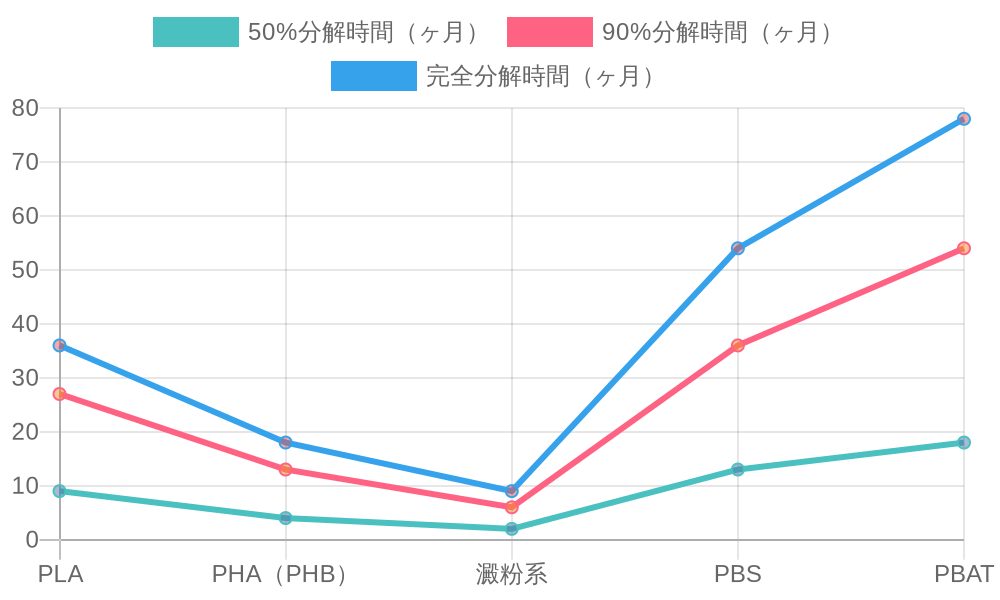
Degradation Performance in the Marine Environment (25°C, in Seawater)
| Material | Time to 50% Degradation | Time to 90% Degradation | Time to Complete Degradation | Degradation Products | Ecotoxicity |
|---|---|---|---|---|---|
| PLA | 6-12 months | 18-36 months | 2-4 years | Lactic acid, CO₂, H₂O | None |
| PHA (PHB) | 2-6 months | 8-18 months | 1-2 years | 3-hydroxybutyric acid, CO₂, H₂O | None |
| Starch-based | 1-3 months | 4-8 months | 6-12 months | Glucose, CO₂, H₂O | None |
| PBS | 8-18 months | 2-4 years | 3-6 years | Succinic acid, 1,4-butanediol | Minor |
| PBAT | 12-24 months | 3-6 years | 5-8 years | Adipic acid, terephthalic acid, etc. | Minor |
Variation in Degradation Rate Due to Environmental Conditions
The degradation rate of biodegradable plastics also depends heavily on environmental conditions:
- Temperature dependence: a 10°C rise accelerates the degradation rate by 2-4x
- pH effect: optimal near neutral (pH 7-8); reduced under acidic or alkaline conditions
- Dissolved oxygen: degradation is promoted under aerobic conditions and substantially delayed under anaerobic conditions
- Microbial community: proportional to the density of bacteria carrying degrading enzymes
Degradation Mechanisms by Marine Microorganisms
Microbial Groups Involved in Degradation
Specific microbial groups are involved in the degradation of biodegradable plastics in the marine environment:
Major Degrading Microorganisms and Their Characteristics
| Microbial Species | Target Plastic | Degrading Enzyme | Ocean Distribution | Optimal Conditions |
|---|---|---|---|---|
| Alcanivorax borkumensis | PHA | PHA depolymerase | Widespread | 15-30°C, pH 7-8 |
| Bacillus subtilis | PLA, starch | Protease, amylase | Coastal waters | 20-37°C, pH 6-8 |
| Pseudomonas stutzeri | PBS, PCL | Esterase | Open ocean | 10-25°C, pH 7-9 |
| Vibrio harveyi | Chitin-based | Chitinase | Tropical waters | 25-35°C, pH 7-8 |
Molecular Mechanism of Degradation
Degradation of biodegradable plastics in the marine environment proceeds through the following stages:
- Microbial attachment: degrading bacteria attach to and proliferate on the surface (1-2 weeks)
- Enzyme secretion: secretion and onset of action of specific degrading enzymes (2-4 weeks)
- Surface erosion: degradation proceeds from the surface, lowering molecular weight (1-6 months)
- Internal degradation: degradation spreads inward, causing structural failure (6 months-2 years)
- Mineralization: complete degradation into final products (2-5 years)
Challenges and Solutions for Practical Application
Performance Challenges
Performance Comparison of Biodegradable Plastics
| Property | Conventional Plastic | PLA | PHA | Starch-Based | Direction for Improvement |
|---|---|---|---|---|---|
| Tensile strength (MPa) | 20-60 | 50-70 | 20-40 | 5-15 | Composite formulation and modification |
| Elongation (%) | 100-800 | 3-10 | 5-50 | 1-5 | Addition of plasticizers |
| Heat resistance (°C) | 80-200 | 50-60 | 120-180 | 40-80 | Crystallinity control |
| Transparency | Excellent | Good | Opaque | Opaque | Improved molding technology |
| Gas barrier properties | Excellent | Moderate | Good | Poor | Lamination and coating |
Efforts Toward Cost Reduction
Reducing manufacturing costs is essential for the widespread adoption of biodegradable plastics:
- Reducing raw material costs: utilizing waste-derived biomass (30-50% reduction)
- Improving manufacturing process efficiency: continuous polymerization and molding technology (20-30% reduction)
- Economies of scale: reduced unit costs through mass production (40-60% reduction)
- Technological innovation: new catalyst and enzyme technologies (50-70% reduction)
Case Studies of Application in the Marine Environment
Success Stories
A 2024 report in Nature Sustainability introduces successful cases of applying biodegradable plastics in the ocean:
Future Outlook
The application of biodegradable plastics in the ocean is expected to develop in the following directions:
- Ocean-specific materials: dedicated grades optimized for seawater temperature and salinity
- Controlled degradation technology: materials whose use period and onset of degradation can be controlled
- Added functionality: materials with antibacterial properties or nutrient-supply functions
- Cost optimization: circular materials made from marine waste as raw material
Conclusion: Countermeasures and Future Outlook
A scientific understanding of the ocean plastic waste degradation process forms an important foundation for achieving a sustainable marine environment. Based on the insights analyzed in this article, we present, as environmental policy researchers, effective countermeasures and a future outlook.
Integrating the Scientific Findings
Here we summarize the key scientific facts revealed in this article:
Key Scientific Findings
- Extreme slowness of degradation: plastic degradation in the marine environment proceeds at 1/10 to 1/100 the rate seen on land
- Large differences by material: fishing line (nylon) takes about 600 years and PET takes 70-400 years, while plastic bags (PE) fully degrade in about 20 years
- Microplastic formation: fragmentation precedes full degradation, increasing ecological risk
- Decisive influence of environmental conditions: in the deep sea, the degradation rate drops to 1/50 to 1/100 of that at the surface
- Potential of biodegradable materials: appropriate material choices can achieve complete degradation within 1-5 years
A Multi-Layered Approach to Countermeasures
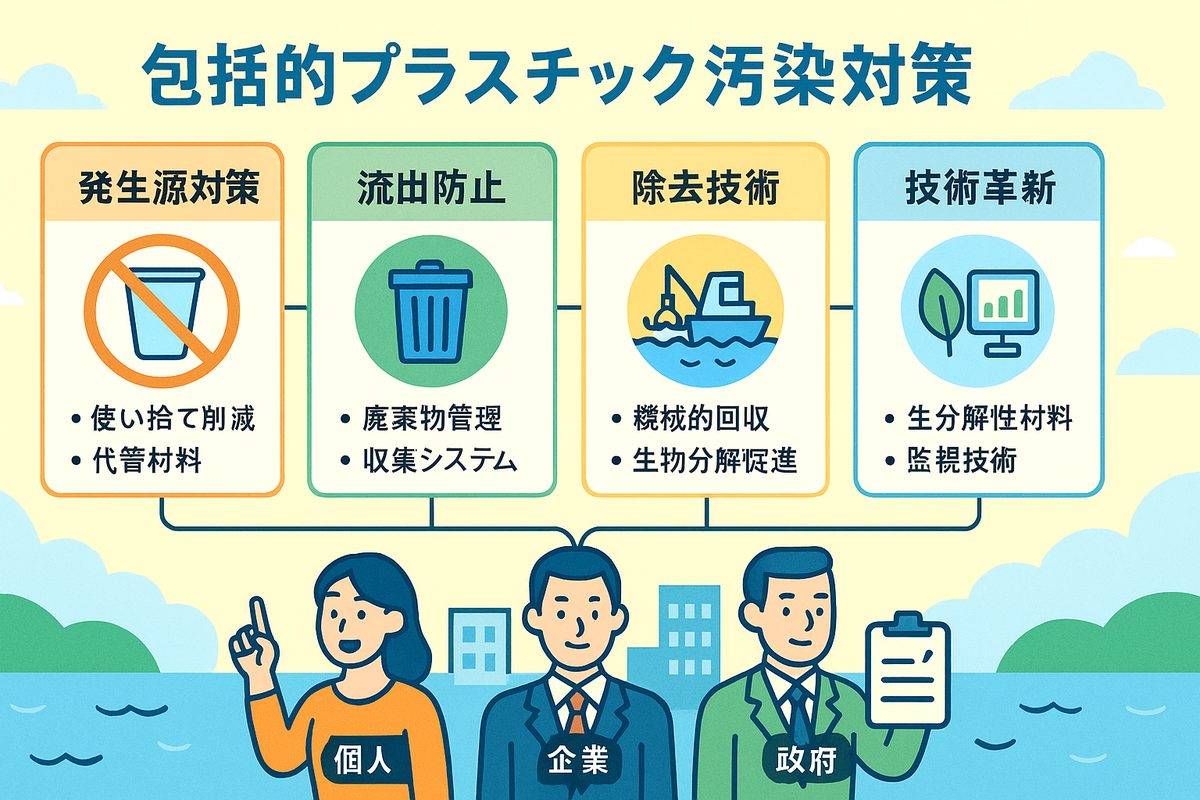
Solving the problem of ocean plastic pollution requires a multi-layered approach, from source countermeasures to environmental cleanup.
1. Source Countermeasures (Prevention)
Phased reduction of single-use plastics
- Plastic bags: 90% reduction in use by 2030 (in line with EU directives)
- Food containers: promoting the shift to biodegradable materials
- Packaging: stricter regulation of excessive packaging
Promoting the spread of alternative materials
- Establishing a marine biodegradability certification system
- Supporting technology development for biodegradable plastics
- Design guidelines to improve recyclability
2. Leakage Prevention Measures (Containment)
Preventing leakage from land
- Strengthening collection systems in rivers and urban areas
- Removing fine plastics at stormwater treatment facilities
- Developing waste management infrastructure
Reducing leakage from maritime activities
- Strengthening waste management for fishing operations
- Preventing dumping from vessels
- Improving safety standards for maritime shipping containers
3. Removal of Existing Pollution (Remediation)
Physical removal technologies
- Large debris: mechanical collection systems
- Microplastics: filtration technology
- Sunken plastic: development of deep-sea recovery technology
Promoting biological degradation
- Cultivation and dispersal technology for degrading microorganisms
- Accelerating degradation through enzyme treatment
- Bioremediation technology
Directions for Technological Innovation
Innovation in Materials Technology
Technology Development Roadmap (2025-2035)
| Period | Technology Goal | Expected Outcome | Level of Practical Application |
|---|---|---|---|
| 2025-2027 | Improving the performance of marine-degradable materials | Achieving performance equivalent to conventional materials | Practical application in limited uses |
| 2028-2030 | Major reduction in manufacturing costs | Costs at or below 1.5x conventional materials | Expansion into general-purpose applications |
| 2031-2033 | Establishing controlled degradation technology | Precise control of degradation timing | Realization of advanced functional materials |
| 2034-2035 | Circular materials systems | Materials made from 100% ocean-derived raw materials | Realization of a fully circular society |
Advancing Detection and Monitoring Technology
- Real-time monitoring: grasping pollution conditions using satellite and sensor networks
- AI prediction systems: predicting pollution spread using machine learning
- Nanoplastic detection: developing ultra-high-sensitivity analytical technology
Frameworks for International Cooperation
Existing International Initiatives
- Plastic Pollution Treaty: under negotiation in 2024, with agreement expected in 2025
- G20 Marine Plastic Action Plan: goal of zero additional pollution by 2050
- Regional Seas Action Plans: specific reduction targets for each sea region
Strengthening Scientific and Technological Cooperation
- Joint research and development of degradation technology
- International sharing of monitoring data
- Promoting technology transfer for alternative technologies
Future Scenarios and Projections
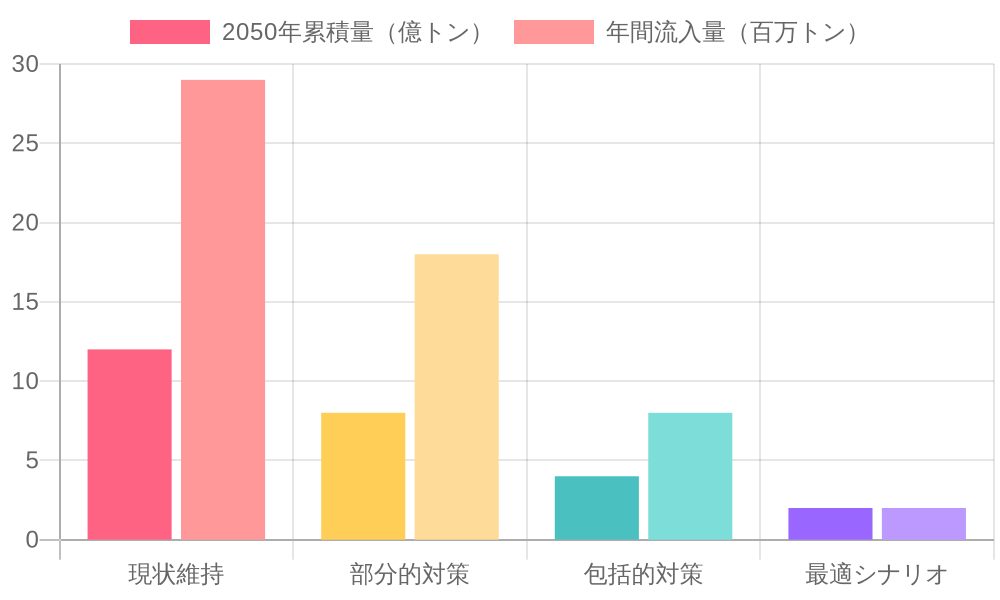
Below is a future projection based on the 2024 UNEP report:
2050 Ocean Plastic Pollution Scenarios
| Scenario | Level of Countermeasures | Cumulative Amount by 2050 | Annual Inflow | Feasibility |
|---|---|---|---|---|
| Status quo | Minimal | 1.2 billion tons | 29 million tons/year | High (if nothing is done) |
| Partial countermeasures | Moderate | 800 million tons | 18 million tons/year | Medium (currently underway) |
| Comprehensive countermeasures | High | 400 million tons | 8 million tons/year | Medium (international cooperation required) |
| Optimal scenario | Maximum | 200 million tons | 2 million tons/year | Low (technological innovation required) |
A Call to Action
Solving the ocean plastic problem can only be achieved through concrete action grounded in scientific understanding. From individuals to nations, everyone has a role to play:
Action at the Individual Level
- Reduce the use of single-use plastics
- Actively choose biodegradable alternatives
- Practice thorough and proper waste sorting
- Participate in ocean cleanup activities
Responsibility at the Corporate Level
- Shift to sustainable packaging materials
- Environmental consideration across the entire product lifecycle
- Investment in and development of alternative technologies
- Strengthening environmental standards throughout the supply chain
Initiatives at the Policy Level
- Formulating regulations based on scientific evidence
- Support systems for technology development and adoption
- Actively promoting international cooperation
- Building a long-term monitoring framework
Final Message
A scientific understanding of how ocean plastic waste degrades makes clear "why we must act now." The extremely slow degradation rate of plastic, the serious ecological impact of microplastic formation, and the near-permanent persistence of plastic in deep-sea environments—these scientific facts speak to the danger of waiting.
At the same time, however, progress in biodegradable materials, the development of effective removal technologies, and the building of international cooperative frameworks are opening a path toward a solution. What matters most is swift, effective action grounded in scientific knowledge.
The ocean is the source of life on Earth, and its health is directly linked to humanity's future. Solving the human-caused problem of plastic pollution is something that can certainly be achieved through science, technology, and international cooperation. Now is the time for each of us to act based on scientific understanding.
References
- United Nations Environment Programme (UNEP), "Marine Plastic Debris and Microplastics," 2016 report
- Japan Agency for Marine-Earth Science and Technology (JAMSTEC), "Elucidating the Mechanisms of Ocean Plastic Degradation," 2024
- Scientific Reports, "Physical degradation of marine plastic debris," 2024
- Marine Pollution Bulletin, "Plastic additives and marine degradation," 2024
- Frontiers in Microbiology, "Marine plastic-degrading microorganisms," 2024
- Enzyme and Microbial Technology, "Salt effects on plastic-degrading enzymes," 2024
- ISME Communications, "Marine microbiome and plastic degradation," 2024
- Marine Pollution Bulletin, "Long-term plastic degradation study," 2024
- Nature Communications, "Microplastic generation rates from marine debris," 2024
- Science of the Total Environment, "Microplastic bioaccumulation in marine food webs," 2024
- Polymer Degradation and Stability, "Biodegradable plastics in marine environment," 2024
- Nature Sustainability, "Successful applications of biodegradable plastics," 2024
- UNEP, "Turning off the Tap: How the world can end plastic pollution," 2023