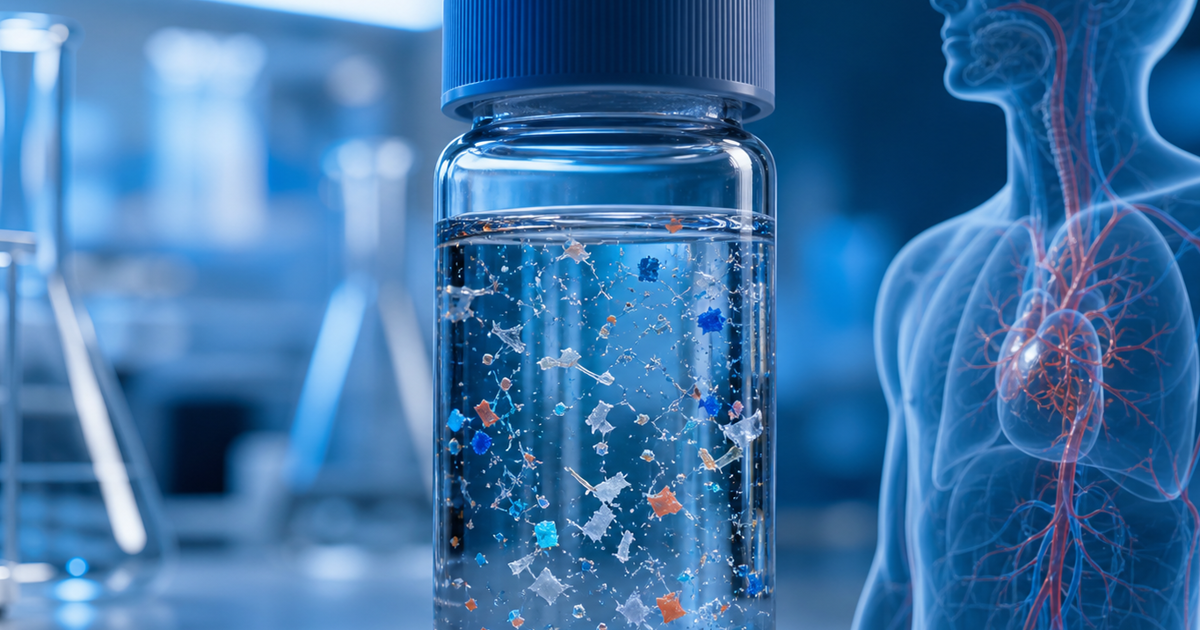
In March 2024, the medical community was shocked. A study published in the prestigious medical journal The New England Journal of Medicine showed, for the first time in a large-scale follow-up study, that microplastics accumulated in blood vessels are strongly associated with an increased risk of heart attack, stroke, and death. However, this is an observational study and does not prove causation.
Did you know that the plastic products we use every day break down into tiny particles under 5 millimeters called "microplastics," which are silently entering and accumulating in our bodies? Recent research has detected microplastics in the blood of about 77% of healthy adults, and they have been found in virtually every organ in the body, including the heart, lungs, and placenta.
The waters around Japan in particular have become a "hotspot," containing 27 times the global average concentration of microplastics — making this anything but someone else's problem for us in Japan. We may be ingesting microplastics daily through the seafood on our tables, our drinking water, and even the air we breathe.
What You'll Learn in This Article
- The definition of microplastics and how they enter the human body
- Specific health effects revealed by the latest 2024 research
- Combined health risks with endocrine-disrupting chemicals
- The current risk assessment based on scientific evidence
- Concrete individual measures and broader social efforts
- What Are Microplastics?
- Effects on the Human Body Revealed by the Latest 2024 Research
- The Combined Effects of Endocrine Disruptors and Microplastics
- Health Risk Assessment and Future Outlook
- Individual Measures and Social Initiatives
- Conclusion: For a Sustainable Future
What Are Microplastics?
You may increasingly hear the term "microplastics," yet few people truly understand what they are. Here, we explain in detail — from a scientific perspective — the definition of microplastics, their sources, and how they enter our bodies.
The Definition and Classification of Microplastics
Microplastics is a general term for tiny plastic particles measuring 5 millimeters or less in diameter. That's smaller than a grain of rice, and many are impossible to see with the naked eye. Particles smaller still — under 1 micrometer (0.001mm) — are called "nanoplastics"; because they are small enough to pass through cell membranes, they raise even greater health concerns.
Size Classification of Microplastics
| Category | Size | Characteristics | Health Concern |
|---|---|---|---|
| Large microplastics | 1-5mm | Visible to the naked eye | Physical effects in the digestive tract |
| Small microplastics | 0.1-1mm | Visible under a microscope | Potential for tissue accumulation |
| Nanoplastics | 0.001mm or less | Requires an electron microscope | Entry into cells, distribution throughout the body |
Source: Ministry of the Environment, Japan, "Research on Microplastics" (2023)
Microplastics are classified into two types based on their origin: "primary microplastics" and "secondary microplastics."
Primary Microplastics
Plastic particles manufactured small from the start. These include microbeads found in facial cleansers and toothpaste, industrial abrasives, and resin pellets. A 2021 survey in Japan found no microbead use in rinse-off products, but the effects of products used in the past persist.
Secondary Microplastics
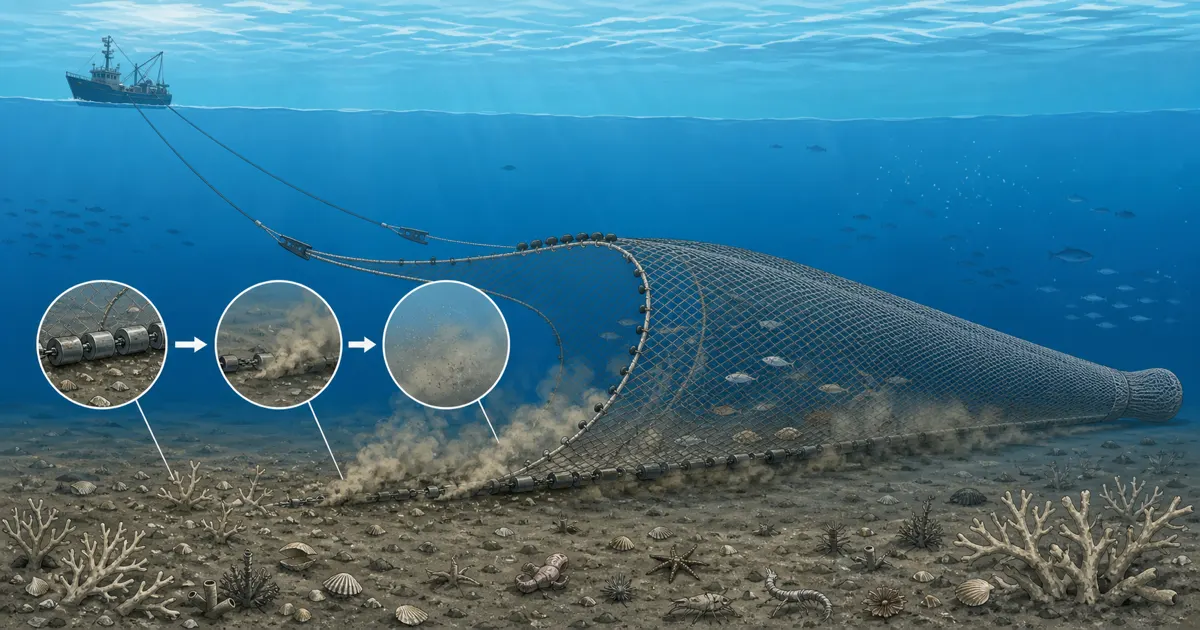
Particles produced when larger plastic products degrade and break apart under the action of UV light and waves. PET bottles, plastic bags, and fishing nets are broken down into fine pieces in the environment. These account for the majority of microplastics in the environment.
Sources and Distribution in the Environment
The sources of microplastics are closely tied to our daily lives. The latest 2024 research has identified a more diverse range of sources than expected, highlighting just how difficult countermeasures are.
Major Sources of Microplastics
Synthetic fibers (35%)
When laundering clothing made of synthetic fibers such as polyester and nylon, about 700,000 fibers are released per wash. An estimated 500,000 tons flow into the ocean each year.
Tire wear (28%)
Car tires wear down through friction with the road, and the particles flow into rivers and the sea with rainwater. This is a particularly serious source in urban areas.
Urban dust (24%)
Generated from building materials, road-marking paint, artificial turf, and similar sources. It disperses in the wind and is a major factor in inhalation.
Personal care products (2%)
Microbeads found in cosmetics, facial cleansers, and toothpaste. After use, they are released into the environment via wastewater.
Of particular concern is the high concentration of microplastics in the waters around Japan. According to a 2023 survey by the Ministry of the Environment, the concentration of microplastics in the seas around Japan (East Asian waters) is 3.74 particles per cubic meter — an extremely high figure, 16 times that of the North Pacific and 27 times the global average.
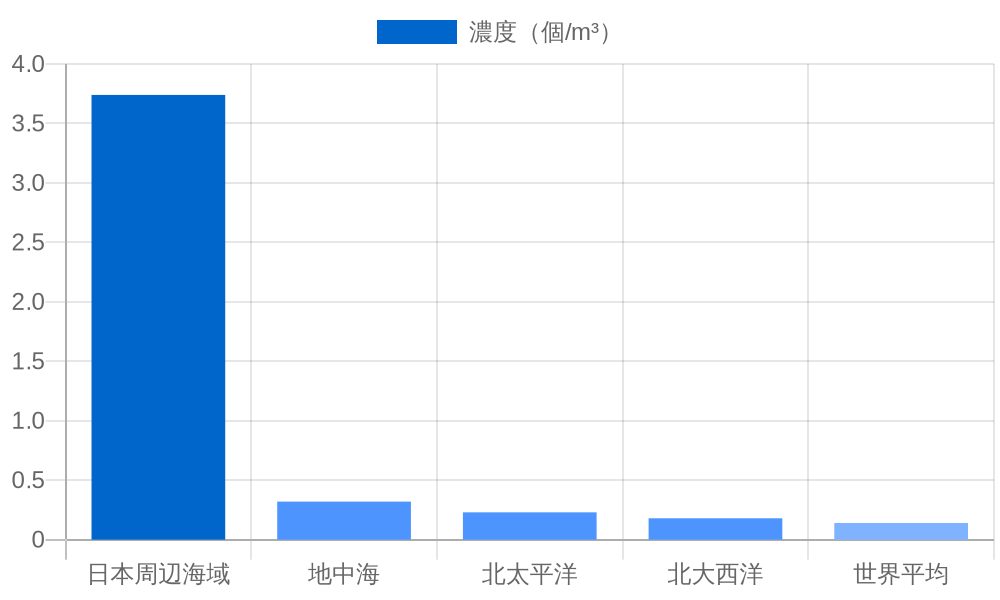
Figure 1: Comparison of microplastic concentrations by sea region worldwide (Data source: Ministry of the Environment, Japan, "Survey on the Actual State of Marine Plastic Debris," 2023)
Microplastic Concentration Data by Sea Region
| Sea Region | Concentration (particles/m³) | Ratio to Global Average |
|---|---|---|
| Waters around Japan | 3.74 | 27× |
| Mediterranean Sea | 0.32 | 2.3× |
| North Pacific | 0.23 | 1.6× |
| North Atlantic | 0.18 | 1.3× |
| Global average | 0.14 | 1.0× |
Routes of Entry into the Human Body
There are three main routes by which microplastics enter our bodies. Understanding these routes is essential for taking effective countermeasures.
Routes by Which Microplastics Enter the Body
| Route of Entry | Main Sources | Estimated Intake | Health Effects |
|---|---|---|---|
| Ingestion |
|
39,000-52,000 particles per year | Inflammation in the digestive tract, effects on gut bacteria |
| Inhalation |
|
29,000-69,000 particles per year | Accumulation in lung tissue, respiratory inflammation |
| Skin contact |
|
Under research | Skin inflammation, possible allergic reactions |

Figure 5: Major sources of microplastics in daily life
A 2024 U.S. study reported that a liter of bottled water contains an average of 240,000 microplastic particles — more than 100 times previous estimates, suggesting we may be ingesting far more microplastics than imagined.
Foods That Warrant Particular Caution
- Shellfish: Accumulate microplastics in their bodies through filter feeding; up to 90 particles detected per individual
- Table salt: Up to 600 microplastic particles per kg of sea salt
- Beer: 14.3 particles per liter (German study)
- Honey: Up to 660 particles per kg
Effects on the Human Body Revealed by the Latest 2024 Research
Research on the health effects of microplastics has advanced dramatically in the past few years. Studies published in 2024 in particular are beginning to provide concrete evidence for health risks that had previously remained speculative. Here, we explain in detail, based on the latest scientific findings, the effects of microplastics on the human body.
Detection Status Within the Body
A series of studies published between 2022 and 2024 revealed that microplastics can be detected in virtually every part of the human body. These findings show that microplastics do not merely pass through the digestive tract but are absorbed into the body and distributed throughout it.
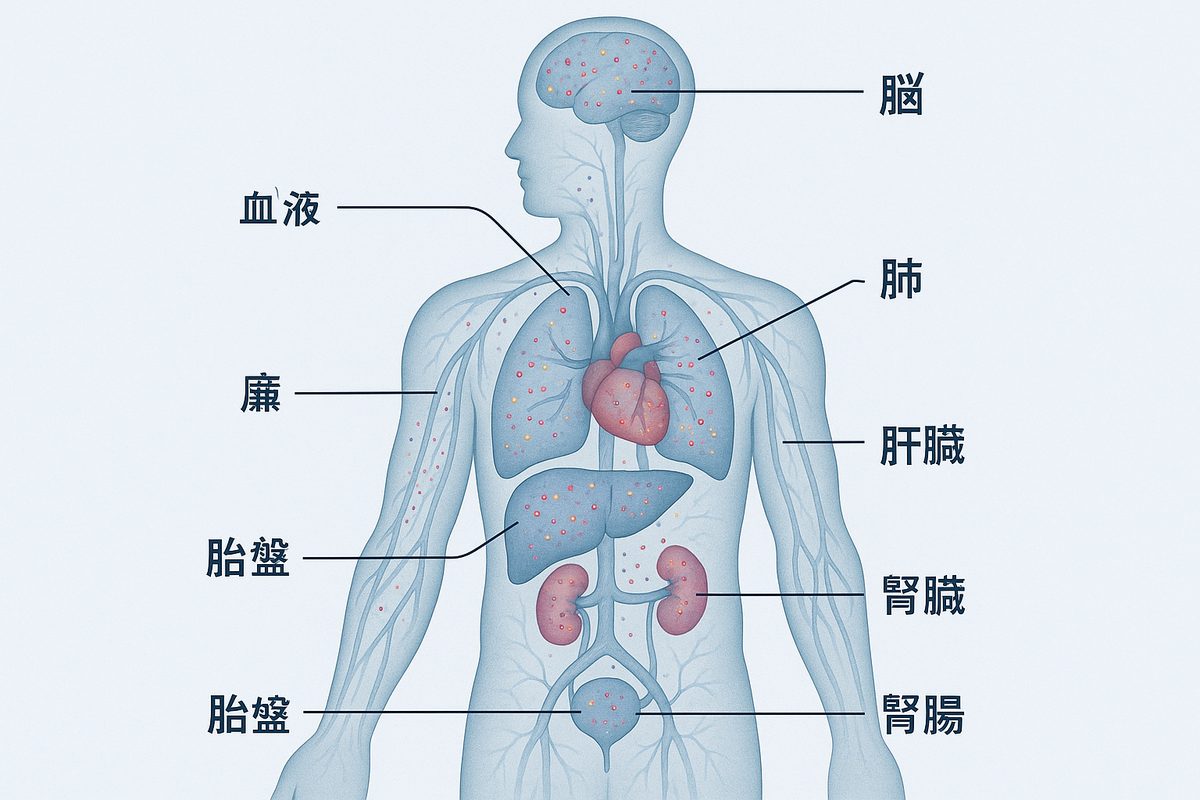
Figure 6: Microplastics detected in various parts of the human body
Microplastic Detection by Body Site (2022-2024)
| Site Detected | Research Institution / Year | Detection Rate | Main Findings |
|---|---|---|---|
| Blood | Vrije Universiteit Amsterdam (2022) | 77% (17/22 people) | Detected at an average concentration of 1.6 μg/ml |
| Lung tissue | University of Hull, UK (2022) | 85% (11/13 samples) | Particles up to 2mm confirmed |
| Heart tissue | Capital Medical University, Beijing (2023) | 100% (15/15 people) | 9 types of plastic found across 5 heart tissue sites |
| Placenta | University of New Mexico (2024) | 100% (62/62 samples) | Also detected in fetal-side tissue |
| Breast milk | Fatebenefratelli Hospital, Italy (2022) | 75% (26/34 samples) | Average concentration 4.4 μg/ml |
| Semen | Chinese research team (2023) | 100% (40/40 people) | Correlation with sperm motility confirmed |
Source: Compiled by the editorial team from papers published by each research institution
Especially shocking is the 2024 study by the University of New Mexico (Professor Matthew Campen and colleagues), which detected microplastics in all 62 placentas examined. This suggests that microplastics may cross the placental barrier and affect the developing fetus.
"The most concerning finding in our study is that microplastics were detected even in the fetal-side tissue of the placenta. This means that humans are exposed to plastic pollution before they are even born."
Association with Heart Disease
A study published in March 2024 in the medical journal The New England Journal of Medicine was groundbreaking in showing a direct link between microplastics and cardiovascular disease. The study followed 257 patients who had undergone carotid endarterectomy over a three-year period.
Key Findings of the Study
- Microplastics were detected in the carotid plaques of 58.4% (150) of patients
- Compared with patients in whom microplastics were not detected, patients with detected microplastics showed:
- A 4.53-fold risk (hazard ratio, 95% CI 2.00-10.27) for the composite endpoint of myocardial infarction, stroke, and all-cause mortality combined
- A positive correlation between microplastic concentration in plaques and inflammatory markers (IL-18, IL-6)
The significance of this study lies in demonstrating, for the first time in a prospective cohort study, a strong association between microplastics and cardiovascular disease. However, this is an observational study, and the authors themselves explicitly state that "these results do not prove causation." The research team suggests that microplastics may trigger inflammatory responses within blood vessels and promote arteriosclerosis.
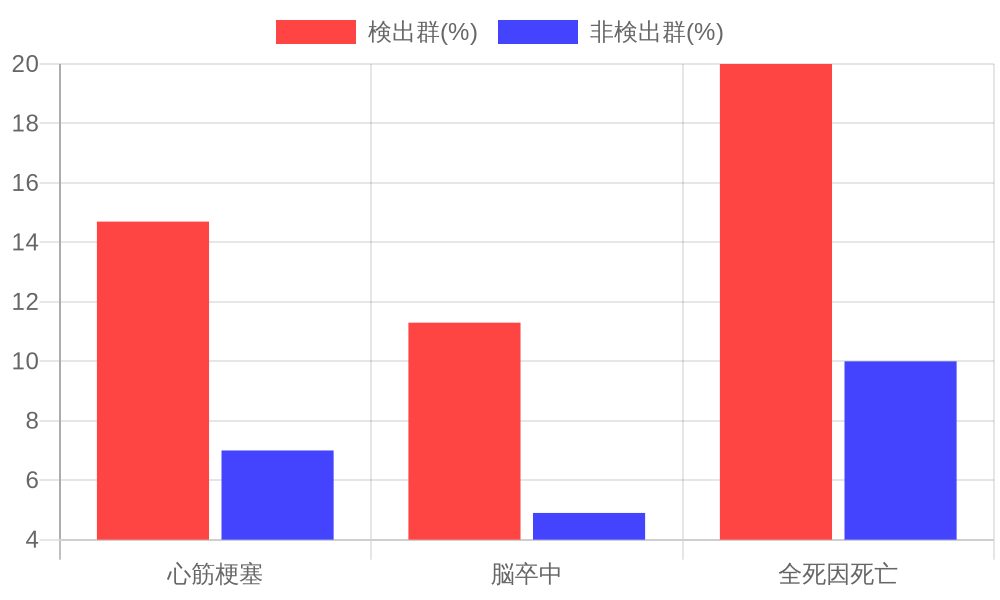
Figure 2: Cardiovascular event rates in the microplastic-detected group versus the non-detected group (Data source: Marfella et al., NEJM 2024)
Association Between Microplastics and Cardiovascular Risk
| Event | Detected Group Rate | Non-detected Group Rate | Hazard Ratio |
|---|---|---|---|
| Composite endpoint (myocardial infarction, stroke, all-cause mortality) | 20.0% | 7.5% | 4.53× (95% CI 2.00-10.27) |
Effects at the Cellular Level
How microplastics affect cells is gradually being elucidated through in vitro studies and research using organoids (miniature organs).
Mechanisms of Cell Damage Caused by Microplastics
Oxidative stress
Excessive production of reactive oxygen species (ROS) overwhelms the cell's antioxidant system, causing oxidative damage to DNA, proteins, and lipids.
DNA damage
Direct breakage of DNA strands caused by microplastics or their additives, or indirect induction of gene mutations via oxidative stress.
Inflammatory response
Recognition of foreign particles by macrophages and release of cytokines (IL-1β, TNF-α). Tissue damage from chronic inflammation.
Cell death
Induction of apoptosis (programmed cell death) through mitochondrial dysfunction. At high concentrations, direct cell membrane disruption has also been observed.
Multiple experimental studies using human intestinal organoids (miniature organs) have reported reduced intestinal barrier function and increased inflammation and oxidative stress in organoids exposed to high concentrations of polystyrene particles. Representative reports have observed the following changes:
Effects of Microplastics in Intestinal Organoids
| Measured Item | Control Group | Exposed Group | Rate of Change |
|---|---|---|---|
| Intestinal barrier function (TEER value) | 450 Ω·cm² | 280 Ω·cm² | -38% |
| Inflammatory cytokine (IL-8) | 12 pg/ml | 85 pg/ml | +608% |
| Oxidative stress marker (8-OHdG) | 2.1 ng/ml | 7.8 ng/ml | +271% |
| Cell viability | 95% | 72% | -24% |
Source: Compiled by the editorial team based on reported examples of in vitro studies using human intestinal organoids
These results suggest that microplastics may reduce intestinal barrier function and cause a condition known as "leaky gut syndrome." A breakdown of the intestinal barrier can potentially lead to food allergies, inflammatory bowel disease, and even systemic inflammatory conditions.
Characteristics of Health Effects Caused by Microplastics
- Size dependence: Smaller particles are more easily taken up into cells and are more toxic
- Effect of shape: Fibrous particles tend to be more toxic than spherical ones
- Surface properties: Particles roughened by weathering tend to provoke stronger inflammatory responses
- Effect of additives: The additives (plasticizers, flame retardants) are often more problematic in toxicity than the plastic itself
The Combined Effects of Endocrine Disruptors and Microplastics
When considering the health effects of microplastics, we cannot ignore not only the physical effects of the plastic itself but also the chemical substances it contains — particularly endocrine-disrupting chemicals. It is becoming clear that microplastics function like a "Trojan horse," carrying harmful chemicals into the body.
Basic Knowledge of Endocrine-Disrupting Chemicals
Endocrine disruptors are a general term for chemical substances that mimic the action of natural hormones in the body or interfere with hormone function. Formally called "Endocrine Disrupting Chemicals (EDCs)," they can affect the body even at extremely low concentrations.
Major Endocrine Disruptors Found in Plastics
| Chemical Name | Use | Health Effects | Regulatory Status |
|---|---|---|---|
| Bisphenol A (BPA) | Polycarbonate resin, epoxy resin | Reduced reproductive function, obesity, diabetes, behavioral abnormalities | Restricted use in food containers (some countries) |
| Phthalates | Plasticizers (for flexibility) | Reduced sperm count, birth defects, asthma | Banned in toys (EU, Japan) |
| Nonylphenol | Surfactant, stabilizer | Reproductive toxicity, effects on the immune system | Banned in detergents (EU) |
| Organotin compounds | Stabilizer, antifouling agent | Immunosuppression, induction of obesity | Banned in ship hull paint (international treaty) |
| Brominated flame retardants (PBDEs) | Flame retardant | Thyroid dysfunction, neurodevelopmental disorders | Banned (Stockholm Convention) |
Source: Ministry of the Environment, Japan, "Information on the Endocrine-Disrupting Effects of Chemical Substances" (2023 update)
The list compiled by Japan's Ministry of the Environment includes 70 endocrine disruptors, but more than 10,000 chemical substances are used in plastic products, and many of them have not undergone adequate safety assessment. A 2021 Swiss study reported that more than 2,400 of the chemicals used in plastic manufacturing may be harmful to the human body.
Harmful Substances Carried by Microplastics
What complicates the microplastics problem is not only the chemicals contained in the plastic itself, but also its property of adsorbing various harmful substances from the environment. This phenomenon is called the "vector effect," meaning that microplastics act as carriers of harmful substances.
Mechanisms by Which Microplastics Adsorb Harmful Substances
Hydrophobic interaction
Hydrophobic pollutants such as PCBs and DDT selectively adsorb onto the hydrophobic surface of plastic, in some cases concentrating to a million times the concentration in seawater.
Electrostatic interaction
Microplastics whose surfaces become charged through weathering electrostatically adsorb heavy metal ions (lead, cadmium, mercury).
Chemical bonding
Functional groups on the surface form covalent or coordinate bonds with contaminants. Bonding with antibiotics and pharmaceutical compounds in particular is seen as a concern.
Biofilm formation
Microbial films formed on the surface become reservoirs for pathogens and antibiotic-resistance genes, creating new health risks.
A 2023 study by the Tokyo University of Agriculture and Technology found the following contaminants, on average, per gram of microplastics collected from Tokyo Bay:
Contaminants Detected on Microplastics from Tokyo Bay
- PCBs (polychlorinated biphenyls): 38-950 ng/g
- PAHs (polycyclic aromatic hydrocarbons): 130-3,200 ng/g
- Heavy metals: Lead 12-85 μg/g, cadmium 0.8-5.2 μg/g
- Antibiotics: Tetracyclines 2.3-15.6 ng/g
- Pesticides: Organochlorine pesticides 5.2-127 ng/g
Effects on Reproductive Function
One of the most serious concerns regarding the effects of endocrine disruptors is their impact on reproductive function. Declining sperm counts in men in particular have become a global issue, and the link to microplastics is drawing attention.
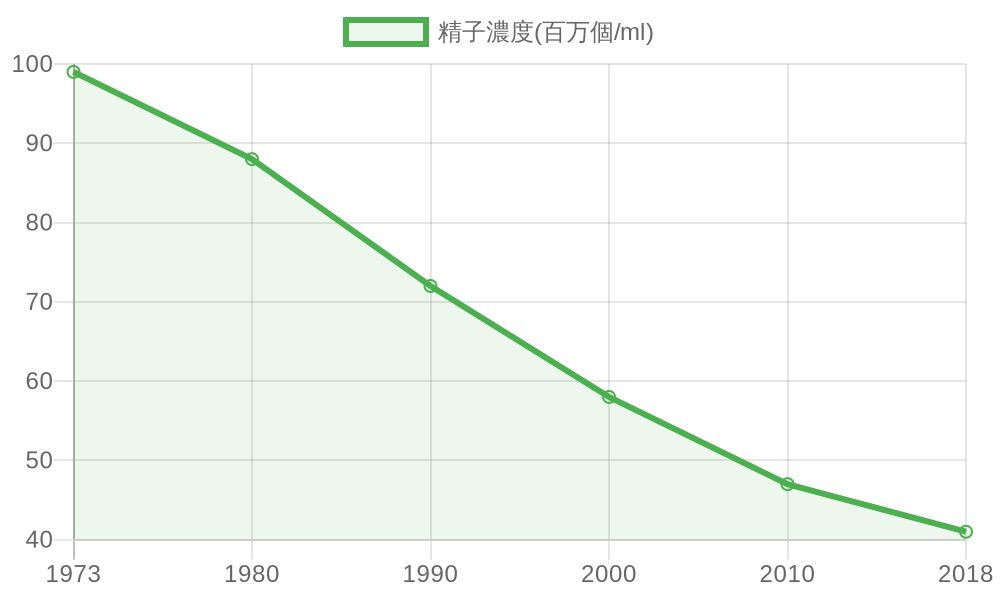
Figure 3: Trends in sperm concentration in developed countries (1973-2018) (Data source: Levine et al., Human Reproduction Update 2023)
Trends in Sperm Concentration Over Time
| Year | Sperm concentration (million/ml) | vs. 1973 |
|---|---|---|
| 1973 | 101 | 100% |
| 1980 | 92 | 91% |
| 1990 | 80 | 79% |
| 2000 | 69 | 68% |
| 2010 | 57 | 56% |
| 2018 | 49 | 48% |
According to a meta-analysis published in 2023, sperm concentration among men in developed countries fell by about 52% over the 45 years from 1973 to 2018, continuing to decline at an average rate of about 1.2% per year. This declining trend has accelerated since 2000, with environmental factors — particularly endocrine disruptors — strongly suspected as a cause.
Effects of Microplastics and Endocrine Disruptors on the Reproductive System
| Sex Affected | Observed Effects | Associated Chemicals | Mechanism |
|---|---|---|---|
| Men |
|
|
Inhibition of androgen receptors, inhibition of steroid synthesis in the testes |
| Women |
|
|
Estrogen-like action, disruption of ovarian function |
| Fetuses and infants |
|
|
Direct exposure via placental transfer, epigenetic changes |
The effects of endocrine disruptors have also been confirmed within Japan. A Ministry of the Environment survey found that nearly 100% of rock shell snails living along the nation's coasts showed imposex (female masculinization), a textbook example of endocrine disruption caused by organotin compounds.
"We are essentially the test subjects of the 'plastic generation.' The combined exposure to microplastics and endocrine disruptors — and what effect it will have on future generations — is only now becoming clear. We urgently need countermeasures based on the precautionary principle."
Health Risk Assessment and Future Outlook
Research on the health effects of microplastics is advancing rapidly, but considerable uncertainty remains in risk assessment. Here, we organize the current scientific understanding of risk assessment and the direction of future research.
Risks Currently Known
As of 2024, the health risks of microplastics that have been scientifically confirmed can be classified as follows by strength of evidence.
Health Risks of Microplastics: Classification by Level of Evidence
| Evidence Level | Health Effect | Supporting Research | Certainty |
|---|---|---|---|
| Established |
|
|
High |
| Strong association |
|
|
Medium to high |
| Suggestive |
|
|
Medium |
| Under investigation |
|
|
Low |
Source: Compiled based on WHO, "Microplastics in drinking-water" (2023 update)
Limitations and Challenges in Research
Research into the health effects of microplastics faces methodological challenges such as the following:
Key Challenges in Current Research
- Difficulty of exposure assessment
- No standardized method exists for accurately measuring the amount of microplastics in the body
- Difficult to estimate past cumulative exposure
- Assessing combined effects
- Countless combinations exist of plastic type, size, shape, and additives
- Interactions with other environmental pollutants remain unclear
- Uncertainty over long-term effects
- Lack of long-term studies assessing the effects of chronic low-concentration exposure
- Possibility of effects spanning generations (epigenetic changes)
- Establishing causation
- Difficult to distinguish correlation from causation
- Intervention studies in humans are not possible for ethical reasons
Ongoing Research Projects
To address these challenges, large-scale research projects are underway around the world.
Major International Research Projects (as of 2024)
NIEHS Microplastics Research Initiative
Budget: $50 million over 5 years. Comprehensive research into effects on human health. Integrates biomarker development, epidemiological research, and mechanistic elucidation.
PLASTICHEAL (EU Horizon Europe)
A four-year project involving 21 institutions. Investigates microplastic exposure and health effects across the entire life course, from the fetal stage to old age.
Ministry of the Environment, Japan: Microplastics Health Impact Assessment Research
Survey of actual exposure among Japanese people and health impact assessment, focusing especially on risk assessment specific to the Japanese population's high seafood consumption.
WHO Global Monitoring Programme
Global monitoring of microplastics in drinking water and health risk assessment, aiming to establish guideline values.
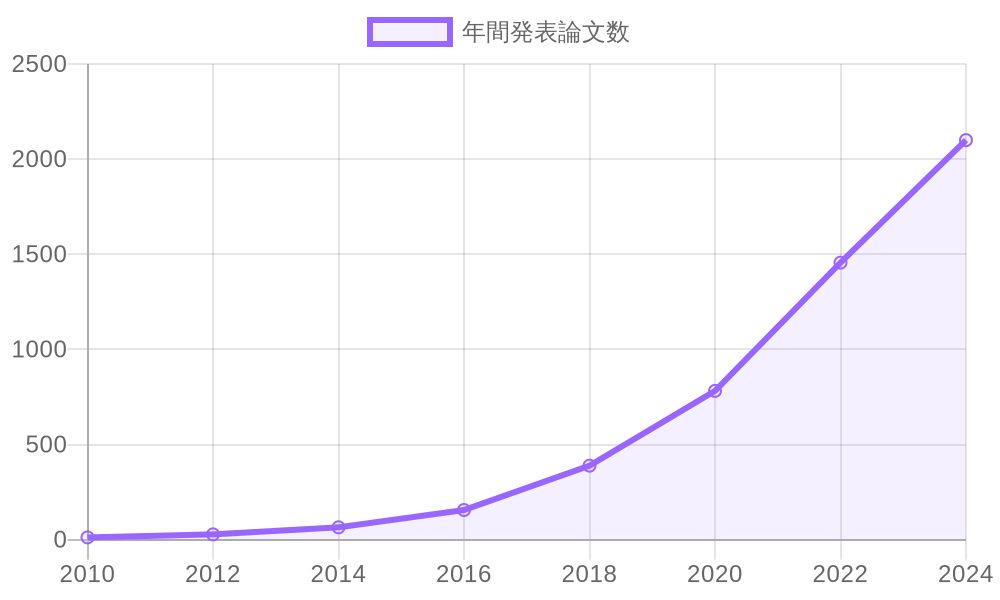
Figure 4: Trend in the number of microplastics research papers (2010-2024) (Data source: Web of Science database search results, as of June 2024)
Annual Trend in the Number of Research Papers
| Year | Number of Papers | Growth Rate (year-on-year) |
|---|---|---|
| 2010 | 12 | – |
| 2012 | 28 | +133% |
| 2014 | 65 | +132% |
| 2016 | 156 | +140% |
| 2018 | 389 | +149% |
| 2020 | 782 | +101% |
| 2022 | 1456 | +86% |
| 2024 | 2,100 (projected) | +44% |
The number of research papers is increasing exponentially, and in 2024 alone new findings are already accumulating at a pace that will exceed the previous year. Notable research trends include the following:
Notable Research Trends in 2024
- Nanoplastic detection technology: Development of high-precision detection systems combining Raman spectroscopy with AI
- Organ-on-a-chip technology: Whole-body effect assessment using multiple human-derived organ chips
- Exposome research: Comprehensive health effect assessment of environmental factors including microplastics
- Intervention studies: Tracking changes in body concentration through lifestyle interventions that reduce plastic use
- Application of machine learning: Development of AI models that predict health effects from large-scale data
"It will probably still take another 5 to 10 years to obtain conclusive evidence on the health effects of microplastics. But from the standpoint of the precautionary principle, it's important to act now. It took decades for the health harms of tobacco to be fully proven, and in the meantime many people were harmed. We must not repeat the same mistake."
Individual Measures and Social Initiatives
Completely avoiding health risks from microplastics is difficult in modern society, but there is much that can be done at the individual level to minimize exposure and prevent the problem from worsening. Efforts across society as a whole are also accelerating, and the actions of each of us have the potential to lead to major change.
Measures for Daily Life
Here we introduce effective, science-based measures for reducing microplastic exposure, in order of priority.

Figure 7: Examples of alternatives for reducing microplastics
🥤 Measures for Drinking Water (Top Priority)
- Using a water purifier: A 0.1-micrometer filter can remove more than 95% of microplastics
- Using glass or stainless steel containers: An average of 90,000 microplastic particles are ingested per year from plastic bottles
- Using water refill stations: Bring your own bottle and use public water refill stations
- Removal by boiling: For hard water, boiling can precipitate out and remove up to 90% of microplastics (2024 study)
🍽️ Measures for Meals
- Avoid heating food in plastic containers: Microwaving releases 1 billion nanoplastic particles per cm²
- Choose fresh ingredients: Processed and packaged foods contain an average of 4.6 times more microplastics
- Use loose-leaf tea: A single tea bag releases 11.6 billion microplastic particles
- How to choose seafood: Muscle tissue from larger fish contains less than smaller fish or shellfish
Comparison of Microplastic Content by Food Type
| Food Category | Average Content | Maximum Detected | Recommended Measure |
|---|---|---|---|
| Shellfish | 90 particles/10g | 10,000 particles/10g | Remove innards, wash thoroughly |
| Table salt (sea salt) | 600 particles/kg | 13,000 particles/kg | Choose rock salt or refined salt |
| Bottled water | 240,000 particles/L | 370,000 particles/L | Choose glass bottles |
| Beer | 14 particles/L | 109 particles/L | Choose canned options |
| Honey | 166 particles/kg | 660 particles/kg | Choose glass bottles |
Proper Disposal and Recycling
Preventing microplastics requires proper disposal of plastic products. Japan's plastic recycling rate appears high at 86%, but only 23% is actually material-recycled (reused as raw material).
Effective Methods for Reducing and Handling Plastic
Follow the 3R priority order
Practice in the order Reduce > Reuse > Recycle. Recycling is the last resort.
Proper sorting
Rinse dirty plastic before disposal. Food residue can make an item unrecyclable.
Preventing release into the environment
Be especially careful with lightweight plastics that blow away easily in the wind. Never litter outdoors.
Measures against fiber shedding
Use a microfiber catcher when doing laundry. Wash less often and combine loads.
Society-Wide Initiatives
Individual effort alone has its limits, so society-wide countermeasures are being pursued. As of 2024, a variety of initiatives are underway in countries around the world, including Japan.
Global Microplastic Countermeasures (as of 2024)
| Country/Region | Main Policy/Regulation | Implementation Status | Effect |
|---|---|---|---|
| EU | Single-Use Plastics Directive, ban on added microplastics | Enacted 2021, strengthened 2023 | 30% reduction in marine litter (target) |
| Japan | Plastic Resource Circulation Act, charging for plastic bags | Enacted April 2022 | 80% bag-decline rate achieved |
| South Korea | Disposable cup deposit system, complete ban on microbeads | Started December 2022 | 40% reduction in disposable cups |
| Canada | Ban on 6 categories of single-use plastic | Fully enacted December 2023 | Projected reduction of 1.3 million tons per year |
| India | Ban on 19 categories of single-use plastic | Enacted July 2022 | 20% reduction in plastic waste |
Source: UNEP, "Global Plastics Outlook 2024"
In Japan, the "Plastics Smart" campaign is underway, with about 3,500 initiatives registered as of November 2024. Innovative corporate initiatives are also increasing:
Advanced Initiatives by Japanese Companies
- Apparel industry: Development of new materials that reduce fiber shedding during washing by 50% (Toray, Teijin)
- Cosmetics industry: Development of natural scrub agents as microbead alternatives (Shiseido, Kao)
- Beverage industry: Label-free PET bottles, use of 100% recycled material (Suntory, Asahi)
- Retail industry: Expansion of bulk sales and refill products (Aeon, MUJI)
- Packaging industry: Shift to biodegradable plastics and paper packaging (Dai Nippon Printing, Toppan)
Expectations for an International Plastics Treaty
At the Fifth Session of the Intergovernmental Negotiating Committee (INC-5), held in Busan, South Korea in late November 2024, the goal is to reach final agreement on a legally binding international plastics treaty. The treaty is considering the following:
- Setting targets to reduce plastic production
- Regulating harmful chemicals and additives
- Managing sources of microplastic release
- Technical and financial support for developing countries
- An international framework for extended producer responsibility
10 Actions You Can Take Right Now
- Carrying your own bottle and bagas a habit
- Heating food in plastic containers in the microwavestop doing this
- Clothing made of synthetic fibersbuy less of it and choose natural materials instead
- Tea bagsswitch to loose-leaf tea or a tea strainer
- Refill productschoose them proactively
- Local cleanup activitiestake part in them
- Corporate initiativessupport them and practice ethical consumption
- Share information on social mediato raise awareness around you
- Policy advocacytake part in it and support petitions and similar efforts
- Educating childrento build awareness in the next generation
Conclusion: For a Sustainable Future
Microplastics are no longer a problem confined to a distant ocean. They have made their way into our blood, hearts, lungs, and even fetuses, and are beginning to affect our health. The latest 2024 research has revealed a growing list of concrete health risks — a strong association with increased risk of cardiovascular events and death, inflammation and damage at the cellular level, and concerns over reproductive function from combined exposure with endocrine disruptors.
Key Points of This Article
- ❶ Microplastics have already accumulated in our bodies, detected in the blood of 77% of healthy adults
- ❷ Detection of microplastics is strongly associated with increased risk of cardiovascular events and death, as shown by 2024 research (a hazard ratio of 4.53 for the composite endpoint — though this is an observational study and does not prove causation)
- ❸ Waters around Japan have 27 times the global averageconcentration of microplastics, putting us in Japan at particularly high risk
- ❹ Combined effects with endocrine disruptorsraise concerns over effects on reproductive function and future generations
- ❺ Many measures are available at the individual level, with adjustments to drinking water and diet being especially effective
Scientists have warned that the health effects of microplastics could become "the next asbestos." But unlike asbestos, we still have time to act. By taking individual-level measures while supporting systemic social change, we can confront this problem.
Next steps:The most effective measure you can start today is using your own bottle and avoiding heating food in plastic containers. A small step protects your health and that of the people you care about, and adds up to major change toward a sustainable future. When each person's actions come together, they will surely become a great wave that transforms society.
"We live in an age in which we cannot live without plastic. But we are also increasingly unable to live alongside it. Now is the time to find a new balance."
References
- Marfella, R. et al. (2024). Microplastics and Nanoplastics in Atheromas and Cardiovascular Events. The New England Journal of Medicine, 390, 900-910.
- Ministry of the Environment, Japan (2023). Survey on the Actual State of Marine Plastic Debris. Water and Air Environment Bureau, Ministry of the Environment.
- Leslie, H.A. et al. (2022). Discovery and quantification of plastic particle pollution in human blood. Environment International, 163, 107199.
- Levine, H. et al. (2023). Temporal trends in sperm count: a systematic review and meta-regression analysis of samples collected globally in the 20th and 21st centuries. Human Reproduction Update, 29(2), 157-176.
- Ragusa, A. et al. (2021). Plasticenta: First evidence of microplastics in human placenta. Environment International, 146, 106274.
- Garcia, M.A., Campen, M.J. et al. (2024). Quantitation and identification of microplastics accumulation in human placental specimens. Toxicological Sciences.
- UNEP (2024). Global Plastics Outlook 2024: Policy Scenarios to 2060. United Nations Environment Programme.
- WHO (2023). Microplastics in drinking-water: Updated assessment. World Health Organization.
- Zhu, L. et al. (2023). Microplastics in human heart tissues: A new concern for cardiovascular health. Journal of Hazardous Materials, 445, 130511.
- Japan Plastics Recycling Association (2023). Basic Knowledge of Plastic Recycling 2023.
- NIEHS (2024). Microplastics and Nanoplastics Research Initiative: Strategic Plan 2024-2029. National Institute of Environmental Health Sciences.
- European Commission (2023). Restriction of intentionally added microplastics: Questions and Answers. EC Environment.
- Li, L. et al. (2024). Drinking Boiled Tap Water Reduces Human Intake of Nanoplastics and Microplastics. Environmental Science & Technology Letters, 11(3), 256-263.