⚡ In short
Outdoor play builds children's executive function, motor skills, and non-cognitive abilities. This article summarizes domestic and international research data, how to choose fields suited to infancy, school age, and adolescence, and safety knowledge for playing at tide pools and rivers.
"I want my child to play outside, but I'm not sure how much freedom to give them" — many parents share this uncertainty. Now that smartphones and tablets are deeply embedded in children's daily lives, the value of outdoor play and nature experiences is being backed up by science more than ever.
A large epidemiological study in Spain (the BREATHE project) found that elementary school children raised in greener surroundings tended to have better working memory. In Japan too, the Ministry of Education, Culture, Sports, Science and Technology (MEXT) recommends "at least 60 minutes of active play a day" in its early-childhood exercise guidelines, positioning outdoor play not merely as a break but as a foundation for development.
At the same time, nature carries risks adults need to understand — slipping on rocks, rip currents, dangerous creatures, and more. This article reviews the research on how outdoor play benefits children, then organizes tips for choosing age-appropriate fields and playing safely.
What you'll learn in this article
- The scientific effects of outdoor play and nature experiences on children's cognitive and non-cognitive abilities
- How to choose fields suited to infancy, school age, and adolescence
- The spread and philosophy of nature-based childcare such as forest kindergartens
- Safety points to keep in mind when playing at tide pools and rivers
- Ways to fit more outdoor play into daily family and community life
Why outdoor play is being reconsidered today
As Japan's Ministry of Internal Affairs and Communications' survey on time use also indicates, children's screen time has been rising year by year while time spent playing outdoors has been declining. In cities, vacant lots and back alleys have disappeared, leaving fewer places where children can freely play after school. With more dual-income households, the once-common sight of children heading outside on their own on a weekday afternoon has become increasingly rare.
The role play has always played
Historically, outdoor play built more than just physical strength — it was also where children learned social skills through negotiating, arguing, and making up with friends. Experiences like climbing trees or playing in puddles, in environments adults can't fully control, teach children something different from lessons conducted under fixed rules. When children set their own rules for a ball game or build a secret base out of branches, roles and negotiations emerge naturally among them without adult instruction.
Why it matters even more in the digital age
Playing with tablets or game consoles isn't inherently bad, but the world on a screen is basically bounded by what its designers built in. Outdoors, by contrast, children must respond to variables nobody set up in advance — the weather, the ground conditions, the movement of living creatures. As digital devices have spread, the total amount of this "facing the unpredictable" experience has relatively decreased, which is part of why the value of outdoor play is being reconsidered.
A global policy trend
This trend isn't limited to Japan. The World Health Organization (WHO) has published guidelines urging countries to reduce sedentary time in children under five and prioritize physical activity and sleep, positioning outdoor play and physical activity as an international public health issue. Countries such as the UK and Australia are also incorporating outdoor learning into school curricula.
The scope of "outdoor play" covered in this article
- Free play outdoors in familiar places such as parks and yards
- Experiential activities in fields with a high degree of nature, such as forests, rivers, and the seashore
- Activities carried out within nature-based childcare frameworks such as forest kindergartens
Effects of outdoor play on children's brains and minds
The effects of outdoor play have increasingly been examined by epidemiological and neuroscience research in recent years. Here are some of the key findings.
Effects on working memory and attention
In the BREATHE project, which studied 2,593 elementary school children aged 7 to 10 in Barcelona, Spain, children with an interquartile-range-greater amount of green space around their school and commuting route showed roughly a 5% improvement in working memory — the ability to hold and process information over a short period. US research has similarly found that preschoolers who spend more time in green, open outdoor settings tend to sustain attention better.
Effects on executive function and non-cognitive skills
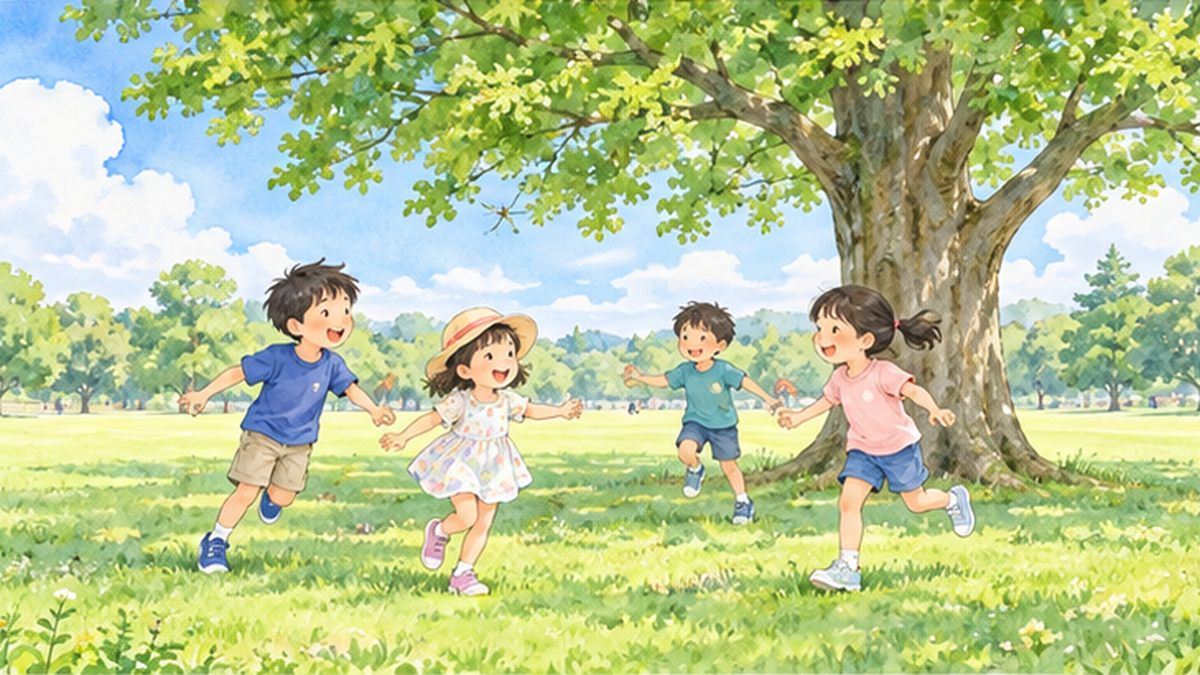
Highly self-directed play — where children decide for themselves what to do — is thought to nurture "executive function," the ability to set goals and regulate one's own behavior, as well as non-cognitive skills such as emotional control and perseverance. Reviews from the pediatric research community also point out that unstructured play in nature may contribute to the development of problem-solving skills and creativity. The process of treating a branch as a tool, or improvising play using the slope of the ground, is practice for tackling tasks that have no fixed correct answer.
Effects on social skills and emotional development
Because most outdoor play involves multiple children, it also becomes a place to practice interpersonal skills such as taking turns, proposing rules, and finding compromises when things don't go well. Research in child development suggests that play in green environments promotes prosocial behavior — helping and sharing with others — which in turn may contribute to emotional stability and mental health. There are also reports that children with ADHD tendencies show temporarily improved concentration after spending time in nature, and some schools have begun incorporating outdoor activity breaks between lessons.

Limitations of the research to keep in mind
That said, much of this research is observational, so it can't rule out the influence of other factors such as household income or where a family lives. It has also been pointed out that education-minded households may tend to cluster in greener areas — a confounding factor worth recognizing as a limitation of the study designs. Rather than treating this as a simple cause-and-effect claim that "outdoor play always raises grades," it's more appropriate to understand it as one of several factors that support a child's development.
Effects on physical ability and health
Outdoor play affects not only cognitive development but also physical development directly.
Building the foundation of basic motor skills
Japan's early-childhood exercise guidelines state that broadly experiencing basic movements — running, jumping, throwing — during early childhood forms the foundation for later motor development, and set 60 minutes or more of active play a day as a benchmark. Play on varied terrain such as uneven ground, sand, and rocky areas is thought to promote balance and coordination that are harder to develop on flat indoor floors.
Physical activity levels and lifestyle disease prevention
Compared with indoor play, outdoor play tends to increase moderate-to-vigorous physical activity (MVPA) and has been reported to be effective for improving cardiorespiratory fitness and preventing obesity. More sun exposure is also cited as an indirect benefit, since it helps regulate the body clock. Sunlight exposure is also involved in the body's production of vitamin D, considered a basic factor supporting bone development.
A link to eyesight has also been reported
In recent years, more reports have linked the amount of time spent outdoors to the onset and progression of myopia (nearsightedness). Studies suggest children who spend more time in strong outdoor light tend to be less prone to myopia, and the decline in outdoor activity time is sometimes cited as one reason for the rise in myopia among children across East Asia. Inserting time outdoors between reading or tablet-based study is also thought to make sense from the standpoint of eye health.
Knock-on effects on sleep quality
Moving the body and getting sunlight during the day can also help regulate the body clock and make falling asleep at night smoother. Since lack of sleep affects children's concentration and emotional stability, the moderate fatigue and sunlight exposure that come from outdoor play are thought to indirectly help regulate a child's overall daily rhythm.
| Rough stage | Main developmental theme | Relationship to outdoor play |
|---|---|---|
| Infancy (0-6) | Acquiring basic movement, forming attachment | Centered on free play at nearby parks; adult supervision is essential |
| School age (6-12) | Expanding motor skills and peer relationships | Easier to try fields with more variety, such as forests, rivers, and the seashore |
| Adolescence (12+) | Deepening self-regulation and sociality | Develops into more autonomous activities such as camping and nature programs |
Choosing outdoor play fields by age
Even under the umbrella of "outdoor play," the places and level of involvement that suit a child vary greatly by age.
Infancy (0-6): start with a familiar, safe place
Before walking is stable, parks with grass or sandboxes — where a fall is unlikely to cause serious injury — are the basic choice. Simply encountering nearby natural objects such as puddles, fallen leaves, and insects provides plenty of stimulation. At this stage, never taking your eyes off the child is the top priority, and it's safest to limit their range of movement to somewhere an adult can fully see. Playing with sand and water are classic sensory activities, said to support fine motor development while children enjoy the different textures.
For children of nursery or kindergarten age, many facilities combine free play in the schoolyard with walks to slightly farther parks or riverbanks a few times a month. Going out as a group has the advantage of allowing safe access to fields that would be difficult to visit individually, complementing outdoor play at home.
School age (6-12): venture into "slightly less convenient" fields
As physical strength and balance improve, children at this stage can more easily try fields with varied terrain — forests, riverbanks, and tide pools at low tide — in addition to the neighborhood park. Some childcare research suggests that experiencing modest risk-taking involving a bit of a thrill, such as climbing trees or walking across stones, helps children build the ability to accurately gauge their own physical abilities (self-risk assessment). That said, judging which places are dangerous and having an adult accompany them remain necessary.
Popular field examples for school-age children
- Tide pools at low tide (observing creatures)
- Shallow riverbanks with gentle currents
- Trails through satoyama woodland or thickets
- Free sites at campgrounds
Adolescence (12+): experiences that build autonomy
This is a stage when activities that adults don't manage down to the smallest detail increase, such as camping with friends or joining local nature programs. Involving them from the planning stage tends to build a sense of achievement and self-efficacy. More children are also taking part in fuller nature programs during long breaks, such as uninhabited-island experiences or fishing experiences, which can sometimes spark an interest that shapes future study or career choices.
Common points to check when choosing a field
Regardless of age, checking in advance for access to restrooms and rest areas, mobile phone signal coverage, and distance to the nearest medical facility makes it easier to respond calmly in an emergency. Local government and tourist association websites, as well as regional visitor centers, often publish the latest hazard information — such as bear sightings or flood conditions — so it's worth reading through before setting out.
| Item to check | What to look for |
|---|---|
| Weather and wave conditions | Check the latest Japan Meteorological Agency and Japan Coast Guard bulletins right up until departure |
| Tides and water level | Check the time of low tide, the tide level, and upstream rainfall conditions |
| Access and signal | Confirm parking and restroom locations and mobile signal coverage |
| Medical facilities | Confirm the distance and opening hours of the nearest hospital or clinic |
| Gear | Prepare footwear, clothing, and a first-aid kit suited to the weather and terrain |
Nature-based childcare and forest kindergartens as an option
In recent years, initiatives known as "forest kindergartens," which conduct childcare in forests or outdoors on a daily basis, have been spreading across Japan.
A growing network of nature-based childcare
According to the National Forest Kindergarten Network, more than 250 groups nationwide operate under this name. While there is no unified national certification system, Nagano Prefecture created its own "Shinshu-style Nature-Based Childcare" certification program in 2015 and had certified 313 facilities as of September 2025, illustrating growing support at the prefectural level.
An approach families can adopt too
Even without enrolling in a forest kindergarten, its underlying philosophy — observing the weather and living creatures while adults watch over children's discoveries without predetermining the outcome — can be brought into a weekend at the park or a family hike. Simply asking "what will we find today?" can be enough to spark a child's powers of observation and curiosity.
The idea of risk management
In nature-based childcare settings, the emphasis is not on "risk avoidance" that eliminates danger across the board, but on a "risk management" approach: thoroughly eliminating hazards that threaten life, while deliberately allowing children to experience risks that may involve a minor injury. Being able to judge "how far is it okay to let them try" — whether that's jumping from a height or crafting with a sharp branch — is seen as key to balancing accident prevention with opportunities for growth.

Safety measures for playing in the sea, rivers, and forests
The more natural a field is, the greater the educational value it can offer — but the risk of accidents rises too. Japan's Coast Guard and Consumer Affairs Agency issue safety warnings about waterside accidents every year.
Points to watch for tide-pool play
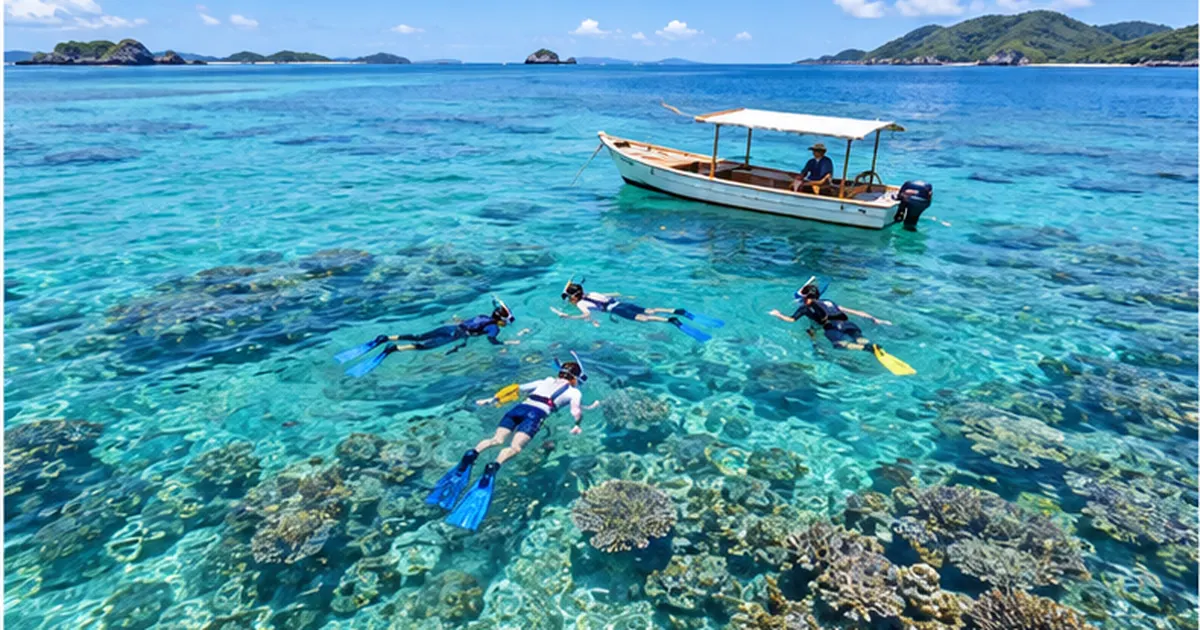
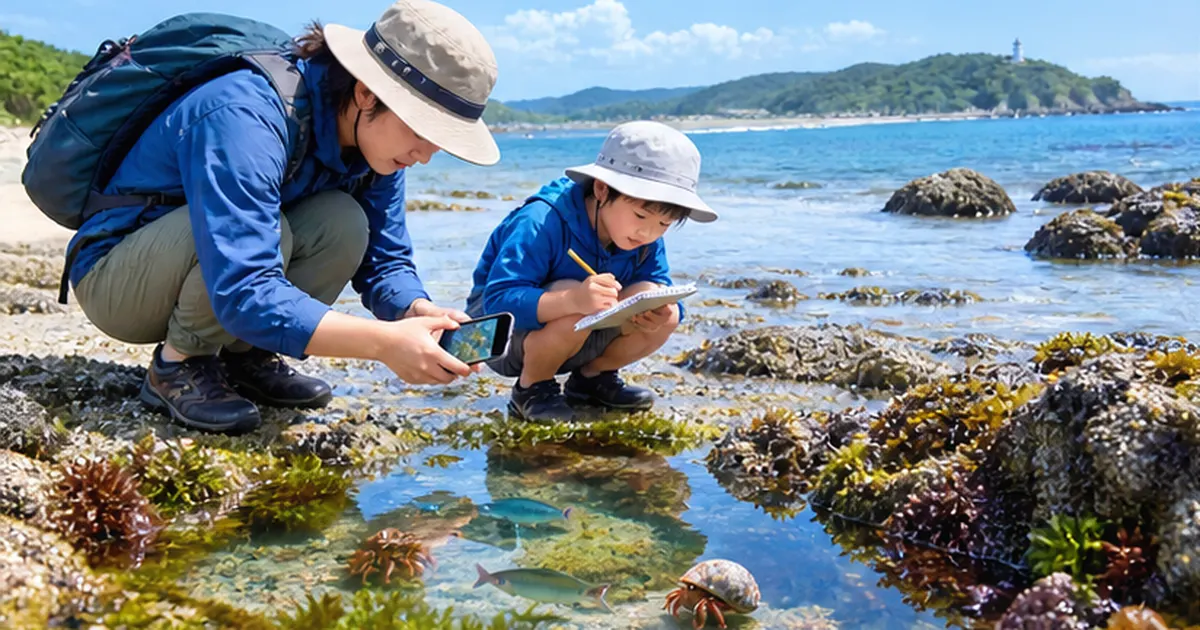
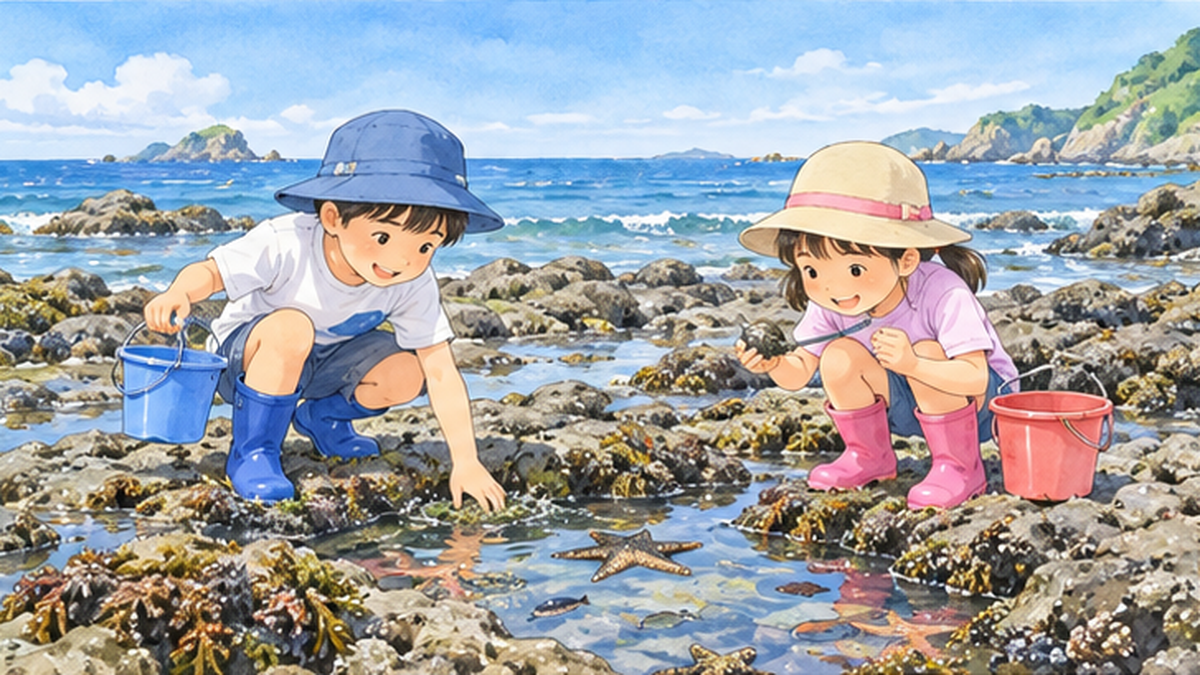
Rocky areas are slippery, and playing in tide pools while wearing sandals is considered strictly off-limits because it easily leads to falls and injuries. Before heading out, check a tide table for the time of low tide and the tide level, aiming for days when the tide level is 25 centimeters or lower. Watch out for rip currents flowing offshore; if swept out by one, it's recommended not to swim against the current but to swim parallel to the shore to escape it. If anything goes wrong, call 118, the Japan Coast Guard's emergency hotline.
There have also been reports of "stranding accidents," where people get cut off on offshore rocks as the tide rises toward high tide. In addition to deciding when to start playing, it helps to decide in advance roughly when to wrap up, and to head back to shore promptly once the tide starts to rise. It's also essential to tell children not to touch dangerous creatures — such as sea urchins or fish with venomous spines — with bare hands.
Basic checklist for tide-pool and waterside play
- Check weather, wave, and swell forecasts along with the tide level beforehand
- Wear non-slip footwear (no sandals)
- Stay away from cliffs and places where large waves could hit
- Never take your eyes off children; an adult should always accompany them
- If something goes wrong, don't hesitate to call 118 (Japan Coast Guard)
Points to watch for river and forest play
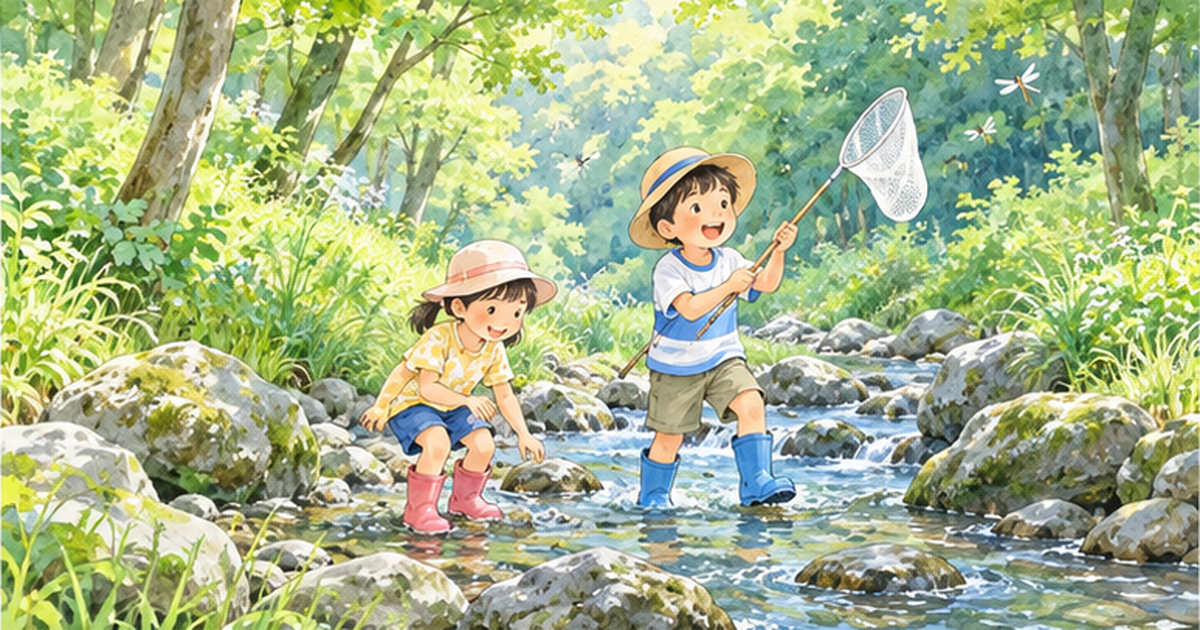
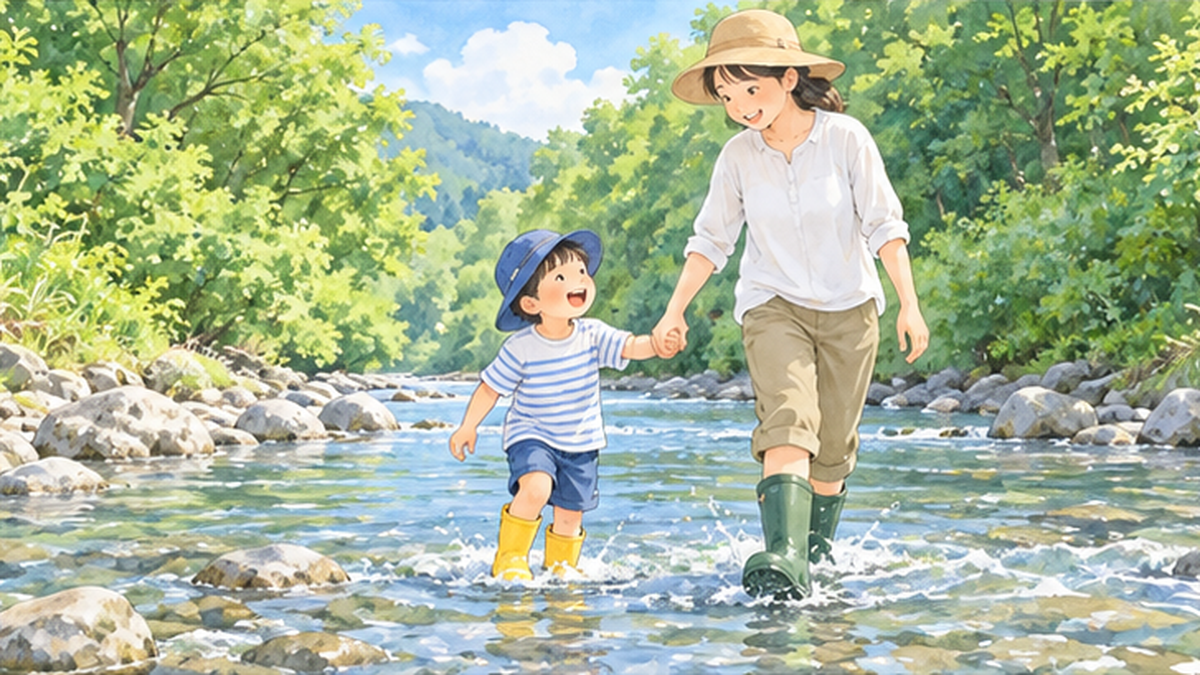
Rivers can change in water level and current quickly and are affected by weather upstream, so if there are signs of rising water — sudden turbidity or an increase in driftwood — the basic rule is to get out of the water immediately. Even on a clear day, water levels can rise suddenly due to dam releases even if it isn't raining upstream, so caution is always needed. In forests, watch out for contact with creatures such as bees and ticks, and long sleeves and long pants are recommended. In either setting, it's reassuring to check the safety information published by local tourism associations or municipalities beforehand.
Basic gear and what to bring
For waterside and forest activities, the basics are easy-to-move-in, quick-drying clothing, non-slip footwear, a hat, and plenty of drinking water. Work gloves and water shoes are useful for tide-pool play, a life jacket for river play, and insect repellent plus a first-aid kit for forest play. Keep your phone in a waterproof case, and when moving in a group, it helps to be able to keep track of each other's location.
Lessons from initiatives in Japan and abroad
The importance of outdoor play and nature experiences is being recognized not only in Japan but worldwide, with distinctive initiatives developing in different countries and regions.
Nordic "forest kindergartens" (Skovbørnehave)
In Denmark and Sweden, a form of childcare known as "forest kindergartens" (Skovbørnehave), in which children spend most of the day outdoors, has long been established. The philosophy of not canceling activities even in rainy weather — instead equipping children with proper cold- and wet-weather gear and spending time in nature regardless — has also influenced Japan's forest kindergartens.
Local programs within Japan
Coastal municipalities and NPOs are increasingly holding parent-child nature programs that combine tidal-flat creature observation with beach cleanup activities. Some initiatives bring in local fishery cooperatives or fisheries-related organizations as instructors, connecting play with regional industry and environmental education. Such programs make it easier to safely access fields that would be hard to visit as a family alone, under the guidance of specialists.
Connections with school education
Some elementary and junior high schools incorporate fieldwork in nearby satoyama woodland or the seashore as part of integrated study time or school excursions. This hands-on experience, which textbooks alone can't provide, is also expected to boost interest in science and social studies.
Growing support from companies and organizations
Some outdoor gear makers and insurance companies offer nature experience events and safety education programs for children. Opportunities to safely access fields under the guidance of specialists — such as tide-pool observation events hosted by local fishery cooperatives or forest experience tours run by forestry-related organizations — are expected to keep growing.
Ways to build outdoor play into daily life
You don't need to join a special nature program to make room for outdoor play in everyday family life.
What even busy families can do
- Take a slightly longer route to daycare or school that passes through a park
- Build unstructured outdoor play time into weekend plans without a fixed goal
- Join local nature observation events or beach and tidal-flat cleanups with your child
- Even on bad-weather days, create chances to touch natural objects under the eaves or in the yard
Working together with childcare and education settings
Nurseries and kindergartens are also making efforts to increase contact with nature in daily childcare, such as turning parts of the schoolyard into biotopes or rethinking walking routes. Continuing to build the habit of outdoor play depends on families and childcare or education settings working in the same direction to support it.
Try not to cancel just because the weather is bad
As seen in Nordic outdoor childcare, one way to shift your thinking is to go outside even in light rain, as long as children are properly dressed in waterproof gear. Experiencing nature's different face — puddles on a rainy day, the smell of soil after rain — compared with a sunny day can offer richer learning than automatically giving up on outdoor play because of the weather. Of course, in genuinely dangerous weather conditions such as thunderstorms or strong winds, safety should always come first.
Summary
- Research shows outdoor play supports the development of non-cognitive skills, motor ability, and attention
- Japan's Ministry of Education recommends at least 60 minutes of active play a day during early childhood
- Choose fields appropriate to a child's age, gradually trying more natural settings from school age onward
- Never skip safety measures — checking tides and weather and having an adult accompany children — at the sea, rivers, and in forests
References and sources
- MEXT, "Early-Childhood Exercise Guidelines" – Guidelines on recommended physical activity in early childhood
- MEXT, "Enriching Experiential Activities" (White Paper on Education) – Special feature on the effects of experiential activities on children
- MEXT survey report on promoting youth experiential activities – Research on youth experiential activities
- 5th Regional Coast Guard Headquarters, "Swimming, Tide-Pool Play, and Shellfish Gathering" – Safety notes for waterside leisure activities
- Consumer Affairs Agency alert on waterside accidents – Preventing children's accidents at the beach, fishing spots, and other waterside locations
- National Forest Kindergarten Network – A nationwide network of nature-based childcare groups
- PLOS ONE, "The impacts of unstructured nature play on health in early childhood development: A systematic review" – A systematic review of how unstructured play in nature affects early childhood health development
- Children & Nature Network research summary – Introducing research on the relationship between nature play, physical activity, and cognitive development
* Listed in order of reliability: government and academic institutions > peer-reviewed papers > specialized organizations > reliable media