The ocean is the largest "breathing space" on Earth. Fish breathe through their gills, and shellfish and crabs can live on the seafloor, all because oxygen is dissolved in seawater. Yet right now, the oxygen in that seawater is steadily declining on a global scale. According to reports from UN agencies, the open ocean has lost about 2% of its oxygen since the 1960s, and "dead zones," where life can barely survive, now number more than 500 worldwide.
In oxygen-poor waters, fish and shellfish either flee or, if they cannot escape in time, die in large numbers. This is not just a story from some distant country. In Tokyo Bay, Osaka Bay, and parts of the Seto Inland Sea, oxygen near the seabed is nearly depleted every summer, sometimes producing a phenomenon called a "blue tide," in which the sea turns blue-green or milky white. Some readers may have seen dead shellfish on a beach during clam digging, or noticed the sea turning a whitish color.
This article walks step by step through the mechanism behind ocean "deoxygenation," how it connects to eutrophication and global warming, and familiar cases like Tokyo Bay's blue tide, breaking down the technical terms along the way. By the end, you should be able to picture what is actually happening behind the words "dead zone" or "hypoxic water mass" the next time you see them in the news.
What you'll learn in this article
- What "ocean deoxygenation" is, and what the indicator called dissolved oxygen (DO) means
- The mechanism that produces "dead zones" where life cannot survive, and their deep connection to eutrophication
- Three pathways through which global warming accelerates the decline of ocean oxygen (solubility, stratification, respiration)
- The mechanism behind Tokyo Bay's hypoxic water masses and the familiar phenomenon of the blue-green "blue tide"
- What we can do to reduce nutrients, and Japan's environmental standard for bottom-layer dissolved oxygen
What is ocean "deoxygenation"? Dissolved oxygen as an indicator of life
Just as we humans live by breathing air, many marine creatures also breathe using "oxygen." Fish take in oxygen dissolved in seawater through their gills, and seabed creatures such as clams, marine worms, and crabs also use the oxygen dissolved in the water around them to survive. This amount of oxygen dissolved in seawater is called "dissolved oxygen" (DO), and it is one of the most fundamental indicators for gauging the health of the ocean.
Dissolved oxygen is usually expressed in milligrams per liter of water (mg/L). In the surface layer of a rich sea, around 8 mg/L of oxygen is typically dissolved, but as this figure drops, living things gradually struggle, and once it falls to roughly 2-3 mg/L or below, many fish and shellfish can no longer survive. This state of oxygen scarcity is called "hypoxia," and a state where oxygen has become nearly zero is called "anoxia." To put it in human terms, hypoxia is like the breathlessness of being at high altitude with thin air, while anoxia is like being completely unable to breathe.
Ocean oxygen is more deeply connected to "the breathing of the planet" than we might think. Marine phytoplankton are thought to produce roughly half of all the oxygen on Earth, making the ocean a vast factory that generates the atmosphere's oxygen as well. A disruption to this ocean oxygen balance is an issue that can ripple outward to affect not only marine life but ultimately the environment of the entire planet. This is precisely why dissolved oxygen, a seemingly modest figure, has become one of the most important indicators when discussing the marine environment.
"Deoxygenation" (ocean deoxygenation): a global-scale change
In recent years, it has become clear that this dissolved oxygen has been continuing to decline not only along the coast but also across a wide range of the open ocean. This is called "ocean deoxygenation." According to reports from the United Nations Educational, Scientific and Cultural Organization (UNESCO) and the Intergovernmental Panel on Climate Change (IPCC), the ocean as a whole has lost roughly 2% of its oxygen since the 1960s. That figure alone might sound small, but losing 2% of a volume as vast as the ocean means that a "suffocating sea" is steadily spreading for many creatures.
The IPCC's 2019 "Special Report on the Ocean and Cryosphere in a Changing Climate" reported that, between 1970 and 2010, oxygen in the open ocean from the surface down to a depth of 1,000 m declined by 0.5 to 3.3%. Furthermore, the volume of the mid-water "oxygen minimum zones," layers that were already low in oxygen to begin with, expanded by as much as 3 to 8%. Ocean oxygen is now understood not as a localized form of pollution, but as a quiet transformation unfolding across the entire planet.
What makes deoxygenation so troublesome is that it is positioned as the third major threat facing the ocean, following "global warming" and "ocean acidification," both driven by rising CO2. These three are often called the ocean's "triple threat," and they intertwine with one another to push marine life to its limits. Moreover, compared with warming and acidification, deoxygenation is still not very widely known to the general public. Because it is hard to see and rarely reported, experts have been sounding the alarm about it as a "quietly advancing threat."
Key terms in this article
- Dissolved oxygen (DO): the amount of oxygen dissolved in seawater, the basic indicator for gauging ocean health
- Hypoxia / anoxia: a state where oxygen has fallen to roughly 2-3 mg/L or below, or become nearly zero
- Hypoxic water mass: a body of oxygen-depleted water that forms in Japan's bays in summer
- Dead zone: a "dead sea area" where living creatures can no longer survive
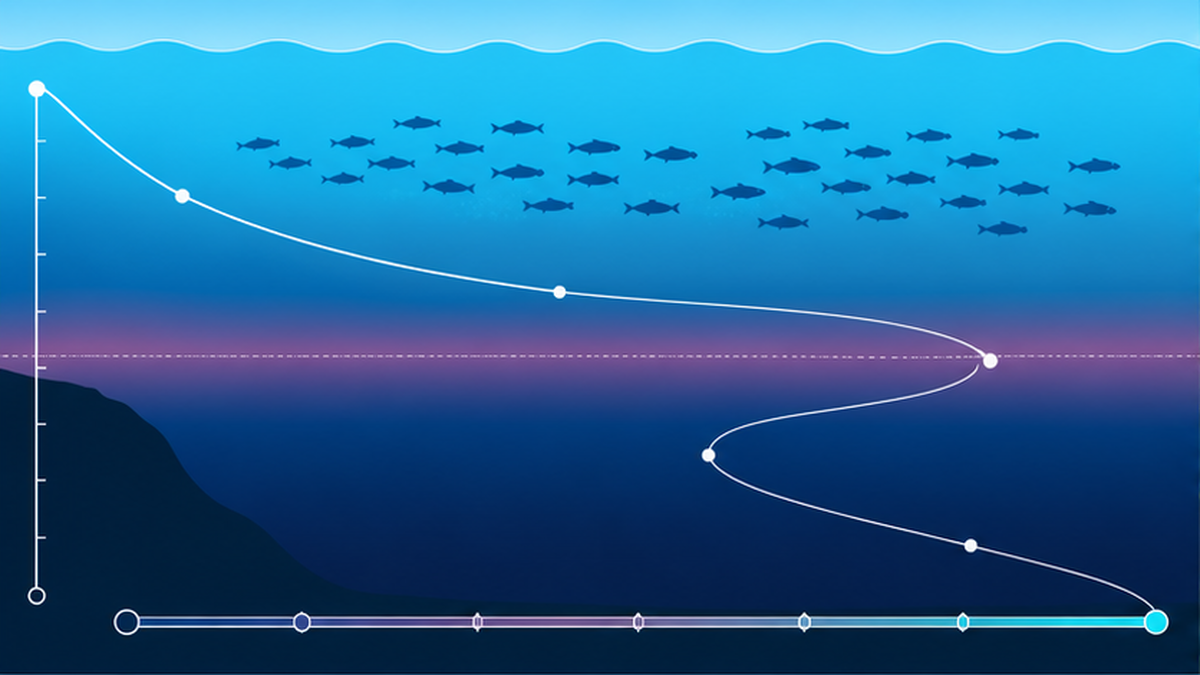
Deoxygenation is broadly advancing on two stages. One is a global-scale change progressing slowly across a wide swath of the open ocean. The other is coastal hypoxia, which occurs intensively in summer in enclosed bays such as Tokyo Bay. Both share a common underlying mechanism, "a disruption of the balance between oxygen supply and consumption," and both are deeply connected to eutrophication and red tides and ocean warming. Let's start by looking at that mechanism.
Why is oxygen being lost from the ocean? A balance of supply and consumption
Simply put, the amount of oxygen in the ocean is determined by subtracting "the amount consumed" from "the amount coming in." Oxygen mainly enters through two routes: dissolving in from the atmosphere at the sea surface, and being produced by phytoplankton and seaweed through photosynthesis. Conversely, oxygen is consumed through the respiration of living things, and when microorganisms (bacteria) decompose dead plankton and other organic matter. When this balance between supply and consumption is disrupted, oxygen declines unilaterally.
"Stratification": the wall that blocks the supply of oxygen
For oxygen dissolved in at the sea surface to reach the seabed, the water needs to be stirred and circulate up and down. However, when surface water is warmed and becomes lighter, sitting like a lid on top of the cold, heavy deep water, the upper and lower layers of water become harder to mix. This is called "stratification." As stratification strengthens, surface water rich in oxygen fails to reach the seafloor, and the area near the seabed becomes a closed space cut off from any resupply of oxygen.
"Decomposition of organic matter": consuming oxygen all at once
Meanwhile, oxygen is steadily consumed on the seafloor. When phytoplankton that have overgrown in the surface layer die, their remains sink to the seabed like snow (marine snow). When microorganisms decompose this material, large amounts of oxygen are consumed. The more nutrients there are at the surface and the more plankton multiply, the more organic matter falls to the seabed, and the more the oxygen consumption from decomposition surges. On a seabed cut off from supply by stratification, only consumption through decomposition keeps advancing: this is the basic flow that produces a hypoxic water mass.
The seasonal rhythm plays a large role in this mechanism. During winter, the sea surface cools, making surface water heavier, and the upper and lower layers mix well, so oxygen reaches the seabed too. But from spring through summer, as the surface warms, stratification forms, and the supply of oxygen to the seabed stops. Around the same time, stronger sunlight causes plankton to increase, so consumption rises just as the supply stops. That is why hypoxic water masses reliably peak every year from summer into early autumn. As autumn deepens and the sea surface cools, allowing the water to mix again, hypoxia naturally begins to resolve.
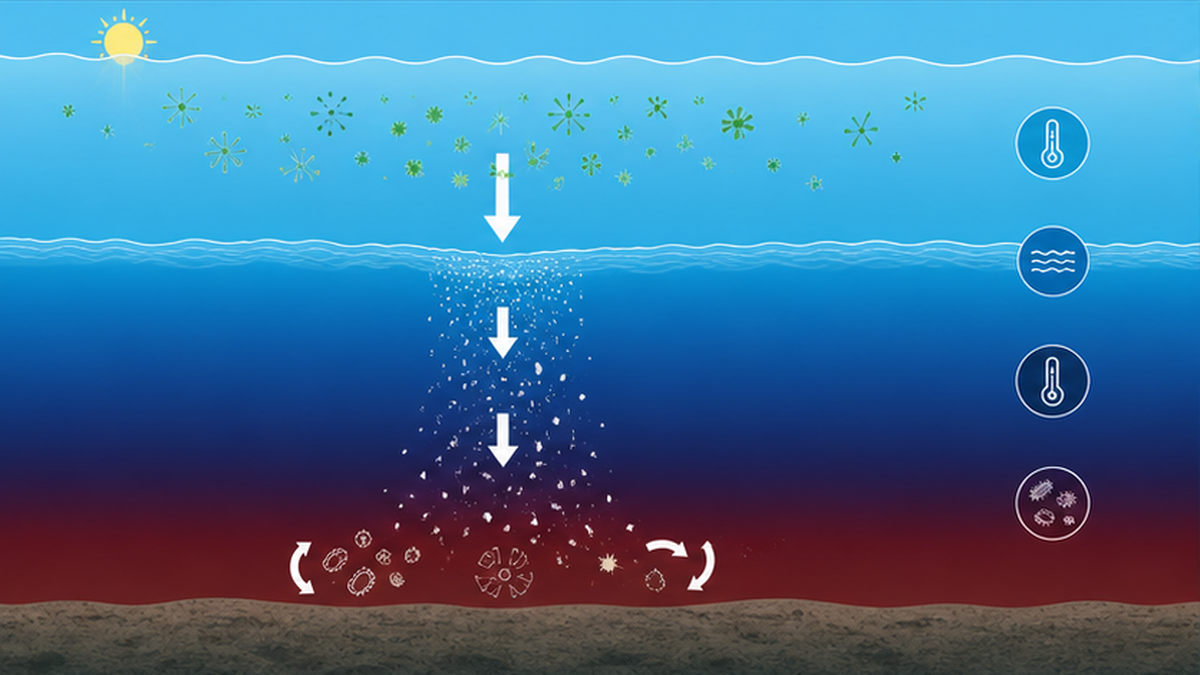
When three factors combine, the process accelerates
- Eutrophication: nitrogen and phosphorus flowing in from land cause plankton to overgrow, dramatically increasing oxygen consumption through decomposition
- Warming: as water temperature rises, oxygen dissolves less readily, and stratification also strengthens, reducing supply
- Topography: enclosed sea areas such as bays, where water does not readily exchange with the open sea, find it harder to recover oxygen
When these three factors overlap, deoxygenation advances all at once. Enclosed bays like Tokyo Bay carry a "triple burden": abundant nutrients from land, strong summer stratification, and topography that makes water exchange difficult, which is why large-scale hypoxic water masses develop there almost every year. From the next chapter onward, let's look at each of these factors in detail.
Photosynthesis only happens by day, but respiration runs 24 hours a day
Phytoplankton and seaweed produce oxygen through photosynthesis during the day, but at night photosynthesis stops, and they instead consume oxygen through respiration. In seas where plankton have multiplied abnormally, oxygen can suddenly run short during the night or a stretch of cloudy weather, sometimes causing fish to float up from oxygen starvation. It is one of the tricky things about the ocean that "more plants" does not always mean "more oxygen."
What is a dead zone? A suffocating sea spreading worldwide
A sea area where oxygen has become so extremely scarce that creatures like fish and shellfish can barely survive is called a "dead zone." It is literally a sea where any sign of life has disappeared. According to UNESCO, more than 500 such dead zones have been confirmed worldwide. In the 1960s, only around 45 sea areas with extremely low oxygen were known worldwide, but today more than 700 low-oxygen seas are reportedly known, showing that the number has exploded over the past half century.
Not all dead zones have oxygen at absolute zero. Many are in a state of "hypoxia," where oxygen has dropped to around 2 mg/L, a level at which creatures become weakened or flee. Even so, this represents a serious situation for creatures living on the seabed, driven out of their habitat, and the fact that these areas are spreading year by year along coastlines around the world is a mirror reflecting the deterioration of the marine environment.
One of the world's largest cases (1): the summer dead sea of the Gulf of Mexico
Every summer, a massive dead zone appears in the northern Gulf of Mexico, off the United States. According to a survey by the National Oceanic and Atmospheric Administration (NOAA), the dead zone measured in the summer of 2024 covered an area of about 17,000 square kilometers, comparable to the state of New Jersey, making it the 12th largest in 38 years of observation. The cause is nitrogen and other nutrients flowing in from the vast farmland and cities of the Mississippi River basin. The nutrients carried by the river cause plankton off the river mouth to multiply enormously, and its decomposition then robs the seabed of oxygen.
One of the world's largest cases (2): the chronic hypoxia of the Baltic Sea
The Baltic Sea in Europe has one of the largest human-caused dead zones in the world. Research indicates that the oxygen-poor area of the Baltic Sea has expanded more than tenfold, from about 5,000 square kilometers around 1900 to about 60,000 square kilometers today. Most of this increase has occurred since 1950. In addition to nutrients flowing in from farmland and household wastewater in surrounding countries, rising water temperatures from warming in recent years have made microorganisms more active, and it has been pointed out that hypoxia has tended to worsen even as efforts continue to reduce nutrients. Because the Baltic Sea is a semi-enclosed sea connected to the open ocean only through narrow straits, it also carries the topographical fate of finding it hard to recover oxygen once it has been lost.
These two cases illustrate the difference between types of deoxygenation well. The Gulf of Mexico is a "seasonal type" that occurs every summer and resolves in winter, while the Baltic Sea is a "persistent type," where hypoxia lingers chronically in its deep basins. Most of Japan's inner bays share the same seasonal type as the Gulf of Mexico, repeating a rhythm of worsening in summer and recovering in autumn. In both types, it is known that once hypoxia becomes entrenched, it is prone to a "negative chain reaction," where nutrients further dissolve out of the seabed mud, worsening eutrophication.
| Sea area | Approximate scale | Main cause |
|---|---|---|
| Northern Gulf of Mexico (USA) | About 17,000 km² in summer (2024) | Nitrogen and other nutrients from the Mississippi River basin |
| Baltic Sea (Europe) | About 60,000 km² (more than tenfold the figure from 1900) | Nutrients from surrounding countries plus warming |
| Tokyo Bay and other Japanese inner bays | A wide area at the head of the bay in summer | Nutrients from cities and rivers, plus stratification and enclosed topography |
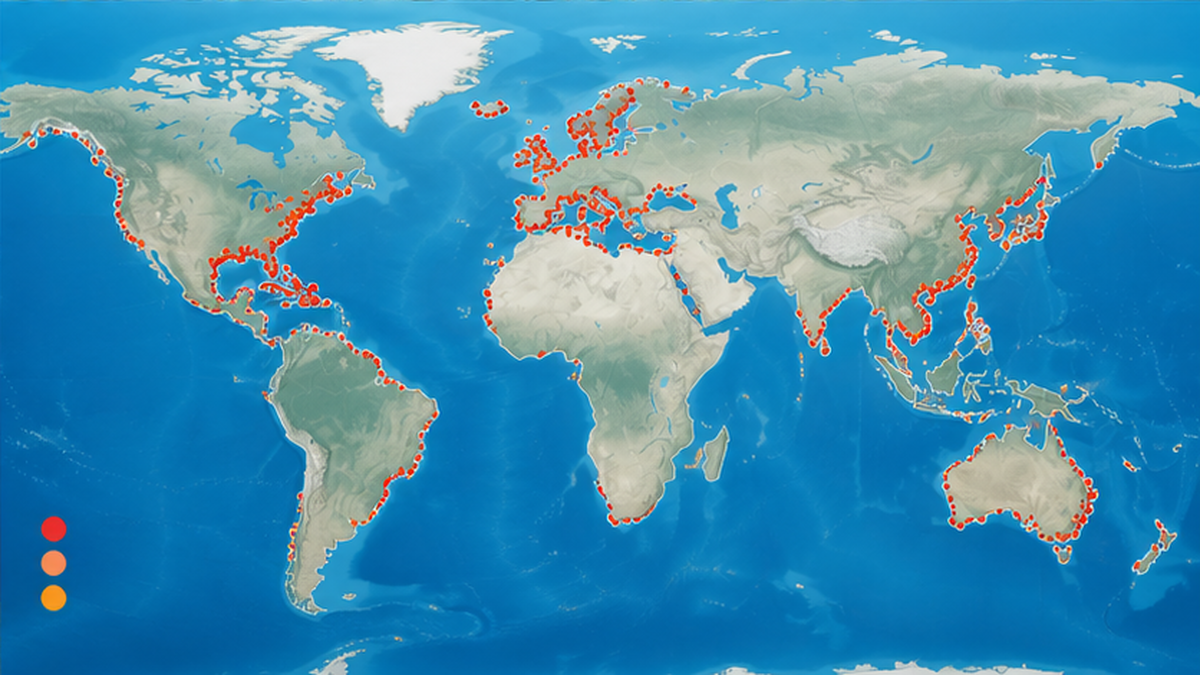
What these cases have in common is that hypoxia occurs where "nutrients from land" and "conditions that make water hard to mix" overlap. Dead zones are by no means a rare, exotic phenomenon; they can occur along any densely populated, agriculturally intensive coastline anywhere in the world. So what exactly is "eutrophication," the trigger behind all this? Let's look at it in detail in the next chapter.
Eutrophication and red tides: nutrients from land pull the trigger
The single biggest trigger for deoxygenation is "eutrophication." Eutrophication refers to a phenomenon in which excessive nutrients, such as nitrogen and phosphorus, flow into the sea, making the water overly rich in nutrients. Nutrients are, by nature, essential for phytoplankton and seaweed to grow, and in moderate amounts they form the foundation of a rich sea. But when there is too much, the story changes completely.
Nitrogen and phosphorus are both nutrients essential for plankton to grow. Just as crops in a field need fertilizer, in small amounts these nutrients become a "gift" that supports the ocean's productivity. The problem lies in quantity and balance. When human activity causes nutrients many times greater than natural levels to flow in over a short period, the sea's self-purifying capacity cannot keep up, and the result is a "backlash" in the form of red tides and deoxygenation. A source of richness turning into a disaster when there is too much of it: this is the essence of the problem of eutrophication.
Where do nutrients come from?
The main sources of nutrients flowing into the sea are runoff from fertilizer applied to farmland, livestock waste, and wastewater from factories and households. During Japan's period of rapid economic growth, sewage treatment could not keep pace, and large amounts of household and industrial wastewater flowed into bays, causing red tides and deoxygenation to worsen severely in Tokyo Bay, Osaka Bay, and the Seto Inland Sea. In the Seto Inland Sea during the 1970s, there were years with nearly 300 recorded red tides, causing massive damage to aquaculture and becoming a major impetus for strengthened water quality regulations. Nutrients are gathered by rain into rivers, and rivers carry them to a single point in the sea; this is precisely why dead zones tend to occur off the mouths of major rivers.
Since then, Japan has advanced regulations on factory wastewater and the development of sewage systems, greatly reducing the nutrients flowing into its bays. Water quality in Tokyo Bay and the Seto Inland Sea has improved considerably compared with its worst period. Even so, summer hypoxic water masses have not disappeared, because multiple factors overlap: organic matter (sludge) that accumulated on the seabed in the past remains, land reclamation has eliminated shallow areas and tidal flats that once served as "the ocean's purification devices," and warming has strengthened stratification. Countermeasures against eutrophication are not a one-time fix; they are an effort to change the ocean's underlying condition over a long period of time.
The chain: eutrophication to red tide to deoxygenation
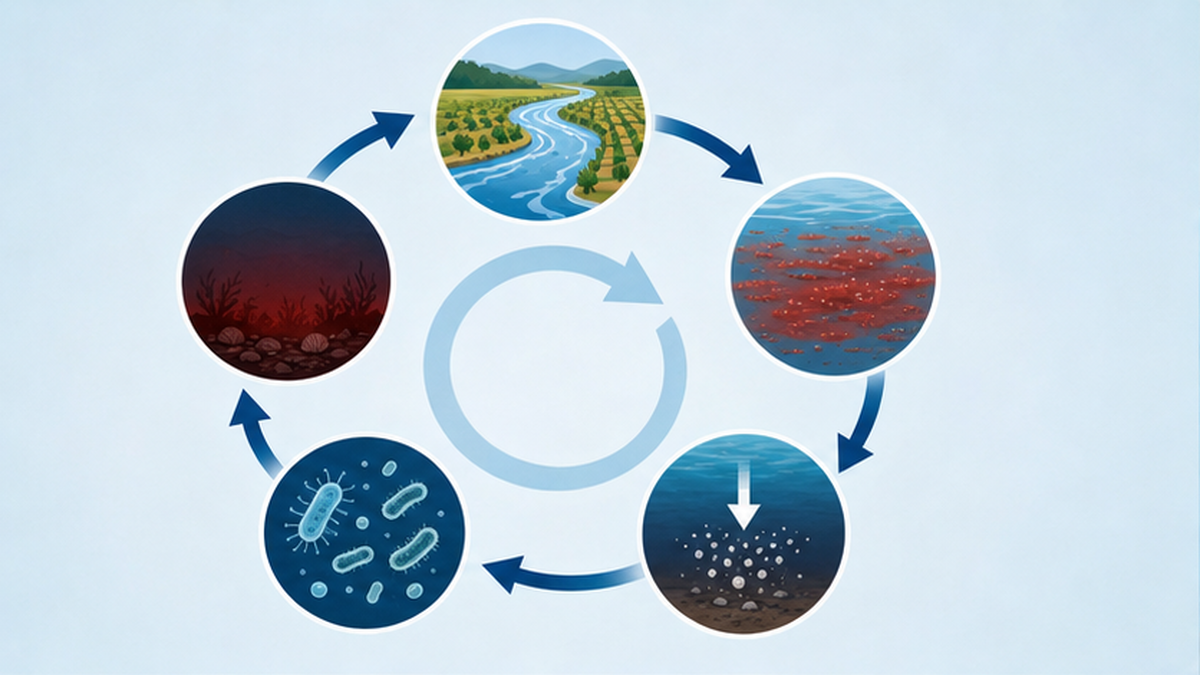
As nutrients increase, the phytoplankton that feed on them multiply explosively. The phenomenon in which plankton multiply so much that the sea appears reddish-brown is called a "red tide." A red tide itself causes damage to fisheries by clogging fish gills, but the real problem comes afterward. The plankton that has overgrown eventually dies and sinks to the seabed, where it is decomposed by microorganisms. At this point, a huge amount of oxygen is consumed all at once, and the seabed becomes hypoxic or anoxic. Red tides and deoxygenation are linked in a single chain that begins with eutrophication. For more detail, reading our article on the mechanism of red tides and eutrophication will deepen your understanding.
- Excessive nitrogen and phosphorus flow in from land (eutrophication)
- Phytoplankton multiply explosively, feeding on the nutrients (red tide)
- The overgrown plankton dies and sinks to the seabed
- Microorganisms consume large amounts of oxygen from the seabed while decomposing it
- Stratification prevents oxygen resupply, and the seabed becomes hypoxic or anoxic
"More nutrients" does not mean "a richer sea"
Nutrients are an important resource for raising fish, but more is not necessarily better. Excess nutrients invite red tides and deoxygenation, ultimately creating a sea where fish and shellfish cannot live. In recent years, some sea areas have instead seen declining catches due to "oligotrophication," a drop in productivity from reducing nutrients too far, showing that nutrient management must be a delicate balance, neither too much nor too little.
Global warming adds fuel to the fire: three pathways for declining oxygen
If eutrophication is the main culprit behind coastal dead zones, then "global warming" is what is driving deoxygenation on a global scale, including the open ocean. Rising sea temperatures reduce ocean oxygen through at least three pathways. This is precisely why deoxygenation is not just "pollution that has always existed," but "an ongoing global environmental problem."
Pathway 1: warm water dissolves less oxygen
Gases dissolve less readily in water as its temperature rises. By the same principle that warm carbonated soda quickly goes flat, as water temperature rises, the amount of oxygen that can dissolve in seawater itself decreases. The warmer the sea surface becomes, the physically smaller the amount of oxygen that enters the ocean from the atmosphere. This "decline in solubility" is said to explain a considerable portion of the oxygen decline in the open ocean.
Pathway 2: stronger stratification keeps oxygen from reaching deep water
As the surface layer warms, it becomes lighter, increasing the density difference with the cold deep water and strengthening stratification. This makes it harder for the upper and lower layers of water to mix, and surface water rich in oxygen has a harder time reaching the mid and deep layers. Warming is strengthening stratification across the world's oceans, narrowing the "delivery route" for oxygen. As also touched on in our article on ocean warming and fisheries, this strengthened stratification also affects the circulation of nutrients, changing the ocean's very structure of productivity.
Pathway 3: the respiration and decomposition of living things become more active
As water temperature rises, the metabolism of microorganisms and other living things becomes more active. Faster metabolism means faster respiration and decomposition, increasing the speed at which oxygen is consumed. With supply falling while consumption rises, oxygen is lost at an accelerating net rate. It is thought that this warming-driven increase in consumption is one reason why hypoxia in the Baltic Sea has tended to worsen in recent years, even as nutrients are reduced.
| Effect of warming | Impact on oxygen | Result |
|---|---|---|
| Rising water temperature (lower solubility) | The amount of oxygen that can dissolve decreases | Supply physically decreases |
| Strengthened stratification | Upper and lower water layers mix less | Supply to deeper layers narrows |
| Increased metabolism and decomposition | Respiration and decomposition speed up | Consumption increases |
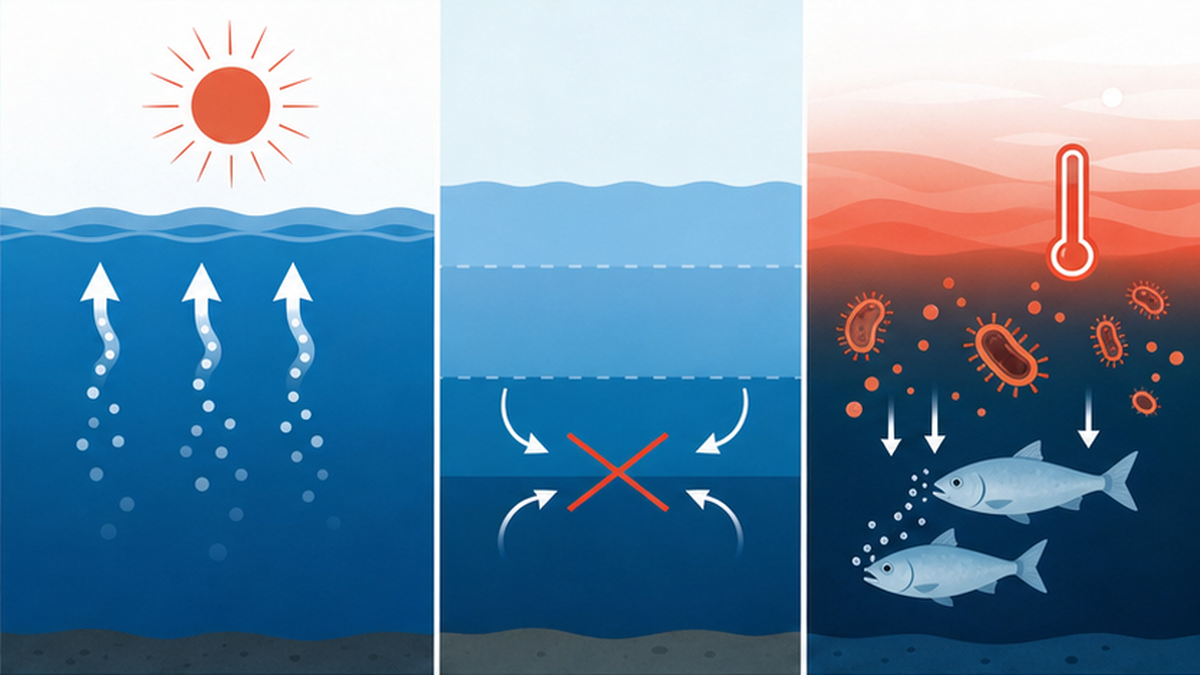
According to IPCC reports, if greenhouse gas emissions remain high, ocean oxygen is projected to decline by a further 3 to 4% by 2100. Even if coastal nutrients are reduced through eutrophication countermeasures, deoxygenation in the open ocean will keep advancing unless warming is stopped. Deoxygenation is a problem that cannot be separated from climate action.
What's worth noting here is that the "main culprit" differs between coastal hypoxia and open-ocean hypoxia. Coastal hypoxia, as in Tokyo Bay, is overwhelmingly driven by eutrophication (nutrient inflow), with warming playing a supporting role that reinforces it. Open-ocean oxygen decline, on the other hand, is driven mainly by reduced solubility and strengthened stratification from warming. In other words, nutrient countermeasures are the effective lever for reducing blue tides in familiar bays, while climate action is the effective lever for stopping global-scale deoxygenation; the levers that work differ by location. Tackling both at once is the shortcut to bringing oxygen back to the ocean.
The expansion of oxygen minimum zones (OMZs)
Naturally low-oxygen "oxygen minimum zones" (OMZs) spread across the mid-depths of the open ocean. In these zones, oxygen is consumed by the decomposition of organic matter sinking from the surface, while resupply from the deep layer struggles to reach them, making them naturally oxygen-poor. It is reported that, due to warming and deoxygenation, the volume of these oxygen minimum zones has expanded by 3 to 8% in recent years, thought to be narrowing the range where migratory fish that need large amounts of oxygen, such as tuna and marlin, can live.
A familiar case in Japan: Tokyo Bay's hypoxic water mass and "blue tide"
Up to this point, we have discussed the global picture, but deoxygenation is also happening right near us. The representative case is Tokyo Bay. Tokyo Bay has an enclosed topography, surrounded by land and making it hard for water to exchange with the open sea, receives nutrients flowing in from the vast population of the greater Tokyo area, and develops strong stratification in summer. It is a sea area that has exactly the "triple burden" of deoxygenation.
The "hypoxic water mass" that settles on the summer seabed
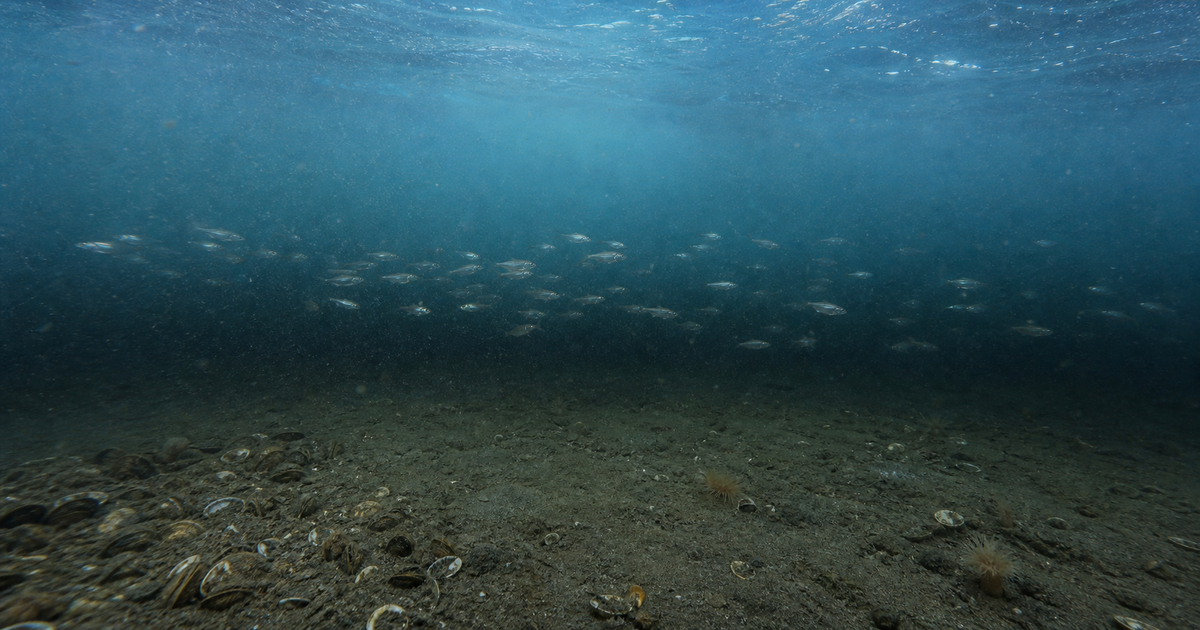
As sunlight strengthens from spring through summer, plankton in Tokyo Bay multiply explosively, feeding on nutrients. When it dies and sinks to the seabed, it is decomposed by microorganisms in a process that robs the water of oxygen, and a body of oxygen-depleted water known as a "hypoxic water mass" spreads at the seabed at the head of the bay. Surveys by the Tokyo Metropolitan Government have found that a hypoxic water mass, with dissolved oxygen at roughly 2-3 mg/L or below, is known to settle for an extended period over a wide area at the head of the bay from summer into autumn. During this time, clams and other shellfish, marine worms, and any fish that cannot escape in time die from oxygen deprivation.
A characteristic of Tokyo Bay's hypoxic water mass is that it spreads out, clinging tightly to the seabed. Dissolved oxygen is sufficient near the sea surface, but it drops sharply below a depth of several meters, sometimes reaching nearly zero at the seabed. Tracking this distribution with fish finders and water sampling surveys reveals how the hypoxic layer moves around within the bay, pushed by wind and tidal currents. For fishers, knowing where this invisible "valley of oxygen" lies has become information important enough to determine whether that day's catch will succeed or fail.
The true nature of the "blue tide" that clouds the sea blue-green
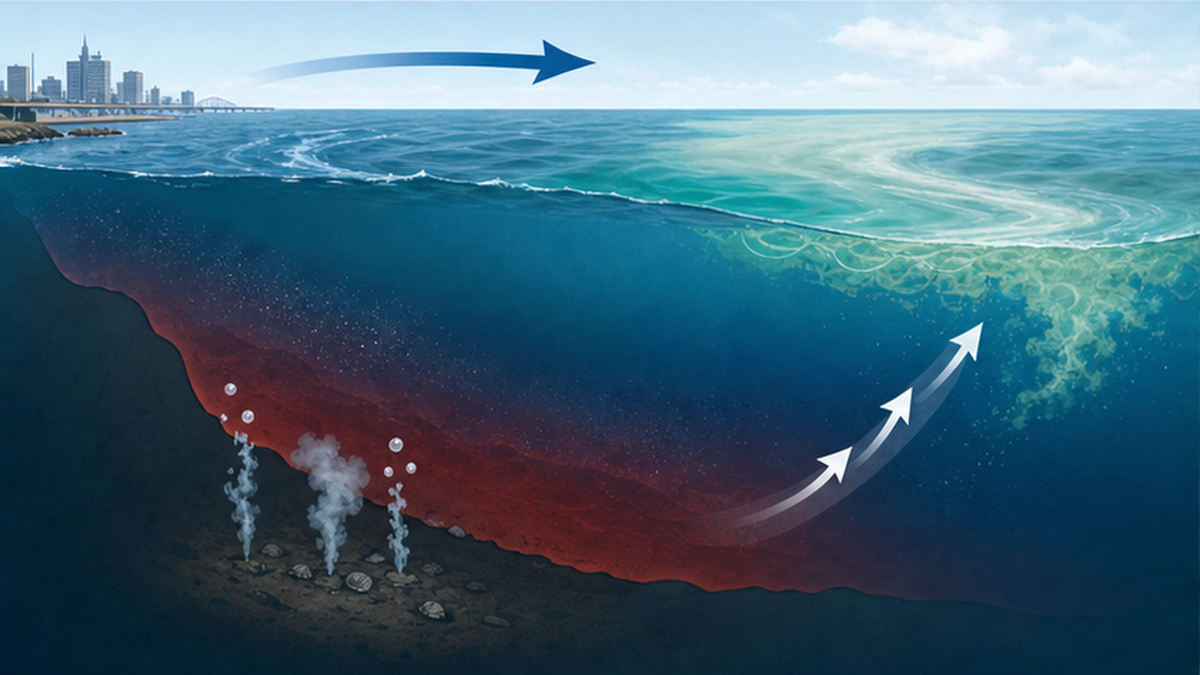
As the hypoxic water mass develops further, an even more troublesome phenomenon occurs. On a seabed with almost no oxygen, microorganisms called sulfate-reducing bacteria, which breathe using sulfate instead of oxygen, multiply, and their activity generates a toxic gas called hydrogen sulfide. When a strong northerly or offshore wind then blows from summer into autumn, surface water is pushed out to sea, and bottom water containing hydrogen sulfide wells up to fill the gap (upwelling).
When the upwelled hydrogen sulfide reacts with oxygen in the air near the sea surface and is oxidized, tiny sulfur particles (sulfur colloid) form. These particles reflect light, making the sea appear clouded in blue-green or milky white; this is the true nature of the "blue tide." In sea areas where a blue tide occurs, the double blow of hydrogen sulfide and oxygen starvation can cause mass die-offs of fish and shellfish, sometimes devastating clam fishing grounds famous for clam digging. Despite its beautiful name, "blue," the reality of this phenomenon is harsh for living creatures.
Blue tide is not only a problem for Tokyo Bay
Blue tides and hypoxic water masses occur in enclosed, nutrient-rich inner bays across Japan, including Mikawa Bay, Osaka Bay, and Harima-nada in the Seto Inland Sea, in addition to Tokyo Bay. Hypoxic water tends to accumulate especially in "depressions" where the seabed has been dug deep by land reclamation, and the history of developing areas that were once shallows or tidal flats by reclaiming them is also considered one factor behind deoxygenation. This is part of the background for why tidal flat conservation is being reconsidered from the perspective of water quality purification.
A blue tide is one of the rare moments when the hard-to-see phenomenon of deoxygenation manifests visibly before our eyes, in the form of the color of the sea surface. A family out for clam digging first realizes something is wrong with the sea when they see the whitish, clouded water and the vast numbers of dead shellfish washed ashore; this kind of scene still repeats itself along seashores near cities today. A blue tide is a familiar "warning sign," reminding us that deoxygenation, which might seem like a story from the distant open ocean, is actually happening right next to our daily lives.
A blue tide occurs when a hypoxic bottom-layer water mass containing sulfides wells up to the surface due to seasonal winds, and the sulfides react with oxygen in the air and are oxidized, producing sulfur colloid.
— Summarized from the Tokyo Metropolitan Government Bureau of Environment's "Hypoxic Water Masses and Blue Tides"
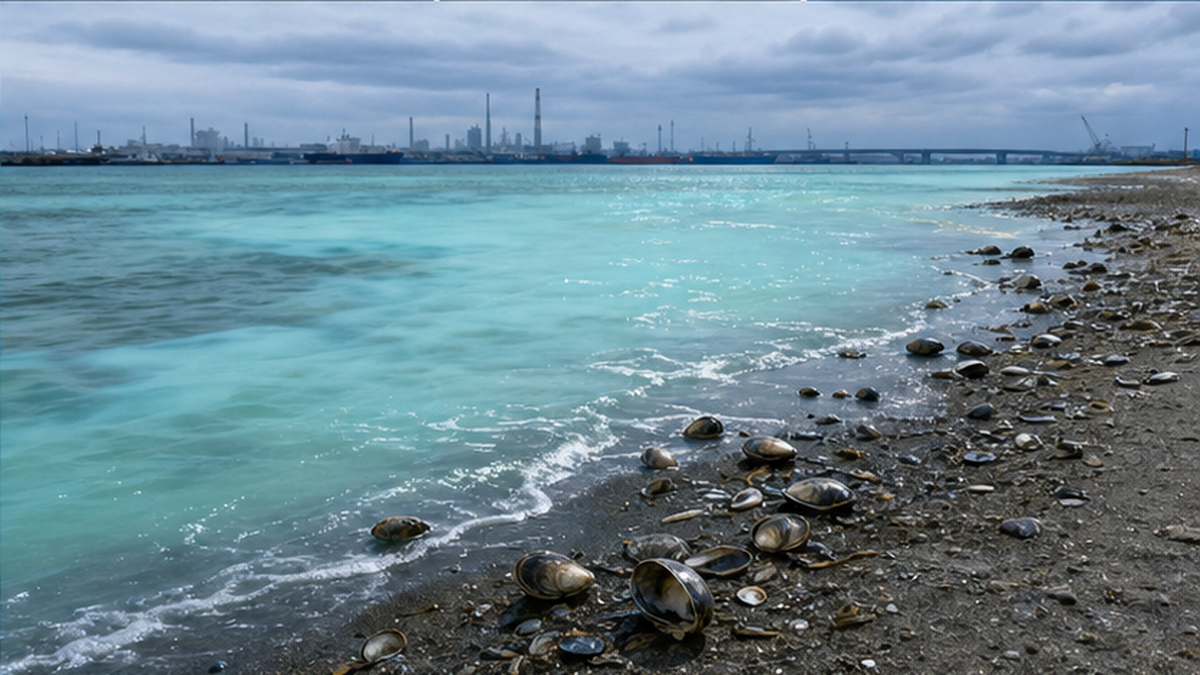
Four steps in the mechanism of a blue tide
- (1) Eutrophication and stratification create a hypoxic water mass on the summer seabed
- (2) Sulfate-reducing bacteria in the anoxic seabed generate hydrogen sulfide
- (3) A strong offshore wind pushes surface water away, causing bottom water to well up
- (4) Hydrogen sulfide oxidizes to form sulfur particles, clouding the sea blue-green: a blue tide
Impact on ecosystems, fisheries, and us
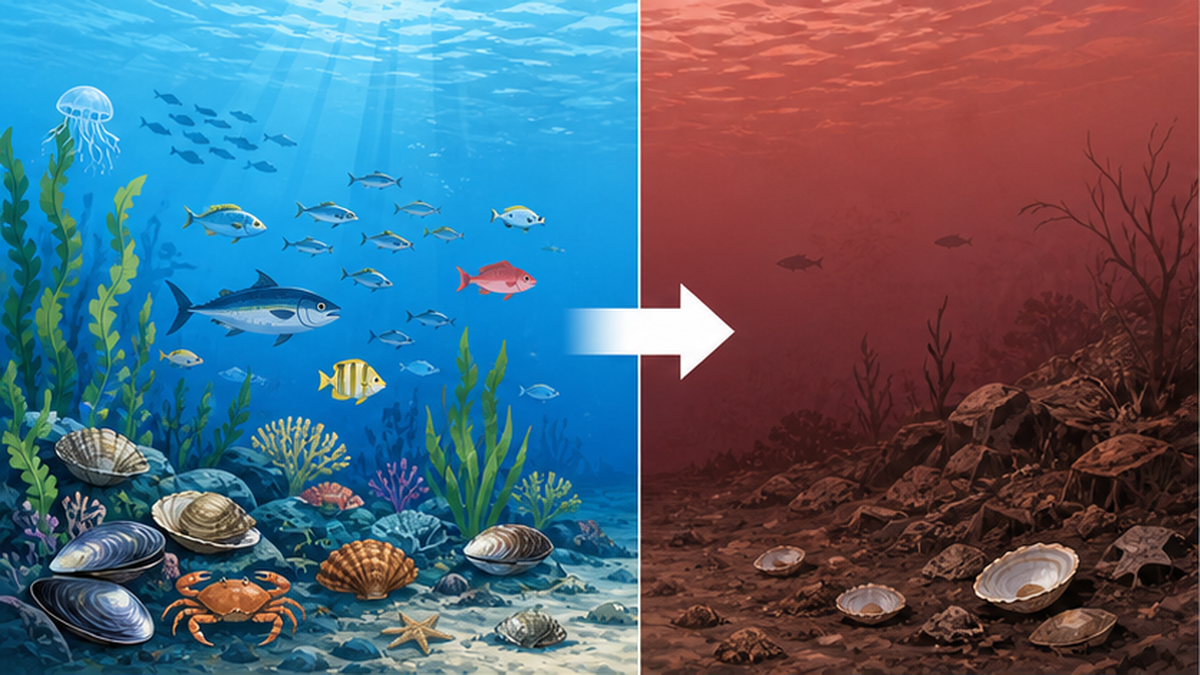
When ocean oxygen declines, the first creatures to be affected are those living on the seabed. Fish can swim away, but creatures that are fixed in place or slow-moving, such as clams, marine worms, and crabs, have nowhere to escape and die in massive numbers. Seabed creatures form the foundation of the food chain, and if they disappear, the effects spread to the fish and birds that feed on them.
The blow to fisheries
Hypoxic water masses and blue tides deal a direct blow to fisheries. Clam fishing, once thriving in Tokyo Bay, has suffered major damage from hypoxia and blue tides. Fish, too, when surrounded by a hypoxic water mass, are pushed into a narrow area with plenty of oxygen, causing catches to fluctuate sharply. Nutrient management and the ocean's productivity are issues directly connected to the sustainability of fisheries and the biodiversity of Japan's oceans.
Looking at the open ocean, deoxygenation is beginning to change the very distribution of the world's fisheries resources. Migratory fish such as tuna, marlin, and skipjack require large amounts of oxygen, so as oxygen minimum zones expand, they are pushed into shallower layers where they can still swim. This not only narrows the range where fish can live, but also raises new challenges, such as fish concentrated in low-oxygen layers becoming easier to overfish, affecting the very nature of fisheries. Ocean oxygen is quietly connected even to fish on dinner tables far away.
Degraded biodiversity and a "sea with fewer creatures"
In sea areas exposed to hypoxia year after year, species vulnerable to low oxygen disappear, transforming the area into a "simplified ecosystem" where only a few tolerant species remain. A sea once teeming with diverse creatures becomes a lonely sea with few species left. Seaweed/seagrass beds and tidal flats supply oxygen to the water and absorb nutrients to purify it, but deoxygenation weakens these rich ecosystems themselves, creating a vicious cycle.
Furthermore, it has become clear in recent years that deoxygenation also affects the ocean's carbon cycle. On an oxygen-free seabed, organic matter is more likely to be released not only as carbon dioxide but also as greenhouse gases such as methane. In other words, it has been pointed out that a frightening "negative loop" may be possible, in which warming drives deoxygenation, and that deoxygenation in turn could further reinforce warming. The problem of ocean oxygen is connected not only to living creatures and fisheries, but to the climate itself.
Monitoring that keeps watch over ocean water quality
To capture these changes, Japan's national government, local authorities, and research institutions continuously monitor coastal water quality. In Tokyo Bay, a system that estimates and publishes the distribution of dissolved oxygen in near real time is in operation, advancing efforts to detect hypoxic water masses and blue tides at an early stage. To protect the marine environment, continuously measuring water temperature, dissolved oxygen, nutrients, and other factors using scientific data is indispensable.
Separating ocean monitoring from "rumor and speculation"
The state of the ocean is monitored separately across many items, including dissolved oxygen, water temperature, nutrients, and radioactive substances. For example, regarding the ALPS-treated water from the Fukushima Daiichi Nuclear Power Plant, the concentrations of radioactive substances in seawater and fish are measured both before and after discharge by the Ministry of the Environment, the Japan Meteorological Agency, and related organizations, and the data is made public. This is a separate scientific topic from the deoxygenation (oxygen decline due to eutrophication and warming) discussed in this article. When thinking about ocean issues, it is important to judge based on the facts shown by each set of monitoring results, and to separate uncertain impressions or rumors from the facts shown by publicly available data.
What we can do: efforts to bring oxygen back
Deoxygenation is a serious problem, but it is not without solutions. Since the cause lies in "excess nutrients" and "warming," countermeasures are being advanced around those two pillars. In fact, thanks to advances such as more sophisticated sewage treatment, water quality in Japan's inner bays has improved compared with its worst period in the past. Here, let's organize both society's efforts and what each of us can do individually.
Reducing and managing nutrients
The most direct approach is reducing the nitrogen and phosphorus flowing into the sea. This includes removing nitrogen and phosphorus at sewage treatment plants, appropriate use of fertilizer on farmland, and regulating factory wastewater. In Japan, in March 2016, "bottom-layer dissolved oxygen" was newly added to the environmental standards for oceans and lakes. This standard exists to protect the level of oxygen needed for seabed creatures to live and reproduce, set at 4.0 mg/L or above for Category 1 biological waters, 3.0 mg/L or above for Category 2, and 2.0 mg/L or above for Category 3. It is a globally advanced initiative that sets protecting seabed oxygen itself as an explicit goal.
What is distinctive about this environmental standard is that it aims to protect oxygen not simply from the standpoint of "whether the water is clean," but from an ecosystem perspective of "whether creatures on the seabed can live there and reproduce." With this standard in place, bottom-layer oxygen is now continuously measured in sea areas across the country, making it possible to confirm the effectiveness of countermeasures toward the target in concrete numbers. It is no small thing that society now has a clear yardstick for measuring deoxygenation, a phenomenon that is otherwise hard to see.
Restoring the ocean's own purifying power
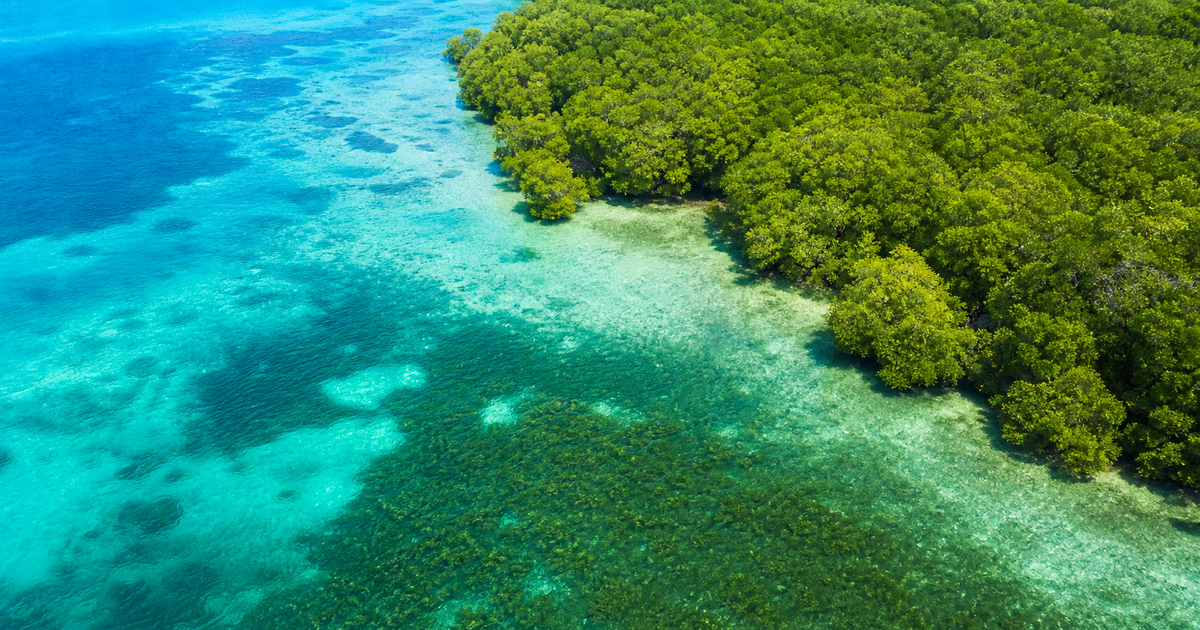
Restoring lost tidal flats, shallow areas, and seaweed/seagrass beds is also effective. Tidal flats and these beds are "natural purification devices" that absorb nutrients and supply oxygen to the water. Tidal flat conservation, restoration of seaweed/seagrass beds, and conservation of blue carbon ecosystems, where seaweed and seagrass absorb and store CO2, are drawing attention as efforts that offer a double benefit, addressing both deoxygenation and warming at once.
Stopping warming and rethinking our lifestyles
To fundamentally curb deoxygenation in the open ocean, reducing greenhouse gas emissions is essential. Climate measures such as energy conservation and the shift to renewable energy may seem like a roundabout approach, but they are also efforts that protect ocean oxygen. There is actually quite a lot we can do in our own daily lives as well.
What matters is not giving up on deoxygenation as "an unsolvable, overwhelming problem." Just as the water quality of Japan's inner bays has improved over the past several decades, the ocean will respond, little by little, if society commits to it in earnest. Managing nutrients, restoring tidal flats and seaweed/seagrass beds, and taking climate action: these are not the work of government and researchers alone, but are also connected to the accumulation of small choices in our daily lives. Protecting the ocean's oxygen is also protecting our own lives, as people who eat the fish caught there and play at its shores.
- Do not overuse detergents or fertilizer (reduce nutrient runoff)
- Do not pour leftover food or oil down the drain (reduce the organic load)
- Choose actions that curb warming, such as saving energy and electricity
- Take an interest in local ocean water quality data and in tidal flat and seaweed/seagrass bed conservation activities
- Correctly understand the background behind news about red tides, blue tides, and deoxygenation
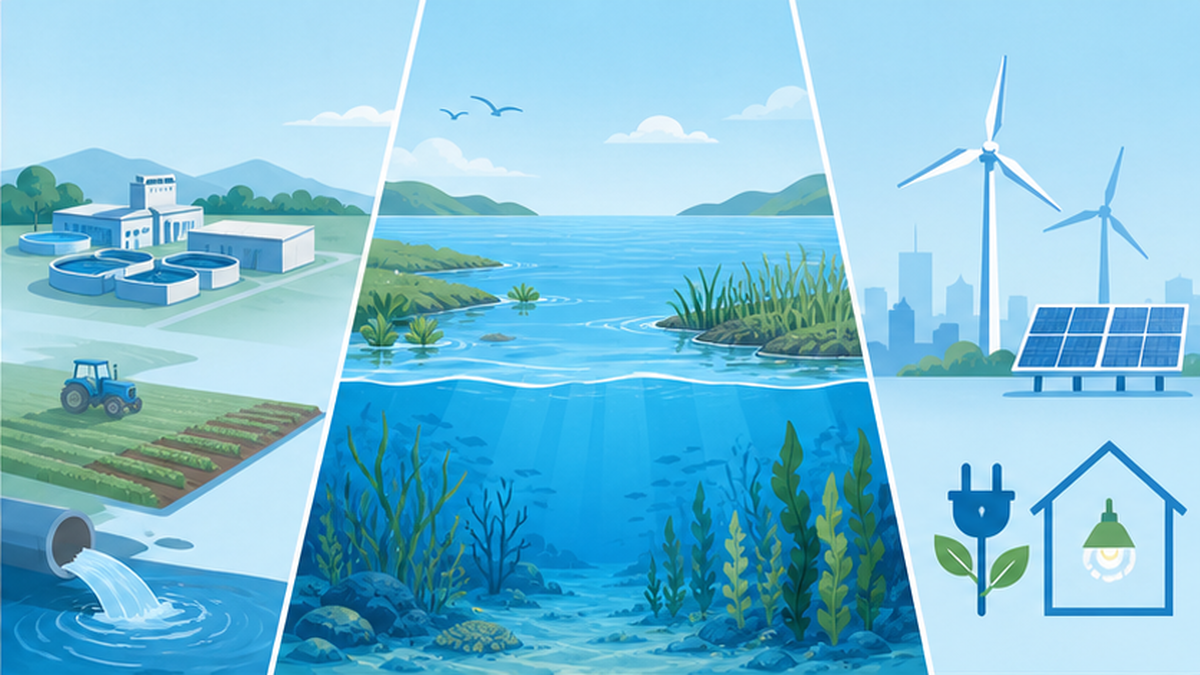
Small steps you can take starting today
- Avoid pouring oil and leftover food down the kitchen drain as much as possible
- Use detergent and fertilizer in the appropriate amount, not more than needed
- Take a look at water quality and environmental information for a nearby sea or river
- Try joining an ocean conservation event, such as a tidal flat observation session or a seaweed/seagrass bed restoration activity
Conclusion: protecting the ocean's breath
"Deoxygenation," the decline of ocean oxygen, is a complex environmental problem that advances where a familiar water quality issue, eutrophication, overlaps with a global climate issue, global warming. More than 500 dead zones have been confirmed worldwide, and in Japan too, it is happening right near us, in the form of Tokyo Bay's hypoxic water mass and blue tide.
But the fact that the causes are clear also means the measures to take are clear. Reducing nutrients, restoring the ocean's purifying power through tidal flats and seaweed/seagrass beds, and curbing warming: each of these efforts is connected to protecting the ocean's "breath." The next time you see the words "blue tide" or "hypoxia" in the news, we hope you will remember what is happening behind them, and turn your attention to the connection between the ocean and our own lives.
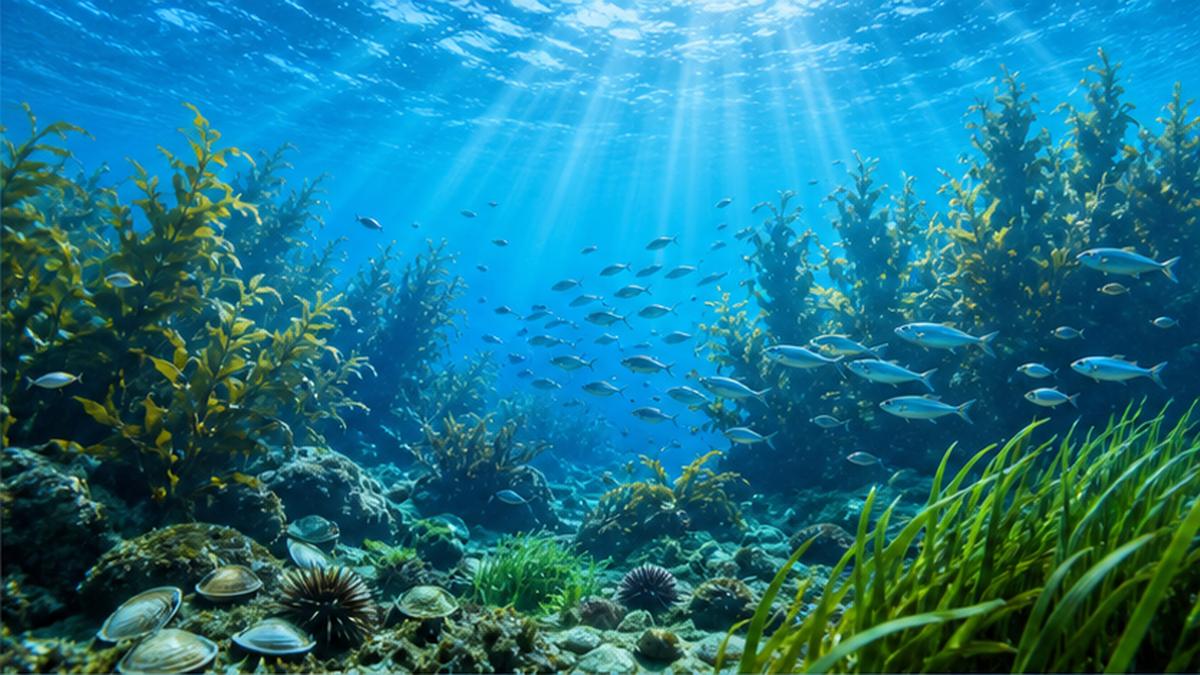
Understanding deoxygenation correctly is the first step
Deoxygenation is still less well known than warming or ocean acidification, and tends to be perceived through a vague impression, along the lines of "the sea is somehow polluted." But its true nature can be explained through a clear mechanism: "oxygen supply declining while consumption rises". Once you understand the mechanism, news about red tides and blue tides, and discussions of environmental standards and sewage treatment, can all be read as one connected story.
The ocean is a much closer part of our lives than we tend to think. The fish on our dinner table, the beach where we dig for clams, a summer swim in the sea: each of these rests on the small but vital condition of ocean oxygen. If this article has led you to take even a small interest in the "breathing" of the ocean near you, that alone is a meaningful step toward protecting it.
Related articles that will deepen your understanding
- The mechanism of red tides and eutrophication (a closer look at the trigger for hypoxia)
- Ocean warming and its impact on fisheries (the warming behind declining oxygen)
- Tidal flat conservation and seaweed/seagrass bed restoration (efforts to restore the ocean's purifying power)
- Blue carbon ecosystems (reconciling warming countermeasures with hypoxia countermeasures)
Summary of this article
- Deoxygenation is a phenomenon in which the dissolved oxygen in seawater declines, making it harder for living things to breathe. Open-ocean oxygen has declined by about 2% since the 1960s
- A dead zone is a sea area where creatures can no longer live due to lack of oxygen, and more than 500 exist worldwide, with the Gulf of Mexico and the Baltic Sea as representative examples
- The main causes are eutrophication (nitrogen and phosphorus from land) and warming. Warming steals oxygen through three pathways: reduced solubility, strengthened stratification, and increased respiration
- In Tokyo Bay, a hypoxic water mass forms in summer, and the upwelling of hydrogen sulfide produces a "blue tide" that clouds the sea and damages clams and other shellfish
- Countermeasures include reducing nutrients, restoring tidal flats and seaweed/seagrass beds, and curbing warming. In 2016, Japan added bottom-layer dissolved oxygen to its environmental standards
References and sources
- Ministry of the Environment - Environmental quality standards for water pollution (addition of bottom-layer dissolved oxygen, living environment items)
- IPCC (Intergovernmental Panel on Climate Change) - Special Report on the Ocean and Cryosphere in a Changing Climate (SROCC, 2019)
- UNESCO / IOC - Reports on ocean deoxygenation by the Global Ocean Oxygen Network (GO2NE)
- Tokyo Metropolitan Government Bureau of Environment - Status of the water environment of Tokyo's rivers and Tokyo Bay (hypoxic water masses and blue tides)
- Japan Fisheries Research and Education Agency - Methods for evaluating the scale of hypoxic water masses occurring in Tokyo Bay
- NOAA (National Oceanic and Atmospheric Administration) - Gulf of Mexico 'dead zone' larger than average (2024)
- PNAS - Deoxygenation of the Baltic Sea during the last century (2014)
- IUCN (International Union for Conservation of Nature) - Ocean deoxygenation issues brief
- National Institute for Environmental Studies - Research on elucidating and conserving aquatic ecosystems in enclosed sea areas
* Listed in order of reliability: government and academic institutions > peer-reviewed papers > specialist organizations > reliable media