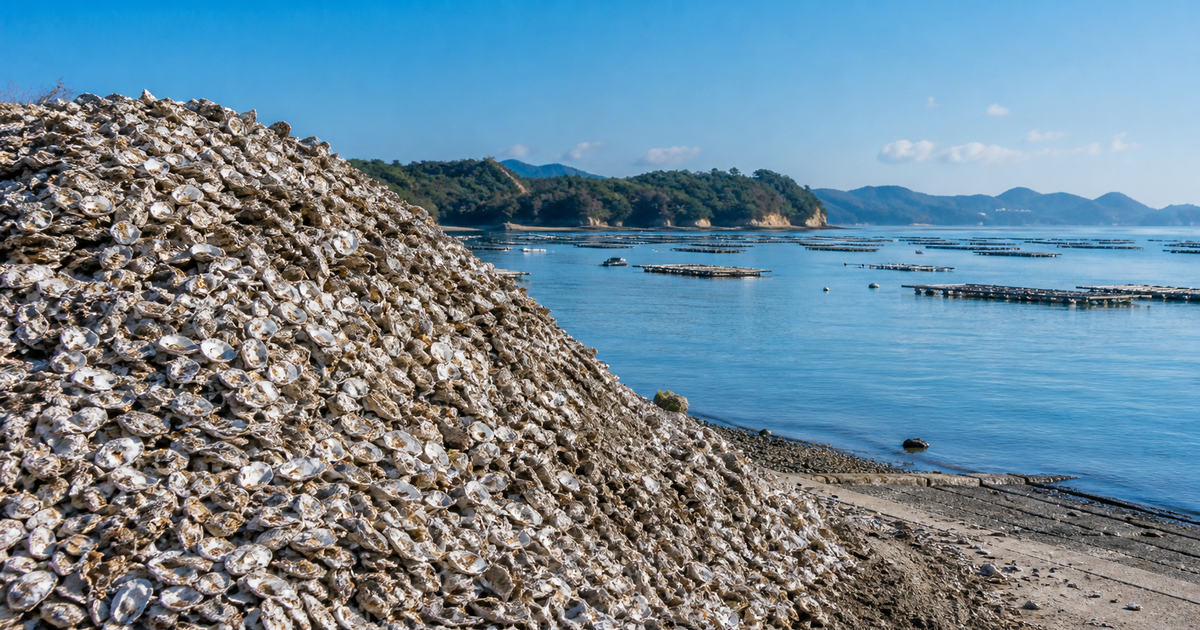
Hiroshima's oysters brighten winter dinner tables across Japan. But did you know that after the plump meat is removed, the production area is left with roughly 150,000 tons of shells every year? Oyster shells were once routinely used as fertilizer and feed, but in recent years their uses have narrowed, and they increasingly become "industrial waste" that is troublesome to dispose of. Yet their true identity is that of a genuine resource: over 90% calcium carbonate, the same substance found in limestone.
This article walks through, one by one, the many ways oyster shells are being turned into value — from why they are generated in such large volumes in the first place, to their use as soil conditioner, fertilizer, feed, water purification material, road material, and even chalk. The setting is Hiroshima, which accounts for roughly 60% of Japan's oyster aquaculture volume, and the coastal areas of the Seto Inland Sea. We trace, with numbers and real examples, the "oyster shell cycle" that is gradually taking shape here.
Discarded, it becomes troublesome waste; put to use, it becomes a local resource. Through the familiar material of oyster shells, let's learn together — from junior high and high school students to adults — about the idea of resource circulation that connects the ocean with our daily lives.
What you'll learn in this article
- Why oyster shells are generated in such large volumes and tend to become industrial waste
- The value as a resource held by calcium carbonate, the main component of oyster shells
- The many paths to reuse, including soil conditioner, fertilizer, feed, water purification, and road material
- Real examples of the "oyster shell cycle" taking shape in Hiroshima and the Seto Inland Sea
- Why utilization is struggling to grow, and what perspective is needed to keep the cycle going
Oyster Shells: "Another Blessing of the Sea"
For Japanese people, oysters are a familiar winter delicacy enjoyed in hot pots, grilled, or fried. But only the meat is eaten. Once the shucked meat is removed, what remains is a hard shell weighing and measuring many times more than the meat itself. Roughly 150,000 tons of oysters are farmed nationwide each year, and shells are said to account for about 80% of their total weight. In other words, whenever we eat oysters, a huge volume of shell is always being generated behind the scenes.
How to handle these shells has long been a challenge for production areas. Properly utilized, oyster shells become a valuable resource; but if they lose their outlet, they pile up along the shore, becoming a "nuisance" that causes foul odors, degraded scenery, and environmental burden on coastal waters. Oyster shells are truly a representative material that can become either waste or resource depending on perspective.
What's interesting is that oyster shells carry a multifaceted significance that goes beyond simple "waste not." While they incur disposal costs as waste, as a resource they prove useful across a wide range of fields — agriculture, livestock farming, civil engineering, and industry. While they become marine debris if they flow into the sea, if returned to the sea properly they also become a force for cleaning the water. It's rare for a single material to hold such opposite faces at once, which is exactly why oyster shells are so suggestive when thinking about resource circulation.
Why They "Tend to Become Industrial Waste"
There are three main reasons oyster shells tend to become industrial waste. First, generation is concentrated during the harvest season, producing a huge volume of shells in a short period. Second, the flesh and seawater residue clinging to the shells creates an odor that makes them difficult to handle as-is. Third, they are bulky and heavy, making transport costly over long distances. When these conditions overlap, shells with no outlet in sight become "something that must simply be thrown away."
On the other hand, the main component of oyster shells is calcium carbonate, the same substance found in seashells and eggshells. This is also the material behind limestone and chalk, and in fact it is used across a wide range of fields — agriculture, livestock farming, civil engineering, and industry. In other words, oyster shells hold the potential to be repeatedly put to use as a natural calcium resource, as long as they are properly pretreated and given a destination.
Key Points of This Article
- Oyster shells are generated at a scale of roughly 150,000 tons per year nationwide
- Their main component is calcium carbonate, which can become a resource just like limestone
- Concentrated generation, odor, and weight are the main causes of "becoming industrial waste"
- With the right pretreatment and destinations, a wide range of reuse is possible
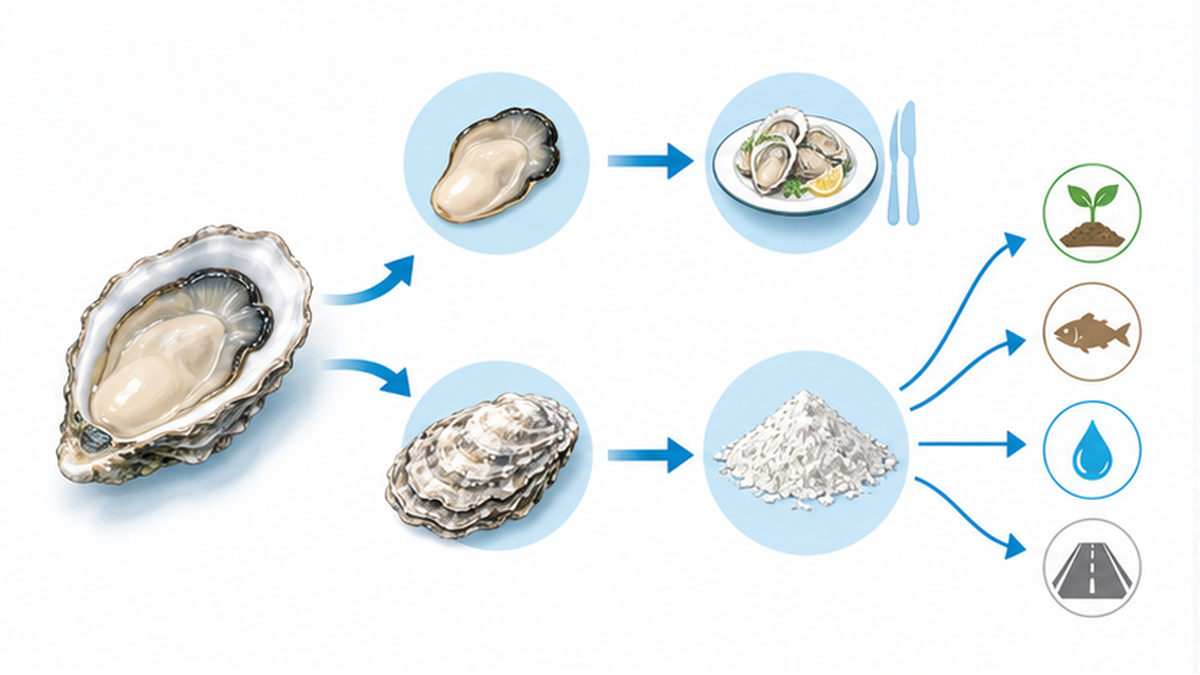
What Separates "Waste" from "Resource"
The same oyster shells can look like entirely different things depending on whether they are a foul-smelling pile left exposed to the rain, or a bagged fertilizer that has been dried and crushed. What separates the two is not the nature of the shell itself, but whether a system exists that takes the effort to connect it to a use. Someone to collect it, equipment to process it, and farmers or companies willing to use it. If even one link in this chain is missing, the shell instantly falls to being "something that must simply be thrown away." Conversely, if this chain is connected, the shell becomes a resource that circulates through the region.
Recycling and resource conservation can sound complicated, but their essence comes down to exactly this "ingenuity in connecting the chain." Oyster shells are a material whose results of that ingenuity show up very clearly, making them an ideal teaching example for learning about resource circulation.
In this article, we'll trace the paths of oyster shell reuse one by one. Let's start by confirming the basic numbers: how much is generated, and where.
Why Are Oyster Shells Generated in Such Large Volumes? — The Reality of Production and Disposal
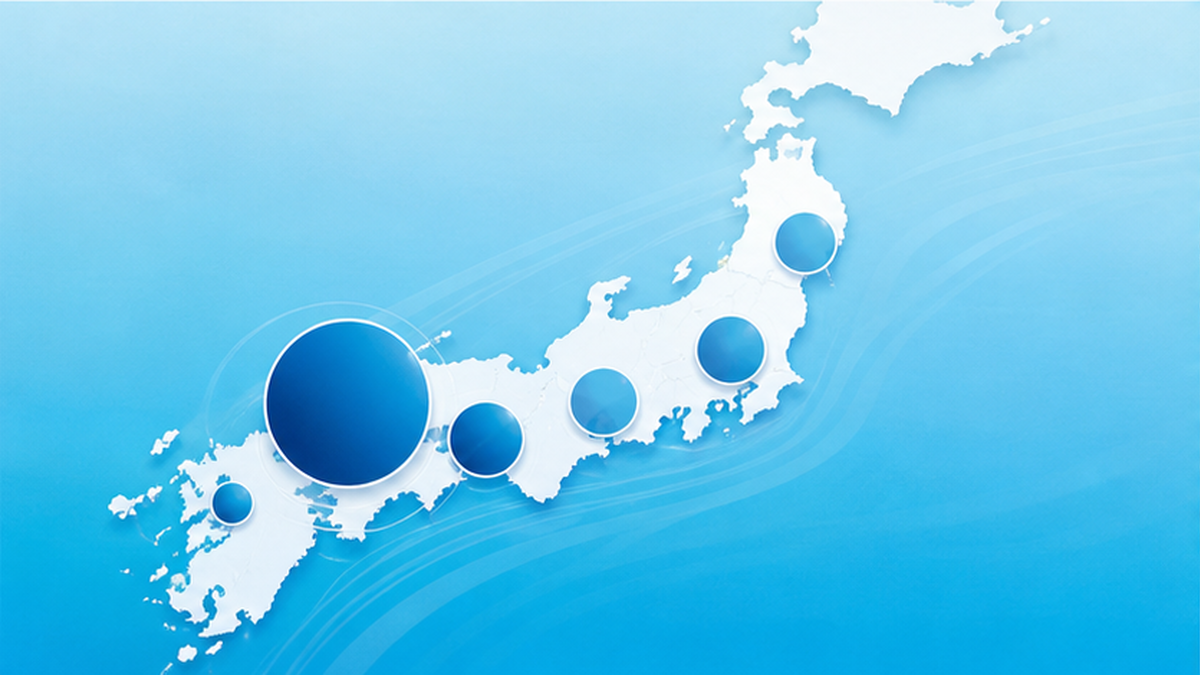
Essential to any discussion of oyster shells is the scale of oyster aquaculture itself. According to statistics from the Ministry of Agriculture, Forestry and Fisheries, Japan's total oyster aquaculture harvest in 2023 (Reiwa 5) was approximately 149,000 tons. Of that, Hiroshima Prefecture accounted for approximately 89,000 tons, an overwhelming roughly 60% of the national total. Hiroshima is, in name and in fact, Japan's top oyster production area.
Harvested oysters are shucked at processing plants. Hiroshima Prefecture produces roughly 20,000 tons of shucked oyster meat each year, and behind that, it is estimated that roughly 150,000 tons of oyster shell are generated annually. In terms of volume, that comes to around 200,000 cubic meters per year — equivalent to several hundred 25-meter school swimming pools, a staggering amount.
A Map of Production Areas Nationwide
Hiroshima is not the only oyster production area. The Sanriku region, including Miyagi Prefecture, is also a traditional major production area, where aquaculture has been revived alongside recovery from the earthquake disaster. For more on Sanriku's oysters and its path to recovery, see our article on the recovery of Sanriku's fisheries industry. Aquaculture also thrives in places such as Okayama and Hyogo Prefectures along the Seto Inland Sea coast, with each port town facing its own oyster shell generation issue.
| Item | Approximate Figure |
|---|---|
| Japan's total oyster aquaculture harvest (2023) | ~149,000 tons |
| Hiroshima Prefecture's aquaculture harvest (2023) | ~89,000 tons |
| Hiroshima Prefecture's national share | ~60% |
| Hiroshima Prefecture's shucked meat production | ~20,000 tons/year |
| Hiroshima Prefecture's oyster shell generation | ~150,000 tons/year (~200,000 m³) |
The Reality of Shrinking Uses
Oyster shells were once routinely used as lime fertilizer spread on fields or as feed providing calcium for chickens. In recent years, however, their volume of use has been trending downward. Hiroshima Prefecture materials point out that oyster shell utilization is struggling to grow, against a backdrop of fluctuating demand from poultry farming due to avian influenza outbreaks and soaring prices of agricultural materials.
As uses shrink, shells with nowhere to go pile up. Disposal costs money, and if left unattended, they become a problem of odor and scenery. That is precisely why it is important for production areas to prepare several new outlets that "put shells to use" rather than simply "throw them away."
Flowing into the Sea, They Also Become "Drifted Debris"
Oyster shells that are not properly collected and stored, along with some of the materials used in aquaculture, sometimes flow out into the sea. Along the coast of the Seto Inland Sea, it has been pointed out that a considerable portion of the drifted debris washed ashore is related to oyster aquaculture, and cleanup requires a great deal of effort and expense every year. While the shells themselves are a natural material, if a large amount accumulates in one place, the odor, decay, and impact on the seabed environment cannot be ignored. Reliably collecting the shells that are generated and putting them onto the rails of circulation is an essential starting point for keeping the sea clean as well.
In other words, the issue of oyster shells is not simply a matter of "what a waste." If not handled properly, it is an environmental problem in its own right that can contribute to marine debris. That is precisely why, as we'll see in the next chapter, it is important to correctly understand "what exactly is a shell" and to know the path to drawing out its value.
Trivia: Why the Shell Is "Heavy"
Oyster shells are so heavy because of their hard structure, built up layer upon layer of calcium carbonate to protect the flesh inside. This weight and hardness becomes one cause of "turning into industrial waste" through transport costs and the effort of crushing, while also being the very source of its value as a resource.
A Seasonal "Wave" of Generation
Oysters are in season in winter. From around November to March, when many people enjoy hot pots and grilled oysters, production of shucked meat is concentrated. Naturally, the oyster shells generated behind that also occur in large volumes during winter. Rather than being produced steadily throughout the year, this "wave of generation" — a huge amount all at once during a limited period — is one factor that makes disposal difficult. If the processing destination's capacity cannot keep up, shells pile up temporarily, and securing storage space becomes an issue.
Conversely, preparing multiple outlets with different demand seasons — fertilizer, feed, water purification material, industrial material — can smooth out this wave. Shells generated in a concentrated burst during winter can be gradually distributed across various uses throughout the year. Stabilizing the oyster shell cycle requires exactly this idea of "spreading out demand."
The True Nature of Oyster Shells: Calcium Carbonate as a Resource
The key to understanding oyster shells as a "resource" lies in their composition. Oyster shells are composed of over 90% calcium carbonate (CaCO3). This is the exact same substance that makes up limestone, coral, eggshells, and chalk. The remaining roughly 10% contains minerals and trace elements such as potassium, magnesium, nitrogen, and iron — and this "lime with added ocean minerals" is exactly what makes oyster shells unique.
Calcium carbonate is alkaline, giving it the ability to neutralize acidified soil and suppress harmful substances in water. Moreover, it is a harmless substance found abundantly in nature and is easy to handle. This is exactly why oyster shells are also called "natural lime," and can play an active role across an impressively wide range of fields: fertilizer, soil conditioner, feed, and water purification material.
Firing Changes Their Properties
The properties of oyster shells change depending on how they are processed. When shells are heated in a kiln to 900–1000°C or higher, the calcium carbonate releases carbon dioxide and transforms into calcium oxide (quicklime). This dissolves easily in water and becomes a "fast-acting" material that takes effect quickly in soil. On the other hand, it also tends to wash away easily and its effects don't last as long.
In contrast, oyster shells that are simply dried and crushed without firing become a "slow-release" material that dissolves gradually and lasts a long time. The alkaline content of oyster shells is around 40–50%, milder than the 60–75% of slaked lime. This characteristic of gently neutralizing the soil over time, rather than changing it abruptly, can be a major advantage depending on how it is used.
| Processing Method | Main State | Characteristics of Effect |
|---|---|---|
| Dried and crushed only | Calcium carbonate | Slow-release. Acts gradually over a long period |
| Fired at high temperature | Calcium oxide (quicklime) | Fast-acting. Works quickly but washes away easily |
| Water added after firing | Calcium hydroxide (slaked lime) | High alkaline content with strong neutralizing power |
It's a Waste to Mine "Calcium Carbonate We Throw Away"
Calcium carbonate is normally obtained by quarrying limestone from mountains. Japan is one of the few resource-self-sufficient countries when it comes to limestone, but even so, mining takes a toll on the natural environment. Here, if the huge volume of oyster shells generated every year could be used as a substitute for limestone, it could offer a two-for-one benefit: reducing mining while also reducing waste. Hiroshima Prefecture also cites the use of oyster shells as a substitute for limestone in the construction and manufacturing industries as a new outlet for oyster shells.
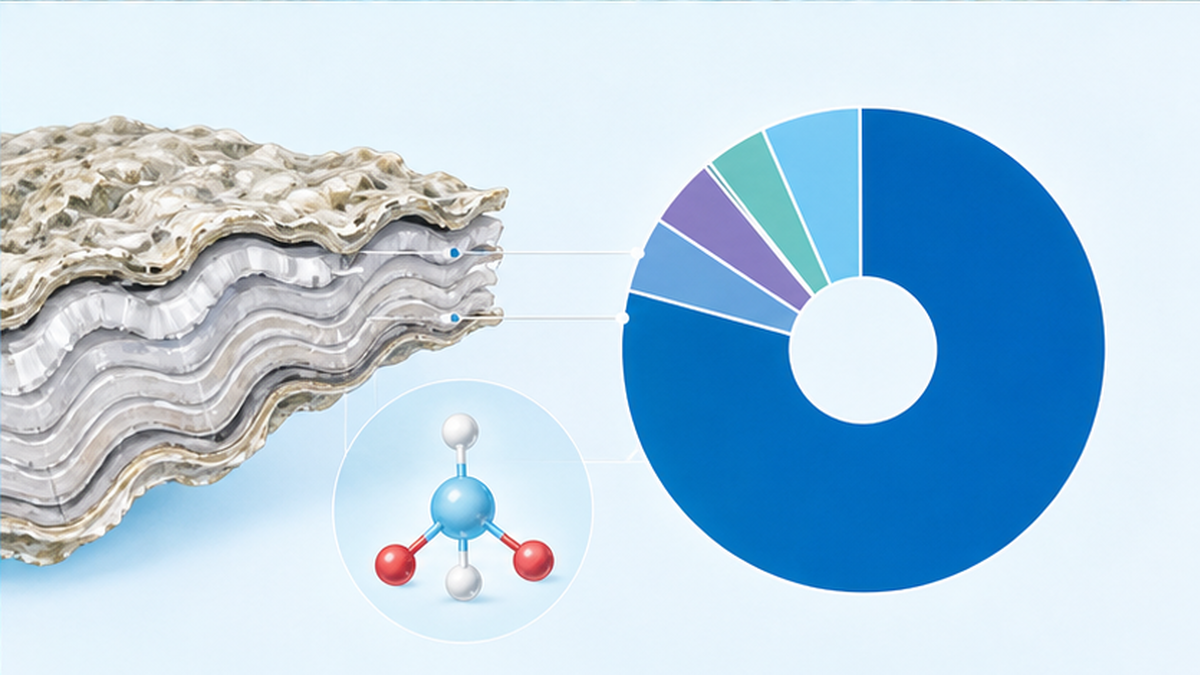
Calcium Keeps Circulating
Oysters take in calcium from seawater to build their shells. Returning that shell to the soil or the sea is, in a sense, circulating calcium obtained from the ocean back through nature. Utilizing oyster shells is also a rational use of resources that follows this grand cycle of matter.
Porosity: Another Weapon
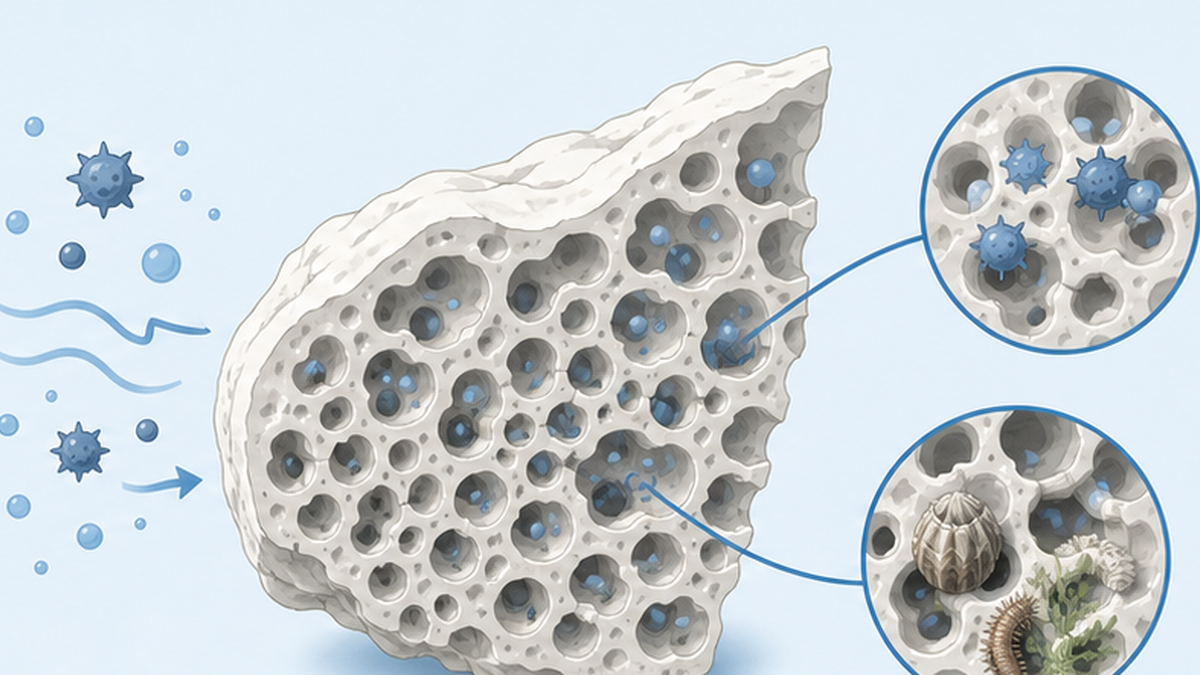
The value of oyster shells isn't limited to their chemical composition. If you break open a shell, the interior has a porous structure riddled with tiny gaps. These countless holes create the ability to adsorb harmful substances in water or become a habitat for small creatures. Even though it's the same calcium carbonate, the "large surface area" not found in dense limestone is a strength unique to oyster shells. The use in water purification introduced later in this article is possible precisely because of this porous structure.
In other words, oyster shells are a material with two faces: "calcium carbonate as chemistry" and "porosity as structure." The former is useful as fertilizer, feed, and industrial material; the latter as a material for improving water environments. The fact that different value can be drawn out from the same shell depending on the angle is exactly what makes oyster shells such an interesting resource.
Use as Soil Conditioner and Fertilizer
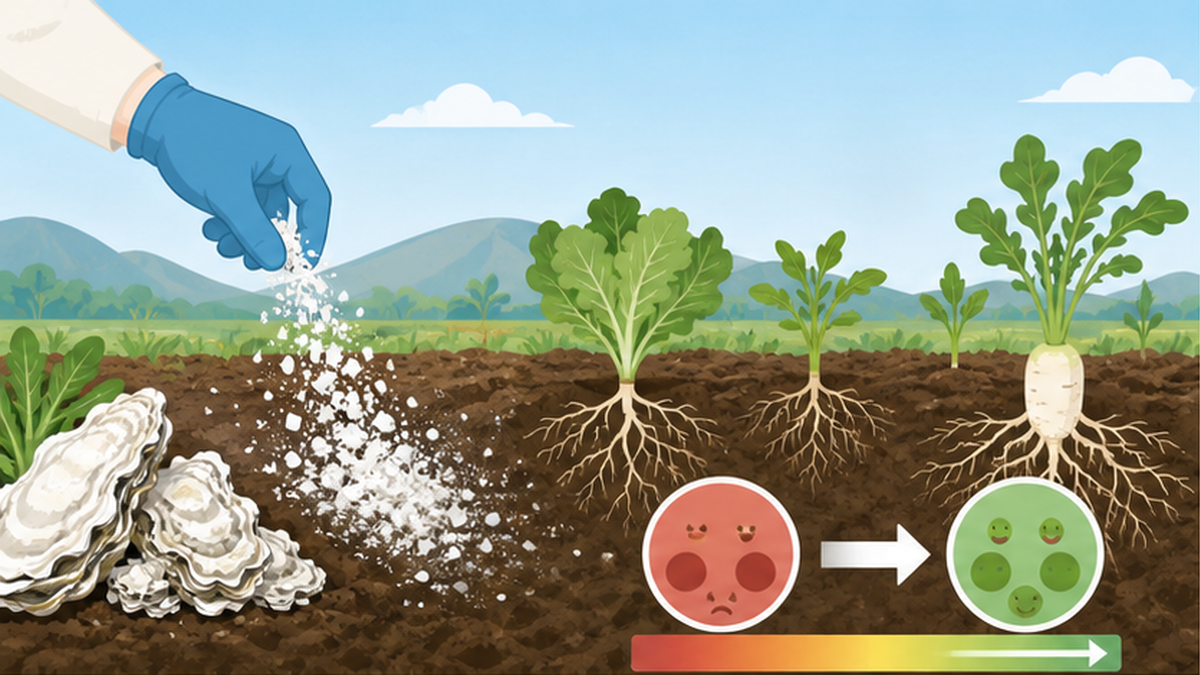
The oldest use of oyster shells is as a soil conditioner and lime fertilizer in agriculture. Japan's field and paddy soils tend to lean acidic, partly due to heavy rainfall. Since most crops prefer slightly acidic to neutral soil, roots cannot properly absorb nutrients when acidity is too strong, resulting in poor growth. That's why alkaline oyster shells are spread to neutralize the soil, creating conditions where crops can grow more easily.
The appeal of oyster shell lime lies in its slow-release nature. Simply crushed oyster shell dissolves gradually, making it less prone to the failure of over-altering the soil all at once, and easy for beginners to handle. It is also sold commercially as organic lime for home gardening, valued for gently balancing pH adjustment and calcium supplementation at the same time.
A Source of Calcium and Minerals
Oyster shells don't just balance soil pH — they also supply calcium itself to crops. Calcium is an important nutrient that strengthens cell walls and improves the firmness and shelf life of fruit. Furthermore, oyster shells contain trace elements derived from seawater, such as magnesium and iron, and the ability to supplement minerals that are hard to provide with chemical fertilizer alone makes them popular among producers pursuing organic farming.
A Surprising Effect in Rice Paddies
In flooded rice paddies, the process of organic matter decomposing in the soil can generate a harmful gas called hydrogen sulfide. Oyster shells have the ability to adsorb and detoxify this hydrogen sulfide, preventing root damage and helping produce stable harvests. Initiatives to grow rice using oyster-shell-based soil conditioners are indeed underway in various regions, a good example of how a production area's byproduct returns to food production.
- Gently neutralizes acidic soil, creating conditions where crops grow more easily
- Supplies calcium, improving fruit firmness and shelf life
- Supplements ocean-derived minerals such as magnesium and iron
- Adsorbs hydrogen sulfide in rice paddies, reducing root damage
- Slow-release nature makes overuse failures less likely, easy to handle
If Trying It in a Home Garden
- Choose commercially sold oyster shell lime as organic lime, which is slow-release and easy to handle
- Mix into the soil about two weeks before sowing or planting to let it settle in
- Don't spread a large amount at once — adjust gradually while watching the condition of the soil
Building Soil Without Relying Solely on Chemical Fertilizer
In recent agriculture, "soil building" that strengthens the power of the soil itself is being reevaluated, driven by soaring chemical fertilizer prices and growing concern about environmental impact. Oyster shell lime is being re-recognized in this trend as an organic material that can handle both pH adjustment and calcium/mineral supplementation at once. Combining it with compost or organic matter to improve the soil's granular structure balances drainage and water retention, and activates microbial activity. A byproduct from a production area is becoming a material that underpins sustainable agriculture.
That said, oyster shell lime is not a cure-all. Applying too much can tip the soil too far toward alkaline, which can actually make nutrients harder to absorb. What matters is watching the condition of the soil closely and using only the amount needed. This gentle, slow-release characteristic pairs well with this kind of "adjust while observing" approach.
Eutrophication of the ocean, which causes red tides, and the fertilization of fields are actually connected issues. When excess nutrients that run off from fields reach the sea via rivers, they can trigger abnormal plankton growth. Hints for thinking about the flow of nutrients as a whole are also introduced in our article on red tides and eutrophication. The gentle action of oyster shells is meaningful in this respect too, for curbing sudden nutrient runoff.
Use as Feed — Strengthening Eggshells
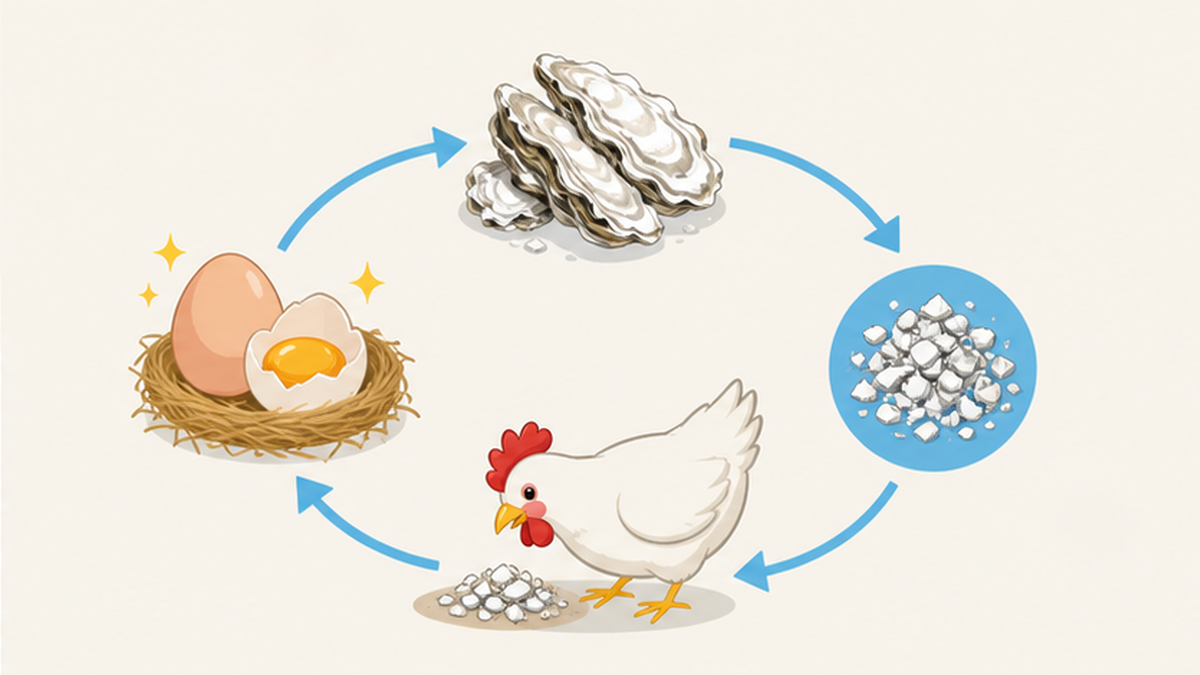
Alongside agriculture, another traditional use of oyster shells is as livestock feed. In poultry farming in particular, oyster shells have long been prized as a calcium source for chickens. Chickens lay eggs almost every day, and the eggshell itself is a lump of calcium carbonate. Without enough calcium, chickens end up laying eggs with thin, easily cracked shells.
By crushing oyster shells and mixing them into feed, chickens can efficiently take in calcium and lay eggs with a sturdy shell. The fact that an oyster's shell, in a roundabout way, ends up supporting an eggshell is a clear example of resource circulation. Oyster shells are also used as feed for small birds, reptiles, and amphibians.
Shells of a creature from the sea support the body-building of a creature on land. Feed use of oyster shells is also, in this sense, a "handoff of calcium connecting sea and land." Calcium taken in from seawater becomes an oyster's shell, passes through a chicken's body, becomes an eggshell, and eventually cracks and returns to the soil. Behind our dinner tables, this invisible relay of calcium continues quietly but surely. Behind the seemingly modest use as feed lies a rationality that follows nature's own material cycles.
A Hiroshima Circular Economy Company Running for Over 70 Years
Hiroshima is home to companies that have long supported this resourcing of oyster shells. For example, Maruei Co., Ltd., founded in 1952, has worked on manufacturing and selling oyster shell fertilizer and feed for over 70 years. The company is said to collect roughly 100,000 tons of oyster shell generated within Hiroshima Prefecture, processing it into feed for poultry farming and lime fertilizer for fields and paddies. Gathering a region's byproducts and turning them into valuable products to give back to society — this is truly a company at the core of the oyster shell cycle.
Such companies do more than simply reuse shells. In addition to fertilizer and feed, they are continuously creating new oyster shell products to match the needs of the times — liquefied oyster shell fertilizer, wall material, disinfectants — expanding their thinking toward upcycling (reuse that raises value above the original). Their journey of turning industrial waste into a pillar of business, rather than a nuisance, can be called a model for resource circulation.
We found new possibilities in oyster shells that could only have been discarded, and through upcycling — adding value to them — we have continued to support the oyster aquaculture industry.
— From the efforts of a Hiroshima oyster shell processing business
Demand Is Not Constant
Demand for feed can swing significantly when poultry farming conditions change, such as during avian influenza outbreaks. Relying too heavily on a single use means that when that market shrinks, shells lose their outlet. That's exactly why expanding outlets beyond feed is key to stabilizing the cycle.
Only Possible with a "Collection System"
In turning oyster shells into a resource, the most unglamorous yet crucial step is actually the process of "collecting" them. Production areas have countless oyster processing plants, each generating a small amount of shell at a time. Rather than leaving these scattered, efficiently collecting them, consolidating them in one place, and pretreating/processing them together is what makes producing products like fertilizer and feed possible. Processing businesses that have long been rooted in the region have played exactly this role as a hub for consolidation.
The pretreatment step of storing shells for a while in an underwater storage area at sea, letting attached flesh and salt settle before raising them, is also essential for controlling odor and stabilizing quality. It isn't flashy, but this accumulation of small efforts is what pushes industrial waste up into a product. We must not forget that the oyster shell cycle is supported not just by technology, but by regional cooperation and steady, unglamorous work.
Cleaning Up the Sea and Rivers — Water Purification and Fishery Ground Restoration
Oyster shells aren't only put to use on land. Attracting attention in recent years is their use in improving the water quality and sediment of the sea and rivers. Oysters are, to begin with, creatures that grow by filtering organic matter and plankton from seawater. A single oyster is said to filter several hundred liters of seawater a day, and oyster aquaculture itself is said to play a role in maintaining ocean water quality. Their shells, too, carry a property that helps regulate the water environment.
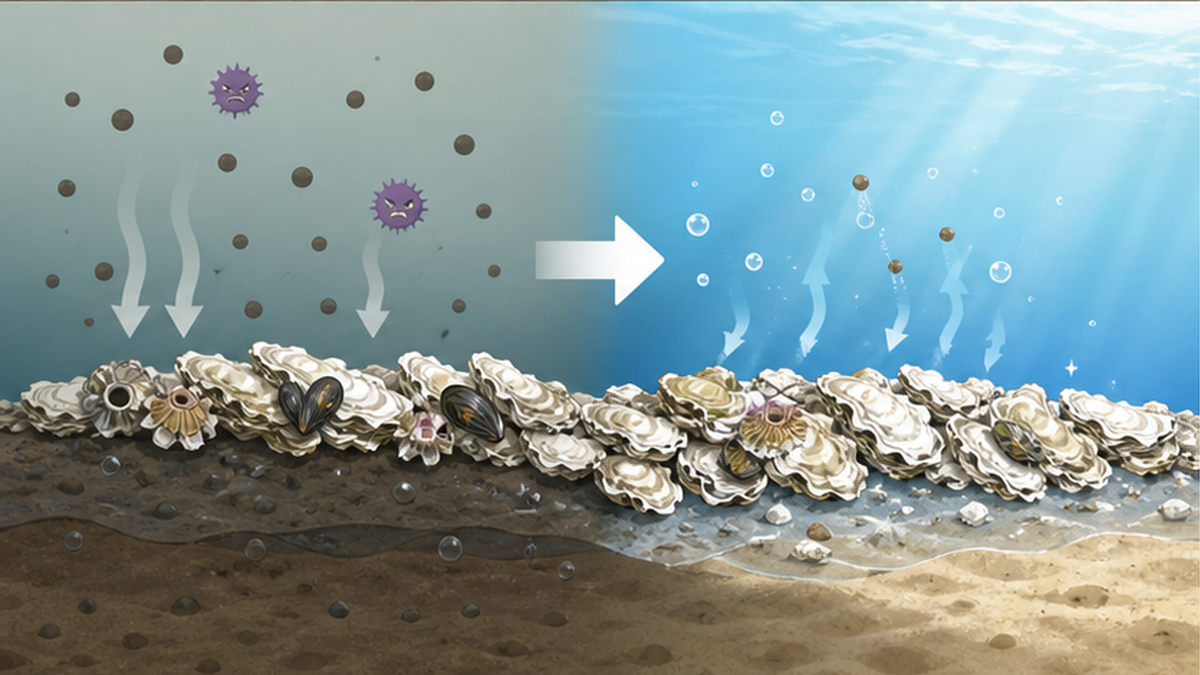
When crushed, pretreated oyster shell is laid as "sand capping" over a seabed that has accumulated sludge and become low in oxygen, the shell raises the sludge's pH and adsorbs and detoxifies harmful hydrogen sulfide. Furthermore, small creatures such as bivalves and barnacles attach to the porous surface of the shell, and as they filter organic matter from the water, the water becomes cleaner. This is a double effect: the shell becomes a habitat for creatures, and those creatures purify the water.
Sand-Capping and Filter Methods
In the construction field, technologies such as the "oyster shell sand-capping method" and the "oyster shell filter method" have been developed using oyster shells. The former covers and improves seabed sediment with shell, while the latter passes water through shell used as filter media to remove contaminants. Research has reported that in purification tests targeting agricultural water, suspended solids concentration dropped from around 20 mg/L to around 2 mg/L within a few days, and biochemical oxygen demand (BOD) also dropped from around 8 mg/L to around 4 mg/L.
Paired with Restoring Tidal Flats and Seagrass Meadows
Essential to any discussion of the sea's purifying power are tidal flats and seagrass meadows. Tidal flats nurture many creatures, decompose organic matter, and are sometimes called the "kidneys of the sea" for cleaning the water. Improving sediment with oyster shells produces an even greater effect when combined with tidal flat conservation and seagrass meadow restoration. From the perspective of blue carbon — where marine creatures store carbon — efforts to improve coastal environments are also drawing attention.
| Purification Indicator | Before Treatment | After Treatment (a few days to a week) |
|---|---|---|
| Suspended solids (SS) | ~20 mg/L | ~2 mg/L |
| Biochemical oxygen demand (BOD) | ~8 mg/L | ~4 mg/L or so |
Key Points of Water Purification
- The shell raises the pH of sludge and adsorbs harmful hydrogen sulfide
- Bivalves and barnacles attached to the porous shell filter the water
- Effectiveness increases when combined with tidal flat and seagrass meadow restoration
Creating a "Home" for Living Creatures
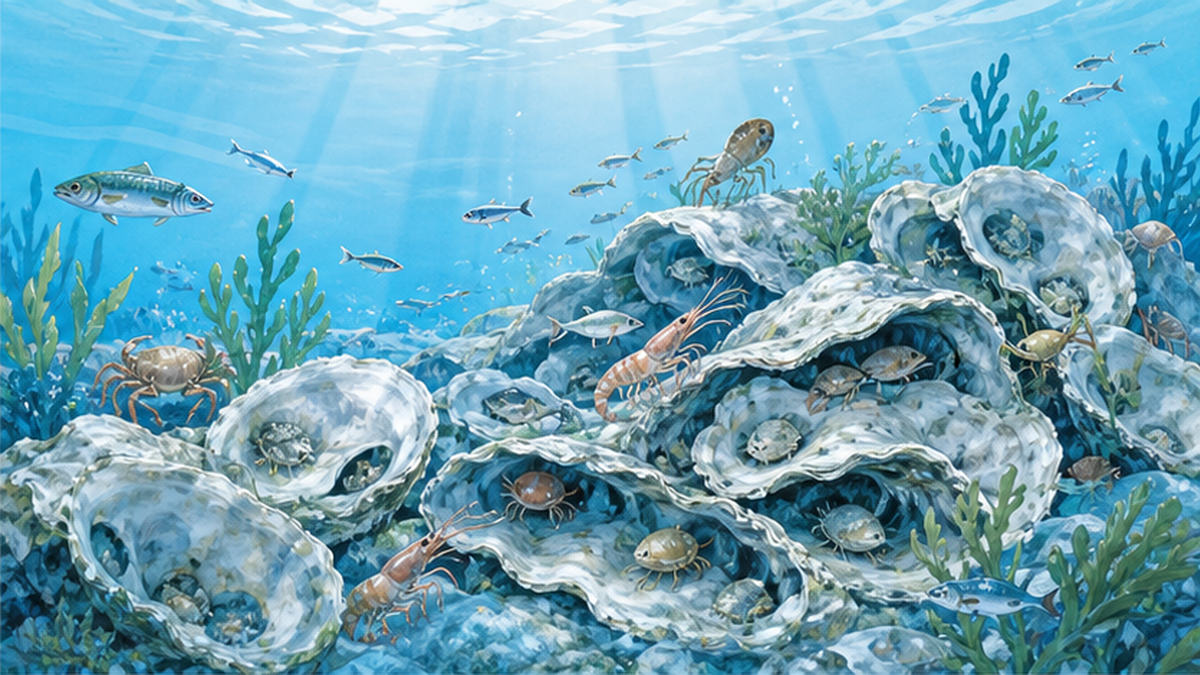
The significance of putting oyster shells into the sea isn't limited to removing contaminants. The rugged, intricate shape of the shells makes an ideal hiding place for small fish, shrimp, crabs, and juvenile shellfish. Compared to bare sand or mud, places where shells have accumulated offer abundant hiding spots and prey creatures, making it easier for a thriving community of organisms to form. In fact, artificial fish reefs built from piled oyster shells have been tried in various regions as an effort to bring creatures back.
The vibrancy of marine life — in other words, biodiversity — is also the foundation of rich fishing grounds. For more on the diverse creatures living in Japan's seas, see this article. Improving sediment and building fish reefs with oyster shells can be a step not only toward cleaner water but also toward restoring this biodiversity. That said, when placing shells in the sea, it is essential to carefully manage the quantity and location so as not to disrupt the environment instead.
Expanding Outlets: Roads, Chalk, and Industrial Materials
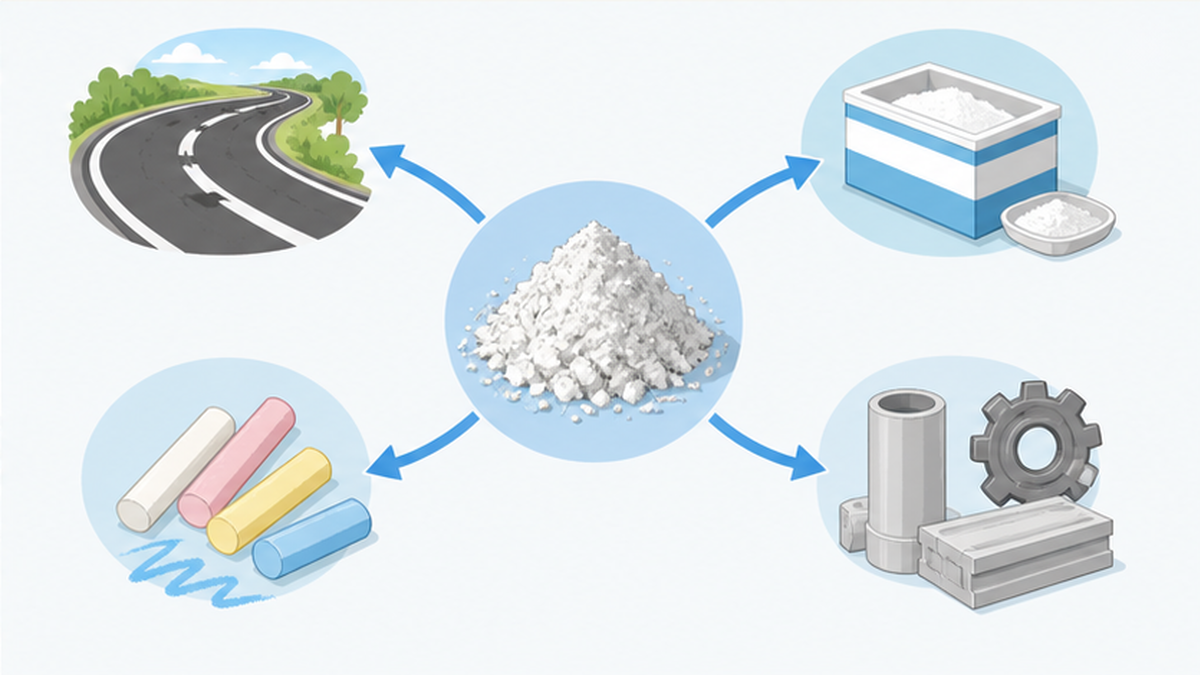
A fourth path, following agriculture, livestock farming, and water environments, is use as a material in civil engineering and industry. Calcium carbonate, the main component of oyster shells, can be used for paving material and industrial raw material just like limestone. Let's look here at efforts to use shell as a "substitute for stone."
Mixed into Road Asphalt
Asphalt paving uses a fine powder called "stone powder (filler)" to fill in gaps. Technology has been developed to mix powdered oyster shell in place of this stone powder, achieving recycled pavement with performance equivalent to ordinary asphalt. Furthermore, "landscape pavement" is also being created by adding wood chips or colored rubber to oyster shell and hardening it with resin, making use of the shell's natural color and texture. It's an effort to bring the texture of the shell into sidewalks and the like while maintaining slip resistance.
Roads run throughout the country, and paving them uses a tremendous amount of material. Even if just a small portion of that were replaced with oyster-shell-derived material, it would become a major outlet for the surplus shells at a production area. Using a region's byproducts for that same region's infrastructure — this kind of "local production for local consumption" resource use also reduces the burden of transport, making it one ideal form of a circular society.
Chalk, Gofun Pigment, and Road Subgrade
Calcium carbonate derived from shells also becomes material for chalk used in schools. Chalk made from shells has been reported to maintain resistance to breaking while improving smooth writing feel and sharpness of the lines drawn. The same calcium carbonate is also used widely and surprisingly in everyday items close at hand — "gofun," the white pigment used in Japanese-style paintings, baby powder, toothpaste, cosmetic raw materials, and filler material for plastic and paper. Oyster shells hold potential as a supply source for these materials as well.
In the civil engineering field, technologies using shells as ground material or subgrade material (the base layer beneath roads) have also been studied. If oyster shells generated every year could be diverted to material use instead of quarrying limestone, both resource extraction and waste could be reduced. Just as with fishing net recycling, which regenerates plastic fishing nets, the idea of transforming a fisheries byproduct into a new material lives on here too.
- Mixed into pavement as a substitute for asphalt's stone powder
- Making landscape pavement that makes use of the shell's color and texture
- Used as a raw material for chalk that resists breaking and writes smoothly
- Used as filler for gofun pigment, cosmetics, and paper or plastic
- Used in civil engineering as ground material or subgrade material
The Value of "Not Having to Quarry Stone"
Calcium carbonate is normally obtained by quarrying limestone from mountains. If the huge volume of oyster shells generated every year could be diverted in its place, it would reduce both the natural burden of mining and the amount of waste. Industrial use of oyster shells is expected to be one step toward a circular society.
A New Face as Wall Material and Disinfectant
Industrial use of oyster shells is not limited to traditional applications. In recent years, products have also appeared that finely process shells into plaster wall material, or that make use of the alkalinity and adsorptive properties of the shell's components to create disinfecting and deodorizing materials. Adding water to fired oyster shell produces a strongly alkaline substance, and this property can be used to make disinfectants that don't rely on chemical agents. This kind of effort to draw functional products out of a familiar material is a fine example of upcycling.
The spread of these new applications is also a movement that goes beyond the fixed idea that "shells are for fertilizer or feed." If the potential as a material is carefully explored, oyster shells can still generate new value. The curiosity of researchers and companies is turning industrial waste into products one after another.
The idea of turning fisheries byproducts into new materials isn't limited to shells alone. It shares the same underlying idea as efforts to regenerate used fishing nets as plastic resources, and the efforts of regions that have rebuilt their fisheries industry after overcoming disaster. If you're interested, also see our article on the recovery of Sanriku's fisheries industry.
The Circular Model of the Seto Inland Sea and Hiroshima, and the Challenges That Remain
As we've seen, oyster shells have a truly diverse range of outlets: soil conditioner, fertilizer, feed, water purification material, road asphalt, and chalk. And much of this is actually taking shape in Hiroshima and the coast of the Seto Inland Sea, Japan's top production area. Storing shells in an underwater storage area at sea for three months or more to remove odor, then crushing and drying them before sending them out for each use — this processing flow, too, has been established as a set of rules, with consideration given to the environment and marine traffic.
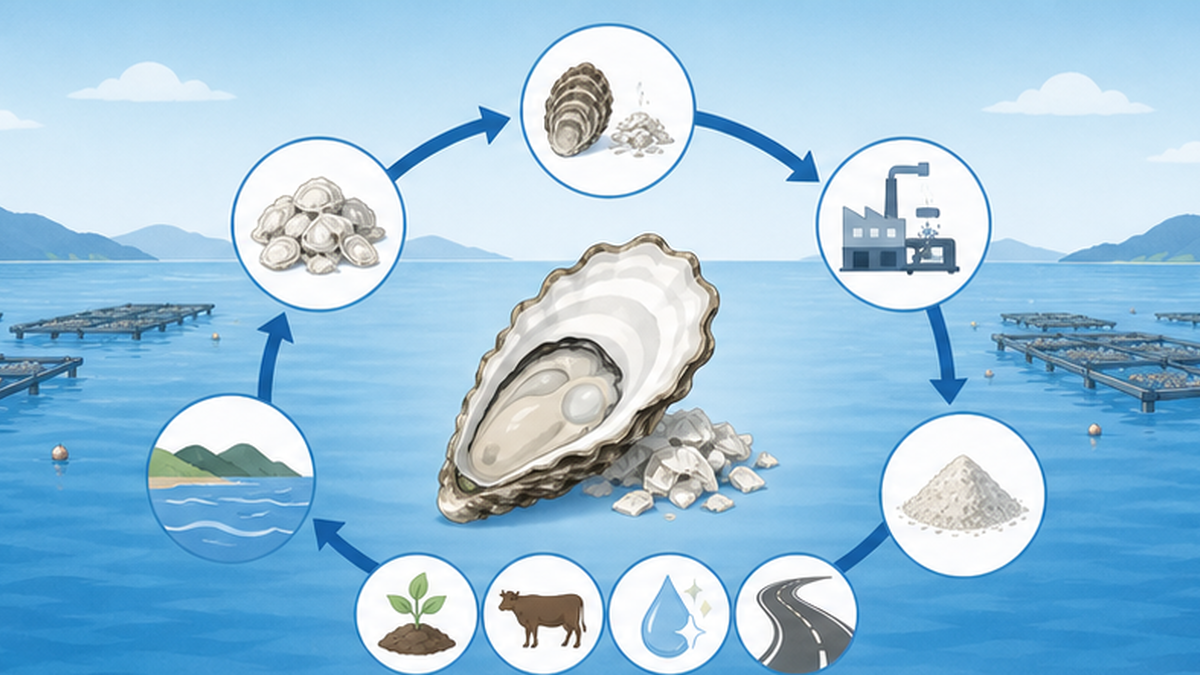
Hiroshima Prefecture is promoting the development of new uses, in addition to traditional fertilizer and feed, such as commercializing paddy fertilizer, improving water quality in tidal flats, and using shell as a limestone substitute in the construction and manufacturing industries. Within a single production area, a cycle is taking shape: "generation → collection → processing → various uses → back to farmland or the sea."
This circular model matters not simply because it reduces waste. Having resources circulate within a region also creates employment related to processing and logistics, supporting the local economy. A byproduct from oyster aquaculture, a core industry, is properly received by another industry in the region and turned into value. The oyster shell cycle can be described as a familiar practice of a "regional circular and ecological sphere" that strengthens the region both environmentally and economically. For oyster production areas across the country, the efforts of Hiroshima and the Seto Inland Sea have become a leading example worth learning from.
Why Utilization Still Struggles to Grow
Even so, challenges remain. As mentioned earlier, it has been pointed out that oyster shell utilization is actually trending downward, affected by fluctuating poultry demand due to avian influenza and price swings in agricultural materials. When demand leans too heavily on a single use, the shells become surplus the moment that market shrinks. It is essential to grow multiple uses in parallel to spread out the waves of demand.
A Wider View: Aquaculture Waste Beyond Just Shells
What must not be forgotten is that shells are not the only thing generated by oyster aquaculture. Aquaculture uses a huge number of plastic pipes, with estimates suggesting over 200 million are used in Hiroshima Bay alone. If these flow into the sea, they become debris washed ashore, requiring a great deal of expense to clean up. Alongside resourcing oyster shells, advancing measures against plastic waste from fishing gear is connected to the sustainability of the production area as a whole. Along with our article on how ocean warming affects fisheries and Japan's marine biodiversity, it's worth taking a broad view of the relationship between aquaculture and the environment.
| Stage of the Cycle | Content |
|---|---|
| Generation | Large volumes of oyster shell generated during oyster shucking |
| Pretreatment | Stored for three months or more in an underwater storage area, then crushed and dried |
| Processing | Processed into fertilizer, feed, water purification material, industrial material, etc. |
| Use | Used in farmland, livestock farming, coastal waters, roads, and products |
| Return | Calcium returns to soil or sea, feeding into the next cycle |
What Matters for Keeping the Cycle Going
- Don't rely on a single use — grow multiple outlets in parallel
- Build a system resilient to waves of demand (avian flu, material prices)
- Advance measures against aquaculture plastic waste alongside shell measures
- Follow processing rules and give consideration to the environment and marine traffic
What We Can Do
The oyster shell cycle isn't something only producers, companies, and government can carry. There are things we, as consumers, can do too. For example, choosing to support fertilizer and products that make use of oyster shells. Learning about what initiatives are happening in production areas, and sharing the fact that shells are becoming a resource with those around us. And participating in beach cleanup activities, or paying attention to the issue of marine debris. This kind of interest from each individual becomes the "power of the user" that keeps the cycle turning.
Recycling is only complete when both the maker and the user are in place. No matter how advanced the technology used to turn shells into products, if there's no one to choose and use them, the cycle stops. Learning about resource circulation through oyster shells is also a way of realizing that we ourselves are part of that circle.
Ocean warming and environmental change are also beginning to affect oyster aquaculture itself. For more on how rising seawater temperatures affect fisheries, see this article. To pass the blessing of oysters on to the future, we need to keep an eye on both the oyster shell cycle and the ocean environment at the same time.
Summary — From "Discarded Shell" to "Circulating Resource"
Oysters are indispensable to the winter dinner table. The roughly 150,000 tons of oyster shell generated behind them every year is, if left alone, industrial waste that is troublesome to dispose of — but its true identity is a proper resource made of over 90% calcium carbonate. Soil conditioner, fertilizer, feed, water purification material, road asphalt, even chalk — change your perspective, and the shell becomes a material that can be put to use again and again.
In Hiroshima, Japan's top production area, and along the coast of the Seto Inland Sea, the oyster shell cycle — from generation, through pretreatment and processing, to multi-purpose use, and finally return to farmland or the sea — has gradually taken shape. At the same time, challenges remain, such as waves of demand and plastic waste from aquaculture. That's precisely why it's necessary to keep growing multiple uses, keep an eye on waste beyond just shells, and persistently continue the cycle.
The story of oyster shells packs the essence of resource circulation into a single, compact example. Even a byproduct generated in huge volumes can circulate through society again and again as a proper resource — if we understand its composition and structure, arrange pretreatment and logistics, prepare multiple outlets, and have users who choose to use it. Conversely, if even one of these links is missing, it instantly reverts to being troublesome waste. This importance of "the effort to connect" is a lesson common not just to oyster shells, but to every effort in recycling and resource conservation.
The familiar material of oyster shells teaches us that what determines "waste or resource" is not the object itself, but our own wisdom and ingenuity. The next time you eat oysters, spare a small thought for where the leftover shell goes. That small bit of interest is exactly the surest force for keeping the cycle that connects the sea and our lives turning.
Summary of This Article
- Oyster shells are generated at a scale of roughly 150,000 tons per year nationwide, tending to become industrial waste
- Their main component is over 90% calcium carbonate, the same resource as limestone
- Firing makes them fast-acting; simply crushing them makes them slow-release — processing changes their properties
- Uses are diverse: soil conditioner, fertilizer, feed, water purification, road material, chalk, and more
- A cycle from generation to return is growing in Hiroshima and the Seto Inland Sea
- Waves of demand and aquaculture plastic waste are challenges; growing multiple outlets is key
References and Sources
- Ministry of Agriculture, Forestry and Fisheries – Fisheries and Aquaculture Production Statistics Survey (Oyster Aquaculture Harvest Volume)
- Hiroshima Prefecture – On the Utilization of Oyster Shells
- Ministry of the Environment, Japan – Fisheries Waste Disposal Guidelines (Revised), May Reiwa 2
- Fisheries Agency of Japan – Technology for Using Fisheries Byproducts (Shells) as Ground Material
- Ministry of Agriculture, Forestry and Fisheries – Environmentally Conscious "Oysters" Raised in Hiroshima Prefecture
- Fujita Technical Research Report – Development of Water Environment Improvement Technology Using Oyster Shells (Sand-Capping Method, Filter Method)
- Hiroshima Prefecture – On the Reiwa 7 Hiroshima Oyster Production and Shipping Guidelines
- Hokkaido Research Organization – Development of Shell Chalk (Reference Case for Calcium Carbonate Use)
※ Listed in order of reliability: government and academic institutions > peer-reviewed papers > specialized institutions > reliable media