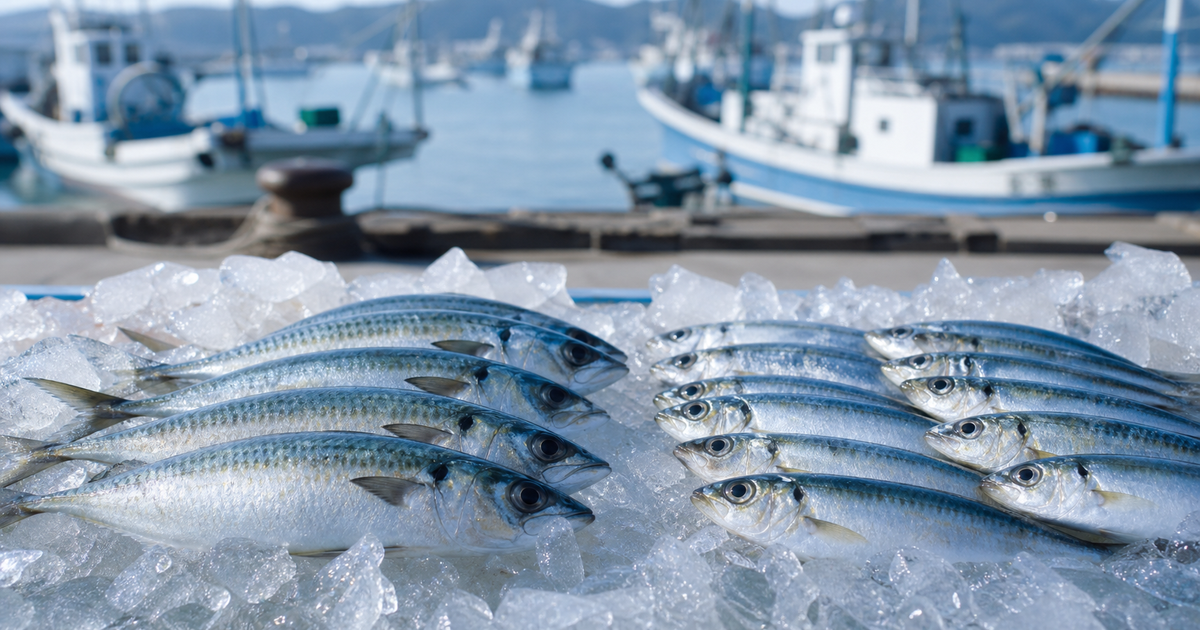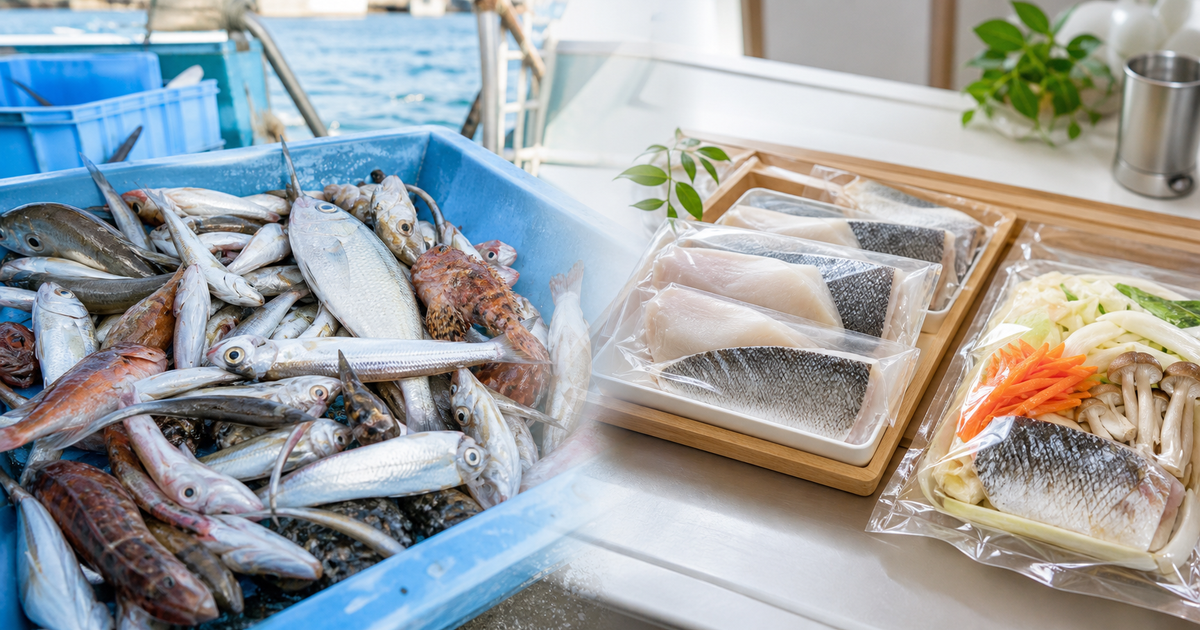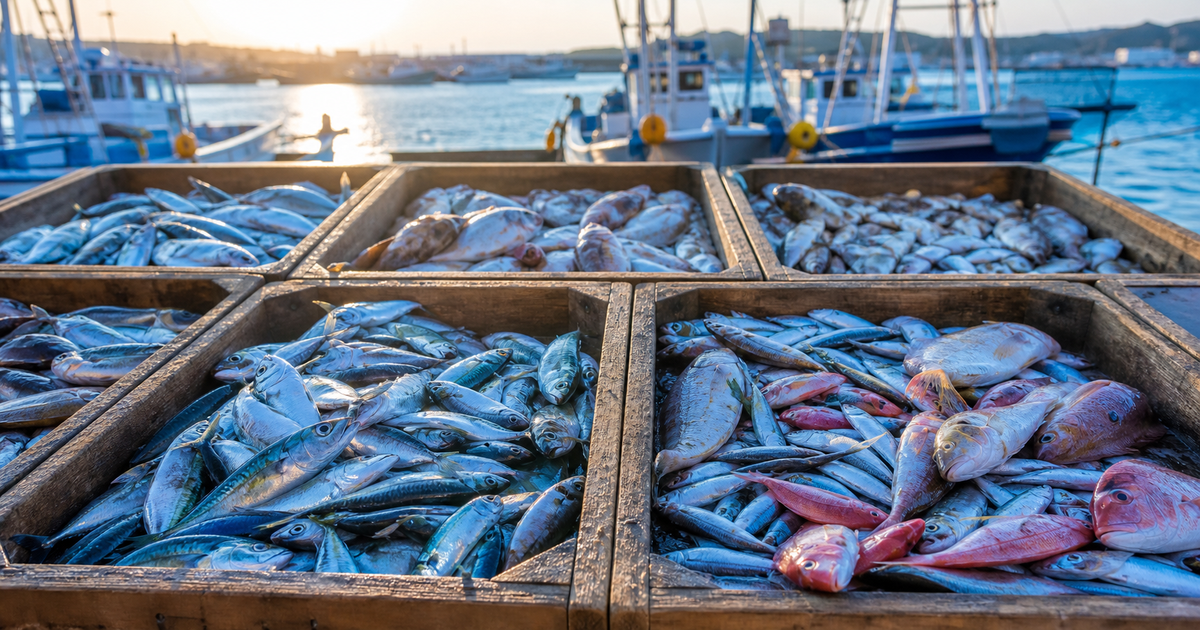
There are fish that get landed at port yet, without ever being priced or named, fall out of the food-distribution chain. They are called "unused fish" (miriyō-gyo). Their taste is never inferior — it's simply that irregular sizes, catches too small to bundle into a lot, or the extra effort needed to prepare them mean many end up as feed or fertilizer for farmed fish, and are sometimes simply thrown back into the sea. Edible, yet uneaten — this is food loss happening at sea.
At the same time, a movement is spreading nationwide that treats these "wasted treasures" as a goldmine, connecting them to new outlets such as school lunches, processed products, and hometown tax donations. Yokohama City used unused fish in Japan's largest-ever school lunch program, serving about 200,000 meals, while a Fukuoka-based startup has commercialized more than 200 fish species. When a fish that used to be thrown away gets a price, fishers' incomes rise and food loss falls. It creates a situation good for the seller, the buyer, and the planet all at once — a modern "sanpo-yoshi" (three-way benefit).
This article traces the basics of why unused fish exist, the surprising appeal of these overlooked species, real examples from school lunches, processed products, and hometown tax donations, and even the unexpected connection to rising sea temperatures and "isoyake" (barren reef) phenomena. By the time you finish reading, that unfamiliar fish at the supermarket, or the "chef's choice fresh fish box," should look a little different.
What You'll Learn in This Article
- What "unused fish" are, and why they tend to go unsold and discarded, illustrated with concrete examples
- Lesser-known but genuinely delicious fish such as rabbitfish (aigo), lizardfish (eso), surgeonfish (nizadai), and moray eel (utsubo), and what they taste like
- How three outlets — school lunches, processed products, and hometown tax donations — are generating demand
- The mechanism by which using unused fish leads to both less food loss and higher income for fishers
- The relationship between rising sea temperatures, isoyake, and unused fish, and the idea of "protecting the sea by eating it"
- Concrete ways you, as a consumer, can start bringing unused fish to your table starting tomorrow
What Is Unused Fish? — Why "Wasted Treasures" Come to Exist
According to the Fisheries Agency of Japan's definition, unused fish refers to "fish that, somewhere in the seafood distribution process, get diverted to non-food uses or are valued only at low prices, because their body size is irregular, or because catch volumes are too small to form a proper lot." They aren't discarded because they can't be eaten — they simply don't enter distribution because they're hard to sell. That is the heart of the unused-fish problem. A similar term, "underutilized fish," is sometimes used more broadly to include fish traded only at extremely low prices. There is no strict dividing line: the same fish can be either "unused" or a "premium fish" depending on the port where it's landed, the season, or that day's market price.
For instance, it's not unusual for a fish treated as a throwaway catch in one region to be a beloved star of local cuisine elsewhere. "Unused fish" is not an absolute category — it is a term describing a relative state, "not currently valued in this particular market, right now." This very relativity is the flip side of enormous untapped potential. Change the frame of evaluation, and the same fish can suddenly start gaining value.
The Fisheries Agency has been aware of this issue for a long time. The FY2009 White Paper on Fisheries featured a special section titled "Using Unused Fish — MOTTAINAI," emphasizing the importance of using limited marine resources without waste. Just as the Japanese word "mottainai" has become a term recognized worldwide, making use of unused fish is a theme that naturally fits well with Japan's food culture of valuing resources.
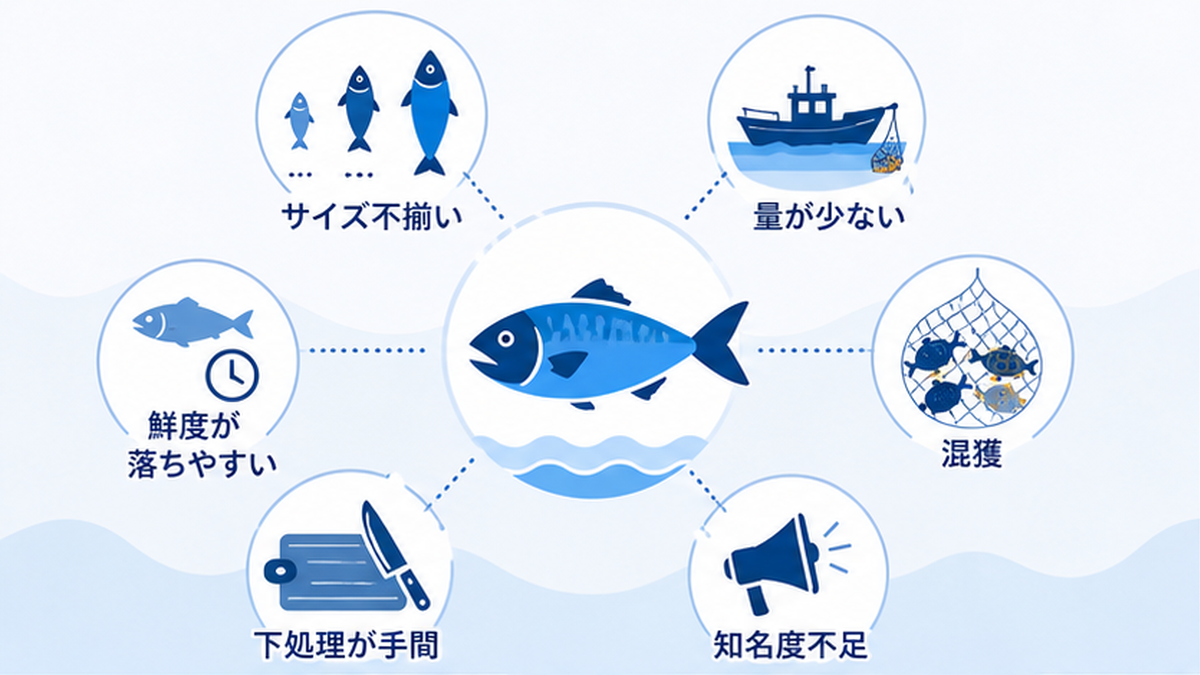
There isn't just one reason a fish becomes "unused." Many factors overlap to push delicious fish outside the market. Let's organize the most representative ones.
Size or Shape Doesn't Fit the "Standard"
Supermarkets and restaurants prefer fish of a consistent size that's easy to sell as fillets or whole. Fish that are too small take extra effort to bone and gut, while fish that are too large take up storage space and are hard to sell through while still fresh. Such off-spec fish become hard to price, regardless of taste.
Quantities Don't Add Up, or the Fish Is Bycatch
"Bycatch" (konkaku-gyo) — fish that end up mixed into the net alongside the target species — comes in a scattered variety of species and can't be gathered into consistent numbers at once. Because markets auction fish in box-sized lots, species caught only in small amounts struggle to make it onto the trading floor. The same reason explains why fish landed only in specific regions have trouble reaching national distribution.
Low Name Recognition, or Difficult to Prepare
Fish that buyers don't recognize by name don't get picked up, because shoppers can't picture how to cook them. Add difficulties like tough skin, many small bones, or distinctively smelling innards, and a state of "delicious but unsellable" becomes locked in. The rabbitfish (aigo) and moray eel (utsubo) discussed later are prime examples of this pattern.
- Size too small or too large (off-spec)
- Catch volume too small to form a consistent lot
- It's bycatch, caught alongside other fish
- Low name recognition, with no established buyers or recipes
- Small bones, tough skin, or smelly innards make preparation labor-intensive
- Freshness fades quickly, making it hard to transport far
Key Point
- Unused fish are not "bad-tasting fish" — they are "hard-to-sell fish"
- Size, quantity, name recognition, and preparation effort are the main causes
- Even the same fish can be treated differently depending on the port and season where it's landed
"Unused" Is Not Fixed — It Can Be Changed
What we want to emphasize here is that "unused fish" is not a fated category. There are many examples of fish once completely overlooked that suddenly gained recognition thanks to one chef's ingenuity or a single hit product. Conversely, there are also cases where fish once commonly eaten disappeared amid the streamlining of distribution and, before anyone noticed, became unused fish. In other words, "what gets used and what gets thrown away" can be rewritten endlessly through our own choices and ingenuity.
In short, unused fish is not a problem of the natural world but a "gap" created by human distribution systems. That's precisely why preparing new outlets — school lunches, processing, hometown tax donations — can fill that gap. The question of how to wisely use marine resources is also essential when thinking about rising sea temperatures and changes in fisheries. In the next section, we'll confirm with actual numbers just how large this "gap" really is.
How Much Is Being Thrown Away? — Unused Fish and Food Loss, by the Numbers
To really feel the weight of "mottainai," the quickest path is to know the scale involved. That said, unused fish is a somewhat ambiguously defined category, one that rarely shows up clearly in statistics. Let's look at the numbers that give us clues, both globally and in Japan.
Worldwide, More Than 30% of the Catch Can Go Unused
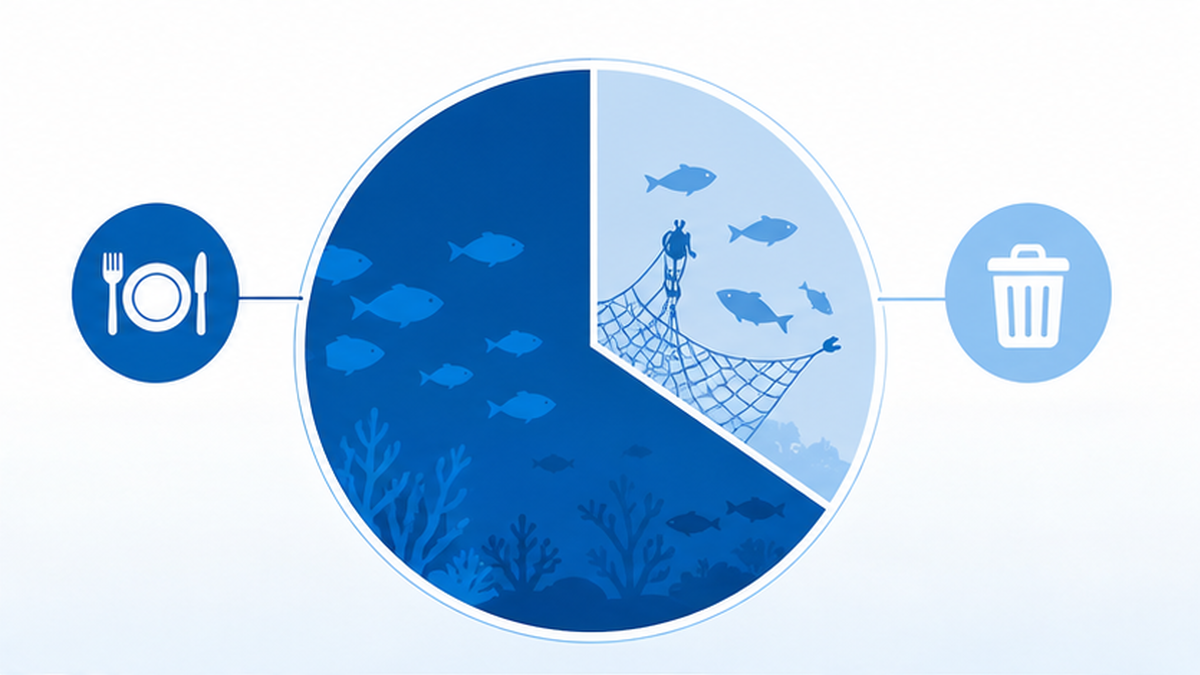
The Food and Agriculture Organization of the United Nations (FAO) estimates that roughly 35% of seafood obtained through fishing and aquaculture is lost or discarded (food loss and waste) somewhere between catch and consumption. That works out to roughly one in every three caught fish never reaching the table. Bycatch — fish other than the target species caught in the net — and discards at sea (estimated at around 10% of the catch globally) are part of this figure, which also accumulates losses from processing, distribution, and consumption after landing. This is a structural loss that global fisheries carry, and Japan is no exception.
Japan's "Hard-to-See" Losses
The discard rate for the Northwest Pacific fishing area, which includes waters near Japan, is estimated at about 9%, and based on this figure some estimates suggest that roughly 300,000 tons of catch may be discarded domestically each year. The numbers vary, but what's certain is that unused fish occur so routinely that an accurate overall picture still hasn't been fully captured. While food loss on land is gradually becoming visible, loss at sea remains largely unseen for now.
Why is unused fish so hard to count? One reason is that it's precisely the fish that never made it to market. Fish that never pass through the market leave no trading record and slip through the statistical net. Fish that were caught as bycatch and thrown straight back into the sea, fish that fetched no price and were diverted to processing raw material or feed, fish sorted onboard and never landed at all — the mechanisms for accurately tallying all of this nationwide are still not fully in place. Because it's invisible, countermeasures lag — a difficulty shared across food-loss issues in general also shows up here.
Selling Cheap Is, in a Broad Sense, Also a Loss
Even when not discarded outright, many fish get diverted to feed or fertilizer at prices far below their true value. Viewed at the level of society as a whole, this too is a major missed opportunity. Fish that, if used as food, could have enriched people's tables and brought fishers more income are instead handled for a pittance. When thinking about the unused-fish problem, we need to grasp not only "outright disposal" but also this "erosion of value through underselling." That is exactly why efforts to add value and turn fish into "fish that sell" matter so much.
| Perspective | Reference figure | Source / note |
|---|---|---|
| Global seafood | About 35% is lost across the entire supply chain (loss and waste) | FAO food loss estimates, among others |
| Northwest Pacific waters | Discard rate about 9% | Estimate by sea area |
| Yokohama City school lunches | About 200,000 meals served using unused fish (2023) | Yokohama City press release |
| Processed-food brand | Cumulative 131 tons of food loss reduced (as of 2023) | Bennas Inc. (Fishlle!) announcement |
Comparing With Food Loss on Land
Japan's food loss is estimated at several million tons a year and has become widely recognized as a social issue. Because unused fish at sea rarely appears in statistics, it hasn't drawn the same attention, but the underlying nature is the same: "edible, yet not used." As part of broader efforts to reduce food loss overall, we also need to turn our attention to the sea.
The situation surrounding limited marine resources is growing more severe year by year. Global population growth keeps pushing up demand for fish, while overfishing and environmental change leave resources with little slack. Japan's catch volume has also been on a long-term downward trend. In an era like this, the fact that so much caught fish goes unused represents enormous "room for growth." Without increasing how much we catch, simply making use of the fish we currently throw away can increase the bounty of the sea that reaches our tables.
Behind this loss lies the efficiency of modern distribution, which handles fish in large, uniform volumes. The more efficiency is pursued, the more fish spill out through the "gaps" — a structure that also connects to the problem of ghost gear, abandoned fishing equipment left behind in the sea. The idea of catching without waste and using without waste is now being called for on the front lines of the ocean. From the next section onward, let's look at the concrete outlets filling that "gap," together with real examples.
Surprisingly Delicious — Notable Unused Fish and Their Appeal
The best way to overturn your image of unused fish is to actually try eating it. Here, we introduce representative fish that, despite low name recognition, become genuinely delicious depending on how they're cooked. Most have simply been avoided because of their "appearance" or the "effort" involved, while their taste has long been well regarded.
Rabbitfish (Aigo) — A Briny Aroma and Sea-Bream-Like Umami
Rabbitfish (aigo) grow up eating seaweed, which gives their innards a distinctive smell, and their fins carry venomous spines that make people reluctant to handle them. However, if the innards are removed right after landing, the flesh has a strong umami reminiscent of sea bream, and it's said to be exquisite as sashimi or marinated (zuke). Clear just one hurdle of preparation, and this fish transforms into a top-quality white fish.
Lizardfish (Eso) — A Premium Ingredient for Kamaboko
Lizardfish (eso), long and slender with sharp teeth, have a strikingly intimidating look and many small bones, so they're generally avoided. Yet the flesh is mild and refined white meat, and it has in fact long been prized as raw material for premium kamaboko and surimi. Turned into surimi, the bone problem disappears, and it can be enjoyed deliciously as hanpen or tsumire (fish cakes).
Surgeonfish and Moray Eel — A Feast Waiting Beyond the Effort
Surgeonfish (nizadai, also called sannoji) have tough skin and smelly innards, but their in-season, fatty white flesh pairs beautifully with Japanese-style seasoning. Moray eel (utsubo) has many small bones and is hard to fillet, but it's high in protein and rich in collagen, and is enjoyed as a delicacy fried (karaage) or seared (tataki). Both are fish types where a feast waits on the other side of the wall of preparation. Fish like frigate tuna (sōda-gatsuo), which have a lot of easily spoiled dark blood-line meat, can also be used without waste when turned into namaribushi (semi-dried bonito) or dashi stock.
Lining these up like this, you notice there's a consistent pattern to why unused fish gets avoided. "The smell of innards or dark meat," "the difficulty of handling small bones or tough skin," "a startling appearance" — every one of these can be overcome through freshness management, preparation, processing, and cooking-method ingenuity. Flip that around, and once these hurdles are cleared, unused fish becomes a nutritious, affordably priced ingredient that's kind to both the household budget and the body. In fact, many unused fish, especially blue-backed (oily) species, are rich in high-quality protein and DHA/EPA, and are being reevaluated from a health-conscious perspective too.
| Species | Why it tends to go unused | Recommended way to eat it |
|---|---|---|
| Rabbitfish (Aigo) | Smell of the innards, venomous spines, prep effort | Sashimi, zuke (marinated), simmered |
| Lizardfish (Eso) | Appearance, many small bones | Surimi, kamaboko, tsumire |
| Surgeonfish (Nizadai) | Tough skin, smell of the innards | Simmered, teriyaki, hot pot |
| Moray Eel (Utsubo) | Many small bones, hard to fillet | Karaage (fried), tataki (seared), hot pot |
| Frigate Tuna (Sōda-gatsuo) | Lots of easily spoiled dark meat | Namaribushi, dashi stock, kakuni (braised) |
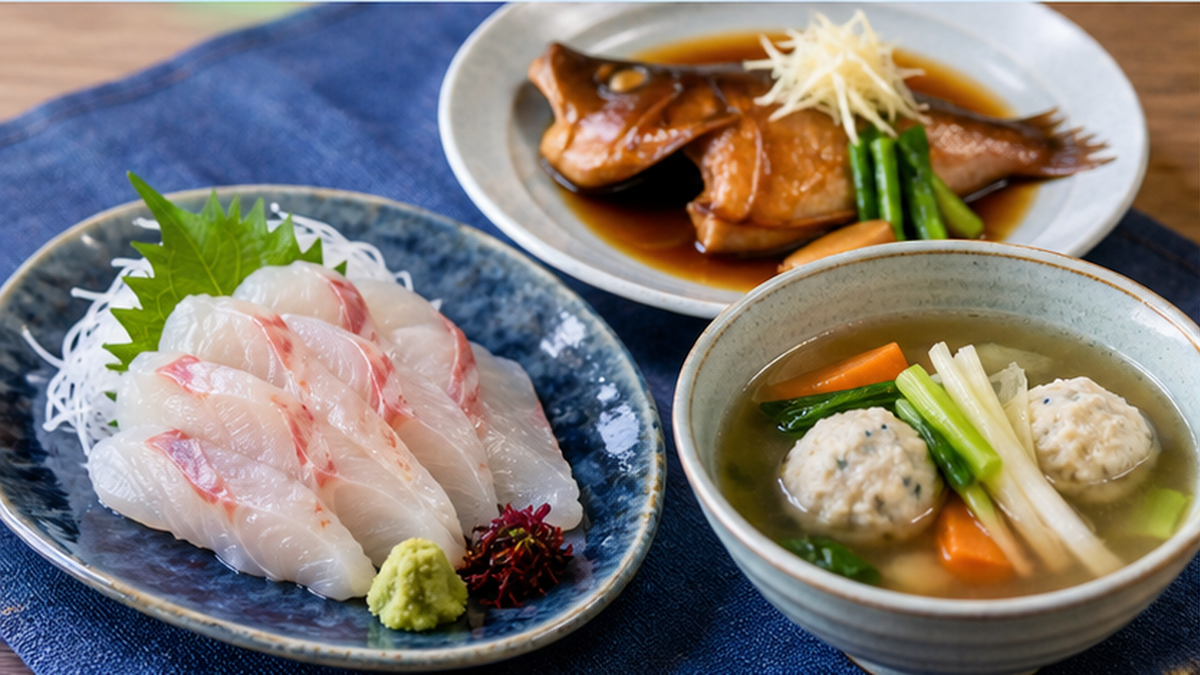
The Misconception That These Are "Bad-Tasting Fish"
Rabbitfish and lizardfish have been treated cheaply not because of their taste, but because of "hurdles in distribution and cooking" — smell, small bones, appearance, and difficulty of filleting. With professional preparation and processing techniques added, these fish can easily take center stage. Making use of unused fish is also, in a sense, the work of dispelling this misconception one piece at a time.
Know the Season, and the Flavor Changes
Essential to enjoying unused fish is an awareness of "season" and "freshness." Many unused fish lose freshness quickly, and whether they're properly processed right after landing makes a huge difference to the flavor. Process fish caught that morning at the source on the same day, and off-odors are unlikely to develop; eat it in season when it's fatty, and it needn't take a back seat to premium fish at all. Put another way, much of the "bad-tasting" reputation these fish have carried is really the result of eating them at the wrong freshness or processing timing.
In recent years, chefs and local processors who thoroughly understand the characteristics of these fish have built up know-how in preparation, aging, and seasoning. With professional hands involved, fish that were once difficult to handle at home become products people can enjoy with confidence. The spread of "the skill of eating deliciously" is itself another engine driving the use of unused fish.
What's more, in recent years, rising sea temperatures have increased the number of southern-water fish species that never used to be found in these waters, giving rise to new unused fish that are "caught, but have nowhere to sell." This shift is closely tied to the anomalies occurring in waters near Japan due to marine heatwaves. Precisely because the lineup of fish being caught is changing, our ability to deliciously eat these newcomer species is being tested more than ever.
Unused Fish Spreading Through School Lunches — Yokohama City's 200,000-Meal Challenge
One initiative now drawing attention for giving unused fish a stable "outlet" is the school lunch program. It can continuously consume large volumes, and it also feeds directly into food education for children — school lunches are a stage that pairs remarkably well with unused fish.
Japan's Largest Program: About 200,000 Servings of Mackerel
In January 2023, Yokohama City — with the Yokohama Central Wholesale Market, the Yokohama City Board of Education, and the Yokohama School Lunch Foundation working together — served a school lunch using unused fish at Japan's largest-ever scale: about 200,000 meals across 339 municipal elementary schools and other institutions. The menu was "mackerel in sweet-and-sour sauce," made with unused mackerel. It was served four times across four groups of schools, meaning a great many children tasted unused fish on the same day.
What made this initiative excellent is that it didn't stop at simply serving a dish. The market and the board of education produced a video explaining unused fish, which classes watched to coincide with the lunch. Within integrated studies and social studies classes, it created an opportunity for children themselves to think about why edible fish get thrown away and what fishing work is like.
Why School Lunches Make Such a Good "Outlet"
- Can consume a substantial volume in a planned way, promising fishers stable demand
- Processing into tsumire, soboro, or thick sauces can resolve issues with small bones and appearance
- Can be paired with food education, nurturing the next generation's fish-eating habits and food-loss awareness
- Using locally caught fish also deepens understanding of local fisheries and food culture
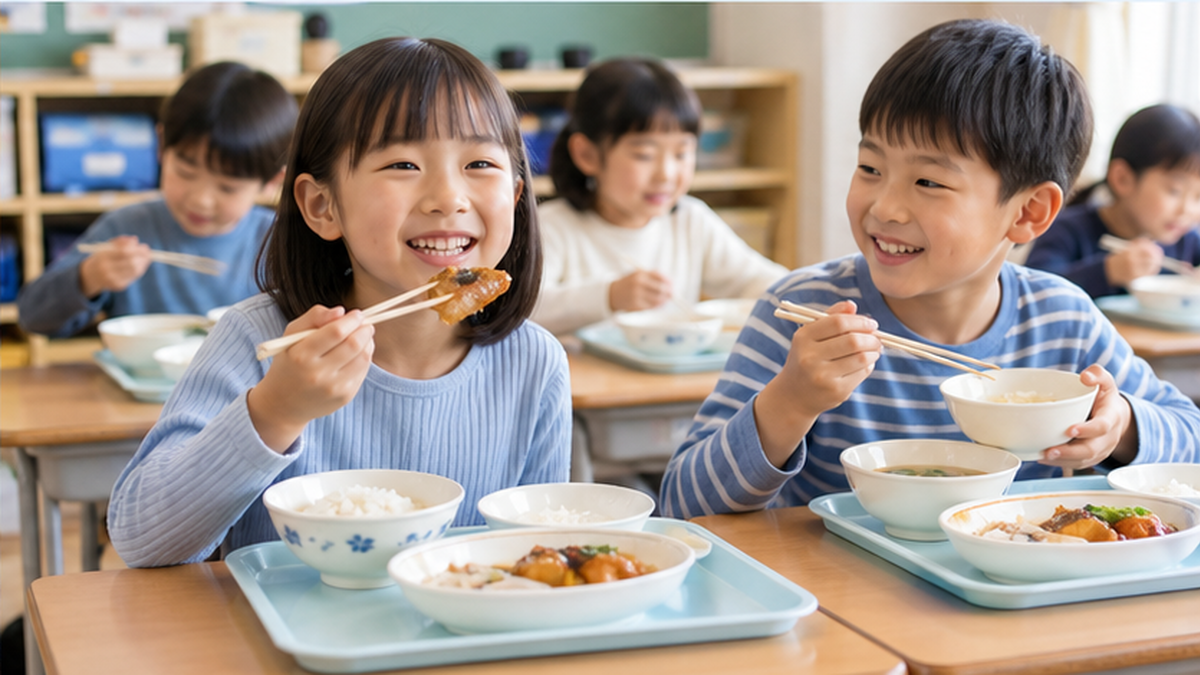
Yokohama's example is exceptionally large-scale, but the trend of processing unused fish into hamburger patties, soboro (seasoned minced meat), or tsumire and serving it is spreading in elementary and junior high schools across the country. The shared message is that "every fish has life and value." Through school lunches, children learn the joy of eating fish and the problem of food loss at the same time. Even children who dislike fish often find their chopsticks moving readily for boneless soboro or easy-to-eat seasoning, and from there an interest in eating fish frequently takes root.
Ingenuity and Challenges in Using Unused Fish for School Lunches
That said, incorporating unused fish into school lunches isn't simple. Because school lunches require menus to be decided in advance and cooked in bulk, there's an inherent mismatch with the nature of unused fish, where "you can't predict when, what kind, or how much fish will be caught." Many sites address this by first processing the catch into surimi or fillets and freezing it, absorbing the instability of supply. It also helps to design menus like "fried white fish" that don't specify the exact species.
- Unstable supply → process into surimi or fillets and freeze them for stock
- Small bones are a hazard → debone or turn into tsumire/soboro to ensure safety
- Cost and procurement → markets, fishing cooperatives, processors, and local governments work together to build a system
- Making it easy for children to eat → familiar flavors such as sweet-and-sour sauce or hamburger patties
Large-scale implementations like Yokohama's exist beyond having solved these challenges one by one. Flip it around, and building a system that can supply school lunches means that infrastructure capable of stably processing and supplying unused fish grows within that region. School lunches are, at once, a place of food education and a starting point for lifting up a region's seafood-processing capacity.
The Synergy of School Lunches × Unused Fish
- Fishers: Income stabilizes thanks to substantial, consistent demand
- Local governments: Can advance local production for local consumption and food education at the same time
- Children: Learn deliciousness and sustainability through direct experience
Community-wide efforts like this, much like coastal environmental conservation that protects tidal flats and seagrass beds, cultivate a culture of thinking about the local sea as one's own concern. School lunches are both a gateway to using unused fish and a form of ocean education for the next generation.
Processing and Branding — Turning Fish Into "Fish That Sell" Through Added Value
Overcoming unused fish's two greatest weaknesses — "the effort of preparation" and "low name recognition" — through processing and branding is the classic path for using unused fish as a business. Remove the bones, add seasoning, attach a story, and a cheap, throwaway fish transforms into a "product people want to buy."
Creating Demand Through Subscriptions — The Fishlle! Case
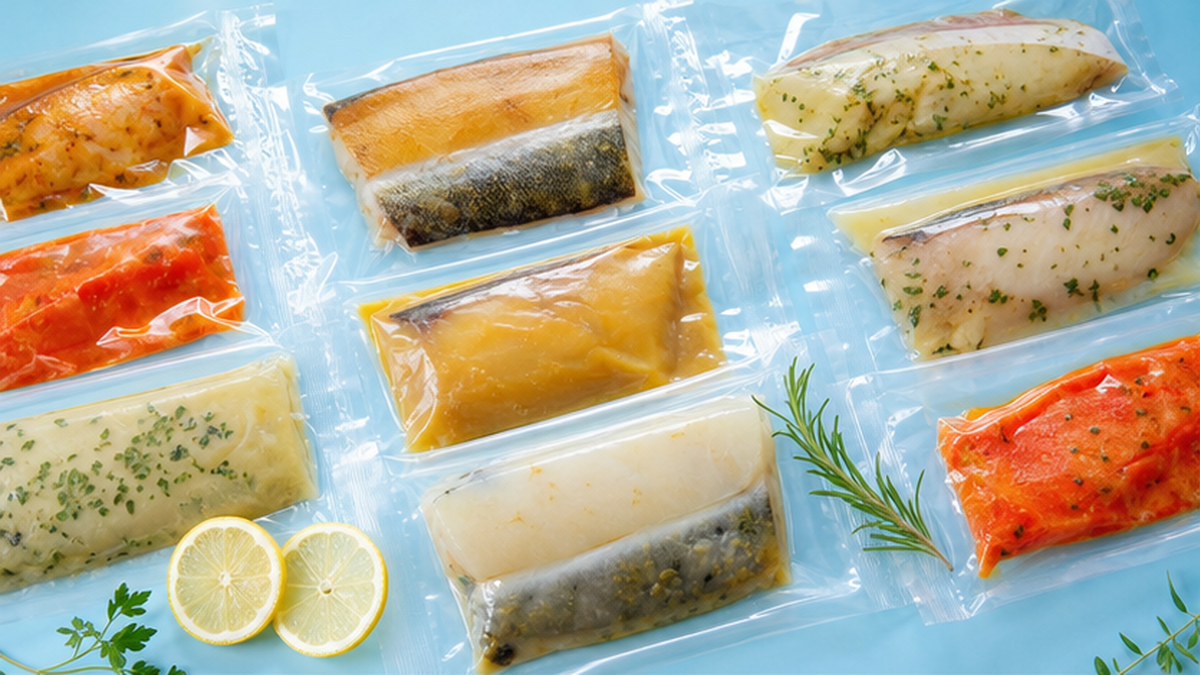
Fishlle!, an unused-fish subscription service run by Bennas Inc., a Fukuoka-based startup, delivers fish that used to be treated as off-spec, boned and seasoned, in ready-to-eat meal packs. Products lined up include easy-to-eat options like carpaccio, zuke, and saikyo-yaki (miso-marinated grilled fish), and the cumulative number of species used has surpassed 200. As of December 2023, the company reports a membership of about 25,000, contributing to a cumulative reduction of 131 tons of food loss.
The company champions the philosophy of "sanpo-yoshi for food," pursuing unique flavors that surprise consumers into thinking "this doesn't taste like a fish fillet at all," and using recipe videos to challenge the decline in fish consumption among younger generations. Recognition has grown too — it won Nikkei Trendy's Regional Hit Award in 2022 and the Bronze Prize at Japan's Subscription Awards in 2023.
New Jobs Created by Local Processing Companies
What the company's success demonstrates is a reversal of thinking: thoroughly eliminate "the trouble of cooking," once a weakness of unused fish, and it instead becomes an appealing, convenient ingredient for busy modern people. Boneless, already seasoned, ready to eat as soon as it's thawed — this convenience resonated even with people who'd drifted away from eating fish. The essence of branding lies in repositioning unused fish as a product people buy "because it's convenient and delicious," not "because it's cheap."
It's not only large companies — there are also examples of local seafood processors partnering with fishers. In the Hasaki district of Ibaraki Prefecture, a local processing company turned small, previously unused sardines and mackerel into products, and the fish's value rose while new jobs were created in the region. Processing local fish locally achieves food-loss reduction and regional economic revitalization at the same time. For a region to have the capability not just to "catch" fish but to "process it and raise its value" is becoming an indispensable condition for the fishing industry's survival.
Surimi — An Old Solution That Feels New Again
The classic path of processing is surimi, used for kamaboko and tsumire. Even a fish like lizardfish, with its many small bones, stops being a bone problem once turned into surimi. Japan's long-cultivated culture of neri-mono (fish paste products) is itself a technological foundation for using unused fish. When traditional wisdom connects with modern branding, the possibilities expand even further.
| Approach | Challenge it solves | Representative form |
|---|---|---|
| Boned and seasoned packs | Prep effort, cooking anxiety | Meal kits, subscriptions |
| Surimi and fish paste products | Small bones, appearance issues | Kamaboko, tsumire, hanpen |
| Local processed goods | Lack of name recognition and sales channels | Dried fish, canned goods, retort pouches |
| Branding and storytelling | The "trash fish" image | Naming, story-driven communication |
There's also the path of processing into preserved foods like dried fish, canned goods, and retort pouches. Once shelf life improves, unused fish's weakness of losing freshness quickly turns instantly into a strength, making distant shipping and long-term stockpiling possible. If long-selling products like canned goods or dashi packs emerge from resources that used to be thrown away unused, a stable revenue source grows within the region. Processing is, in a sense, a technology that removes the constraints of time and distance and expands the possibilities for unused fish.
What Is "Sanpo-Yoshi"?
"Sanpo-yoshi" is a concept originating with the Ōmi merchants, describing a state in which three parties all benefit: the seller (fishers and processors), the buyer (consumers), and society/the planet. Making use of unused fish brings income to fishers, taste and convenience to consumers, and food-loss reduction to the planet, making it exactly a modern-day sanpo-yoshi. Many initiatives use this phrase as their watchword because using unused fish is not "a sacrifice built on someone's suffering," but a forward-looking undertaking that brings benefits to everyone involved.
Hometown Tax Donations and Direct-From-Producer Sales — A System That Directly Supports Fishers' Incomes
Alongside processed products, another powerful outlet is hometown tax donations (furusato nozei) and direct-from-producer sales (D2C). This system, which delivers straight from the fisher who caught the fish to the person who wants to eat it without passing through intermediary distribution, pairs extremely well with unused fish.
The Idea Behind the "Chef's Choice Fresh Fish Box"
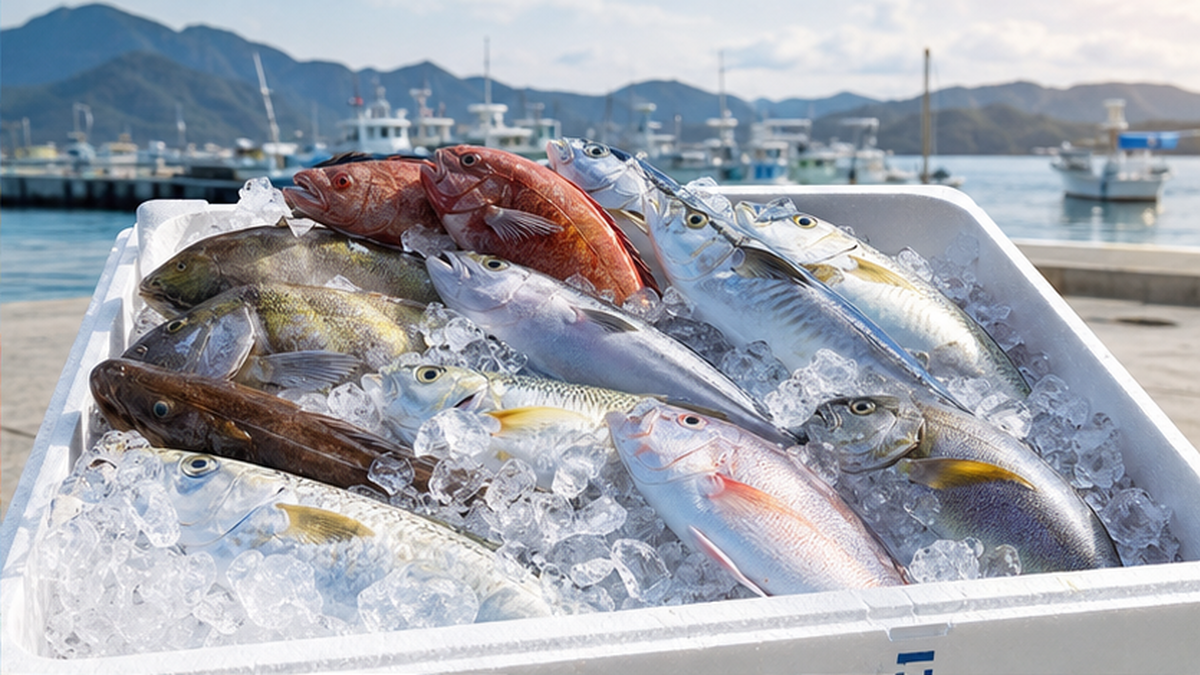
Among hometown tax donation gifts, many "chef's choice" fresh fish boxes, where "what arrives is a surprise," have appeared. In Yokosuka City, Kanagawa Prefecture, a fisher-direct, morning-caught fresh fish set (around 3 kg) is offered; in Kimotsuki Town, Kagoshima Prefecture, a pre-processed local fish box (about 1 kg) is available — both include unused and underutilized fish. Precisely because the species aren't fixed, the diverse variety of fish caught that day can be delivered without waste.
For recipients, there's the pleasure of tackling recipes with rare fish they'd never encounter at the supermarket. What looks at first glance like a drawback — "not knowing what will arrive" — becomes the very charm of it: that's the magic of unused fish paired with direct-from-producer sales. Set up as a regular subscription, it lets you continuously savor the sea's bounty as it changes with the seasons.
What It Means for Fishers
- Fish that fetch no price at the market get a direct buyer and price
- With reduced intermediary margins, fishers' take-home income tends to increase
- Becoming a local government's donation gift also promotes the region and its fisheries
- Caught fish can be shipped in bulk without sorting, reducing both sorting labor and loss
The Strengths of Direct Sales and Hometown Tax Donations
- Even small quantities of many species can be shipped together, as a "chef's choice" assortment
- Fishers gain direct income and pricing power
- Consumers can enjoy encounters with rare fish and a culinary adventure
Challenges to Sustaining It — Designing "How It's Delivered"
Direct-from-producer sales have their own walls to overcome. Delivering many species in small quantities to individual homes while keeping them fresh requires careful preparation, packaging, and refrigerated shipping — all of which take effort and cost. Also, the fun of "not knowing what will arrive" has a flip side: it can be somewhat of a hurdle for people unaccustomed to cooking. To address this, many operators have layered in touches that meet recipients halfway, such as enclosing simple filleting instructions and recipes, or delivering fish that's already been prepped.
Setting it up as a regular subscription makes it easier for fishers to forecast monthly shipping volume, while consumers can continuously enjoy the experience of "news from the sea arriving each season." Whether it can build a long relationship between the producing region and its fans, rather than stopping at a one-off gift — that's the fork in the road determining whether direct sales of unused fish becomes more than a passing fad.
Systems like this, which turn the sea's bounty into regional strength, are also drawing attention as a means of supporting coastal community recovery from disasters. Direct sales that waste not a single caught fish can become a pillar supporting the very fabric of fishing-village life.
Rising Sea Temperatures, Isoyake, and Unused Fish — The Idea of "Protecting the Sea by Eating It"
Using unused fish is not just about food loss or supporting fishers — it's also deeply connected to marine environmental conservation. The key lies in the phenomena of rising sea temperatures and "isoyake."
Isoyake and Herbivorous Fish
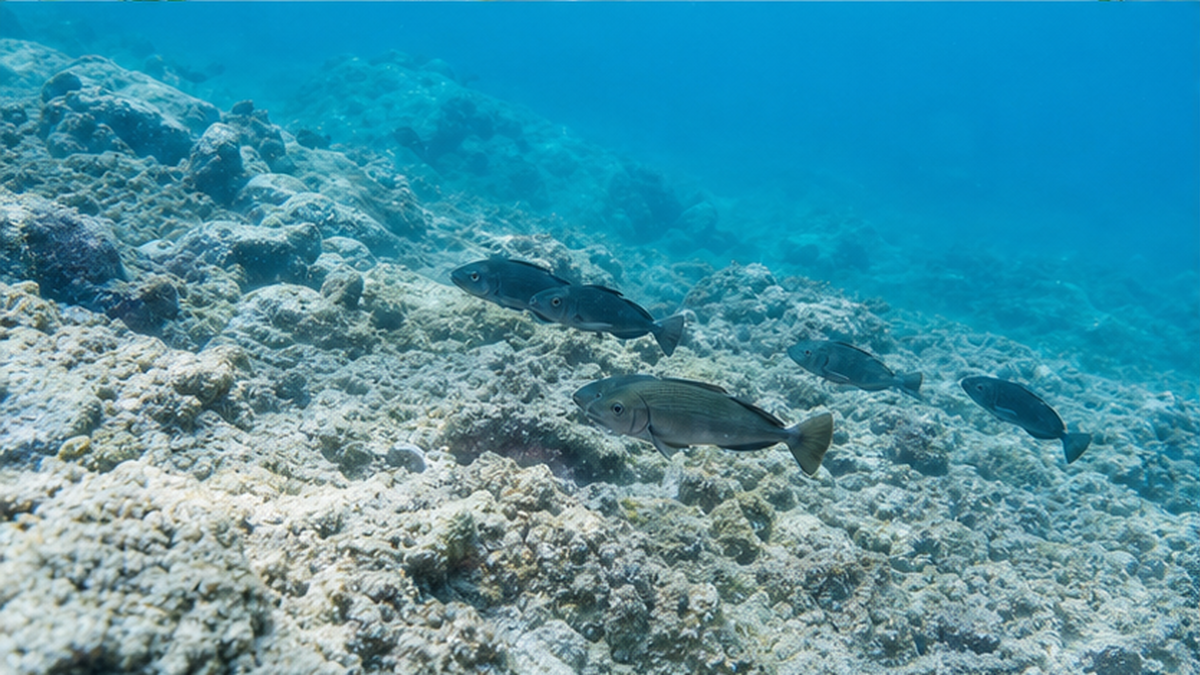
Isoyake is a "desertification of the sea" in which the seaweed forests (moba, or seagrass/kelp beds) that once spread across coastal rocky areas disappear, leaving bare rock exposed. One cause is grazing damage from herbivorous fish — rabbitfish, dusky rudderfish (isuzumi), surgeonfish, and others that eat seaweed. When sea temperatures stay elevated, these fish become more active and move northward, eating the seagrass beds to nothing. As it happens, many of these fish are also unused fish.
Seagrass beds are spawning and nursery grounds for many fish and shellfish, and they're also important as blue carbon ecosystems that absorb and store carbon dioxide. If these seagrass beds are lost to isoyake, both coastal fisheries and climate change countermeasures take a hit. That's precisely why the idea arises that "catching and eating" the fish that eat the seagrass beds can itself become a measure to protect them. Indeed, various regions are working to capture herbivorous fish like rabbitfish and dusky rudderfish with gill nets as an isoyake countermeasure, and if that catch can be used as food rather than discarded, environmental conservation and food-loss reduction can both be achieved through a single action.
The Fisheries Agency has also established "Isoyake Countermeasure Guidelines," encouraging the removal of herbivorous fish and the restoration of seagrass beds tailored to conditions in each region. Rather than simply disposing of the fish caught, marketing them as local food ingredients or hometown tax donation gifts also generates the funding and workforce needed to sustain these countermeasures. Turning "the cost of protecting" into "a resource that earns" — herein lies the great significance of linking unused fish with environmental conservation.
Warming Creates "New Unused Fish"
Rising sea temperatures bring in southern-water fish that never used to be found in these waters. Because sales channels and cooking methods haven't been established even when they're caught, these fish tend to become new unused fish. The way marine ecosystems are being remade over the long term overlaps with the long-term ecosystem changes brought by marine heatwaves, such as the enormous high-temperature "Blob" (for more on climate change and the anomalies occurring in waters near Japan itself, also see the mechanics of marine heatwaves).
Note: Eating Them Isn't a Complete Solution
Eating herbivorous fish is an effective countermeasure against isoyake, but it doesn't solve the problem by itself. Isoyake is a complex phenomenon involving multiple intertwined factors — rising sea temperatures, changes in nutrient salts, grazing damage from sea urchins, and more. Efforts to eat these fish become effective only when combined with seagrass bed restoration, seaweed transplantation, and conservation of the broader marine environment.
Like coral reef bleaching, marine ecosystems react sensitively to even slight changes in water temperature. Just like the mechanics of coral bleaching, isoyake is another symbolic phenomenon of warming throwing coastal ecosystems out of balance. If the "forest of the sea" that is a seagrass bed is lost, the fish and shellfish that made their home there also decline, shaking the very foundation of fisheries. Efforts to eat unused fish are also, in a sense, an attempt to apply the brakes to this chain reaction by human hand.
The idea of "turning a nuisance into a resource" is, in itself, how we relate to the sea in an age of climate change. Eating unused fish isn't limited to reducing food loss — it's also an action that answers the question of how humans engage with a changing marine ecosystem. If what's being caught has changed, then how we eat should change too — and that very flexibility is the key to protecting a rich sea for the future.
What We Can Do — Welcoming Unused Fish to Our Tables
So far, we've looked at the "outlets" of school lunches, processed products, and hometown tax donations. So how can we, as consumers, engage with unused fish in our daily lives? There's nothing difficult about it. Small choices you can make starting today will surely reduce food loss at sea.
What matters is not to over-brace yourself. Rather than "eating out of forbearance for the sake of sustainability," a simple motive of "enjoying a fish that's cheap, delicious, and rare" is entirely enough. As a result, food loss falls, fishers thrive, and the sea gets protected — the appeal of unused fish lies precisely in the fact that it can be sustained effortlessly for these positive reasons. Start out lightly, taking your first step in the spirit of enjoying a culinary adventure.
When Buying and Choosing
- If you spot an unfamiliar fish at a supermarket or fishmonger, just try buying it once
- Try a "chef's choice fresh fish box," an unused-fish subscription, or a hometown tax donation
- Choose locally caught fish from the day's catch at your local port or direct-sale stand
- Look beyond fillets, to whole fish and processed products too
When Eating and Spreading the Word
- If prep feels daunting, start with already-boned processed products or surimi
- Check with shop staff or a recipe for a cooking method suited to the fish — sashimi, simmered, fried, and so on
- Share fish you enjoyed via photos or social media, helping its name become known
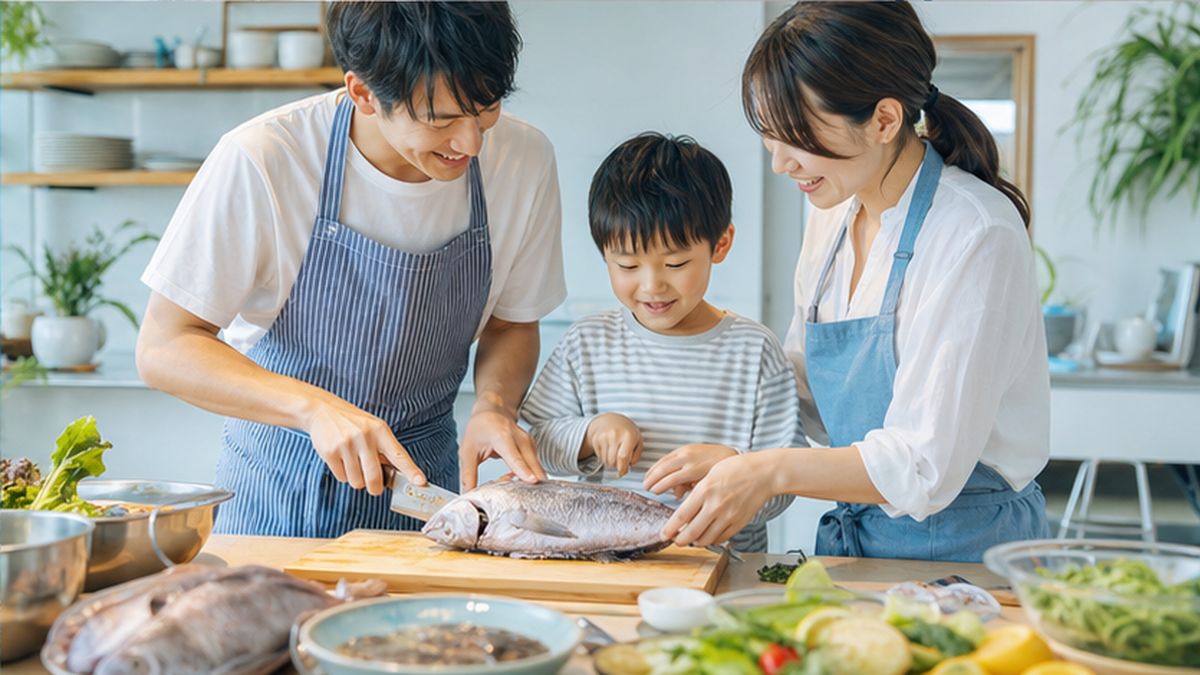
- Eat it together with children, and make why this fish is unused a topic of conversation
3 Actions You Can Take Starting Today
- On your next shopping trip, pick out one fish whose name you don't know
- Try an unused-fish hometown tax donation or subscription once
- Share how delicious the fish was with family, friends, or on social media
One of the most impactful things you can do is share your impressions of the fish you ate. Unused fish's biggest wall has been "low name recognition." Just one line from you — "this fish was so delicious" — helps its name become known bit by bit, and more people pick it up next time. Social media and word of mouth have the power to raise a fish's value without spending a cent on advertising. Talking about how delicious it was is the best support you can give unused fish.
One person's "let's try buying it" is small, but pile them up and the market starts to move. Once demand is born, fishers can ship fish without sorting it, processors can create new products, and local governments can prepare donation gifts. Consumer choice is exactly the first switch that turns unused fish into "fish that gets used." School lunches, processed products, and hometown tax donations all, when traced to their roots, begin from the demand of "there are people who want to eat this." And that demand is created by none other than the tip of each of our own chopsticks.
Conclusion — "Wasted Fish" Is a Mirror Reflecting the Future of the Sea and Our Lives
Unused fish are not inferior-tasting fish. They are delicious fish that have fallen through the "gaps in distribution" created by size, quantity, name recognition, and preparation effort. Worldwide, roughly 30% of the catch is said to go unused and lost, and this loss, just like food loss on land, is an issue we need to confront.
But outlets have already begun to open. Yokohama City's roughly 200,000 school lunches, a processed-food brand that has commercialized more than 200 fish species, and hometown tax donations and direct sales that turn "chef's choice" into a charm — these are practices of "sanpo-yoshi" that advance food-loss reduction, higher fisher income, food education, and environmental conservation all at once. The idea of "protecting the sea by eating" the fish that increase with rising sea temperatures joins them too.
What they all have in common is a shift in thinking, from "discard" to "use." Fish don't fail to sell because of their taste — it's because of gaps in distribution, processing, and information. If so, all we need to do is keep layering ingenuity to fill those gaps. School lunches provide stable demand, processing provides convenience and shelf life, and direct sales provide a direct connection between producers and consumers — each has resolved one of unused fish's weaknesses at a time. Even without special technology or a large budget, initiatives that can start simply by changing one's perspective have already spread across the country.
And the final piece that expands this circle is us, the ones who eat. Someone wanting to eat something gives birth to demand; because there's demand, fishers make use of the fish, processors refine their products, and local governments build systems. The starting point of the virtuous cycle around unused fish always lies on a consumer's single plate. The path to reducing food loss at sea isn't someone else's distant job — it continues right alongside our own tables.
Summary of This Article
- Unused fish are not "bad-tasting fish" — they are "hard-to-sell fish" that don't reach distribution due to size, quantity, name recognition, and effort
- Worldwide, about 30–35% of the catch is said to go unused; food loss at sea is hard to see but substantial
- Fish like rabbitfish, lizardfish, and surgeonfish are plenty delicious once the walls of preparation and processing are cleared
- Three outlets — school lunches, processed products, and hometown tax donations — generate demand, achieving both fisher income and loss reduction
- Also connected to rising sea temperatures and isoyake, "protecting by eating" also leads to environmental conservation
- A consumer's "just try buying it once" is the first step in turning unused fish into "fish that gets used"
How to use marine resources, and how to protect them — the small choices surrounding unused fish are a gateway to that larger question. Next time you come across an unfamiliar name at the fish counter, please do pick it up. Your single plate can reduce food loss at sea, put a smile on a fisher's face, and brighten the sea's future, just a little.
References and Sources
- Fisheries Agency of Japan – White Paper on Fisheries (various years) — Definitions of unused fish and trends in the fishing industry
- Fisheries Agency of Japan – FY2009 White Paper on Fisheries, special feature "Using Unused Fish — MOTTAINAI"
- Fisheries Agency of Japan – Isoyake Countermeasure Guidelines — Seagrass bed conservation and herbivorous fish measures
- Yokohama City – Using unused fish in Japan's largest-scale (about 200,000 meals) elementary school lunch program (2023)
- National Institute for Environmental Studies, Environmental Outlook Platform – Japan's largest-scale elementary school lunch program uses "unused fish"
- Japan Fisheries Association, Fish Consumption Promotion Center – What are unused and underutilized fish? Eating marine resources wisely
- Mitsubishi Research Institute (MRI) – Approaches toward using "unused fish": Insights from a restaurant-industry demonstration project
- Bennas Inc. – Rebranding and track record of the unused-fish subscription "Fishlle!"
* Arranged in order of reliability: government and academic institutions > peer-reviewed papers > specialized organizations > reputable media