⚡ In short
PFAS, the fluorinated compounds used in non-stick pans and water-repellent coatings, barely degrade in nature and are now detected even in deep-sea and Arctic wildlife. This article covers the spread of ocean contamination, accumulation in seafood, IARC's carcinogenicity assessment, and Japan's drinking water standard that took effect in 2026.
Non-stick frying pans, rain-shedding jackets, grease-proof food wrappers — the conveniences of modern life owe much to per- and polyfluoroalkyl substances, or PFAS. Because they barely degrade in nature, they are known as 'forever chemicals'. Today, PFAS that washed down rivers from factories and cities have reached the sea, and are being detected in fish and shellfish — and even in Arctic polar bears and deep-diving whales.
In 2023 the International Agency for Research on Cancer (IARC) classified PFOA, one of the best-known PFAS, as 'carcinogenic to humans' (Group 1), and in April 2026 Japan introduced a legally binding drinking water standard for PFOS and PFOA. Regulation is tightening rapidly worldwide. At the same time, many people are asking anxious questions: 'Is fish still safe to eat?' 'What about tap water?'
This article walks through the basics of what PFAS are, the reality of ocean contamination, accumulation in marine life, the scientific assessment of health effects, and the latest regulatory developments in Japan and worldwide — all based on primary sources such as government agencies and peer-reviewed research. The goal is not fear, but a clear-eyed understanding of the facts.
What you will learn in this article
- The scientific reason PFAS (per- and polyfluoroalkyl substances) are called 'forever chemicals'
- How contamination has spread from rivers to the ocean — and on to the deep sea and the Arctic
- The mechanism of biomagnification that concentrates PFAS in seafood and marine wildlife
- How to read IARC's carcinogenicity assessment and Japan's Food Safety Commission evaluation
- The newly discovered 'boomerang effect' by which sea spray sends PFAS back to land
- The latest regulatory moves, from the Stockholm Convention to Japan's 2026 drinking water standard
What Are PFAS? Over 10,000 'Forever Chemicals'
PFAS (per- and polyfluoroalkyl substances) is the collective name for man-made chemicals built around strong carbon–fluorine bonds. Production began in the 1940s, and according to classifications by the OECD and the US Environmental Protection Agency (EPA), more than 10,000 substances qualify as PFAS. The best-known representatives are PFOS (perfluorooctane sulfonic acid) and PFOA (perfluorooctanoic acid).
The Carbon–Fluorine Bond: One of Chemistry's Strongest Chains
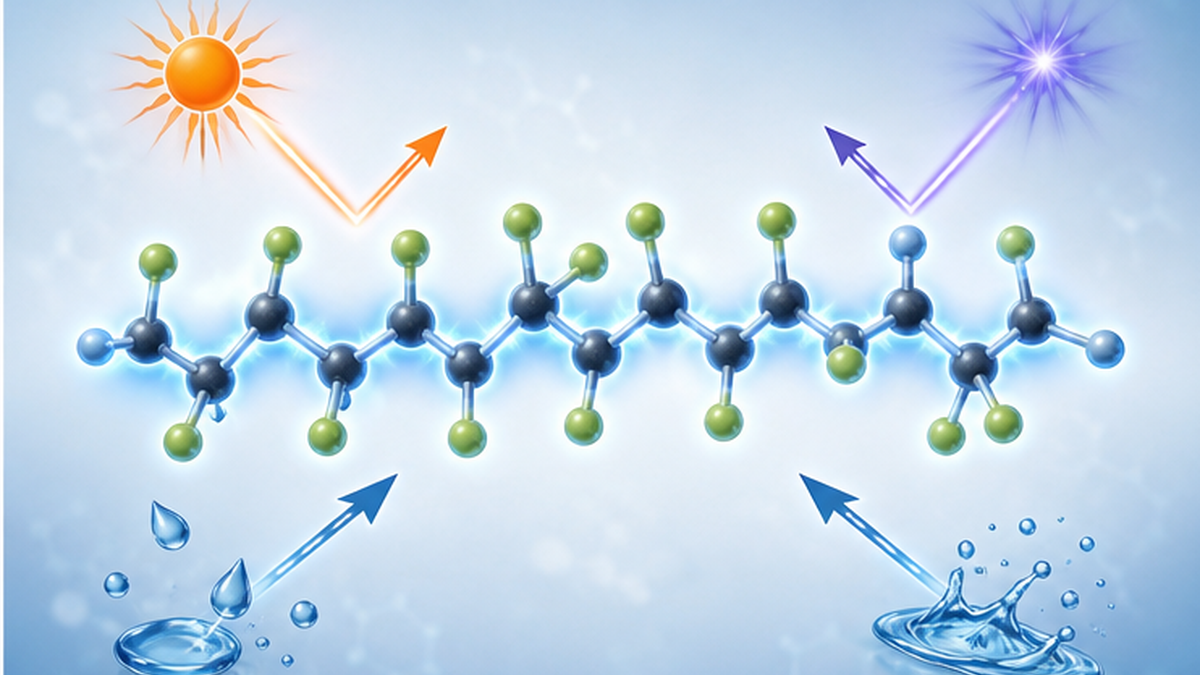
The defining feature of PFAS is that the carbon–fluorine (C–F) bond is among the strongest in organic chemistry. It resists heat, light, and chemicals, and the microbes of the natural world can barely break it. The useful properties — non-stick, water- and oil-repellent, heat-resistant — all stem from this unbreakable bond; but for the same reason, once released into the environment, PFAS persist for decades. The nickname 'forever chemicals' comes from this resistance to degradation.
Eighty Years of Convenience
The PFAS story begins in the late 1930s, when the fluoropolymer PTFE (better known as Teflon) was discovered by accident in the United States. After World War II it spread rapidly into cookware and industrial materials, and by the 1950s–60s uses had expanded to water-repellent finishes and firefighting foams. The turning point came around 2000, when PFOS was found in the environment, in wildlife, and in human blood worldwide, and major manufacturers began phasing out PFOS and PFOA production. Since then the world has entered an era of regulation. In other words, we now face the cleanup of 'unbreakable chemicals' that we spread across the planet for some 80 years.
Where Have They Been Used?
Exploiting their water- and oil-repellency, heat resistance, and surfactant properties, PFAS have appeared in an astonishing range of products. Familiar examples include fluoropolymer-coated cookware, water-repellent sprays and outdoor wear, and fast-food wrappers. Industrial uses include semiconductor manufacturing, metal plating, and — most notoriously — aqueous film-forming firefighting foam (AFFF) used at airports and military bases. Because firefighting foam is sprayed directly onto the ground during training and emergencies, it is considered one of the main sources contaminating nearby groundwater and rivers.
Importantly, using these products today is not in itself an immediate danger. Leaching of PFAS from fluoropolymer-coated pans is considered minimal; the heart of the problem lies in emissions from manufacturing processes and what escapes into the environment during use and after disposal. Separating 'the convenience of the product' from 'accumulation in the environment' is the first step to understanding the PFAS issue calmly.
| Substance | Main uses | International regulatory status |
|---|---|---|
| PFOS | Firefighting foam, metal plating, semiconductors | Stockholm Convention Annex B (2009, restricted) |
| PFOA | Processing aid for fluoropolymers, water repellents | Stockholm Convention Annex A (2019, elimination) |
| PFHxS | Firefighting foam, water/oil repellents | Stockholm Convention Annex A (2022, elimination) |
| GenX (HFPO-DA) and other substitutes | Used in resin production as PFOA replacements | Added to US EPA drinking water regulation in 2024 |
Why Has This Become a Global Problem Now?
Production and use of most PFOS and PFOA are already internationally regulated. The problem persists because what was released in the past keeps circulating, undegraded, through the environment. PFAS that soaked into soil migrate to groundwater, to rivers, and on to the sea. Being water-soluble, they ride ocean currents around the globe and are detected even in the remote Arctic. 'Stopping production doesn't make them go away' — this is the most vexing aspect of the PFAS problem.
Key points
- PFAS is the collective name for over 10,000 man-made fluorinated chemicals; PFOS and PFOA are the best known
- The carbon–fluorine bond is exceptionally strong, so PFAS barely degrade in nature
- Even after production bans, past releases keep circulating through the environment
The Ocean as PFAS's Final Destination — Contamination on a Planetary Scale
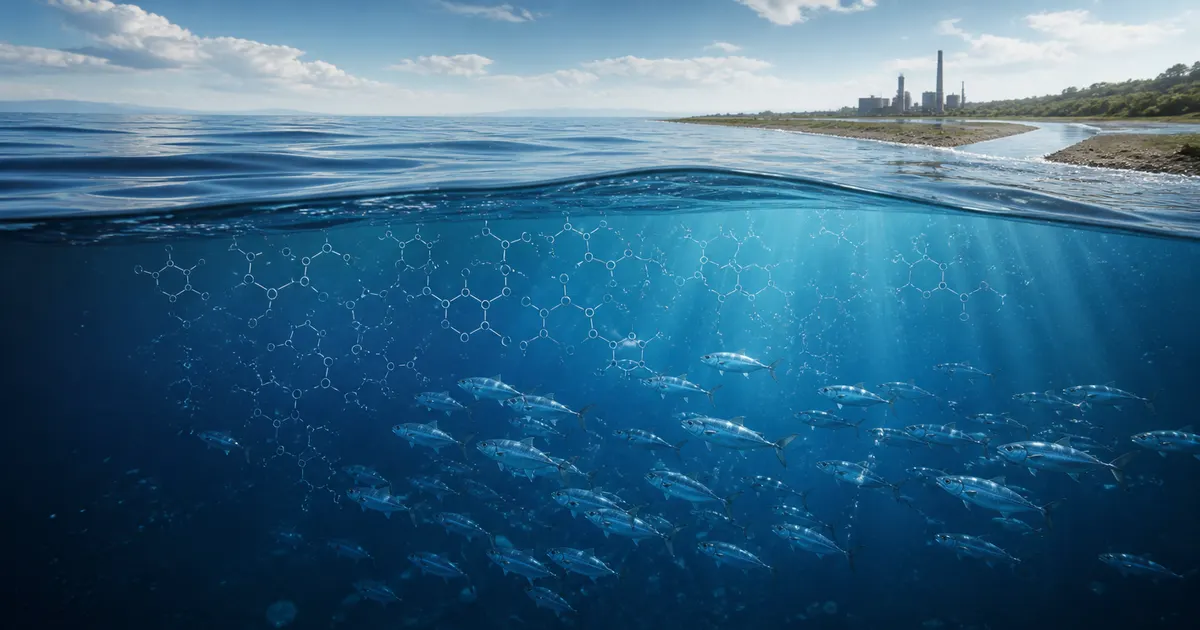
Most PFAS used on land travel down rivers with rain and wastewater and ultimately reach the sea. The ocean has become the planet's largest reservoir (sink) for PFAS. Yet as we will see later, the ocean is not merely a 'terminus' — recent research shows it also acts as a 'relay station' that sends accumulated PFAS back to land.
A substantial share of all the PFAS ever manufactured is thought to migrate, over time, to the ocean. Water-soluble PFAS are carried ceaselessly to the sea by river water and dispersed by currents — from surface to depths, from coasts to open ocean. There is effectively no way to recover PFAS once they are carried into the deep sea. That is why keeping more PFAS out of the ocean is the fundamental premise of any countermeasure.
From Rivers to the Sea: The Main Contamination Routes
PFAS reach the ocean by three main routes. First, industrial effluent and discharges from sewage treatment plants: conventional sewage treatment removes very little PFAS, so much of what arrives from homes and businesses passes straight into rivers and the sea. Second, groundwater outflow from around airports and bases where firefighting foam was used. Third, atmospheric deposition via rain: volatile PFAS precursors in the air are captured by rainfall and fall directly onto the sea surface.
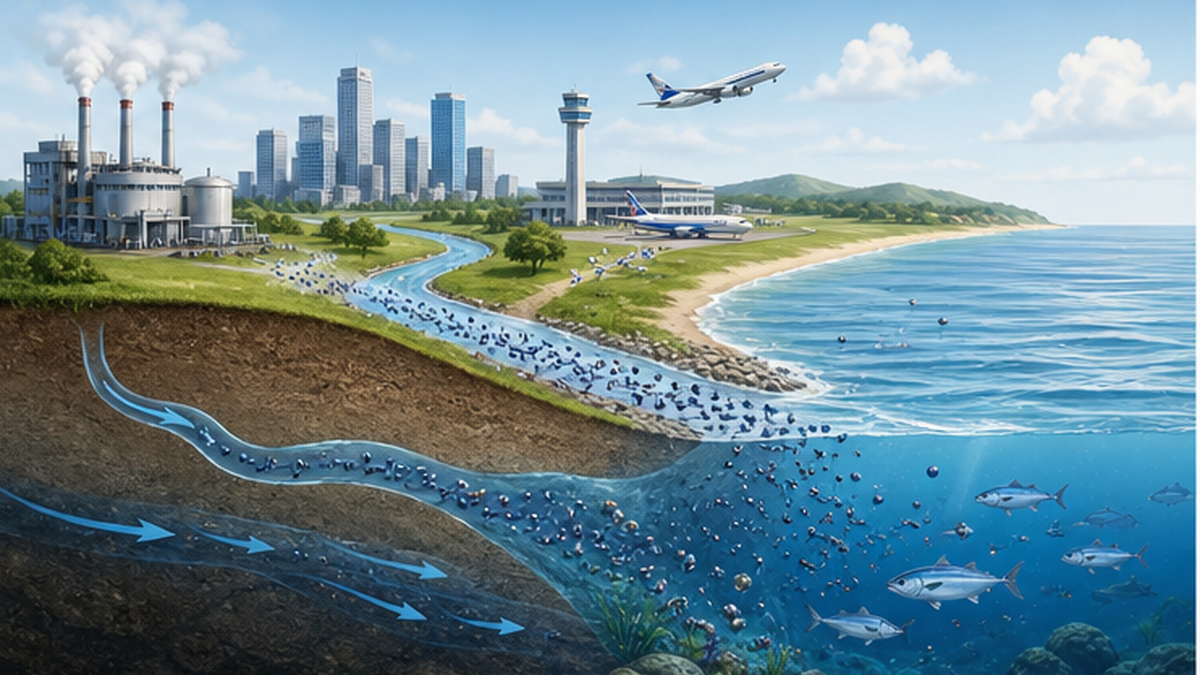
From the Deep Sea to the Arctic: Contamination with No Refuge
What makes PFAS contamination so serious is its reach. In the Arctic, far from human activity, PFAS carried by long-range atmospheric and ocean transport are continually detected in snow, ice, and seawater. A study published in 2025 found high PFAS concentrations even in deep-diving whales and dolphins, showing that 'deep-sea habitats offer no refuge from contamination'. PFAS are spreading to every depth and every latitude of the world ocean.
Even the Rain: A Planet-Wide Cycle
In 2022, a research team including Stockholm University reported that rainwater sampled around the world — including Antarctica and the Tibetan Plateau — contained PFAS at levels above the US EPA's lifetime drinking water health advisories, warning that 'PFAS pollution has already exceeded a planetary boundary'. PFAS that flow into the ocean return to the atmosphere through evaporation and aerosolization (described below) and fall again as rain. PFAS have become embedded in the water cycle itself — which is why this is called contamination on a planetary scale.
The Situation in Japan: Detections and a Declining Trend
In Japan, too, PFOS and PFOA exceeding guideline values have been detected in groundwater and rivers, mainly around airfields where firefighting foam was used and in industrial districts; the Tokyo Metropolitan Government, among others, continues groundwater surveys and drinking-water guidance. There is encouraging news as well: according to the Ministry of the Environment's chemical monitoring surveys, PFOS and PFOA concentrations in water, sediment, and air show statistically significant declining trends. The production and use restrictions that advanced around 2010 are beginning to show up in environmental concentrations. Still, because these substances do not degrade, what is already in the environment persists while shifting from place to place — continued monitoring is essential.
Related reading on ocean pollution
- Plastic is another emblem of 'pollution that never breaks down'. See How Marine Plastic Degrades: Why It Never Disappears for the science of why plastic persists at sea
Building Up in Marine Life: The Mechanism of Biomagnification
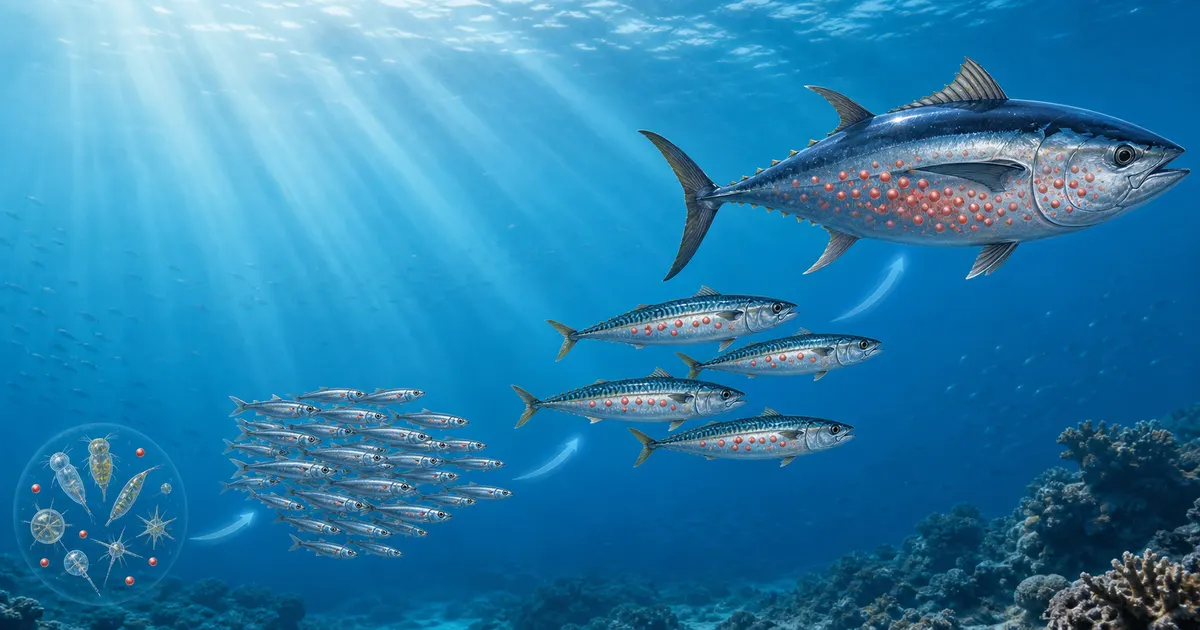
The concentration of PFAS dissolved in seawater is extremely low. The problem arises because concentration occurs inside marine organisms. PFAS taken up by small creatures pass to the fish that eat them, then to larger predators, increasing in concentration at every step up the food chain.
They Bind to Protein, Not Fat
Whereas legacy persistent pollutants such as PCBs and dioxins accumulate mainly in fatty tissue, PFAS bind to blood proteins and tend to accumulate in the liver, blood, and kidneys. They are also excreted very slowly: in humans, it takes years for blood concentrations of PFOS or PFOA to fall by half. Even small but steady intake causes body burdens to creep upward.
For marine life, food is not the only gateway. Fish contact large volumes of seawater through their gills, giving them a direct uptake route for waterborne PFAS. This is why fish in estuaries and enclosed bays near pollution sources tend to carry higher concentrations. PFAS in bottom sediment, meanwhile, enter the food web via benthic organisms such as worms and shellfish. Through water, sediment, and prey alike, PFAS are supplied to the ecosystem without pause.
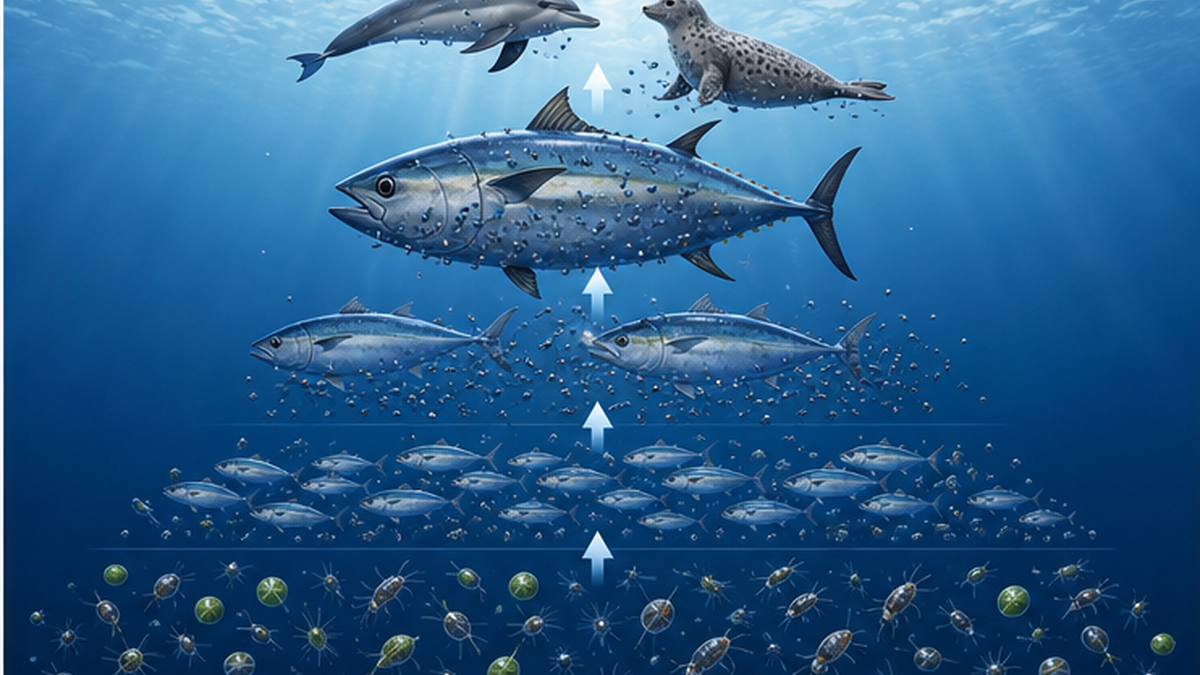
The Higher the Predator, the Higher the Level: From Polar Bears to Dolphins
As a result of biomagnification, animals at the top of the food chain carry the highest PFAS burdens. Studies of Arctic wildlife report that PFAS concentrations in polar bears reach roughly ten times those of people living in the same region, and that levels of some substances are still rising in seals and seabirds. A 2025 survey of dolphins and whales described 'unprecedented' concentrations, and diverse PFAS have been detected in large predatory fish such as white sharks in the northwest Atlantic. PFAS accumulation raises concerns about immune, endocrine, and reproductive effects — an issue for the health of entire marine ecosystems.
Invisible 'Precursors': The Hidden Part of the Iceberg
What complicates the full picture is the existence of precursors. The environment contains many substances that are not detected as PFOS or PFOA as such, but that break down and convert into them inside organisms or in the environment. Studies that measure total organofluorine in marine mammals report that known PFAS explain only part of the total — a substantial fraction consists of unidentified organofluorine compounds. The dozens of substances covered by routine analysis are the tip of an iceberg of more than 10,000 PFAS.
Shellfish as Sentinels: NOAA's Work
The US National Oceanic and Atmospheric Administration's National Centers for Coastal Ocean Science (NCCOS) runs projects assessing PFAS toxicity and accumulation in estuarine fish and invertebrates. Especially distinctive is Mussel Watch, a long-term monitoring program using bivalves such as mussels. Because bivalves live by filtering large volumes of seawater and concentrate pollutants in their tissues, they are ideal 'living indicators' of coastal contamination. Analyzing bivalve tissue allows long-term tracking of PFAS pollution in a given sea area.
| Group of organisms | Accumulation pattern | Background |
|---|---|---|
| Bivalves (mussels, clams, etc.) | Accumulate in proportion to seawater contamination | Filter feeders used as pollution indicators |
| Coastal fish | Accumulate mainly in liver and blood | Higher levels in estuaries and bays near sources |
| Large predatory fish (sharks, tuna, etc.) | Concentrate via the food chain | Uptake mainly through prey |
| Marine mammals (dolphins, seals, etc.) | Prone to especially high levels | Long-lived, high-trophic predators |
| Polar bears | Highest levels reported in the Arctic | Apex predators feeding on seals |
Seafood and Food Safety: How Worried Should We Be?
'If PFAS accumulate in ocean fish, isn't eating fish dangerous?' — this is the question most people ask. The short answer: Japan's Food Safety Commission has concluded that PFOS and PFOA intake from a normal diet is below the level of health concern. But there are premises and caveats worth knowing.
The Food Safety Commission's Assessment: TDI as the Yardstick
In June 2024, the Food Safety Commission of Japan completed the country's first food health impact assessment for PFAS, setting a tolerable daily intake (TDI) of 20 nanograms per kilogram of body weight per day for each of PFOS and PFOA. The TDI is the amount estimated to cause no adverse health effects even if ingested daily over a lifetime. Comparing average dietary intake (including drinking water) of PFOS and PFOA in Japan against this TDI, the Commission concluded that intake from a normal diet is not at a level of concern.
Of note, seafood accounts for a large share of dietary PFOS and PFOA intake. This does not mean seafood is dangerous; given that waterborne PFAS collect in the ocean and biomagnify, it is an unavoidable consequence. That is precisely why reducing ocean pollution itself is the most fundamental way to protect food safety. A clean ocean and a safe dinner table are directly connected.
Primary sourceFood Safety Commission of Japan: Q&A on the PFAS AssessmentOfficial explanation of the TDI rationale and dietary PFAS intake🔗 fsc.go.jp
Giving Up Fish Is Not the Rational Response
Seafood is rich in nutrients that are hard to replace — essential fatty acids such as DHA and EPA, high-quality protein, vitamin D. Agencies worldwide agree that abandoning fish out of PFAS anxiety costs more in lost benefits than it gains. What matters is eating a variety of seafood without over-relying on particular species or particular waters. The same practical risk management applies to other bioaccumulative substances such as mercury.
Can Cooking or Preparation Reduce PFAS?
You might hope that grilling would destroy them, but PFAS are heat-stable, so cooking cannot be expected to break them down. On the other hand, PFAS are known to accumulate in protein-rich parts such as blood and liver, so removing organs before eating is a sensible step. Some studies report partial transfer into cooking water when boiling, but the effect varies by substance and method. In the end, a varied diet not skewed toward particular waters or species remains the most reliable way to reduce risk.
Extra Caution Where Contamination Is Confirmed
In the United States, state governments have issued fish consumption advisories for specific rivers and lakes near firefighting-foam sources. In Japan, where high PFAS levels have been found in groundwater or rivers, local authorities have advised residents not to drink well water, among other measures. Neither 'dangerous everywhere' nor 'perfectly safe' — near known sources, act on the specific local information. That is the right way to engage with this issue.
Practical points for the dinner table
- Eat a variety of seafood, without over-relying on one species or one source
- Check PFAS monitoring results and well-water advisories published by your local government
- Follow local advisories when deciding whether to frequently eat fish caught in waters with reported contamination
- Rely on primary sources such as the Food Safety Commission and the Ministry of the Environment, not alarmist information
The way chemicals concentrate up the food chain is common to mercury and microplastics as well. Reading How Microplastics Affect Human Health alongside this article gives a fuller picture of ocean pollution and food safety.
The Science of Health Effects: How to Read IARC's Assessment
In December 2023, the WHO's International Agency for Research on Cancer (IARC) classified PFOA as 'carcinogenic to humans' (Group 1) and PFOS as 'possibly carcinogenic to humans' (Group 2B). The news made headlines worldwide — but understanding what the classification means is essential.
Group 1 Measures Certainty of Evidence, Not Degree of Danger
IARC's classification indicates how certain the scientific evidence of carcinogenicity is — not how potent a carcinogen something is, nor how likely it is to cause cancer. Group 1 also includes alcoholic beverages, processed meat, and sunlight (ultraviolet radiation). The reading 'PFOA is now Group 1, so any exposure causes cancer' is simply wrong. Japan's Food Safety Commission explains this clearly in its Q&A: the reclassification does not by itself change everyday risk.

Health Effects Under Investigation
Epidemiological studies and animal experiments have reported the following as effects possibly associated with high PFOS/PFOA exposure. Note that for many of these items, the Food Safety Commission judged the evidence 'reported but limited'; establishing causality requires further research.
- Elevated blood cholesterol (one of the more consistently reported effects)
- Effects on immune function, such as reduced antibody response after vaccination
- Association with lower birth weight
- Reported effects on thyroid hormones and uric acid levels
- Changes in liver function markers
- Reported associations of PFOA with kidney and testicular cancer (evidence assessed as limited)
Never Lose Sight of Dose
The first principle of toxicology is that the dose makes the poison. Health effects have been reported mainly in highly exposed groups — residents who drank contaminated water for years, or workers at manufacturing plants. Intake from a normal diet is far below such levels. Even so, because these substances accumulate readily and leave the body slowly, societal efforts to reduce intake and strengthen regulation remain important.
One more thing worth knowing: the effects of regulation are already visible in human bodies. The US CDC's National Health and Nutrition Examination Survey (NHANES) reports that blood PFOS levels in the US population have fallen substantially since production ceased and regulation began around 2000. Environmental PFOS/PFOA levels in Japan are declining as well: 'regulation works' has already been demonstrated. The remaining challenge is what to do about the many unregulated PFAS and the legacy already in the environment.
Easily misunderstood points
- IARC Group 1 classifies certainty of evidence, not magnitude of cancer risk
- Most reported health effects come from highly exposed groups whose exposure far exceeds a normal diet
- Pursuing 'zero risk' by shunning fish or tap water does more harm than good
Coming Back on the Sea Spray: The 'Boomerang' Discovery
'PFAS that flow into the sea will dilute away' — so it was long assumed. Recent research overturns that view. The ocean does not merely store PFAS; it launches them back into the atmosphere on the spray of breaking waves, returning them to land.
Stockholm University Demonstrates the Cycle
A team at Stockholm University in Sweden, combining ship-based observations with long-term air monitoring, demonstrated that sea spray aerosol — the fine droplets produced when waves break — releases PFAS into the atmosphere. Research published in 2024 showed that emissions via this route may rival or exceed other sources, and the team dubbed the phenomenon a 'harmful boomerang'. PFAS used on land and washed to sea come back around to us again.
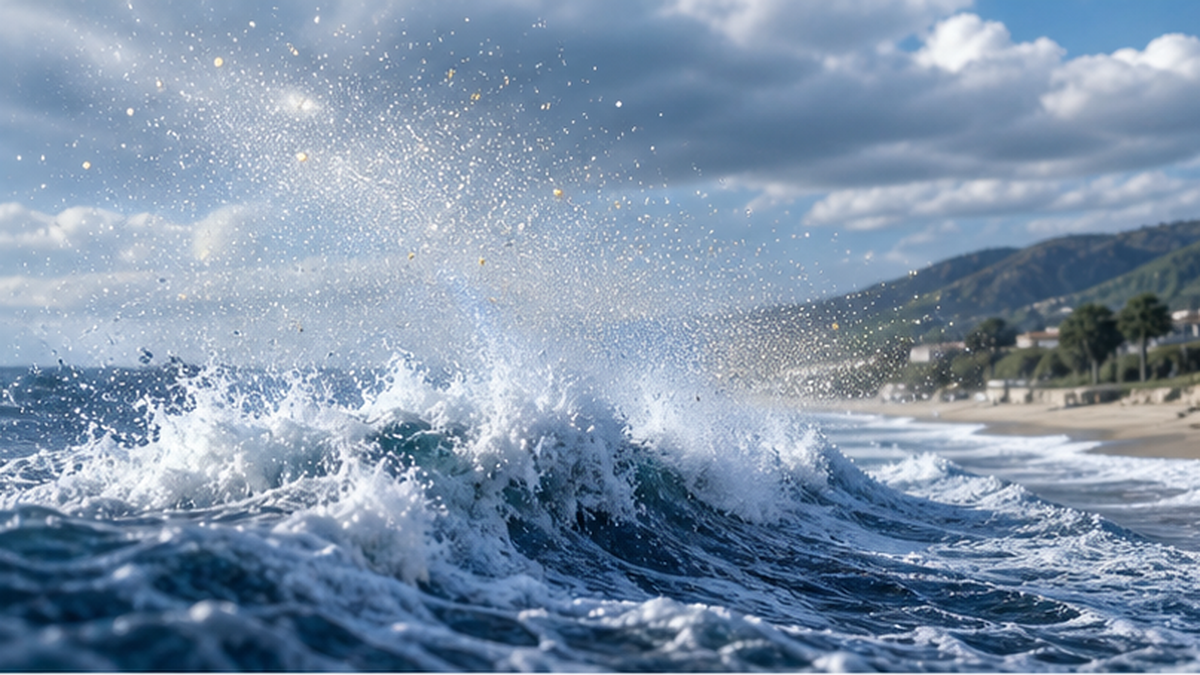
Why Do the Droplets Concentrate PFAS?
The key is that PFAS are surfactants. PFAS molecules gather at the boundary between water and air, so they concentrate on the surfaces of bubbles in the sea. The instant a bubble bursts at the surface, tiny droplets loaded with PFAS are ejected into the air. Studies confirm that PFAS concentrations in the aerosol are far higher than in the seawater itself.
This does not mean swimming or ocean sports are dangerous. What matters is that this long-term, wide-area re-emission to the atmosphere is significant in the planet-wide PFAS cycle. For Japan, with its long coastlines, lowering PFAS levels in the ocean also means reducing exposure via the atmosphere.
Implications for Coastal Regions
Airborne PFAS particles are carried inland by the wind. Estimates suggest they can drift for more than ten hours and travel hundreds of kilometers, so re-supply of PFAS from the sea could be a non-negligible exposure route in coastal regions. Ocean pollution is not a problem confined to the sea: it circulates back into our living space via the atmosphere. This is why any PFAS strategy needs an ocean perspective.
That said, research on the health significance of aerosol-borne PFAS has only just begun. How exposure varies with distance from the coast and wind patterns, and how it compares with intake via drinking water, are open questions. What is certain is the scientifically demonstrated fact that polluting the sea is not the end of the story — it comes back around to us. Protecting the ocean is also protecting the health of coastal communities.
Regulation Worldwide and in Japan: From Treaty to the 2026 Water Standard
PFAS regulation is tightening rapidly at three levels: international conventions, national drinking water standards, and product regulations. Here is the big picture in chronological order.
International Rules: Stepwise Elimination under the Stockholm Convention
Under the Stockholm Convention on Persistent Organic Pollutants (POPs), PFOS was added to Annex B (restriction of production and use) in 2009, followed by PFOA in 2019 and PFHxS in 2022, both added to Annex A (elimination). The conferences of the parties continue to expand coverage, including long-chain PFCAs. Even as regulation plays cat-and-mouse with newly developed substitutes, the international net is closing.
| Year | Regulatory action | Content |
|---|---|---|
| 2009 | Stockholm Convention COP4 | PFOS added to Annex B (restriction) |
| 2019 | Stockholm Convention COP9 | PFOA added to Annex A (elimination) |
| 2022 | Stockholm Convention COP10 | PFHxS added to Annex A (elimination) |
| Dec 2023 | IARC | PFOA classified Group 1; PFOS Group 2B |
| Apr 2024 | US EPA | Final drinking water rule (4 ng/L each for PFOA and PFOS; 6 substances) |
| Jun 2024 | Japan Food Safety Commission | TDI of 20 ng/kg bw/day set for each of PFOS and PFOA |
| Apr 2026 | Japan Ministry of the Environment | PFOS+PFOA (50 ng/L combined) elevated to binding water quality standard with mandatory testing |
United States: EPA's First National Drinking Water Standard
In April 2024 the US EPA finalized the country's first national drinking water regulation for PFAS. The limits are strikingly strict — 4 nanograms per liter each for PFOA and PFOS — and cover six substances in total, including PFNA, PFHxS, and GenX compounds. These values are far tighter than Japan's standard (50 ng/L combined), and the international divergence in regulatory levels is itself a subject of debate.
EU: A Single Restriction for 10,000 Substances
Substance-by-substance regulation never ends the cat-and-mouse game with replacement PFAS. Drawing that lesson, five countries — Germany, the Netherlands, Denmark, Sweden, and Norway — submitted a proposal to the European Chemicals Agency (ECHA) in 2023 to restrict PFAS as an entire class. Covering roughly 10,000 substances, it would be among the largest chemical restrictions in history. Deliberations are taking time given the stakes for industry, but the shift 'from case-by-case to comprehensive' symbolizes where world regulation is heading.
Japan: Drinking Water Standard Upgraded in April 2026
For years, Japan handled PFOS and PFOA in tap water under a provisional target of 50 ng/L combined, with testing merely encouraged. Following a ministerial ordinance promulgated in June 2025, from April 2026 this became a legally binding water quality standard. The value is unchanged at 50 ng/L combined, but water utilities nationwide are now obligated to test regularly and comply — a major step forward. Formal guideline values (also 50 ng/L) were likewise set for public waters and groundwater, replacing the provisional ones.
Japan's Ministry of the Environment has convened an expert panel on a comprehensive PFAS strategy, advancing stronger monitoring of tap water, rivers, and groundwater, planned replacement of stockpiled firefighting foams with PFAS-free alternatives, and collection of health-effects knowledge. Japan has moved past writing standards into the operational phase: measure, reduce, and inform.

Primary information on regulation and monitoring is published by the Ministry of the Environment in an accessible Q&A format — a good starting point for checking the situation where you live.
Primary sourceMinistry of the Environment, Japan: Q&A on PFOS and PFOAPrimary information (PDF) on PFAS basics, domestic detections, and the drinking water standard🔗 env.go.jpEnding 'Forever': Removal Technologies and What We Can Do
If they will not degrade, we must remove them — or stop releasing them in the first place. Researchers and companies worldwide are racing to develop technologies to 'end the forever chemicals', including distinctive results from Japan.
Removal: From Activated Carbon and RO Membranes to Microbes
The main technologies in practical use are adsorption on granular activated carbon, ion-exchange resins, and reverse osmosis (RO) membranes, applied in treatment plants and household purifiers. But these only capture PFAS rather than destroy them, leaving the problem of spent media. Looking further ahead, in July 2026 a Kobe University team reported that bacteria isolated from PFAS-contaminated river sediment removed up to 17.8% of PFOS and 14.1% of PFOA. The numbers are still small, but the result draws attention as a proof of possibility: living organisms processing PFAS.
Research on 'destroying' — the step beyond 'capturing' — is advancing worldwide as well. Besides high-temperature incineration, approaches such as supercritical water oxidation, electrochemical degradation, and plasma treatment aim to sever the carbon–fluorine bond, and the search for chemistry that decomposes PFAS under milder conditions is active. Whether we can consign the name 'forever chemicals' to history — this is a frontier of environmental technology.
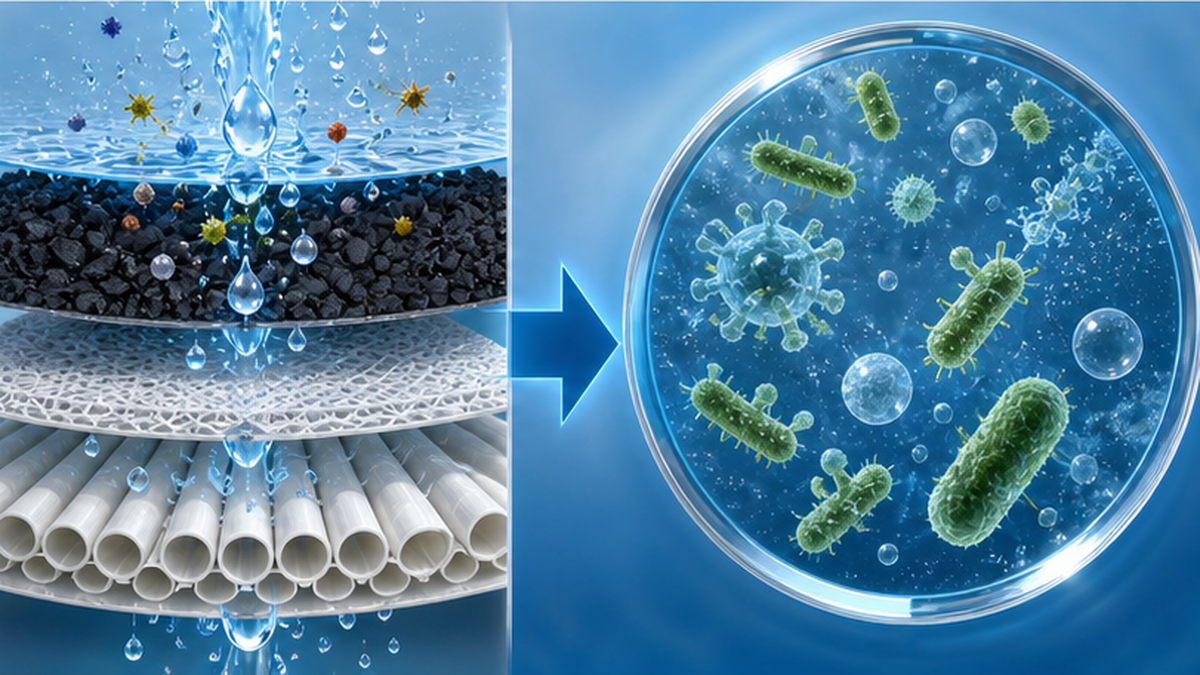
Prevention: The Shift to Fluorine-Free
The more fundamental fix is switching to products that do not use PFAS. The outdoor industry is moving worldwide to PFAS-free water repellents, and firefighting foams are being replaced with fluorine-free alternatives in many countries. In the EU, the proposed class-wide restriction on PFAS is under deliberation — if realized, it will drive a major transformation across industry.
What Each of Us Can Do
What individuals can do is more real than it seems. Choosing fluorine-free products steers corporate product development, and accurate knowledge prevents needless anxiety and rumor. Whether plastic or PFAS, ocean pollution shares one structure: the sea has absorbed the cost of our convenience. Re-examining that balance as consumers is the longest-lasting countermeasure of all.
- Choose products labeled PFAS-free or fluorine-free — water-repellent sprays, outdoor wear, cookware
- Check your local water quality test results, and heed municipal advisories if you use well water
- Go to primary sources — the Food Safety Commission, the Ministry of the Environment — rather than fragmentary social media posts
- Keep up habits that reduce the ocean's burden: cut marine litter, never pour oil or chemicals into drains
- Learn about the PFAS issue and share it — public attention drives regulation and technology forward
Summary of this article
- PFAS is a family of over 10,000 man-made fluorinated chemicals; the strength of the carbon–fluorine bond makes them nearly non-degradable 'forever chemicals'
- PFAS that gathered in the ocean via rivers now accumulate through biomagnification — as far as deep-sea whales and Arctic polar bears
- A 'boomerang cycle' has been demonstrated: sea spray aerosol returns PFAS from ocean to land
- IARC classified PFOA as Group 1, but intake from a normal diet is assessed as below the Food Safety Commission's TDI
- From April 2026 Japan enforces a binding drinking water standard (PFOS+PFOA 50 ng/L combined); regulation is accelerating worldwide
- Individuals can act too: choose fluorine-free products and rely on primary sources
References
- Ministry of the Environment, Japan: Q&A on PFOS and PFOA (August 2024, Expert Panel on Comprehensive PFAS Strategy) – Primary information on PFAS basics, domestic detections, and regulatory trends
- Food Safety Commission of Japan: Food Health Impact Assessment of PFAS (June 2024) – Summary of the assessment setting TDIs of 20 ng/kg bw/day for PFOS and PFOA
- Food Safety Commission of Japan: Q&A on IARC's Evaluation of PFOA and PFOS – Explanation of the IARC classifications (PFOA Group 1, PFOS Group 2B)
- Ministry of the Environment, Japan: On the US EPA News Release (April 2024) – Explanation of the EPA's final drinking water rule (4 ng/L each for PFOA/PFOS, 6 substances)
- Ministry of Foreign Affairs of Japan: Stockholm Convention on Persistent Organic Pollutants (POPs) – Overview of the convention, including the annex listings of PFOS, PFOA, and PFHxS
- Tokyo Metropolitan Government Bureau of Environment: Tokyo's Initiatives on PFOS and PFOA – Groundwater surveys and drinking-water guidance in Tokyo
- Stockholm University: 'Harmful Boomerang: PFAS Pollution in Ocean Comes Back to Land' – Research demonstrating re-emission of PFAS from sea to land via sea spray aerosol
- NOAA NCCOS: 'Assessing PFAS Toxicity to Estuarine Fish and Invertebrates' – Project evaluating PFAS toxicity and accumulation in estuarine fish and invertebrates
- Kobe University: 'River Bacteria Remove the Forever Chemicals PFAS' (July 2026) – Research on PFOS/PFOA removal by bacteria from river sediment
- Phys.org: 'Unprecedented levels of forever chemicals found in dolphins and whales' (November 2025) – Coverage of research on high PFAS accumulation in dolphins and whales
* Ordered by reliability: government and academic institutions > peer-reviewed papers > specialist organizations > trusted media