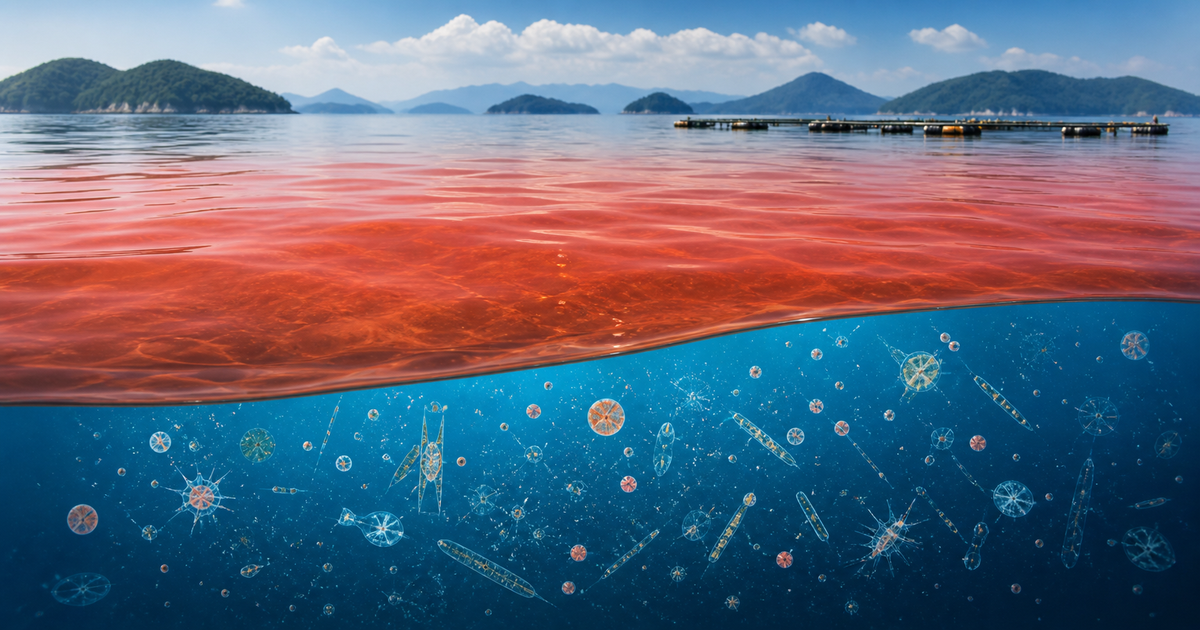
A "red tide" that suddenly turns the summer sea reddish-brown or orange. Conversely, a "blue tide" that clouds the water milky blue, with large numbers of fish floating dead. You may have seen both in the news. Though they appear to be separate phenomena, they are in fact one story connected by the same root cause: the ocean's "eutrophication."
Eutrophication refers to a state in which the sea becomes, in effect, overfed on nutrients, as excessive nitrogen and phosphorus flow in from domestic wastewater and farmland. Plankton that soak up this abundant nutrition multiply explosively (a red tide), eventually die and sink, and as they decompose, oxygen is stripped from the seafloor (an oxygen-depleted water mass); when that water wells up, it becomes a blue tide. This chain of events has caused serious fishery damage, including mass die-offs of farmed fish and shellfish poisoning.
This article traces the mechanisms behind red tides, blue tides, and eutrophication using clear diagrams, while organizing what is happening on the ground in the Seto Inland Sea, Ariake Sea, and Hokkaido, and what countermeasures are being pursued, based on primary data from Japan's Ministry of the Environment and Fisheries Agency. In fact, Japan's seas have now begun to face a new worry: being "too clean, with insufficient nutrients." Let's look at this reversal as well.
What you'll learn in this article
- Understand that red tides, blue tides, and cyanobacterial blooms are all phenomena caused by excessive plankton growth due to "eutrophication"
- Grasp, through diagrams, the full chain of mechanisms from nitrogen and phosphorus inflow to plankton blooms, oxygen-depleted water, and blue tides
- Understand the three mechanisms of fishery damage from red tides — suffocation, toxicity, and oxygen depletion — and the risks of shellfish poisoning
- Learn concretely, through real cases from the Seto Inland Sea, Ariake Sea, and Hokkaido, about the changes occurring in Japan's seas
- Learn about the latest countermeasures, which have shifted from "regulation" to "nutrient salt management," aiming for a clean and abundant sea
- Understand how climate change is worsening red tides and oxygen depletion, alongside dead zones occurring worldwide
What Are Red Tides, Blue Tides, and Cyanobacterial Blooms? Reading the Sea's Distress by Its Color
There are several types of phenomena in which the color of the sea changes. First, let's clarify three terms: red tide, blue tide, and cyanobacterial bloom. Their names and appearances differ, but at the root of all three lies the same cause: "plankton multiplying excessively." Let's first pin down what each one actually is, based on color and location.
Red Tides: Phytoplankton Color the Sea
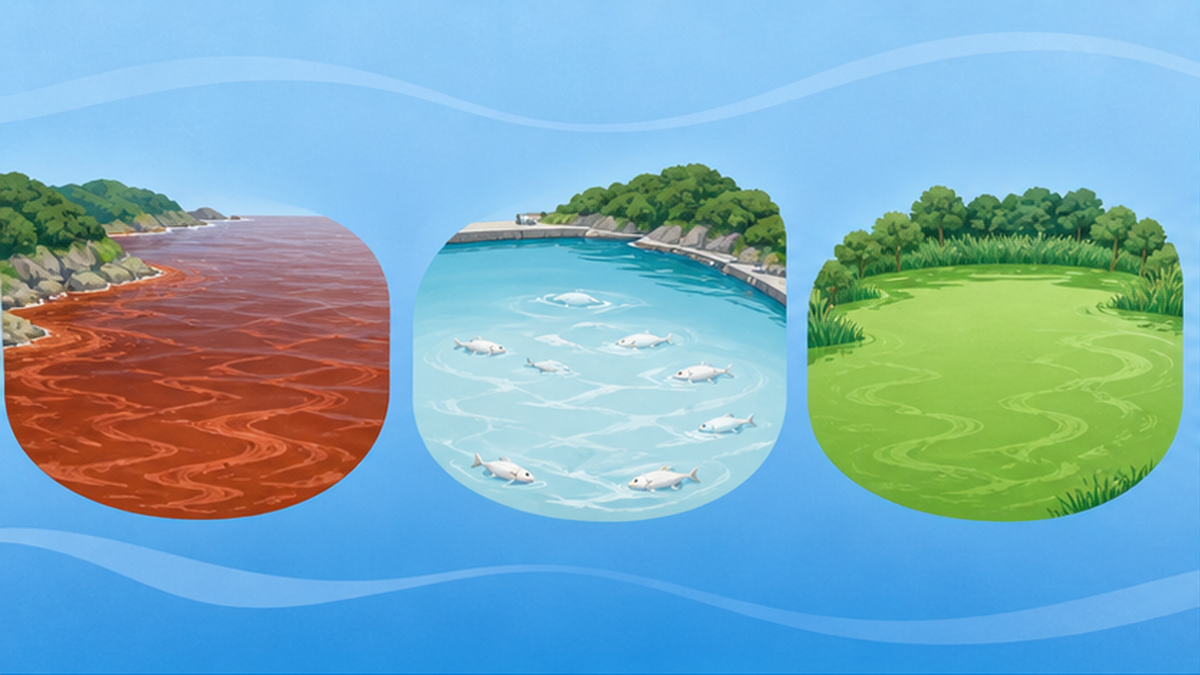
A red tide is a phenomenon in which phytoplankton, in particular, multiply abnormally in the sea, making the seawater appear reddish-brown, orange, brown, or similar colors. According to an explanation by Japan's Ministry of Agriculture, Forestry and Fisheries, red tides occur in sea areas where the water has become eutrophic. Depending on the species of organism responsible, the sea's color can also turn brownish or greenish rather than just red. The plankton themselves are too small to see with the naked eye, but once their density reaches thousands to tens of thousands of individuals per milliliter of seawater, the entire body of water appears colored. The sea surface can look as though paint has been dissolved into it, sometimes spreading in bands or mottled patches clearly visible even from a distance. Materials from Japan's Ministry of Land, Infrastructure, Transport and Tourism also define a red tide as "a phenomenon in which seawater changes color due to the abnormal proliferation of plankton," with the resulting color varying depending on the pigments and growth patterns of the plankton responsible.
Blue Tides: When the Sea Clouds Milky Blue
A blue tide is a phenomenon in which the sea surface clouds to a milky bluish color (cobalt blue or milky blue). It occurs mainly in enclosed inner bays such as Tokyo Bay, typically from summer through autumn. Blue-tide water is "oxygen-depleted water" containing almost no oxygen, and the sulfide compounds it contains oxidize on contact with air, producing tiny sulfur particles (sulfur colloids) that give the sea its distinctive pale blue color. If a red tide is "too much plankton," a blue tide is "the water left oxygen-starved by cleaning up after it" — the two are connected with a time lag. When a blue tide occurs, fish and shellfish that flee toward shore in search of oxygen can run out of strength, sometimes resulting in large numbers of carcasses washing up on the coast. It is accompanied by a rotten-egg-like smell from hydrogen sulfide, making it a disturbance that coastal residents can even detect by smell.
Cyanobacterial Blooms: The Freshwater Version of Eutrophication
A cyanobacterial bloom is a phenomenon in which cyanobacteria (blue-green algae) proliferate massively in freshwater bodies such as lakes, reservoirs, and ponds, making the water surface look as though green powder has been sprinkled on it. It's easiest to think of it as the freshwater counterpart to marine red tides. Some species produce toxins, causing problems for drinking water sources and recreational use. Despite the difference between sea and lake, the storyline — "nitrogen and phosphorus increase → plankton multiply excessively" — is exactly the same.
| Phenomenon | Main Location | Key Organism | Visible Color |
|---|---|---|---|
| Red tide | Enclosed bays and coastal seas (saltwater) | Phytoplankton (dinoflagellates, diatoms, etc.) | Reddish-brown, orange, brown |
| Blue tide | Enclosed inner bays (saltwater) | — (oxygen-depleted water and sulfur particles) | Milky bluish color |
| Cyanobacterial bloom | Lakes, reservoirs, ponds (freshwater) | Cyanobacteria (blue-green algae) | Green |
What All Three Have in Common, in One Sentence
Red tides, blue tides, and cyanobacterial blooms are all different faces of the same underlying problem — eutrophication — beginning with "plankton multiplying excessively in water with too many nutrients."
What's important to understand here is that plankton causing red tides are by no means "bad organisms." Through photosynthesis, they produce oxygen and support the very foundation of the food chain — an indispensable part of the ocean. The problem is strictly that they "multiply too much." So why do they end up multiplying to excess? The next chapter breaks down the mechanism of eutrophication, the trigger behind it all.
The Mechanism of Eutrophication: Where Do Nitrogen and Phosphorus Come From?
Eutrophication, the starting point of red tides and blue tides, refers to a state in which nutrient salts contained in seawater or lake water — particularly nitrogen (N) and phosphorus (P) — increase excessively. Just as crops grow when fertilizer is spread on a field, when nitrogen and phosphorus increase in the sea, plankton — the "grass of the sea" — grow too much. Let's first look at where these nutrients come from.
Three Sources of Nutrient Salts
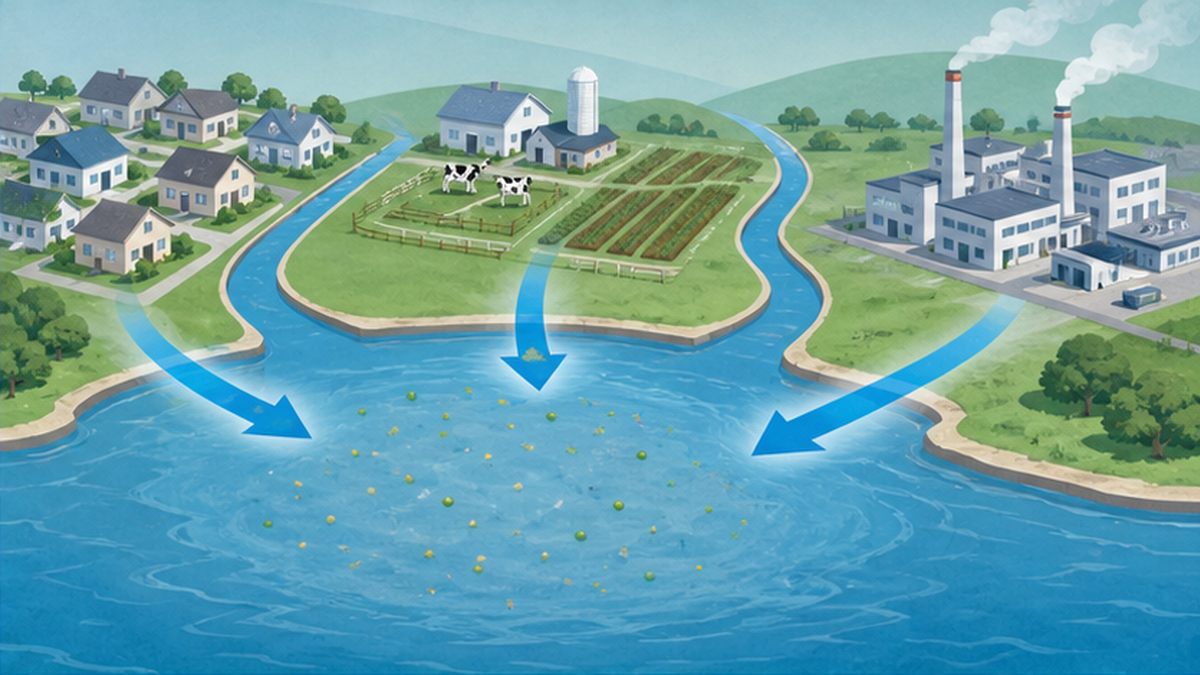
The nitrogen and phosphorus flowing into the sea come from three main sources. First is domestic wastewater. Nitrogen and phosphorus contained in the detergents, human waste, and food scraps we use reach the sea, even after passing through sewage treatment, at least in part. Second is farmland and livestock farming. Chemical fertilizer spread on fields and manure from livestock are washed away by rain, entering the sea via rivers. Third is industrial wastewater from factories and other sources. During Japan's period of rapid economic growth, these flowed into the sea almost entirely untreated, causing serious eutrophication. In addition, "atmospheric loading" — nitrogen oxides emitted by cars and factories, which travel through the atmosphere and fall into the sea along with rain — is also known as a source that cannot be ignored. In other words, eutrophication is connected to every part of daily life: the kitchen, the farm, the factory, and the sky.
- Domestic wastewater (nitrogen and phosphorus contained in detergents, human waste, food scraps, etc.)
- Farmland and livestock farming (runoff of chemical fertilizer and livestock manure)
- Industrial wastewater from factories and businesses
- Atmospheric deposition (nitrogen oxides from cars and factories reaching the sea via rain)
Why It Happens So Easily in "Enclosed Seas"
Eutrophication tends to become serious in enclosed water bodies such as the Seto Inland Sea, Tokyo Bay, and the Ariake Sea. Because there is little exchange of seawater with the open ocean, the nitrogen and phosphorus that flow in have nowhere to escape, continuing to accumulate on the inside. Inner bays surrounded by land, home to large populations and industries, easily become "pooled water" where nutrient salts gather. Japan's inland seas have repeatedly suffered red tides as a result of geography combining with human activity. Even if the same amount of nitrogen and phosphorus flows in, an open sea facing the ocean will quickly disperse and dilute it, whereas an enclosed water body concentrates and accumulates it. In other words, how prone a sea is to eutrophication is strongly influenced by just how "enclosed" it is.
Phosphorus or Nitrogen: Which Matters More?
Both nitrogen and phosphorus are indispensable nutrients for plankton growth. Generally, phosphorus tends to be the "key nutrient limiting growth" in freshwater bodies such as lakes, while nitrogen tends to play that role mainly in the sea. Since an excess of either one can drive growth, managing both is the basic principle of countermeasures. Phosphorus contained in synthetic detergents was once viewed as a problem, and there is a history of a shift toward phosphorus-free detergents. In the 1970s, as cyanobacterial blooms and red tides worsened seriously in Lake Biwa, a citizens' movement led Shiga Prefecture to become the first in Japan to enact the "Lake Biwa Ordinance (Eutrophication Prevention Ordinance)," which restricted the use and sale of phosphorus-containing synthetic detergents. The idea that citizens' everyday choices can protect the water took root around this time.
"Eutrophic" Was Originally a Term for Lakes
Eutrophication originally referred to the natural process by which a lake becomes nutrient-rich over a long period of time. The problem is "anthropogenic eutrophication," in which human activity accelerates this process to a breakneck pace of just a few decades. A change that would naturally take thousands of years ends up occurring within a single generation.
Once nutrients accumulate in the sea this way, all that remains is to wait for a "trigger." In the next chapter, let's look at the conditions that ignite this accumulated nutrient supply into the explosive growth of a red tide.
The Mechanism of Red Tide Formation: Why Do Plankton Multiply Explosively?
Even if nitrogen and phosphorus have accumulated in the sea, that alone will not cause a red tide. For plankton to suddenly multiply in an "abnormal bloom," several conditions must align in addition to the nutrients. Here, let's break down, step by step, the triggers behind the phenomenon of a red tide.
Four Conditions That Spell Danger When Combined
Red tides tend to occur when 1) nutrient salts are abundant, 2) water temperature is high, 3) sunlight is strong, and 4) the sea is calm and water does not mix easily. These four conditions tend to align particularly from the end of the rainy season through summer. Rain during the rainy season washes large amounts of nutrient salts in from land, and afterward, as the weather clears and water temperature rises, and winds weaken to calm the sea, an environment of "all-you-can-eat, all-you-can-sunbathe" forms — precisely ideal for plankton.
- Nutrient salts (nitrogen and phosphorus) are abundant
- Water temperature is high (generally more active in summer)
- Sunlight is strong, promoting active photosynthesis
- Wind is weak and the sea is calm, so surface water tends to stay in place
Stratification: The Sea Gets a "Lid"
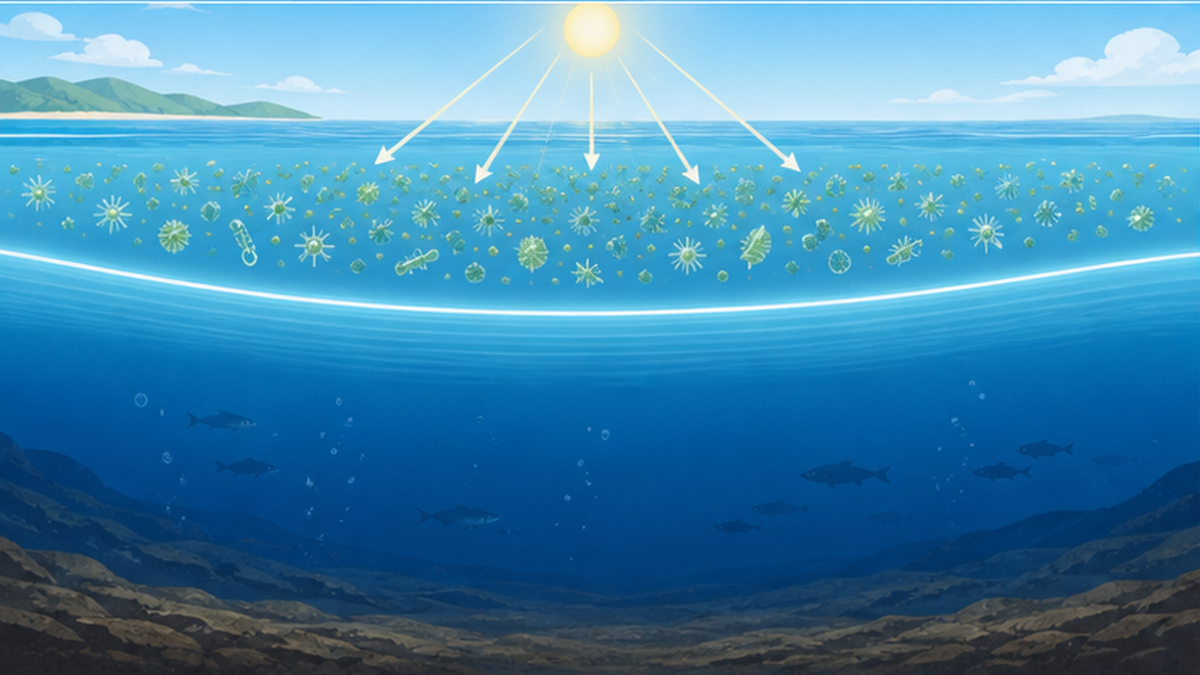
An important phenomenon in summer is stratification. When surface seawater is warmed by sunlight and becomes lighter, it becomes difficult to mix with the cold, heavy water below, dividing the sea into two layers, upper and lower. This boundary is called the thermocline. Once stratification forms, the surface layer does not mix with the water below, and nutrients and light remain trapped continuously in this thin layer. If fresh nutrients are then added from a river, the surface layer becomes an ideal culture tank for plankton, and growth proceeds explosively. Conversely, if a typhoon or strong wind stirs up the sea and breaks the stratification, a red tide can vanish just as quickly. The occurrence and disappearance of red tides is the result of a tug-of-war between two conditions: nutrients and weather.
The Leading Players: Dinoflagellates and Diatoms
Many types of plankton cause red tides, but the representative ones are dinoflagellates and diatoms. Some dinoflagellates can swim to a favorable depth on their own, using a clever strategy of taking in nutrients at depth at night and rising to photosynthesize during the day, which allows them to outcompete other organisms. Karenia and Cochlodinium, along with other species that cause "harmful red tides" doing major damage to farmed fish, mostly belong to this group of dinoflagellates, but Chattonella, which also causes serious damage to farmed fish, is classified not as a dinoflagellate but as a separate group called raphidophytes (needle-shaped algae). Diatoms, meanwhile, are plankton with glassy shells; while they are less likely to directly harm fish, when they proliferate massively, they monopolize the nutrients in the water, causing the discoloration of nori seaweed in the Ariake Sea, which we'll look at later. Even under the same label of "red tide," the type of damage that results varies completely depending on the species of plankton involved. Just like the resourceful adaptations of deep-sea creatures, which evolved in the extreme environment of the deep sea, plankton too are strategists skilled at exploiting their environment.
Growth Speed Beyond Imagination
When conditions align, phytoplankton divide once or several times a day, doubling their numbers repeatedly. In just a few days, their numbers can reach a point where they change the color of the sea, and once a bloom has begun, it is extremely difficult for humans to stop. That is precisely why prevention — not letting nutrient salts increase excessively in the first place — is the central pillar of countermeasures.
And the fate of plankton that have multiplied to excess is to "die and sink." This cleanup process is precisely what gives rise to the next protagonists of our story — oxygen-depleted water masses and blue tides.
Blue Tides and Oxygen-Depleted Water Masses: What Happens When Oxygen Disappears from the Sea
What happens in the sea after plankton have multiplied explosively in a red tide? The increased organisms eventually reach the end of their lifespan, die, and sink to the seafloor. This "cleanup of dead plankton" is the key that triggers blue tides and massive die-offs of fish and shellfish.
Decomposition Consumes All the Oxygen
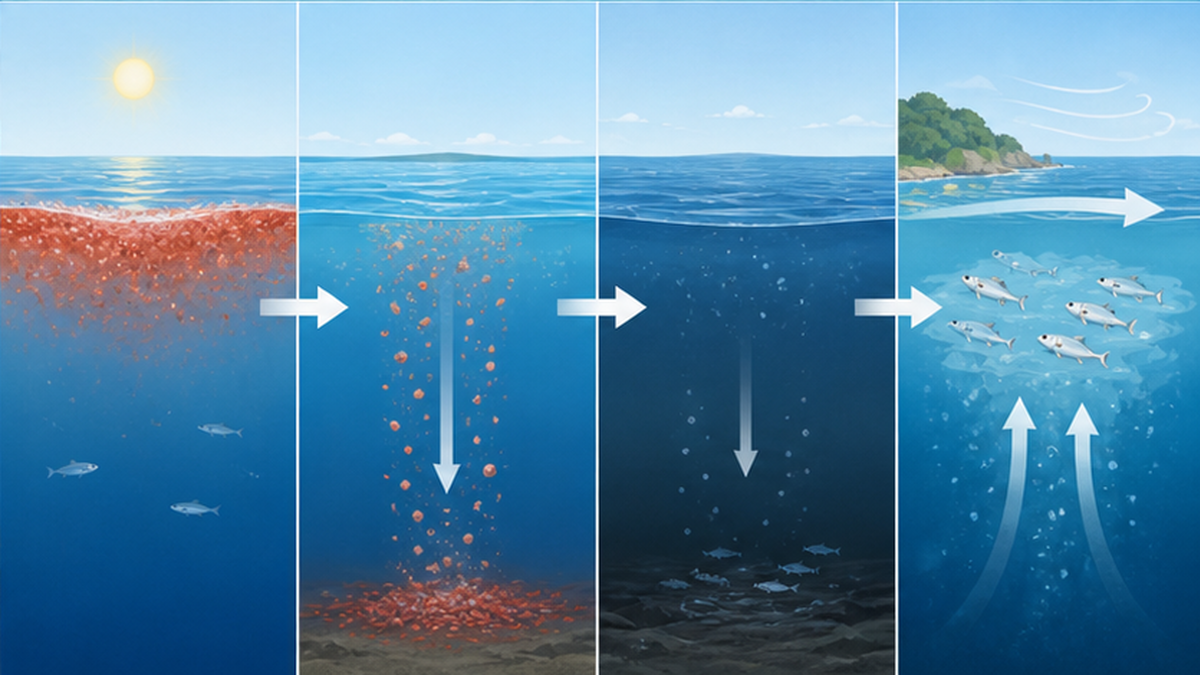
When dead plankton and organic matter accumulate on the seafloor, microorganisms (bacteria) that feed on them begin decomposing it. However, this decomposition requires a large amount of oxygen. In summer, because stratification separates the surface layer from the bottom layer, oxygen is not resupplied to the bottom. As a result, oxygen near the seafloor is rapidly consumed, creating water so oxygen-poor that organisms cannot survive — an oxygen-depleted water mass. According to Tokyo's Bureau of Environment, Tokyo Bay's enclosed geography means little exchange of seawater with the open ocean, and the heavy load of nutrient salts and organic matter from land is considered the main cause of this oxygen-depleted water mass. Every year, from spring through autumn, an oxygen-depleted water mass spreads across the bottom of Tokyo Bay, turning it into something like an "ocean desert" where fish and shellfish can barely survive. What's more, once oxygen-depleted water accumulates in the depths, it does not clear up as long as the "lid" of stratification remains, staying put throughout the summer — a troublesome characteristic.
Hydrogen Sulfide and the True Nature of Blue Tides
In the bottom layer, where oxygen has been completely exhausted, microorganisms called sulfate-reducing bacteria become active, producing sulfide compounds such as hydrogen sulfide. Hydrogen sulfide has a rotten-egg-like odor and is a substance highly toxic to living organisms. When this bottom-layer water, laden with sulfide compounds, wells up to the sea surface under certain conditions, a blue tide results. The sulfide compounds oxidize on contact with the oxygen in the air, producing tiny sulfur particles (sulfur colloids) that make the sea appear clouded with a milky blue color.
The Role of "Wind" in Triggering Blue Tides
What often triggers a blue tide is wind. In Tokyo Bay, when strong northerly winds blow from summer through autumn, surface water along the coast is pushed offshore. To compensate for this water, oxygen-depleted, sulfide-laden bottom water then climbs up the slope and wells up along the coast (upwelling). Once a blue tide occurs this way, fish, shellfish, crabs, and other creatures exposed to oxygen-free water and hydrogen sulfide have nowhere to flee, dying in large numbers. Particularly severe is the impact on benthic organisms such as short-neck clams, which cannot swim away on their own. Tokyo Bay's tidal flats once yielded abundant short-neck clams, but repeated blue tides have dealt severe blows, leaving the population in a state where it struggles to recover. A blue tide has the destructive power to wipe out the organisms of an entire sea area overnight.
| Approximate Dissolved Oxygen Level | Condition of the Sea | Effect on Organisms |
|---|---|---|
| Saturated to about 4 mg/L or higher | A healthy sea | Many fish and shellfish can live normally |
| Roughly 3 mg/L or lower | Oxygen-depleted condition | Benthic organisms weaken; immobile shellfish begin to die |
| Nearly 0 mg/L + hydrogen sulfide | Anoxic / blue tide | Most organisms cannot survive; mass die-offs occur |
"Dead Zones" Are a Global Challenge
Oxygen-depleted water masses are called "dead zones" in English, and have been reported in eutrophic inner bays and estuaries around the world. The massive dead zones in the Gulf of Mexico and the Baltic Sea, which we'll look at in later chapters, work on exactly the same principle as Tokyo Bay's oxygen-depleted water masses.
In addition to this oxygen depletion and blue tides, red tides themselves directly kill fish and shellfish. In the next chapter, let's look at the three types of fishery damage caused by red tides, along with the shellfish poisoning issue that concerns food safety.
Fishery Damage and Toxic Plankton: What Red Tides Take Away
Red tides and oxygen-depleted water masses have caused enormous damage to fisheries and aquaculture. This is not merely a phenomenon in which the sea's color changes — it is an issue directly tied to the lives of creatures and the livelihoods of people. Here, let's organize how this damage occurs, and the shellfish poisoning risks that concern food safety.
Three Routes That Kill Fish
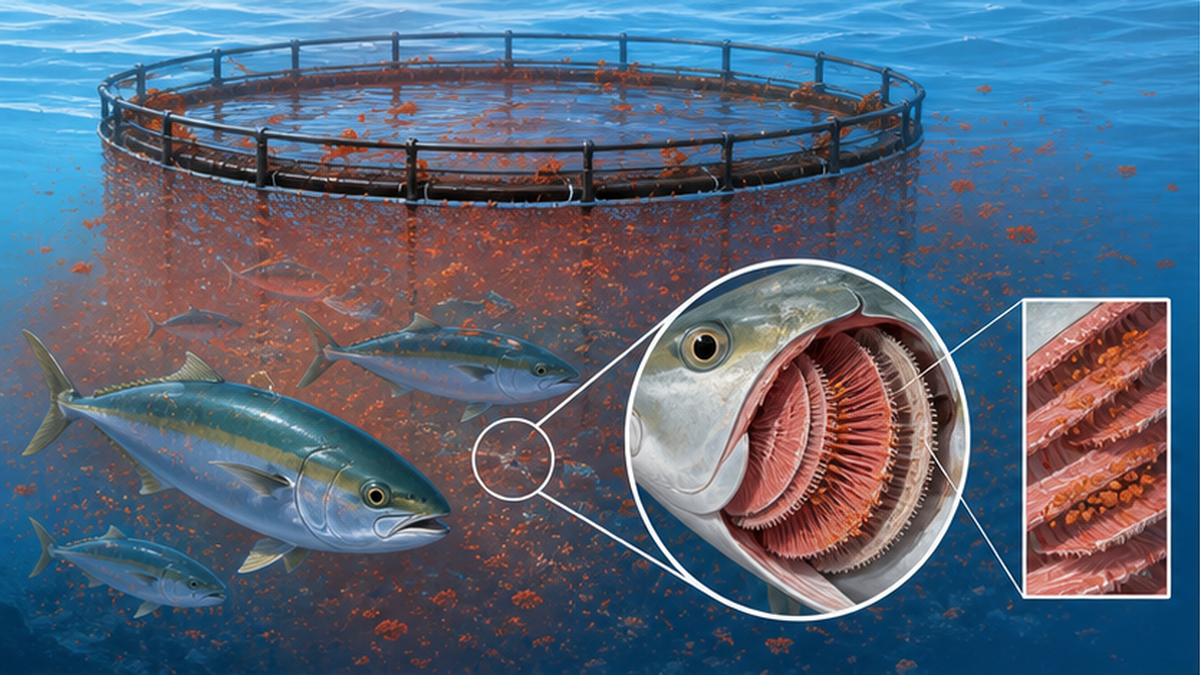
There are broadly three routes by which red tides kill farmed fish and other creatures. First is physical suffocation. Large quantities of plankton clog or damage fish gills, making it impossible for them to breathe. Second is toxicity. Some red tide plankton produce toxins that kill fish (ichthyotoxic substances), wiping out fish with no way to escape, such as those in aquaculture pens. Third is oxygen depletion. As we saw in the previous chapter, dead plankton decompose and deplete the oxygen in the water, causing fish to suffocate.
- Suffocation — excessive plankton clog or damage fish gills
- Toxicity — substances produced by Chattonella, Karenia, and others kill farmed fish
- Oxygen depletion — decomposition of carcasses depletes oxygen, killing creatures with no escape
Major Damage That Remains in History
Well known among Japan's red tide disasters is the large-scale red tide that occurred in Harima-nada, in the Seto Inland Sea, in 1972 (Showa 47). At the time, about 14 million farmed yellowtail died, with damages amounting to roughly ¥7.1 billion. More recently, in autumn 2021, a large-scale red tide occurred along the Pacific coast of eastern Hokkaido, caused by Karenia selliformis, a species that had never before formed a red tide in Japanese waters. It caused enormous damage estimated at approximately ¥9.1 billion (Hokkaido's final tally) to salmon, sea urchins, and other species, causing widespread shock. It has drawn attention as a new type of red tide connected to rising sea temperatures. Research including work from the University of Tokyo has reported that the genetic sequence of the Karenia observed in Hokkaido matched that of a sample collected the previous year off the coast of the Kamchatka Peninsula, across the Pacific, suggesting the possibility that, along with changes in ocean currents and water temperature, plankton not previously found in Japan may be moving southward and becoming established. The very cast of characters behind red tides is beginning to shift along with climate change.
"Shellfish Poisoning": A Threat to Food Safety
Another serious problem related to red tides is shellfish poisoning. Bivalves such as short-neck clams, oysters, and scallops filter-feed on plankton in seawater. When they take in toxin-producing plankton in the process, the toxins accumulate in the shellfish's body. In Japan, the main concerns are paralytic shellfish poisoning (caused by species such as Alexandrium), which causes numbness and paralysis, and diarrhetic shellfish poisoning (caused by species such as Dinophysis), which causes diarrhea and vomiting. Because these toxins do not break down even with heating, cooking offers no protection against them. Paralytic shellfish poisoning is a neurotoxin similar to pufferfish toxin, beginning with numbness in the lips, tongue, and limbs after eating; in severe cases, it can be life-threatening if the muscles involved in breathing become paralyzed. Diarrhetic shellfish poisoning causes severe diarrhea, nausea, and abdominal pain. Since it is the plankton, not the shellfish, that produce the toxin — the shellfish merely accumulate it temporarily after eating the plankton — once the toxic plankton disappear, the shellfish's toxin levels decrease over time as well.
Shellfish Poisoning Is Monitored
Under a system run by Japan's Fisheries Agency, toxic plankton are monitored and shellfish are tested for toxins before shipping in various regions. If toxin levels exceed regulatory limits (4 MU per gram of edible portion for paralytic shellfish poisoning, or 0.16 mg okadaic acid equivalent per kilogram for diarrhetic shellfish poisoning), shipment of shellfish from that sea area is voluntarily restricted and does not reach the market. Because shellfish you gather yourself while clam digging are not tested, checking local shellfish toxin information is important.
The sea area that has experienced this history of damage most vividly is the Seto Inland Sea. In the next chapter, let's look at the story of recovery that the Seto Inland Sea, once called a "dying sea," has followed, and the new paradox it now faces.
The Seto Inland Sea Case: From a "Dying Sea" to a "Rich Sea"
Essential to the history of red tides and eutrophication is Japan's largest enclosed sea area, the Seto Inland Sea. It experienced serious pollution during the period of rapid economic growth, and subsequent countermeasures cleaned up the water — yet now it faces an unexpected "reversal problem." The story of this half-century encapsulates the difficulty of environmental countermeasures.
The Era of Frequent Red Tides
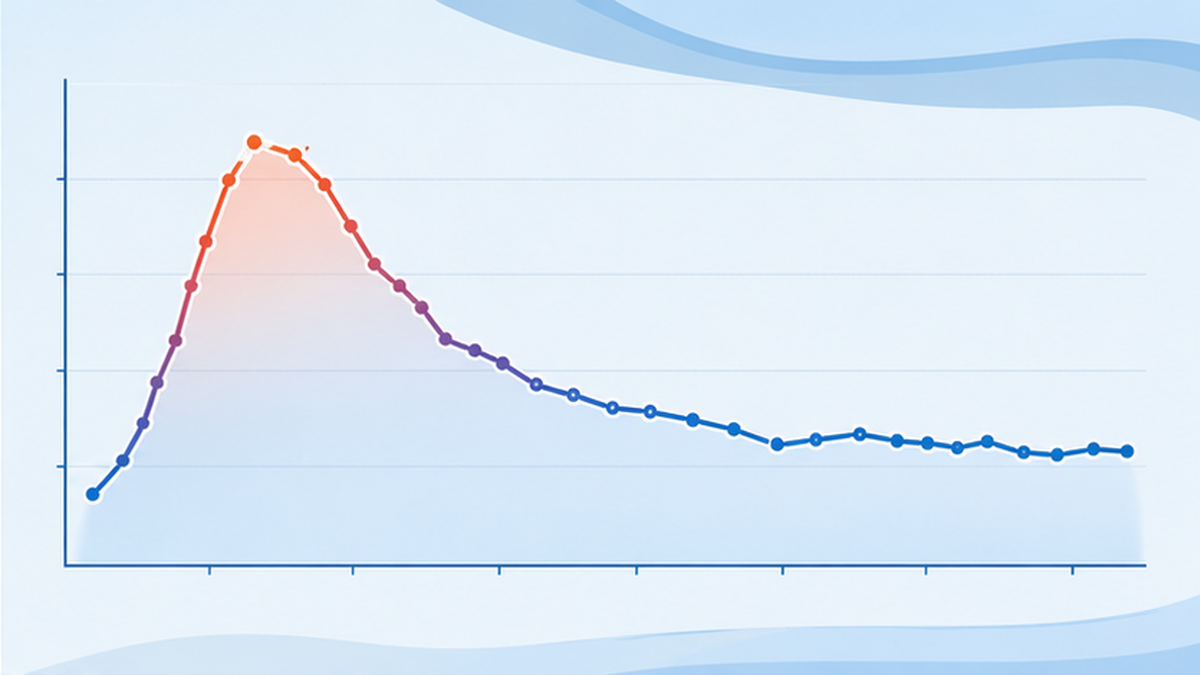
In the 1960s and 70s, the coast of the Seto Inland Sea rapidly developed as an industrial zone, and large quantities of domestic and factory wastewater flowed in. As a result, red tides occurred frequently. According to data from the Ministry of the Environment's Setouchi Net, the number of red tide occurrences in the Seto Inland Sea reached a peak of 299 in 1976 (Showa 51). At the time, it was even called a "dying sea"; fisheries continued to suffer major blows, beginning with the massive damage in Harima-nada. Organic matter accumulated on the seafloor, turning into sludge, and oxygen-depleted water masses spread in various areas during summer — the entire ecosystem of the Seto Inland Sea was, in effect, crying out in distress. This sea, known for its beautiful multitude of islands, had been deeply wounded in exchange for industrial development.
Regulation Made the Water Clean
In response to this situation, the Law Concerning Special Measures for Conservation of the Environment of the Seto Inland Sea (originally an interim measures law, commonly known as the Seto Inland Sea Law) was enacted in 1973. Total pollutant load regulations to reduce nitrogen and phosphorus in factory wastewater, along with sewage system development, progressed, and the nutrient salts flowing into the sea decreased substantially. As a result, the number of red tide occurrences declined, and water transparency improved as well. Through years of sustained effort, the water quality of the Seto Inland Sea did indeed become cleaner.
Too Clean, Too Few Fish — The Paradox of Oligotrophication
In recent years, however, a new problem has emerged. As a result of the water becoming too clean, nutrient salts became insufficient (oligotrophication), and the sea's productivity itself declined. When plankton decrease, the small fish that eat them decrease too, and so do the larger fish that eat those small fish. Poor catches of sand lance and discoloration of farmed nori seaweed began being reported in various areas. A "clean sea" and a "rich sea," it turned out, were not necessarily the same thing. This realization brought about a major shift in the thinking behind countermeasures.
Aim not only for clean water, but for a "clean and abundant sea" with biodiversity and productivity secured.
— From the philosophy of the amended Seto Inland Sea Environmental Conservation Special Measures Law (2021)
2021: From Regulation to "Management"
In 2021 (Reiwa 3), the Seto Inland Sea Law was amended, newly establishing a nutrient salt management system. This is a system that, rather than simply "reducing" nutrient salts as before, "manages" them in a finely tuned way by sea area and season. Prefectural governors are now able to formulate plans that, in areas and periods where nutrients are lacking, adjust the operation of sewage treatment plants to appropriately supply nutrient salts. After half a century of fighting pollution, Japan's ocean policy has shifted course from "regulation" to "management aimed at keeping things just right." In practice, in prefectures such as Hyogo, operations that slightly raise the nitrogen concentration of water discharged from sewage treatment plants during winter have been tested, with reported improvements in nori color and quality as well as fish catches. However, restoring too much nutrition risks triggering red tides again, so this requires delicate steering — fine-tuned adjustments made while watching data by season and sea area.
What the Seto Inland Sea Teaches Us
Eutrophication is bad whether there is "too much or too little." Efforts to reduce pollution are essential, but going too far can leave the sea impoverished. What we should aim for is a sea with "just the right amount of abundance," teeming with life.
The Ariake Sea Case: The Battle Over Nori Discoloration and Nutrient Salts
Alongside the Seto Inland Sea, the Ariake Sea symbolizes both sides of the issue — eutrophication and oligotrophication. Known as Japan's top nori-producing region, this sea now faces the seemingly contradictory problems of oxygen depletion from red tides and nori discoloration from nutrient shortages, occurring simultaneously. Let's look at what is happening in this "treasure sea."
Trouble in Japan's Top Nori-Producing Region
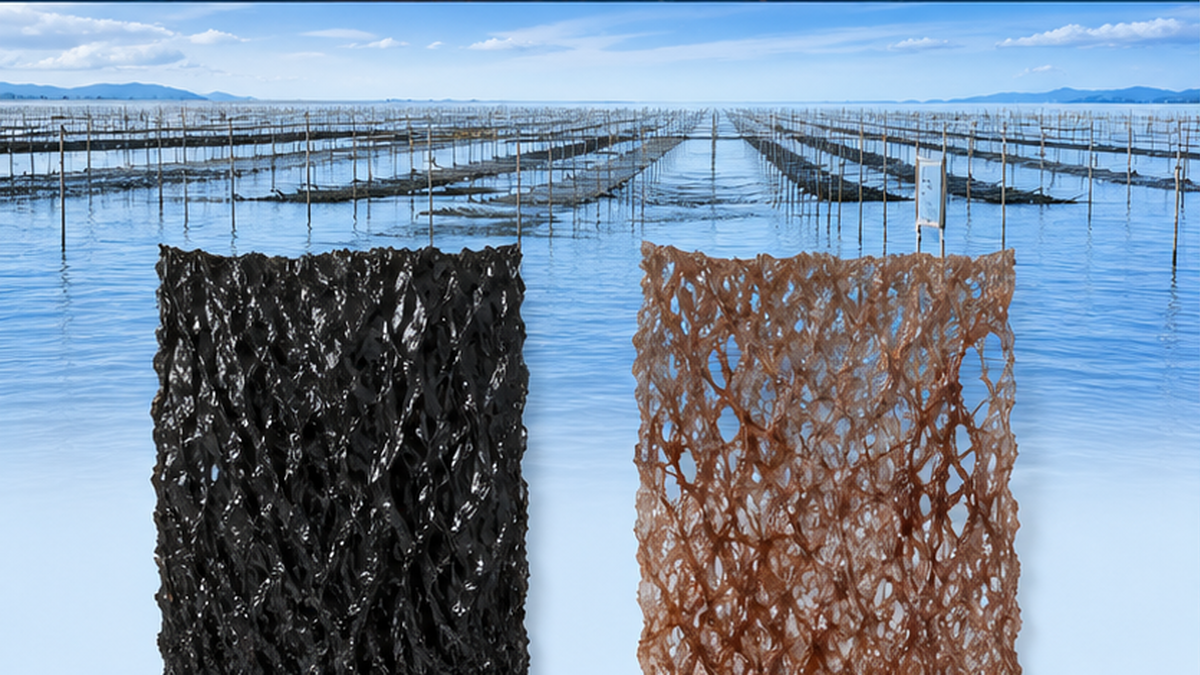
Against the backdrop of vast tidal flats and rich nutrients, the Ariake Sea has developed into a major center for farmed nori seaweed. However, since the 2000s, nori discoloration has become a serious problem. Discoloration is a phenomenon in which nori loses its black color and fades to a pale reddish-brown due to nutrient shortage. Discolored nori also loses its flavor and aroma, greatly reducing its commercial value. Nori's black color is proof that it contains abundant pigments used for photosynthesis. When nutrients are sufficient, nori grows into a glossy black color with rich umami components, but when nutrients run low, it cannot produce these pigments and ends up pale and reddish. In other words, the color of nori also serves as a "barometer" reflecting how much nutrition a sea currently holds.
Nori and Diatoms Compete for Nutrients
The main cause of discoloration is the massive proliferation of phytoplankton such as diatoms, which compete with nori for nutrient salts. When a diatom red tide occurs during the winter nori farming season, nitrogen in the seawater is consumed all at once, leaving insufficient nutrients that should have gone to the nori. According to materials from the Fisheries Agency, in the Ariake Sea and Yatsushiro Sea, the risk of nori discoloration rises when the concentration of dissolved inorganic nitrogen in seawater falls below about 7 μM (micromoles per liter). In the same sea, a complex situation has arisen in which oxygen depletion from eutrophication occurs on one hand, and discoloration from nutrient shortage on the other.
A Unique Countermeasure Using Bivalves
A unique countermeasure is being researched to address this challenge: utilizing bivalve aquaculture. Bivalves such as short-neck clams feed on the diatoms that compete with nori. Furthermore, through excretion, bivalves return nutrient salts such as nitrogen to the sea, offering a hoped-for "two birds with one stone" effect: reducing diatoms while circulating nutrients. This method, which borrows the power of marine creatures to balance nutrients, is drawing attention as a nature-based approach. The Ariake Sea once had vast tidal flats, where countless bivalves, polychaete worms, and other organisms lived, functioning as a "natural purification system" by feeding on and decomposing nutrients and organic matter. The weakening of this function due to land reclamation and environmental changes is thought to be one of the reasons the sea's balance broke down. Restoring the bustling activity of living organisms ultimately supports both water quality and fisheries — the Ariake Sea's countermeasures are also, in a sense, an attempt to regenerate this "cycle of the sea."
- Bivalves eat and reduce the diatom plankton that compete with nori
- Nutrient salts return to and circulate through the water via bivalve excretion
- Potential to suppress massive diatom growth (red tides) while preserving nutrients for nori
Why Have Nutrient Salts Decreased?
Multiple factors have been pointed to for the decline in nutrient salts in the Ariake Sea, including progress in wastewater regulation, decreased sediment and nutrient inflow from land due to river bank development and dams, and changes in tidal currents caused by the reclamation of Isahaya Bay. Because the causes are intertwined, countermeasures are not straightforward either.
What the Seto Inland Sea and the Ariake Sea demonstrate is that eutrophication is not a simple matter of "increase or decrease." And now, climate change is adding a new variable to this complexity. In the next chapter, let's look at cases from around the world and the effects of warming.
Dead Zones Around the World and Climate Change: The Expanding Risk of Eutrophication
Eutrophication and oxygen depletion are not problems limited to Japan. Inner bays and estuaries around the world host "dead zones" far larger than Japan's Tokyo Bay. And global warming threatens to push the risks of red tides and oxygen depletion even higher. Let's broaden our view to a global scale.
The Massive Dead Zone in the Gulf of Mexico
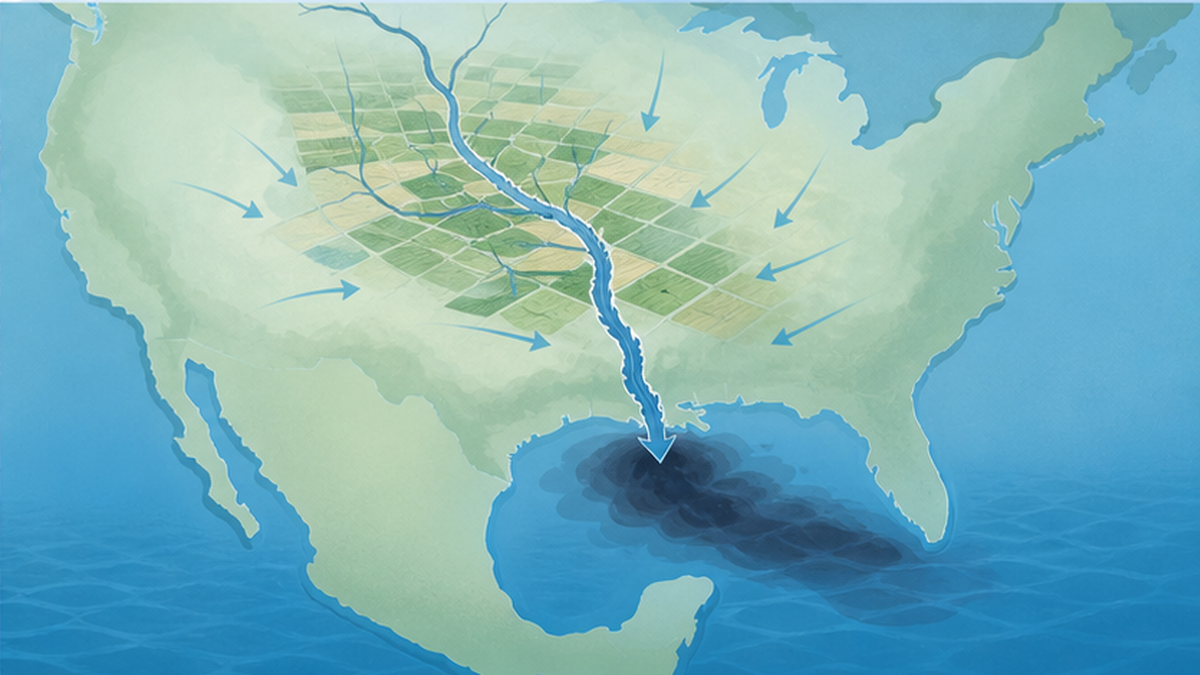
One of the world's best-known dead zones forms every summer off the mouth of the Mississippi River, in the northern Gulf of Mexico in the United States. According to the U.S. National Oceanic and Atmospheric Administration (NOAA), its size varies from year to year, but averages about 11,000 square kilometers (roughly 4,300 square miles) over the past five years. The cause is fertilizer runoff from farmland spread across the Mississippi River basin. Since 1960, the river's dissolved nitrogen has reportedly roughly tripled and phosphorus roughly doubled, and agricultural nutrient salts create this dead zone anew every year.
The Baltic Sea: A Sea That Will Take Decades to Recover
Europe's Baltic Sea is also known as a sea hosting one of the world's largest dead zones. Surrounded by numerous countries, with extremely limited water exchange with the open ocean, once nutrient salts and oxygen depletion accumulate there, they do not easily resolve. Neighboring countries are cooperating to reduce emissions, but it is estimated that recovery of the sea will take decades. This case illustrates just how difficult it is to "undo" eutrophication in an enclosed water body. Once nutrient salts accumulate on the seafloor, a phenomenon called "internal loading" can also occur, in which phosphorus dissolves back out from the bottom into the water in oxygen-poor conditions. Even if inflow from land is stopped, nutrients stored within the sea can continue a vicious cycle. That is precisely why it is decisively important to prevent eutrophication from occurring in the first place, rather than trying to fix it after the fact.
Warming Fuels Red Tides and Oxygen Depletion
Global warming is thought to worsen the problem of eutrophication through multiple pathways. First, rising water temperatures activate plankton growth, promoting red tide formation. Second, as surface water warms, stratification becomes stronger and longer-lasting, further hindering oxygen supply to the bottom layer and worsening oxygen depletion. Third, since warm water simply dissolves less oxygen in the first place, oxygen levels decrease across the entire sea. Changes in sea water temperature are also thought to be involved in the background of the previously unseen Karenia red tide that occurred in Hokkaido in 2021. Warming of the ocean itself is discussed in detail in our article on rising sea temperatures and ocean current changes, and another related crisis, acidification, is covered in ocean acidification and coral reefs.
| Effect of Warming | Impact on Red Tides and Oxygen Depletion |
|---|---|
| Rising water temperature | Plankton growth becomes more active, making red tides more likely |
| Stronger, longer-lasting stratification | Oxygen fails to reach the bottom layer, worsening oxygen-depleted water masses |
| Decreased dissolved oxygen | Warm water dissolves oxygen less easily, pushing the whole sea toward oxygen starvation |
| Increase in heavy rainfall | Nutrient salt runoff from land tends to concentrate in short, intense bursts |
Compounding Stresses
Eutrophication, warming, acidification, and plastic pollution may appear to be separate problems, but they are all weighing on the same ocean simultaneously. The sea is under multiple stresses at once, and countermeasures need to be considered across disciplines. Countermeasures against eutrophication also end up protecting the habitats of marine life and the ocean's capacity to absorb carbon — this kind of "two birds with one stone" perspective, connecting ocean challenges across fields, is exactly what is needed.
So what can we do about this complex and deeply rooted problem? Finally, let's organize countermeasures at both the societal and individual levels, bringing this article to a close.
Conclusion: How Should We Face Red Tides and Blue Tides?
Red tides, blue tides, and eutrophication form a single chain of events unfolding within the sea. Nitrogen and phosphorus flowing in from land cause eutrophication; when conditions align, plankton multiply explosively into a red tide; the decomposition of their carcasses creates an oxygen-depleted water mass; and when it wells up, it becomes a blue tide. This chain of events leads to serious damage, including mass die-offs of farmed fish and shellfish poisoning.
What Can Be Done at the Societal Level
The fundamental countermeasure is to keep the nutrient salts flowing into the sea "neither too much nor too little." While advanced sewage treatment and reduced runoff from farmland cut down on excess nutrients, systems like the Seto Inland Sea's nutrient salt management scheme appropriately return nutrients to sea areas where they are lacking. Protecting tidal flats and seagrass beds, and borrowing the power of bivalves to circulate nutrients, are also key to restoring a rich sea. A shift in thinking is underway, aiming not for a merely "clean sea" but for a "clean and abundant sea." Of course, this by no means suggests that pollution is acceptable. The damage caused by red tides and oxygen depletion from excess nutrients remains a real threat today, and continued efforts in sewage treatment and discharge management remain indispensable. What matters is a finely tuned sense of balance — carefully assessing the condition of each individual sea, reducing nutrients where there is too much, and returning them where there is too little.
What We Can Do
- Avoid using excessive amounts of detergent and oil — use only what is needed, and wipe off cooking oil before washing dishes
- Make an effort not to pour leftover food or kitchen waste down the drain
- Always check local shellfish toxin advisories before going clam digging
- Take an interest in news about red tides and blue tides, treating changes in the sea as a matter that concerns you personally
- Understand that actions to curb global warming also, in turn, help address oxygen depletion in the sea
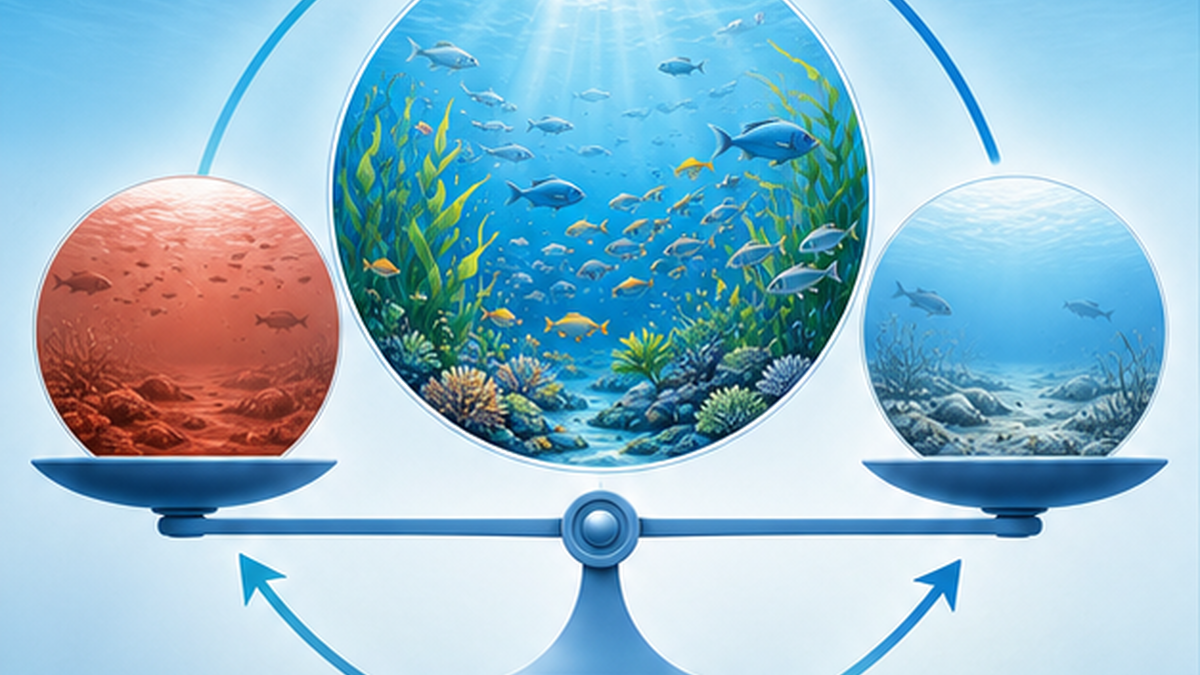
Red tides and blue tides are signs that teach us how connected the sea is to our daily lives. A single drop of oil poured down the kitchen sink, fertilizer spread on a field, and rising temperatures across the entire planet — all of it, in the end, changes the color of the sea. That is precisely why each individual's small choices become a force that protects the ocean. Being able to imagine, upon seeing news of a red tide or blue tide, "why did this happen" and "what was lost in that sea," is itself an important step toward living alongside the ocean. A change in the color of the sea is not an event happening somewhere far away — it is a question directed at the way we live.
Summary of This Article
- Red tides, blue tides, and cyanobacterial blooms are all different faces of the same problem, caused by eutrophication from nitrogen and phosphorus
- Red tides occur when plankton multiply explosively under conditions of abundant nutrients, high water temperature, strong sunlight, and calm seas
- When the carcasses of proliferated plankton decompose, oxygen is depleted, leading to oxygen-depleted water masses, blue tides, and mass die-offs
- While the Seto Inland Sea recovered from frequent red tides, it now faces nutrient shortage (oligotrophication), prompting a shift from regulation to management in 2021
- In the Ariake Sea, nori discoloration has become a problem, and adjusting the nutrient balance using bivalves is being attempted
- Warming worsens red tides and oxygen depletion through rising water temperatures, strengthened stratification, and reduced oxygen — a global challenge
- The goal is a "clean and abundant sea." Management that keeps nutrient salts at just the right level, along with our daily choices, holds the key
References and Sources
- Ministry of the Environment, Setouchi Net – Statistical data on red tide occurrences and fishery damage cases in the Seto Inland Sea
- Ministry of Agriculture, Forestry and Fisheries – Why do red tides occur? (Children's Q&A)
- Fisheries Agency – Risk management of shellfish poisoning at the production stage (monitoring of toxic plankton and shipment restrictions)
- Tokyo Metropolitan Government Bureau of Environment – Mechanism of oxygen-depleted water masses and blue tides (Tokyo Bay)
- Ministry of the Environment – Partial amendment of the Seto Inland Sea Environmental Conservation Special Measures Law (2021, nutrient salt management system)
- Ministry of the Environment, Comprehensive Investigation and Evaluation Committee for the Ariake Sea and Yatsushiro Sea – Materials on the nutrient salts nori requires and discoloration mitigation techniques
- The University of Tokyo, Graduate School of Agricultural and Life Sciences – Analysis of the harmful Karenia selliformis red tide off the Pacific coast of eastern Hokkaido, autumn 2021
- Hokkaido Research Organization (Fisheries Research Department) – Report on the 2021 Karenia red tide along Hokkaido's Pacific coast
- NOAA / Congressional Research Service – Report on the Gulf of Mexico dead zone, eutrophication, and oxygen depletion
※ Listed in order of reliability: government/academic institutions > peer-reviewed papers > specialized organizations > reliable media