⚡ The answer in 30 seconds
- The alien species problem is damage to ecosystems, livelihoods and agriculture, forestry and fisheries caused by organisms brought in through human activity; Japan designates 162 types as specified invasive alien species under its Invasive Alien Species Act.
- About 37,000 alien species are established worldwide, costing an estimated USD 423 billion or more a year (IPBES). Invasion pathways stem from human activity such as trade, pets and stocking.
- Prevention is the basis of control. The Ministry of the Environment sets out three principles, “do not bring in, do not release, do not spread,” so individual behavior is itself a measure.
Alien species are organisms that people have brought in from another region. Not all of them cause trouble, but those that seriously harm ecosystems and people's lives are called invasive alien species, and in Japan the legally designated specified invasive alien species number 162 types.
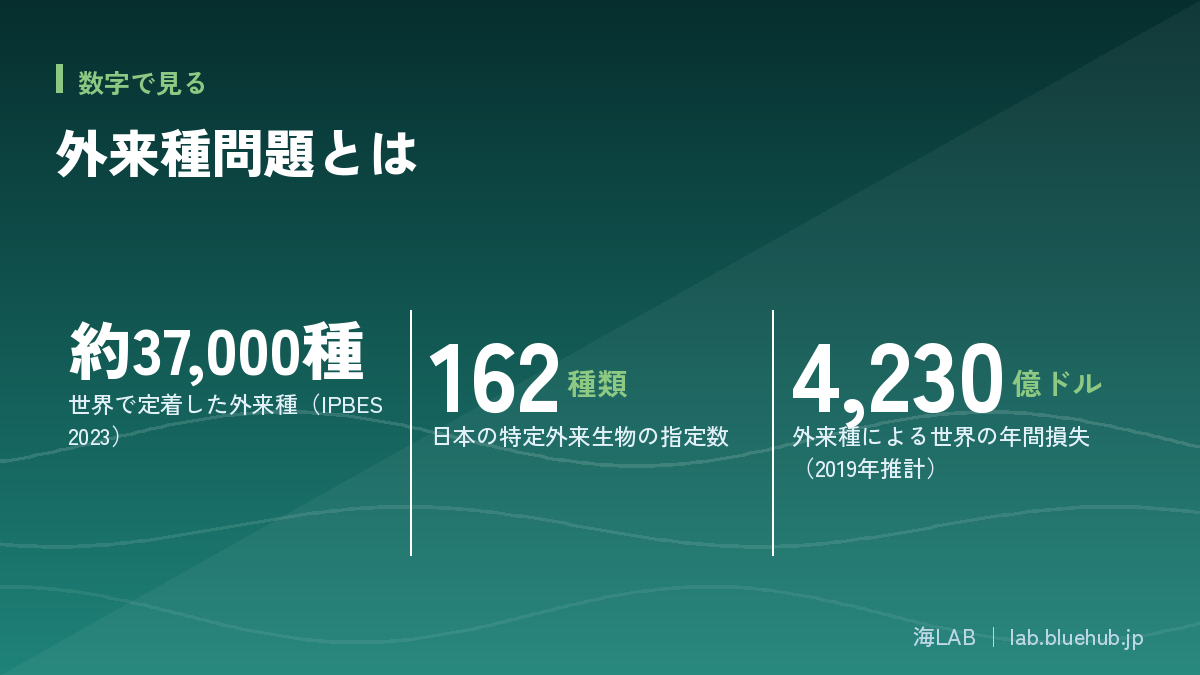
Worldwide, about 37,000 alien species have become established, and their economic cost is estimated at more than USD 423 billion a year (IPBES 2023). News close to home is increasing too, such as the arrival of red imported fire ants and tighter rules on the American crayfish.
This article organizes the basics from primary sources: key terms, how the Invasive Alien Species Act works, invasion pathways, damage, and the Ministry of the Environment's three principles: “Do not bring in, do not release, do not spread.”
What you will learn
- The difference between alien species, invasive alien species and specified invasive alien species
- The scale of alien species worldwide, according to the IPBES report
- What the Invasive Alien Species Act regulates, and the penalties
- The main pathways by which alien species enter Japan
- Putting the three principles into practice: do not bring in, do not release, do not spread
- An approach to alien species control that connects land, rivers and the sea
What are alien species? Alien species versus invasive alien species
Alien species are living things that were not originally found in a region but were brought there from elsewhere by human activity. Here “region” means not a national border but the range over which the organism naturally occurs. So not only organisms from overseas, but also those carried within Japan to islands or rivers where they did not originally live, are called “domestic alien species.”
What matters is that not every alien species causes problems. Rice, wheat and potatoes that we eat every day, and many plants seen along streets and in gardens, all came from overseas originally. Among them, those that seriously harm the ecosystems, people's lives and agriculture, forestry and fisheries of the place they were brought to are called invasive alien species, and they are the targets of control measures.
How alien, invasive and specified invasive species relate
Because many similar terms exist, let us sort them out first. Among alien species, those that do great harm are invasive alien species, and those the government has designated under the Invasive Alien Species Act are specified invasive alien species. In other words, in order of breadth: alien species > invasive alien species > specified invasive alien species.
| Term | Meaning | Examples |
|---|---|---|
| Alien species | Organisms brought outside their native range by human activity | Chickens, Western honey bees, etc. |
| invasive alien species | Those that harm ecosystems, human life and health, or agriculture, forestry and fisheries where they were brought | Raccoons, largemouth bass, etc. |
| specified invasive alien species | Invasive alien species designated by the government under the Act; keeping and importing are regulated | Red imported fire ants, snapping turtles, bluegill, etc. |
| Domestic alien species | Organisms brought from another region within the country | Animals and plants carried from Honshu to remote islands, etc. |
Why we should not simply “blame” the animals
When thinking about alien species, the animals themselves are not at fault. They are simply living in a new environment as a result of people bringing them in on purpose, carrying them by accident in cargo, or abandoning them when they could no longer keep them. That is why the Ministry of the Environment's measures center not on “hating the animals” but on “changing human behavior.” This idea is reflected directly in the three principles introduced later.
What is happening in the world and in Japan: the scale shown by IPBES
Alien species are now a global issue. In September 2023, the Intergovernmental Science-Policy Platform on Biodiversity and Ecosystem Services (IPBES) approved its first comprehensive assessment of alien species. Compiled by 86 experts over more than four years, its main findings are as follows.
- About 37,000 alien species have become established worldwide, and about 3,500 of them have invasive impacts
- Roughly 200 new alien species are recorded every year
- The global economic cost of alien species is estimated at more than USD 423 billion a year as of 2019, and has more than quadrupled every decade since 1970
- IPBES calls this figure a “minimum estimate,” and says the real cost is probably higher because of data gaps
Why the number keeps growing
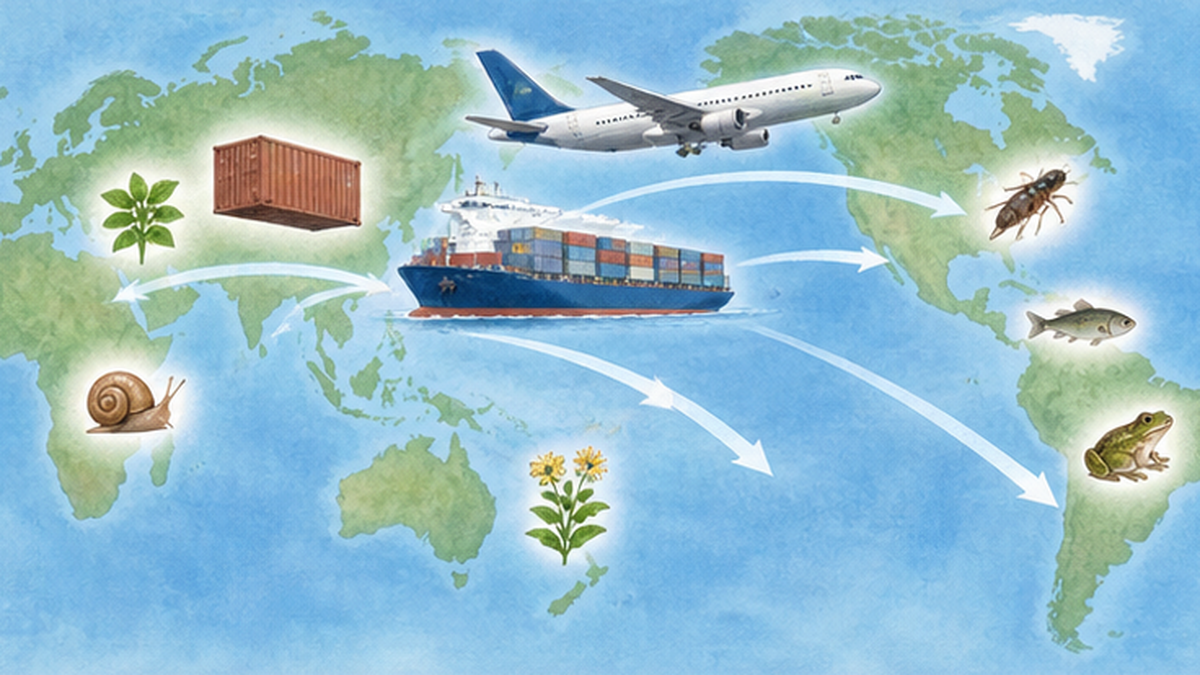
The report points to human activities such as trade, travel, land-use change and climate change behind the increase. As more chances arise for organisms to cross borders through ships, containers, aircraft, and the pet and ornamental trade, more species become established. There is also concern that rising temperatures let species that once could not survive the cold get through the winter.
Serious impacts on ecosystems too
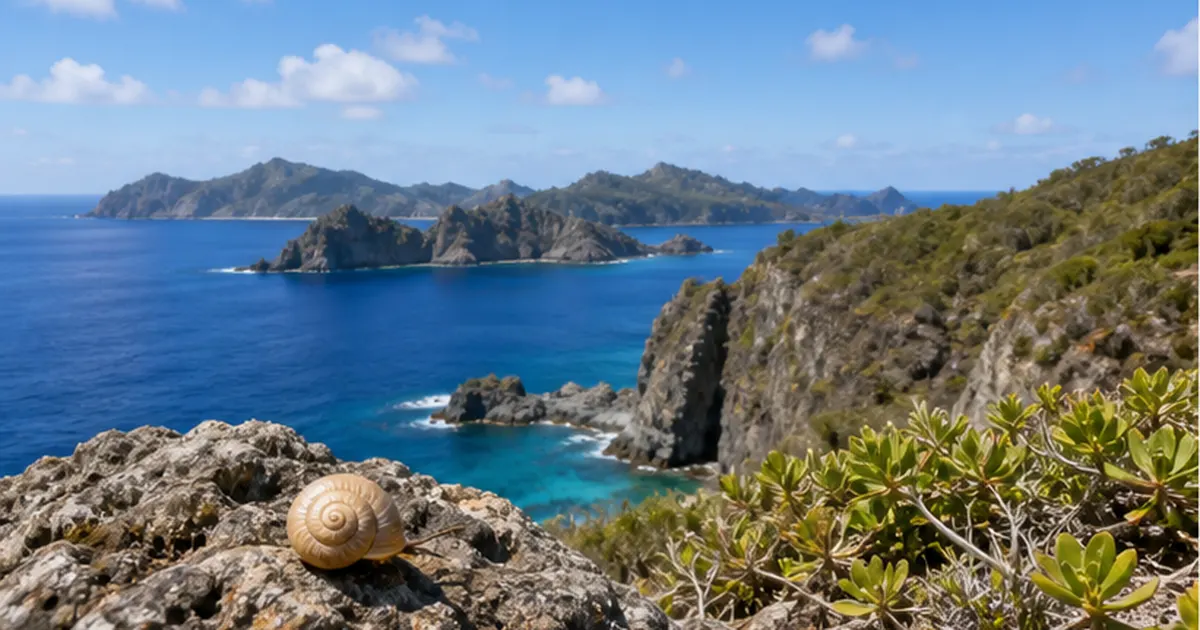
Alien species affect not only the economy but also ecosystems. IPBES's assessment says invasive alien species were involved in about 60% of recorded extinctions of animals and plants worldwide, and that ecosystems on isolated islands are especially vulnerable. In Japan too, alien species are a major issue on islands rich in endemic species, such as the Ogasawara Islands (see the struggle between Ogasawara's endemic and alien species).
The pillar of Japan's measures: the Invasive Alien Species Act
In Japan, the Act on the Prevention of Damage to Ecosystems Caused by Specified Invasive Alien Species (the Invasive Alien Species Act) was promulgated in 2004 and came into force in June 2005. Its purpose is to prevent damage to ecosystems, human life and health, and agriculture, forestry and fisheries caused by specified invasive alien species, and thereby contribute to people's stable lives.
What is prohibited once a species is designated
As a rule, the following acts are prohibited for organisms designated as specified invasive alien species.
- Keeping, cultivating, storing and carrying (no keeping or carrying without permission)
- Importing (do not bring them in from overseas)
- Releasing into the wild, planting and sowing
- Transferring, receiving, handing over (giving, accepting, buying and selling)
Violators face up to three years in prison or a fine of up to 3 million yen for individuals, and a fine of up to 100 million yen for corporations. Very heavy penalties are a hallmark of this Act.
| Category | Approx. number | Content |
|---|---|---|
| specified invasive alien species | 162 types | Keeping, importing, releasing and transferring are in principle prohibited |
| Unclassified alien species | 52 types | Import notification is required; subject to checks until their impact is determined |
| Conditionally specified invasive alien species | 2 species | Red-eared slider and American crayfish (from June 1, 2023) |
The Ecosystem-Damage Prevention list: “another yardstick”
The Act regulates only organisms that are legally designated. Many other species also may harm ecosystems. So the Ministry of the Environment and the Ministry of Agriculture, Forestry and Fisheries published the “Ecosystem-Damage Prevention Alien Species List” in March 2015 to show priorities for action regardless of whether species are subject to legal regulation. Listed species are divided into categories by the direction of action, and the list has been revised in light of changes in invasion and damage; a second edition was published in September 2026.
Key point
- Specified invasive alien species are “species regulated by law,” while the Ecosystem-Damage Prevention list is “a list showing priorities for action.” Their roles differ, and some listed species are not regulated.
How do alien species reach Japan? Understanding invasion pathways
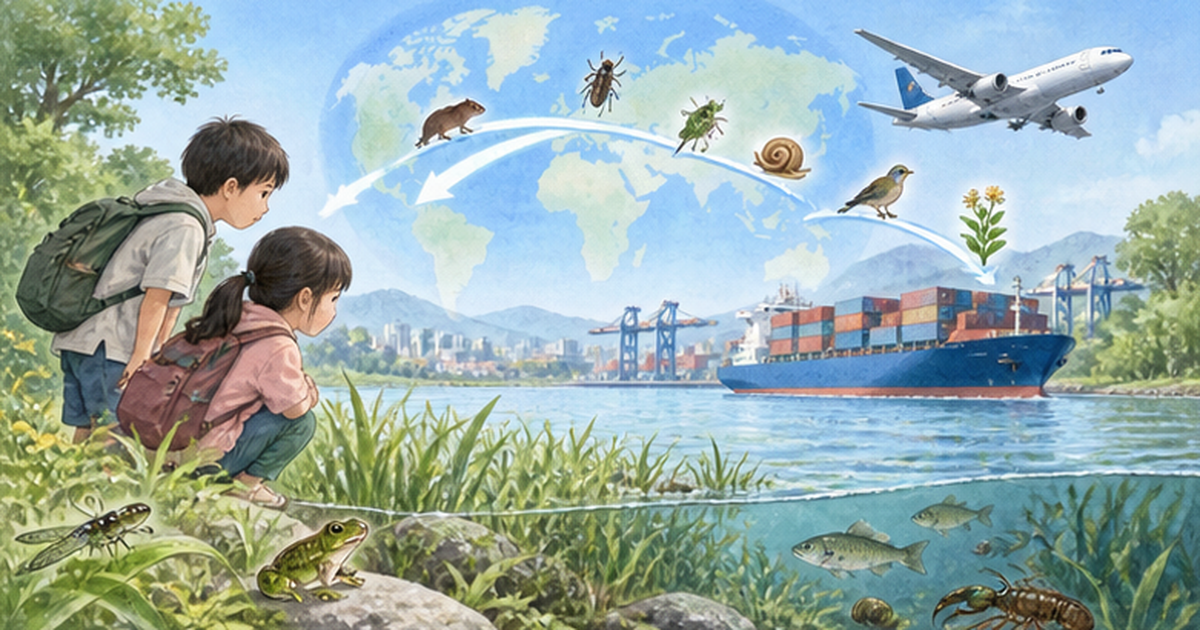
Pathways by which alien species enter a new region fall broadly into “intentional introduction” and “unintentional introduction.” Knowing the cause is the first step to preventing it.
Cases of deliberate introduction
These are cases where people deliberately bring species for food, fur, fishing, ornament, pets, greening or pest control. For example, animals imported for fur or as pets have escaped or been released when owners could not keep them, and gone wild. Raccoons imported as pets escaped into the wild and became established in many places. Ministry of the Environment materials record nationwide agricultural damage of about 340 million yen in fiscal 2012.
Fish released as sport fish can also change aquatic ecosystems by eating native fish or taking their food. The trouble caused by black bass and bluegill in lakes across Japan is a typical example.
Cases of accidental transport
These are cases where living things are carried unnoticed, hidden in luggage, containers, timber, ships' ballast water, mud on shoes and clothes, or soil of garden plants. As international cargo increases, this pathway is becoming more important.
- Attaching to or mixing into containers and cargo (e.g. fire ants)
- Carried on ships' ballast water or hulls (marine alien species)
- Seeds, eggs or larvae mixed into imported plants and soil
- Spread to other parts of the country on people, vehicles and farm machinery
What the fire ant invasion taught us
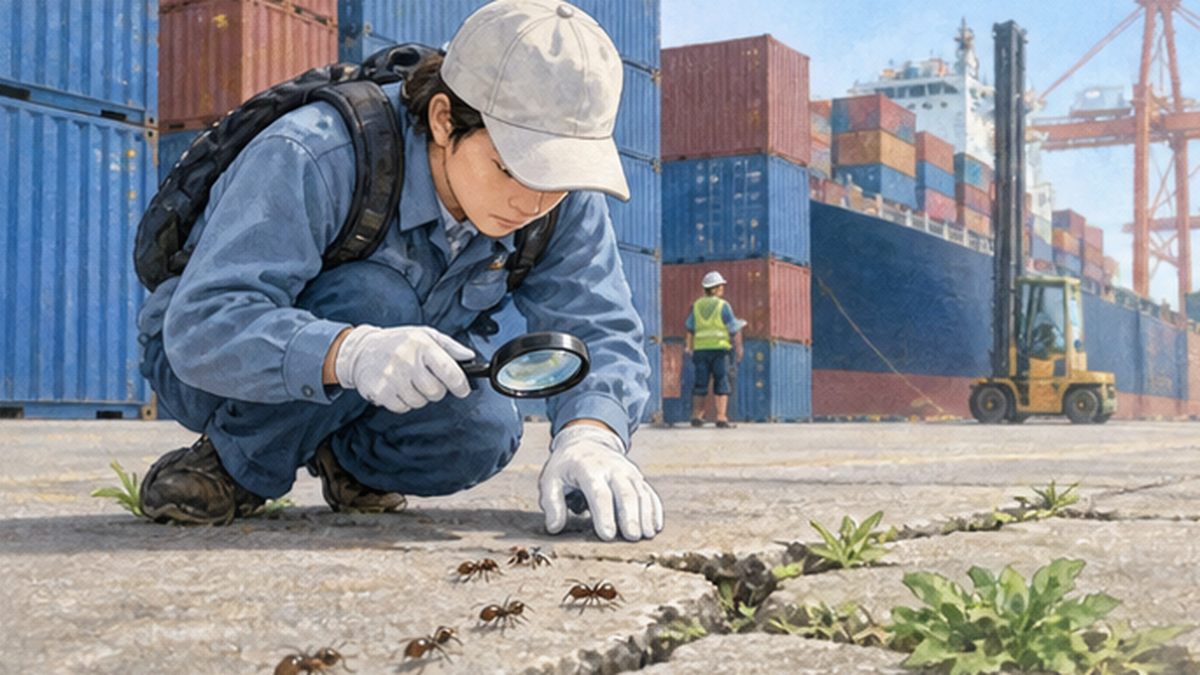
A typical example of unintentional invasion is the red imported fire ant. It was first confirmed in Japan in June 2017, and the Ministry of the Environment and the Ministry of Land, Infrastructure, Transport and Tourism continue surveys at ports with international container routes. According to the Ministry of the Environment, as of September 30, 2024, 129 cases in total had been confirmed in 18 prefectures. The fire ants found so far have been exterminated and there is no sign of establishment, but early detection and continued border measures remain important.
Invasion routes from the sea are also explained in detail in other articles. Please also see Alien species carried by ballast water and The reality of marine alien species.
What do alien species damage? Ecosystems, livelihoods and industry
The Invasive Alien Species Act aims to protect three things: ecosystems, human life and health, and agriculture, forestry and fisheries. The damage from alien species is easier to understand when divided into the same three.
| Type of damage | What happens | Familiar examples |
|---|---|---|
| Damage to ecosystems | Eating native species, taking their habitat and food, hybridizing and changing genetic traits | Fish that prey on native fish; alien species that hybridize with natives |
| Damage to human life and health | Poison, bites, stings, transmission of disease | Fire ant stings; venomous animals |
| Damage to agriculture, forestry and fisheries | Eating crops; affecting aquaculture and fisheries | Crop damage by raccoons; fishery damage by alien fish |
How native species get pushed out
The effects of alien species on native species fall broadly into predation, competition, hybridization and introduction of disease. When a predator that was never in the environment arrives, native species that do not know their natural enemy have not learned to escape and can decline in a short time. Natives can also be pushed out by competition for food, burrows and spawning sites. If they hybridize with closely related native species and hybrids increase, the natives' genetic traits may be lost.
Once they spread, they are hard to remove
What is repeatedly said about alien species control is that removing them after they arrive costs a lot of money and time. The IPBES report also says prevention, early detection and rapid response are the most cost-effective measures. Reducing numbers after establishment requires long-term capture and culling, and in many cases eradication is not achieved.
Damage is “hard to see”
- Ecosystem change progresses slowly and is hard to notice. By the time visible damage appears, the species has often already spread. That is why measures before entry and before spread are emphasized.
Familiar cases: animals, fish and plants
To picture what has been said so far, let us look at representative alien species causing problems in Japan, divided into animals, fish and plants. In every case, the starting point was people bringing them in or releasing them.
Mammals and reptiles: raccoons and snapping turtles
Raccoons are native to North America. Individuals imported as pets escaped or were released and went wild in many places. Good at climbing and foraging near water, they eat crops and are also reported to nest in the attics of houses. The Ministry of the Environment's control manual states that planned capture is necessary to reduce damage.
The snapping turtle is a large turtle native to North and Central America; individuals imported as pets were released into the wild and became a problem. It is designated as a specified invasive alien species and may not be kept without permission. Because it is aggressive and a bite can cause injury, people are advised not to touch it with bare hands and to contact the local government if they find one.
Fish: largemouth bass and bluegill
Largemouth bass (black bass) and bluegill are freshwater fish native to North America. They were introduced as sport and food fish and then spread to lakes and ponds across Japan. Because they eat small fish and shrimp, they are pointed to as a cause of declines in native fish and aquatic insects. Both are designated as specified invasive alien species, and moving them alive or releasing them is prohibited.
Releasing a caught fish into another body of water goes against “do not spread,” even without ill intent. Anglers understanding and practicing the three principles is the key to limiting damage.
Plants: do not be fooled by good looks
Alien species are not only animals. There are cases where plants introduced for ornament or greening have spread into the wild and covered native plants, taking away their growing space. In waterside areas, aquatic plants sold for ornament have multiplied too much in ponds and channels, covering the surface and blocking light, which can affect aquatic life. Even pretty flowers or plants chosen for being easy to grow can have unexpected effects once they get outdoors.
| Group | Examples | Main impact | Everyday precautions |
|---|---|---|---|
| Mammals | Raccoon | Crop damage; entering houses | Do not keep or release |
| Reptiles | Snapping turtle | Predation; risk of bites | Do not keep without permission; do not touch |
| Fish | Largemouth bass, bluegill | Predation on native fish and aquatic insects | Do not release caught fish into other waters |
| Plants | Ornamental aquatic plants, etc. | Competition with native plants | Do not throw garden or aquarium plants outdoors |
“Rare” and “cute” are the way in
- Many alien species were chosen by people and introduced because they were rare or cute. That appeal itself is not bad; what matters is whether you can take responsibility to the end.
The three principles: do not bring in, do not release, do not spread
As its basic approach to preventing damage from alien species, the Ministry of the Environment sets out the “Three Principles for Preventing Damage from Alien Species.” The idea is that each person's behavior, not only experts', is a measure.

| Principle | Meaning | What you can do |
|---|---|---|
| Do not bring in | Do not carelessly bring into Japan alien species that may cause harm | Do not bring back living things, plants, seeds or soil from abroad. Check the species when buying online too |
| Do not release | Do not abandon alien species you keep into the wild | Before keeping one, learn its lifespan and size and take responsibility to the end. If you can no longer keep it, consult experts or your local government |
| Do not spread | Do not spread alien species already in the wild to other regions | Do not release caught alien fish into other waters. Remove mud and seeds from shoes and gear before moving on |
“Do not release” is the closest to daily life
The principle closest to our daily lives is “do not release.” People keep releasing pets, ornamental fish and aquatic plants into rivers and ponds when they can no longer keep them, thinking “it would be a pity otherwise.” But a released animal either survives in the wild or suffers and dies, and if it survives it affects the ecosystem. An act meant as kindness ends up spreading damage.
Three things you can do from today
- Before keeping an animal, discuss with your family whether you can keep it to the end
- Do not pour aquarium water or aquatic plants into rivers, ponds or drains
- If you find an alien species outdoors, do not touch it carelessly, and report to your local government or the Ministry of the Environment
Red-eared sliders and American crayfish: new rules for familiar species
From June 1, 2023, the red-eared slider (Trachemys scripta elegans) and the American crayfish were designated “conditionally specified invasive alien species.” Because they are already kept in many households, some regulations are exempted, unlike ordinary specified invasive alien species. However, releasing them into the wild, and selling, buying and distributing them are regulated. For details, see why the American crayfish became a conditionally specified species.
How Japan's measures have evolved: a timeline
Japan's alien species measures have been substantially built up over the past 20 years or so. Grasping the flow of the system in chronological order makes the meaning of today's rules easier to understand.
| Year | Event |
|---|---|
| 2004 | The Invasive Alien Species Act is promulgated |
| June 2005 | The Act comes into force and regulation of specified invasive alien species begins |
| March 2015 | The Ministry of the Environment and MAFF publish the Ecosystem-Damage Prevention Alien Species List |
| June 2017 | Fire ants are confirmed in Japan for the first time; border surveys are strengthened |
| June 2023 | Red-eared slider and American crayfish designated conditionally specified invasive alien species |
| September 2023 | IPBES approves the world's first comprehensive assessment report on alien species |
| September 2026 | Second edition of the Ecosystem-Damage Prevention Alien Species List is published |
From regulation to “management”
The early system leaned toward designating and regulating harmful alien species. Since then, more flexible mechanisms have been added, such as realistic handling of species already widely kept and setting priorities for species outside legal regulation. The idea of conditionally specified species is one example. Rather than “ban uniformly,” it focuses on “not letting them out into the wild” and aims to reduce damage with the cooperation of those who keep them.
Behind this change is the recognition that alien species are not “the government's job alone” but a challenge for society as a whole, involving pet owners, anglers, businesses and residents. Even with a system in place, it is each person's behavior that actually keeps them from getting into the wild.
Challenges ahead
- Climate change may widen the areas where alien species that could not survive winter can become established
- Online trade makes it easier for living things and seeds, even in small quantities, to cross borders
- New survey methods such as citizen sighting reports and DNA analysis are expected to help find invaders early
- Mechanisms that support “do not release,” such as places to take animals that can no longer be kept, are needed
On the front line: control, border measures and citizen participation
Alien species control proceeds broadly in three stages: prevention (do not bring in), early detection and rapid response, and control (management) of established species. The people and methods involved differ at each stage.
Border measures: checks at ports and airports
The front line of prevention is ports and airports. As in the fire ant case, ports where international containers arrive carry out surveys to find ant invasions early and measures such as concrete paving to prevent nesting. Early discovery here can prevent establishment.
Control: capture, culling and the goals beyond
For alien species already established, plans are made region by region and capture and culling proceed. The goal is not always just “zero.” Sometimes the goal is “damage management,” reducing harm to ecosystems and agriculture to an acceptable level. Another approach is to decide priority areas to protect and concentrate control there to protect local native species.
Participation by citizens and communities
Government and experts alone cannot watch over the whole wide outdoors. More and more citizens support control by joining local observation events, group culls and reporting information on alien species. Environmental learning, where children study alien species and investigate creatures in nearby ponds and rivers, is also held in many places.
Prevention is the most efficient
- For alien species control, the earlier they are stopped before entry, the lower the cost and the higher the chance of success. Practicing the three principles is at the heart of that prevention.
Links to marine alien species: a problem spreading from rivers to the sea
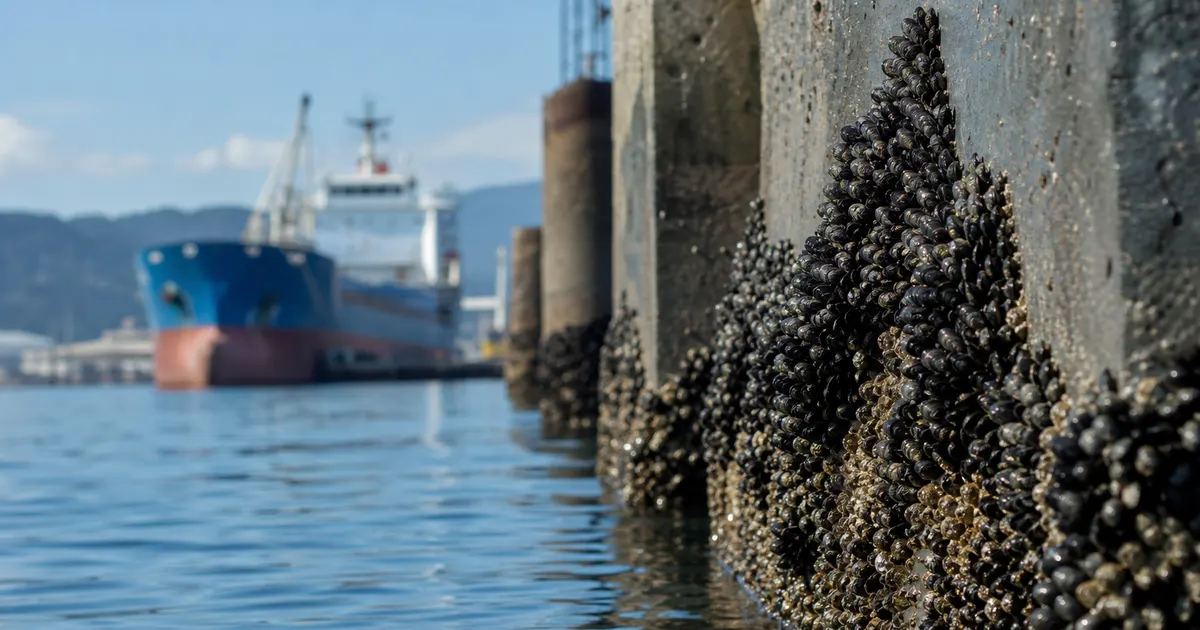
Alien species are not only a problem on land and in rivers. At sea too, shellfish, crabs and algae are carried across borders in ships' ballast water and on hulls. Fouling organisms that increase in ports, such as the mussel Mytilus galloprovincialis, can also affect aquaculture facilities and power plant intakes.
Alien species released into rivers and ponds may be carried downstream and affect estuarine and coastal ecosystems. Because land, rivers and the sea are connected by water, it is important to think about alien species control across the whole watershed.
A “people carry them” problem shared with marine plastics
Alien species are an environmental problem that arises from human activity carrying living things around. Like marine plastics and climate change, it is deeply tied to our lifestyles and economic activity. That is why it is an issue that calls not only for government regulation but also for our choices as consumers and daily behavior.
Summary
- The alien species problem arises when people carry living things around. The system for specified invasive alien species is “regulation,” and the three principles are “behavior”; together they are the two wheels. Prevention and early detection are most effective, and small everyday choices can protect ecosystems.
Making alien species your own issue
Finally, here are three viewpoints for making the alien species problem feel close to home.
1. Check before you buy or keep
When choosing pets, ornamental fish or garden plants, check whether the species is an alien species and whether it is designated as a specified invasive alien species. You can look it up in the Ministry of the Environment's list, and asking the seller is also effective.
2. Do not bring in or carry out anything on trips and outings
Souvenir plants and seeds from overseas trips, and mud and seeds stuck on outdoor gear, can unintentionally carry alien species. After hiking or fishing, cleaning your shoes and gear is a habit that helps prevention.
3. Judge with accurate information
Discussions of alien species tend to focus emotionally on whether to “cull.” But what matters is to judge, on scientific evidence, what effects the organism has on ecosystems and livelihoods. A calm attitude based on information from the Ministry of the Environment, local governments and research institutions is needed.
The alien species problem has no single answer. Even so, the three principles “do not bring in, do not release, do not spread” can be practiced by anyone from today. As a first step to protect the connection of land, rivers and the sea, why not take a fresh look at how you relate to the living things around you?
References and sources
- Ministry of the Environment: Japan's alien species measures (Invasive Alien Species Act) – Overview of the system and specified invasive alien species
- Ministry of the Environment: List of specified invasive alien species – 162 specified invasive alien species, 52 unclassified alien species, etc.
- Ministry of the Environment: About the Invasive Alien Species Act – Purpose and regulations of the Act
- Ministry of the Environment: Ecosystem-Damage Prevention Alien Species List – Publication history and revisions of the list
- IPBES: Thematic Assessment Report on Invasive Alien Species and their Control – Global scale and economic cost of alien species
- Ministry of the Environment: Surveys for fire ants at ports – Confirmation status and border measures for fire ants
- Ministry of the Environment: Raccoon control manual – Agricultural damage figures, etc.
- Ministry of the Environment: Three Principles for Preventing Damage from Alien Species – Do not bring in, do not release, do not spread
* Listed in order of reliability: government and academic institutions > peer-reviewed papers > specialized organizations > reliable media