⚡ In short
With roughly 40% of the world's population facing water stress, Toray's reverse osmosis (RO) membranes are helping power seawater desalination across the Middle East. Here's how the technology works and why it matters.
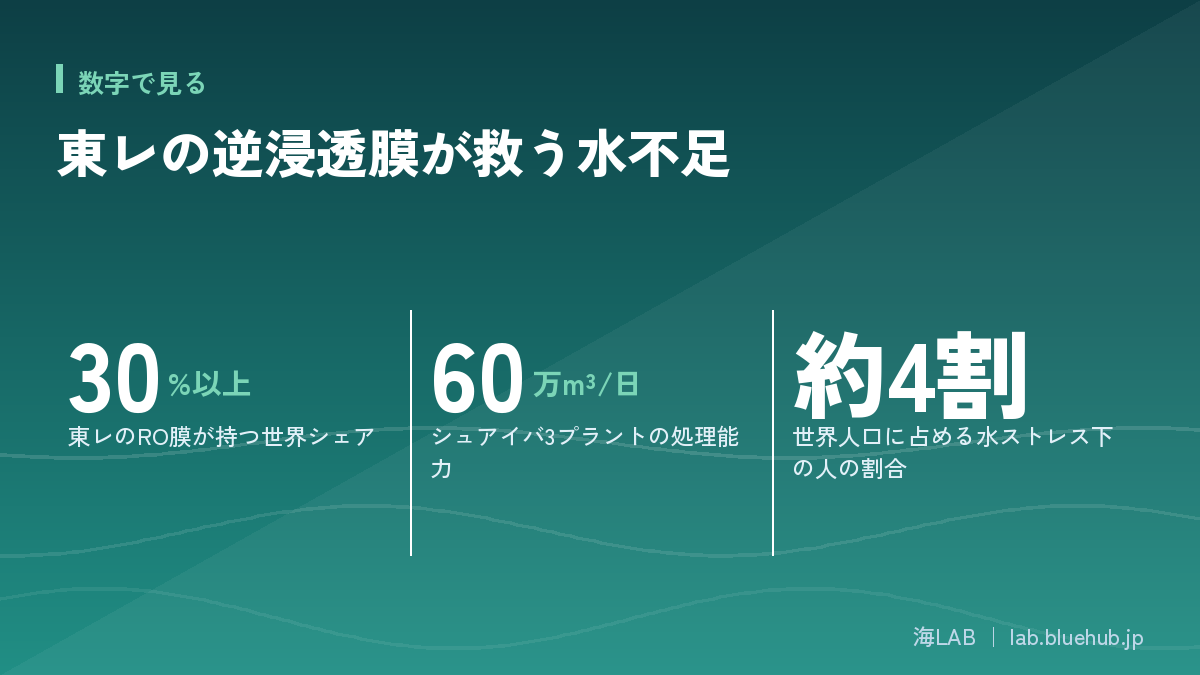
It's easy to assume water is limitless, but over 97% of the water on Earth is seawater — undrinkable and unusable for farming as is. Freshwater makes up less than 3% of the total, and much of it is locked away in ice or deep underground. The UN World Water Development Report 2026 warns that roughly 40% of the world's population already faces water stress, a figure projected to reach 47% by 2030.
To address this, seawater desalination technology is spreading rapidly across the Middle East and island nations. The once-dominant evaporation method — heating seawater and condensing the vapor into fresh water — required huge amounts of fuel. In recent years, the shift to reverse osmosis (RO) membrane filtration has sharply cut both energy use and CO2 emissions.
This article explores RO membrane technology from Japanese materials maker Toray, how seawater desalination works, a real-world example from Saudi Arabia, and the current state of global water scarcity.
What you'll learn in this article
- How reverse osmosis (RO) membranes remove salt from seawater
- How Toray's RO membranes are used in Saudi Arabian desalination plants
- How switching from evaporation to RO membrane methods cuts CO2 emissions
- The current state and outlook of global water scarcity
- The environmental and energy challenges of seawater desalination
The Growing Global Challenge of Water Scarcity
About 71% of Earth's surface is covered in water, but 97.5% of that is seawater, leaving only about 2.5% as freshwater. Much of that freshwater is locked in Antarctic ice, glaciers, or deep underground, leaving only a small portion of rivers and lakes actually usable by people.
According to the UN World Water Development Report 2026, about 40% of the world's population already faces water stress, and if current trends continue, that figure is projected to reach 47% by 2030. The Middle East and North Africa in particular receive little rainfall, and population growth combined with economic development has pushed many countries into chronic water shortages.
What is water stress?
- Water stress refers to a situation where demand for available water resources is high, or where water is unevenly distributed by season or region. The UN defines this condition as affecting agriculture, daily life, and industry alike.
The Middle East's Growing Reliance on Desalination
Gulf states such as Saudi Arabia and the UAE have almost no rivers or lakes to draw on, so they rely heavily on seawater desalination for drinking water. In Saudi Arabia, much of the domestic drinking water supply comes from desalination plants, and securing a stable water supply is treated as a matter of national importance.
In these countries, population growth and economic development are advancing together, so water demand is expected to keep rising. As urbanization progresses, demand grows not only for household water but also for industrial and agricultural use. In arid regions, excessive groundwater extraction can cause land subsidence and saltwater intrusion, meaning there are limits to how much a country can rely on groundwater alone. As a result, expectations continue to grow each year for desalination technology that draws fresh water from the "inexhaustible" resource of the sea.
Rising Demand for Agricultural Water
Agricultural water accounts for a particularly large share of overall water demand — roughly 70% of global water withdrawals are used for agriculture. As population growth drives up demand for food, it directly drives up demand for water as well. In arid regions, agriculture itself depends on groundwater or desalinated water, making food security and water security two sides of the same coin.
Water Scarcity Isn't Just a Middle East Problem
Water stress isn't confined to the Middle East and North Africa. There are reports of temporary water shortages even in parts of South Asia and Sub-Saharan Africa, and in regions that once enjoyed abundant water resources but are now affected by shifting rainfall patterns due to climate change. Even within Japan, areas like the Seto Inland Sea region, which receive little rainfall and where terrain makes dam construction difficult, have a history of chronic water shortages. There is growing recognition that water issues are not "someone else's problem" but a challenge to be shared globally.
| Region | Main cause of water scarcity | Example countermeasures |
|---|---|---|
| Middle East / North Africa | Extremely low rainfall and scarce freshwater resources | Large-scale investment in seawater desalination |
| South Asia | High population density and excessive groundwater extraction | Stronger groundwater management, wastewater reuse |
| Sub-Saharan Africa | Delayed development of water infrastructure | Small-scale, distributed water treatment and desalination equipment |
| Japan (e.g. Seto Inland Sea) | Terrain that makes dam construction difficult in some areas | Use of reservoirs and groundwater, water-saving technology |
How Climate Change Affects Water Resources
Climate change is making the water scarcity problem even more complex by altering rainfall patterns themselves. Regions that once had reliable rainfall are now experiencing frequent droughts, while others face growing flood risk from sudden heavy rain — a sign that not just the "amount" but the "distribution" of rainfall is becoming more extreme. This growing unpredictability is further reinforcing the importance of desalination as a water source that is less dependent on weather.
The Water-Food-Energy Nexus
Water resource issues are closely tied to food and energy production as well. Agriculture requires vast amounts of irrigation water, and energy production — including cooling water for thermal power plants — is equally water-dependent. Water, food, and energy are said to form a mutually dependent "nexus," meaning water scarcity carries the risk of a domino effect on food production and energy supply.
What Is Reverse Osmosis (RO) Membrane Technology?
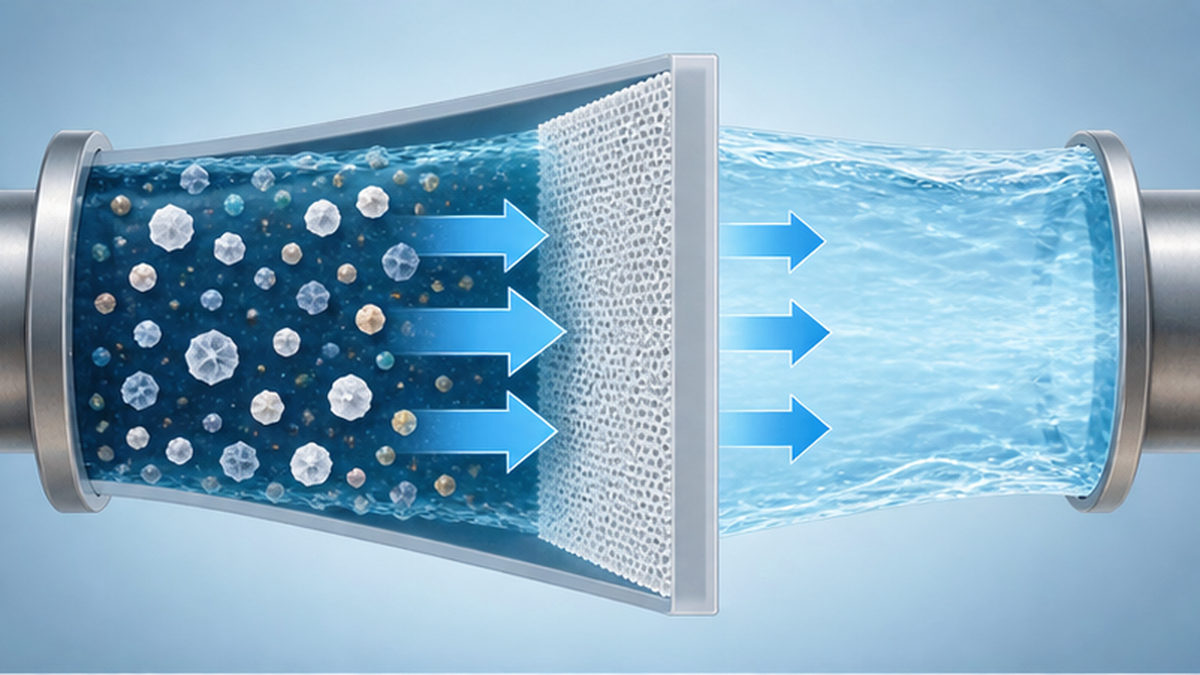
Reverse osmosis (RO) membrane technology applies high pressure to seawater, forcing it through an extremely fine membrane that blocks salt, minerals, and bacteria while letting pure water pass through. Normally, water on the low-concentration side of a semi-permeable membrane moves naturally toward the high-concentration side (osmosis). By applying strong pressure to the high-concentration side, this flow is reversed, separating out pure water.
How It Differs from the Evaporation Method
| Method | Mechanism | Energy consumption | Main regions of use |
|---|---|---|---|
| Evaporation (e.g. multi-stage flash) | Heats and evaporates seawater, then condenses the vapor into fresh water | High — requires large amounts of fuel | Some older plants in the Middle East |
| Reverse osmosis (RO) membrane | Separates salt by forcing water through a membrane under high pressure | Significantly lower than evaporation | New plants in the Middle East, Japan, Europe, the US, etc. |
Because RO membrane technology requires less energy and more compact equipment than the evaporation method, it has become the standard choice for newly built seawater desalination plants.
The Technology Behind Membrane Performance
An RO membrane's performance is determined by the balance between how well it blocks salt (salt rejection rate) and how efficiently it lets water through (water permeability). The higher the permeability, the less pressure — and therefore energy — is needed to produce the same volume of fresh water, which is why materials makers compete to raise permeability while maintaining salt rejection.
Understanding Osmotic Pressure
To understand reverse osmosis, it helps to first understand the natural phenomenon of "osmosis." When two solutions of different concentration are separated by a semi-permeable membrane, water naturally moves from the lower-concentration side to the higher-concentration side, seeking to equalize the two. The pressure generated in this process is called "osmotic pressure." When seawater and fresh water are separated by a membrane, water tends to move from the fresh water side toward the seawater side. By artificially applying pressure to the seawater side that exceeds this osmotic pressure, the direction of water flow is reversed, squeezing fresh water out of the seawater — hence the name "reverse" osmosis.
The Basic Structure of an RO Plant
An actual seawater desalination plant isn't made up of RO membranes alone. Seawater intake first goes through pretreatment — coagulation, sand filtration, microfiltration membranes, and so on — to remove sand, debris, and microorganisms before reaching the RO membranes. High-pressure pumps are used to push the water through the RO membranes, and part of the energy used for this pressurization is recovered from the discharged concentrated brine using an "energy recovery device," further reducing the plant's overall power consumption. Water that has passed through the RO membranes then undergoes post-treatment, such as mineral balance adjustment, before being distributed as drinking water.
- Pretreatment: removes sand, suspended matter, and microorganisms from seawater
- RO membrane: separates salt and ions under high pressure to produce fresh water
- Energy recovery: reuses pressure from concentrated brine to reduce power consumption
- Post-treatment: adjusts minerals and disinfects the water to make it suitable for distribution
What is a semi-permeable membrane?
- A membrane that allows small molecules such as water to pass through while blocking larger molecules and particles such as salt and ions. Biological cell membranes are a type of semi-permeable membrane, and reverse osmosis membranes are essentially an industrial application of this natural mechanism.
RO Membranes Aren't Just for Desalination
RO membranes aren't limited to seawater desalination — they're used across a wide range of fields, including industrial wastewater treatment, ultrapure water production (extremely low-impurity water used in semiconductor manufacturing), and household water filters. Because they can remove not just salt and ions but also trace impurities like pesticides and heavy metals, they're also used to improve drinking water safety and produce the high-purity water required in industrial processes. The fact that a single membrane technology serves so many different fields speaks to its versatility.
Multi-Stage Filtration for Higher Purity
For drinking water, a single pass through an RO membrane usually provides sufficient salt removal, but applications requiring stricter water quality standards sometimes use multiple RO membrane stages arranged in series to progressively increase purity. As with Toray's newer membranes, raising the salt rejection rate of a single stage can simplify this multi-stage process, reducing both capital investment and operating costs.
Toray's RO Membrane Business and the Saudi Arabia Example
Toray is a materials maker that has been researching and developing RO membranes since 1968, and today holds more than 30% of the global RO membrane market. Japanese-made RO membranes hold a large share of the global market overall, with the top four companies — DuPont, Toray, Nitto Denko, and Toyobo MC — together accounting for more than 90% of the global market in what is effectively an oligopoly.
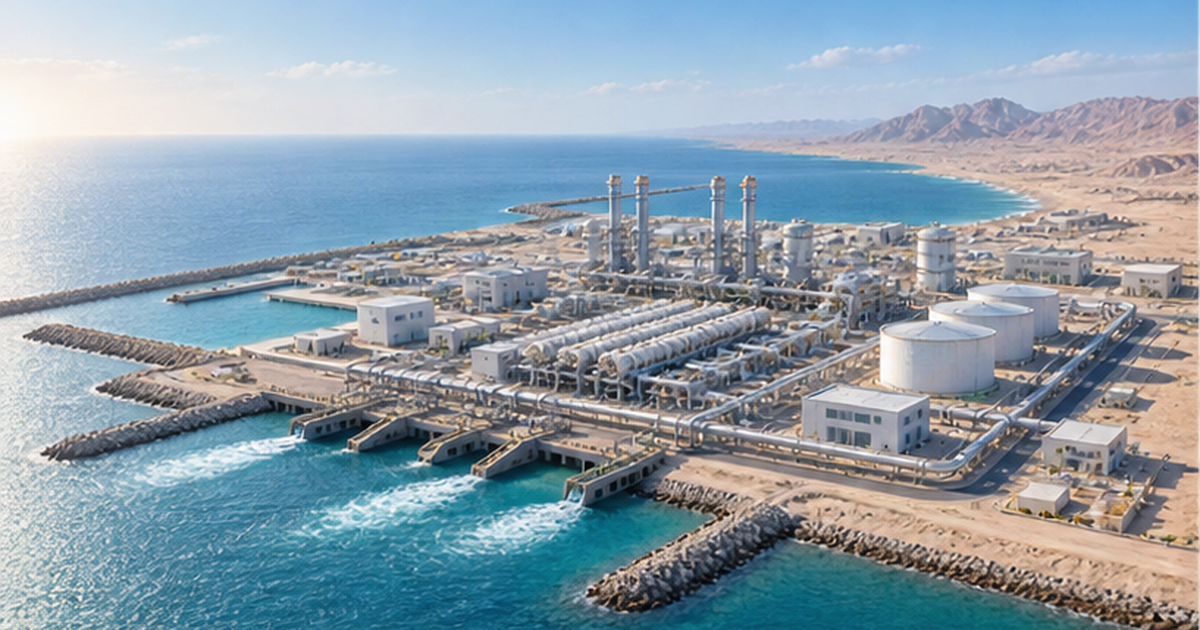
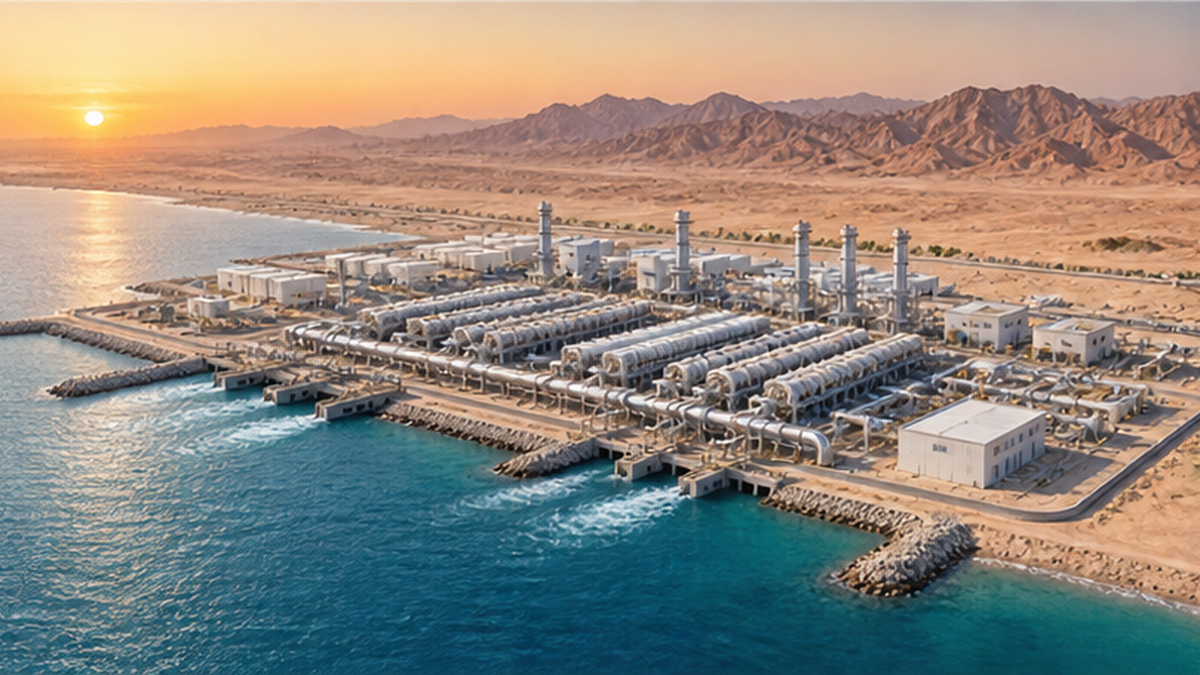
Toray's RO membranes are widely used in large seawater desalination plants across the Middle East. A representative example is the Shuaiba 3 desalination plant in western Saudi Arabia. The plant has a treatment capacity of 600,000 cubic meters per day and serves as critical water infrastructure supplying drinking water to Mecca, Jeddah, Taif, and Al Baha. Converting the facility from the conventional evaporation method to a state-of-the-art plant using Toray's RO membranes is said to have significantly reduced its environmental impact.
Since beginning RO membrane research in 1968, Toray has handled everything in-house, from designing the polymer materials to membrane fabrication and module assembly. Applying decades of polymer chemistry expertise from its fiber business to the entirely different field of water treatment has become a core strength of its water treatment membrane business.
Integrated Production in Saudi Arabia
In November 2025, Toray's subsidiary Toray Membrane Middle East, based in Dammam, Saudi Arabia, expanded its facilities and began operating a plant capable of integrated production of seawater desalination RO membranes — from membrane fabrication through to assembly. This is said to make it the first company in Saudi Arabia to achieve this kind of integrated production. Strengthening local production capacity is aimed at meeting the region's rapidly growing demand for desalination.
Why Japanese companies support Middle Eastern water infrastructure
- Their technical strength in combining high salt rejection with durability is highly valued
- Building local production capacity helps address growing demand and logistics costs
- Since water infrastructure is tied to national security, long-term trust relationships matter
Expansion into the US and Other Regions
Toray is expanding water treatment membrane production not only in the Middle East but also in the United States. As securing water resources becomes a global business priority, demand for RO membranes is growing even in drought-prone regions of the western US, for both seawater desalination and water reuse (recycling treated wastewater). For a materials maker, the water treatment membrane business is positioned as a sustainable growth area that doesn't depend on fossil-fuel-derived materials.
Global RO Membrane Makers, Including Competitors
The RO membrane market has an oligopolistic structure dominated by a handful of makers, including DuPont (formerly Dow FilmTec), Toray, Nitto Denko, and Toyobo MC. Japanese-made RO membranes have long held a large share of the global market, but in recent years Chinese manufacturers have rapidly gained ground through price competitiveness, prompting Japanese companies to respond with local production and a shift toward higher-value-added products. Toray's strengthened integrated production in Saudi Arabia can be seen as part of this broader strategic response to a changing competitive landscape.
The Structure of Membrane Modules
RO membranes used in practice typically take the form of "spiral-wound modules," in which flat sheet membranes are rolled up in a spiral. This structure allows a large membrane surface area to be packed into a limited installation space, enabling efficient processing of large volumes of seawater. Each module is housed in a cylindrical vessel, and a plant may line up thousands to tens of thousands of these modules. Toray has also accumulated decades of expertise in the design and manufacturing of these modules.
Research and Development
Toray positions its water treatment membrane business as a growth area and maintains research and development sites both in Japan and overseas. Beyond improving the membrane material itself, the company is also working on operational efficiency by combining digital technology with plant operating data — for example, predicting fouling (membrane clogging) and optimizing cleaning schedules. Advancing both the "hardware" innovation of the membrane itself and the "software" efficiency gains from operational data is seen as key to the future competitiveness of the water treatment membrane business.
Expansion into Other Gulf States
Beyond Saudi Arabia, many Gulf states — including the UAE, Qatar, and Kuwait — are planning to build new or expand existing large-scale seawater desalination plants. Against a backdrop of population growth and rising tourism demand, water demand across the Gulf region is expected to keep growing, meaning the region is likely to remain an important market for membrane makers like Toray for the foreseeable future.
Environmental Benefits of RO Membrane Technology
Switching to RO membrane technology doesn't just produce water — it also helps cut CO2 emissions. While the evaporation method consumes large amounts of fossil fuel to heat seawater, RO membrane technology only requires electricity to generate pressure, significantly reducing energy consumption. In the case of the Shuaiba 3 plant, converting from the conventional evaporation method is said to reduce CO2 emissions by roughly 45 million tons per year and crude oil consumption by roughly 22 million barrels per year.
The roughly 45-million-ton annual CO2 reduction achieved at the Shuaiba 3 plant is an enormous figure. The reason a single plant's technology conversion can produce such a large reduction lies in the fact that the evaporation method inherently requires large amounts of fuel. Because RO membrane technology only needs electricity rather than direct fuel combustion, emissions from desalination can decline even further as power grids become cleaner.
Higher Water Permeability Means More Energy Savings
Toray has recently released a new RO membrane that reduces salt permeation by up to 55%, achieving a salt rejection rate above 99.9% while completing in a single stage a filtration process that previously required multiple stages. The higher a membrane's permeability, the less pressure — and therefore energy — is needed to produce the same volume of fresh water, meaning membrane innovation itself translates directly into more energy-efficient desalination.
Environmental benefits of RO membrane technology
- Consumes less energy than the evaporation method
- Can significantly reduce CO2 emissions and fossil fuel use
- Further energy savings are possible as membrane permeability continues to improve
Global-Scale CO2 Reduction Impact
Beyond individual plants, the shift from evaporation to RO membrane technology is contributing significantly to CO2 reduction worldwide. Even limited to seawater desalination plants newly built globally in 2020, the adoption of RO membrane technology is reported to have reduced emissions by the equivalent of more than 17 million tons of CO2 per year. Since most newly built desalination plants going forward are expected to use RO membrane technology, this reduction effect is expected to keep growing.
Pairing RO with Renewable Energy
Even though RO membrane technology is more energy-efficient than the evaporation method, it still requires electricity to power high-pressure pumps. As a result, some plants in the Middle East are pairing desalination with abundant solar power to further reduce the CO2 emissions associated with desalination. Advancing both membrane energy efficiency and the decarbonization of the electricity supply itself is key to making seawater desalination a truly sustainable technology.
Environmental Impact Across the Full Life Cycle
Evaluating the environmental impact of RO membrane technology requires looking beyond operational power consumption to the full life cycle of the membrane itself, including manufacturing, transport, and disposal. Since membranes are consumables replaced every few years, improving durability and reducing replacement frequency is also important from a waste-reduction standpoint. Toray's efforts to improve chemical resistance and extend membrane lifespan contribute not only to operational energy savings but also to reducing environmental impact across the full life cycle.
How Japanese Technology Supports Global Decarbonization
Because Japan is relatively rich in water resources, domestic demand for seawater desalination itself is limited. Even so, the fact that RO membrane technology developed by a Japanese materials maker is making a major contribution to reducing CO2 emissions from water infrastructure overseas is an example of "indirect decarbonization contribution" distinct from direct domestic emissions reduction. It has drawn attention as a form of technology export that contributes to global emissions reduction without showing up in the exporting country's own emissions figures.
The Ripple Effect of Falling Desalination Costs
As RO membrane technology has spread and become more energy-efficient, the cost of seawater desalination has trended downward over the long term. As costs fall, countries and regions that previously lacked the financial means to adopt desalination gain a path to doing so, allowing more people to receive a stable water supply. This dynamic — where innovation at the materials level ultimately improves water access across the developing world — represents one important pathway toward achieving SDG Goal 6.
Challenges Facing Seawater Desalination
While the spread of RO membrane technology has made seawater desalination more efficient, several challenges remain. One is treating the concentrated brine wastewater generated during the desalination process. If discharged into the sea without proper treatment, it raises concerns about impacts on the surrounding marine ecosystem. Another challenge is that, while RO membrane technology requires less electricity than the evaporation method, it still requires a significant amount of power — meaning that in regions where electricity depends on fossil fuels, desalination itself continues to face emissions-reduction challenges.
Ecological Impact of Water Intake
The challenges of desalination plants aren't limited to wastewater. There are also concerns about the impact of the seawater intake process itself, where plankton and juvenile fish can be drawn into intake structures. In recent years, more plants have adopted subsurface intake pipes buried under the seabed, which draw in relatively clean seawater that has already passed through natural sand filtration, gently reducing the ecological impact of intake.
Membrane Degradation and Maintenance
Continued use of RO membranes leads to degradation from microbial buildup (fouling) and chemical cleaning, requiring regular cleaning and replacement. Toray is developing membranes with improved chemical resistance and longer service life, aiming to reduce maintenance costs and improve overall plant uptime.
Points worth keeping in mind
- Desalination is a technology for "producing" water, and it needs to be pursued alongside efforts to rethink water usage and conservation
- Methods of treating concentrated brine vary by region and facility, making environmental impact assessments essential
High Construction and Operating Costs
Seawater desalination plants require substantial upfront investment, since they need pretreatment facilities, RO membranes, high-pressure pumps, and energy recovery devices, among other equipment. Once operational, they continue to incur ongoing costs such as regular membrane replacement, chemical cleaning, and electricity. In regions with abundant freshwater resources, desalination tends to be more expensive than conventional water supply from rivers or groundwater, and how heavily to rely on desalination is a decision that varies by each country's or region's energy situation and financial circumstances.
Building Consensus with Local Communities
Building a large-scale desalination plant also requires reaching consensus with local communities, including fishing operators near the intake and discharge points. This calls for simulating how concentrated brine will disperse in advance, designing systems that minimize impact on fishing grounds, and diluting discharge before release. Beyond technical efficiency, this kind of social coordination process is an essential element in advancing a sustainable desalination business.
Regional Differences in Energy Sources
Even though RO membrane technology is more energy-efficient than the evaporation method, it cannot fully eliminate CO2 emissions if its power source relies on fossil fuels. In many oil-producing countries in the Middle East, electricity for desalination is generated from domestic natural gas or oil, meaning that improving the energy efficiency of desalination technology and decarbonizing the power supply must be tackled together as inseparable challenges.
Preserving Talent and Technical Knowledge
Once built, a desalination plant is long-term infrastructure that continues operating for decades. This makes training and securing the engineers who handle membrane replacement and equipment maintenance a long-term challenge as well. Especially where local production and local hiring are pursued, how membrane manufacturing and operational know-how is passed on to local talent in the host country becomes a key factor determining the business's long-term sustainability.
Risks During Disasters and Power Outages
Because RO membrane technology depends on electricity, a major power outage or disaster that halts a plant's operations risks cutting off the drinking water supply. In countries and regions heavily dependent on desalination, securing emergency power sources and distributing risk across multiple plants have become important considerations for disaster preparedness.
The Future of Global Water Scarcity Solutions
According to UN projections, the population facing water stress is expected to keep growing, and seawater desalination is spreading not only across the Middle East but also in parts of Africa and Asia. Toray and other Japanese companies, through RO membrane materials technology, have become a quiet force supporting water infrastructure as a piece of social foundation.
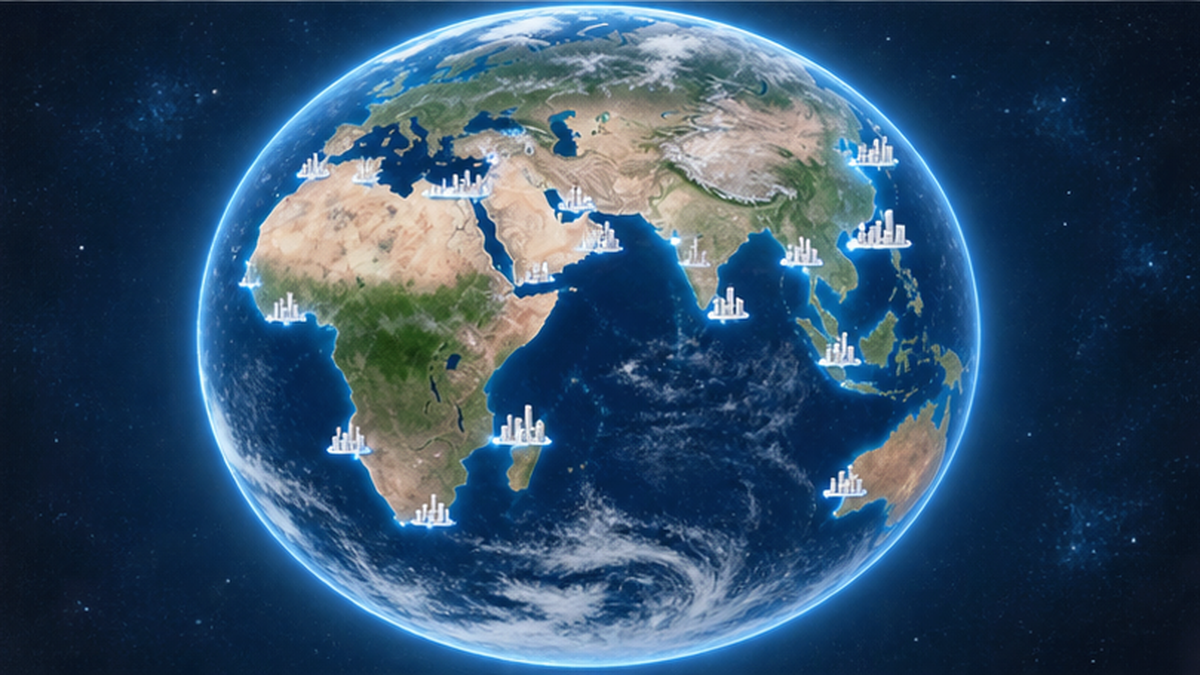
In emerging economies across Africa and Asia as well, urbanization and the effects of climate change are causing droughts to become more frequent in regions that once had ample water resources. International organizations and national governments are also investing in the development of small-scale, distributed desalination equipment for regions where large infrastructure investment is difficult, expanding the application of materials makers' technology beyond large plants to smaller-scale equipment as well.
Technology Transfer Within Japan
Japan is relatively rich in water resources, but there are cases where small RO membrane desalination units are used as emergency water sources on remote islands or during disasters. There is potential for technology originally developed for large overseas plants to be increasingly applied to disaster preparedness and remote-island infrastructure at home as well. Water resource challenges are also closely tied to lake ecosystems and water quality restoration, not just the sea.
Wastewater Reuse as an Alternative
Alongside seawater desalination, another approach drawing attention as a solution to water scarcity is "water reuse" — treating wastewater to a high standard so it can be reused. RO membranes are used not only in seawater desalination but also in producing this reused water, and in countries and regions with limited water resources, a combined strategy of water reuse and seawater desalination has been adopted. The fact that a single technology (RO membranes) can support multiple approaches to securing water resources illustrates the versatility of this materials technology.
The Social Role of Materials Makers
Toray's RO membrane business is more than just corporate activity — it plays a part in the social infrastructure that delivers water, a resource essential to life, to arid regions around the world. Seawater desalination is one clear example of how a materials maker's technological innovation can directly support people's daily lives. As climate change continues to shift rainfall patterns, dependence on this kind of materials technology is likely to grow even further.
What Individuals Can Do About Water Resources
Seawater desalination is a national-scale infrastructure undertaking, but water resource issues aren't unrelated to individual lives either. Everyday water conservation matters, of course, but so does being mindful of the large amounts of "virtual water" embedded in food production and reducing food waste, both of which indirectly ease the burden on the world's water resources. Both technological innovation by materials makers and individual water usage habits are essential to solving the challenge of water scarcity.
Ongoing Innovation in Membrane Materials
Improving RO membrane performance remains an active area of research. Companies are working to control membrane structure at the molecular level to boost water permeability while maintaining salt rejection, as well as developing surface treatments that resist microbial buildup. This accumulation of fundamental materials research is what will drive down desalination costs in the years and decades ahead, extending the technology's reach to regions where it has not previously been economically viable.
Conclusion
With roughly 40% of the world's population facing water stress, Toray's RO membrane technology is quietly supporting water infrastructure across the Middle East. The fact that innovation in reverse osmosis membrane materials directly links CO2 reduction from the shift away from evaporation methods to solving the global challenge of water scarcity connects naturally with SDG Goal 14, "Life Below Water" — and stands as a notable example of a materials maker's contribution.
Key takeaways
- Reverse osmosis membranes use pressure to separate salt and extract fresh water from seawater
- Toray holds a large market share in Saudi Arabia and is strengthening local production there
- RO membrane technology is more energy-efficient than the evaporation method and delivers major CO2 reductions
- Challenges remain, including concentrated brine treatment and membrane maintenance
References
- Toray | Supplying RO Membranes for the Next-Generation Shuaiba 3 Desalination Plant in Western Saudi Arabia – Shuaiba 3 plant capacity and CO2 reduction effect
- Toray | Integrated RO Membrane Production in Saudi Arabia – Toray Membrane Middle East's integrated production plant
- Nikkei | Toray Establishes Integrated Water Treatment Membrane Production in Saudi Arabia – Reporting on Saudi Arabia's first integrated production setup
- Nikkei | Toray Cuts Water Treatment Membrane Salt Permeation by 55% – New RO membrane's reduced salt permeation and energy efficiency
- UNESCO | The United Nations World Water Development Report 2026 – Global water stress population and future projections
- Challenge Zero | CO2 Emission Reduction Contribution from RO Membrane Seawater Desalination – Global CO2 reduction effect of RO membrane technology
- Toray Water Treatment | What Is Seawater Desalination? – An explanation of the basic mechanism of desalination
- Nikkei Business | Japan's Majority Share in Desalination Membranes Under Pressure from China – Analysis of Japanese companies' global RO membrane market share
※ Sorted by reliability: government / academic institutions > peer-reviewed papers > specialized organizations > reputable media