⚡ The answer in 30 seconds
- Bureo NetPlus is a recycled material made from 100% used fishing nets, as nylon 6 and HDPE, and is used in apparel, sunglasses, skateboards and more.
- Bureo’s collection program, Net Positiva, pays fishers for their nets or turns donations into funding for local environmental groups, creating an incentive not to dump nets at sea.
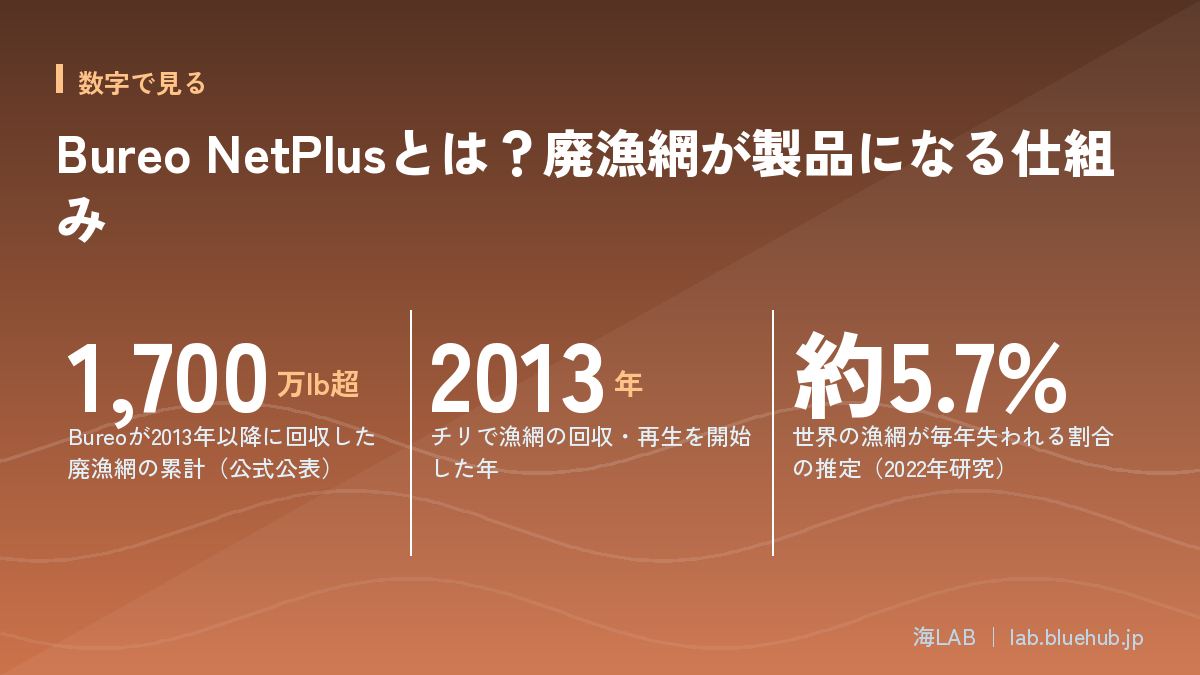
- The company’s official cumulative collection is more than 17 million pounds (about 7,700 tonnes), but published figures differ by date, so check the source and the time of each number.
- When choosing products, check the recycled share, certifications such as GRS and how collection is explained; this makes greenwashing easier to avoid.
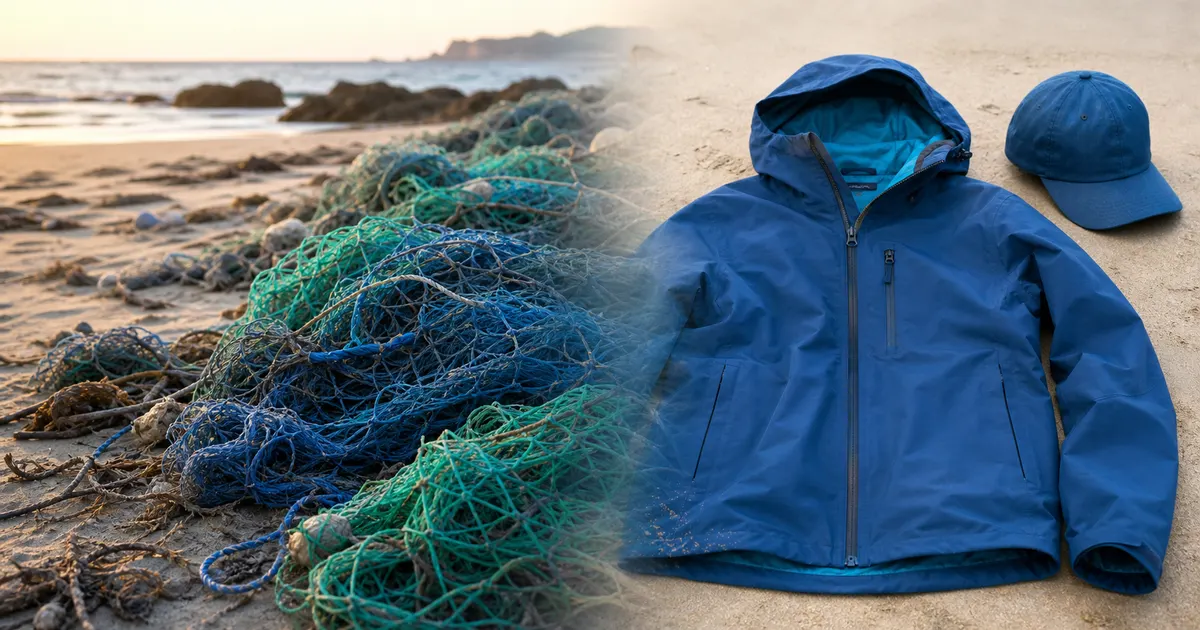
Bureo, from Chile, collects fishing nets that have finished their working life at sea and turns them into a recycled material called NetPlus®. It is used in sunglasses, skateboards, swimwear and more, and draws attention as a solution to the ocean problem of “ghost gear.”
Fishing nets are made of synthetic resins such as nylon. Left in the sea, they can entangle animals or break down into microplastics. Bureo’s idea is to put a price on collected nets and increase the number of companies that use them as material, helping to solve the problem.
Based on published information such as official pages and research papers, this article sorts out how NetPlus works, its track record, product examples and how to evaluate it. Because numbers vary by date and source, we cite where each comes from.
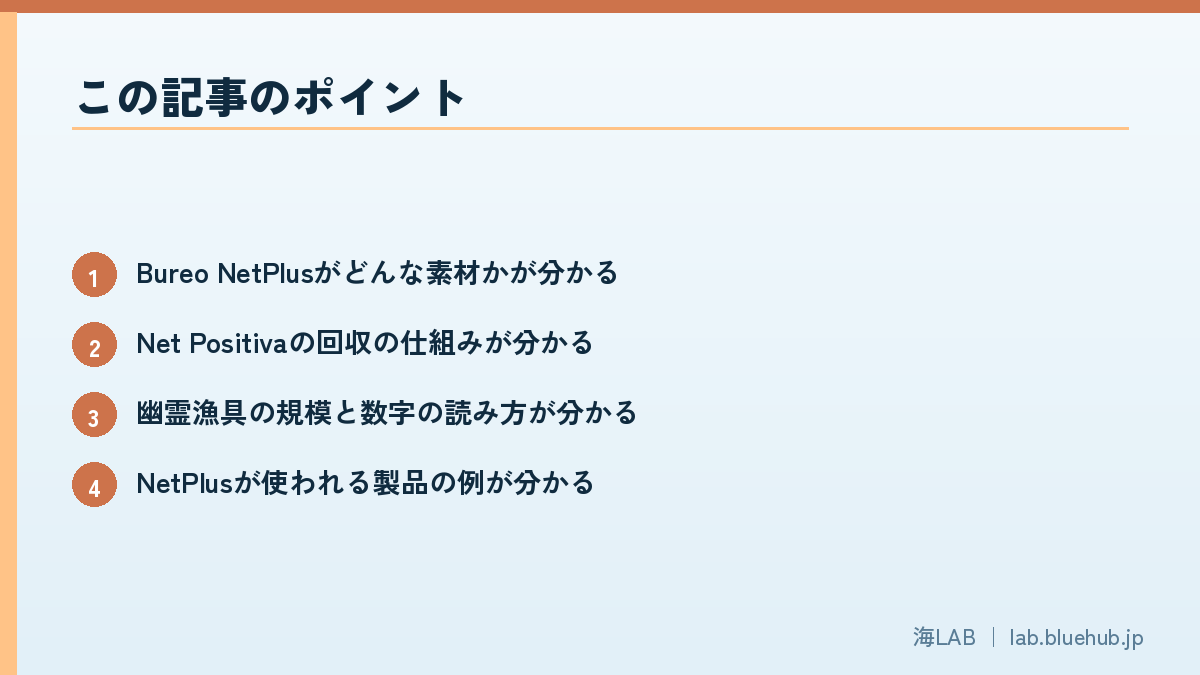
What you will learn in this article
- Understand what Bureo NetPlus material is
- Understand how the Net Positiva collection system works
- Understand the scale of ghost gear and how to read the numbers
- See examples of products that use NetPlus
- Learn how to tell certifications from greenwashing
What Is Bureo NetPlus? A Challenge to Turn Discarded Nets into Material
How the Bureo brand began
Bureo is a company that began in Chile and collects discarded fishing nets to turn them into recycled material. The name is said to mean “waves” in Mapudungun, the language of the Mapuche, an Indigenous people of southern Chile. The founders are Ben Kneppers, David Stover and Kevin Ahearn, friends who reportedly all grew up near beaches in the United States.
The company began collecting nets in 2013. According to the Conservation International Ventures (CI Ventures) page, it started recycling fishing nets in Chile with support from Tin Shed Ventures, the venture arm of Patagonia. Its first product was “Minnow,” a fish-shaped skateboard whose deck used material from fishing nets.
NetPlus® is a material made from “100% used fishing nets”
NetPlus® is the brand name of the material made from the nets Bureo collects. The official Impact page describes NetPlus as made from “100% post-consumer” fishing nets. The key point is that the raw material is not factory offcuts but nets that were actually used in fishing and reached the end of their life.
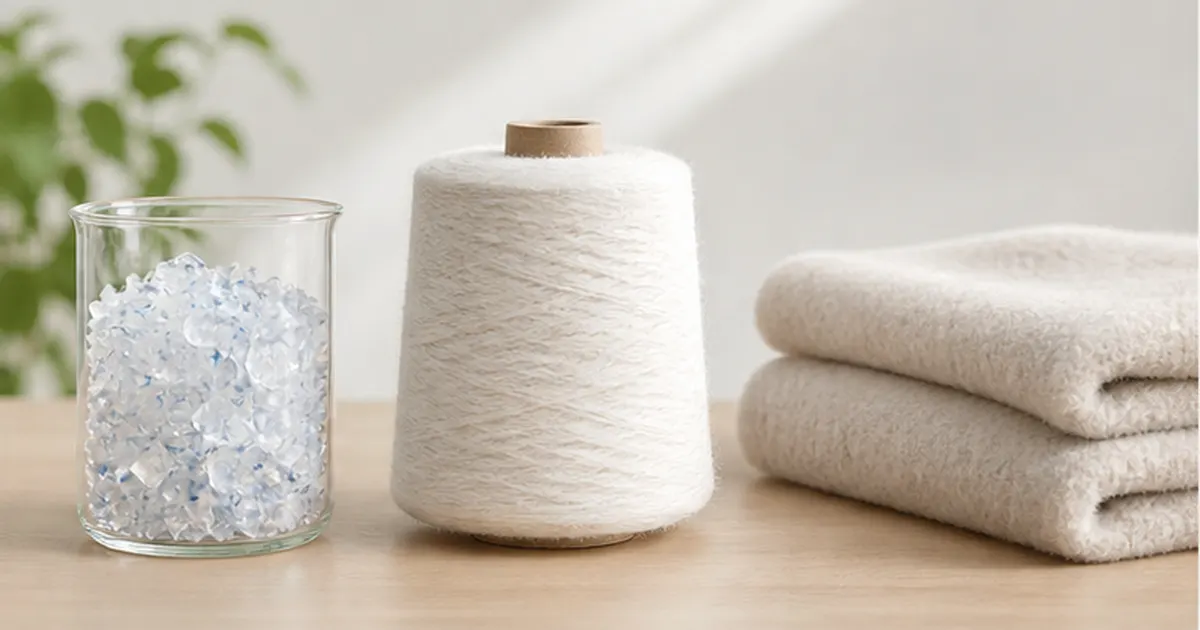
There are broadly two types of material: recycled nylon 6 fiber for apparel and textiles, and high-density polyethylene (HDPE) for injection molding, such as hat brims and hard goods. Even among “fishing nets,” the net material determines which uses suit it.
What to look for in this article
- What NetPlus is and how fishing nets are collected
- The scale of the ghost gear problem
- What products use it and what we can choose
- How to read the numbers and avoid greenwashing
Why fishing nets suit recycling
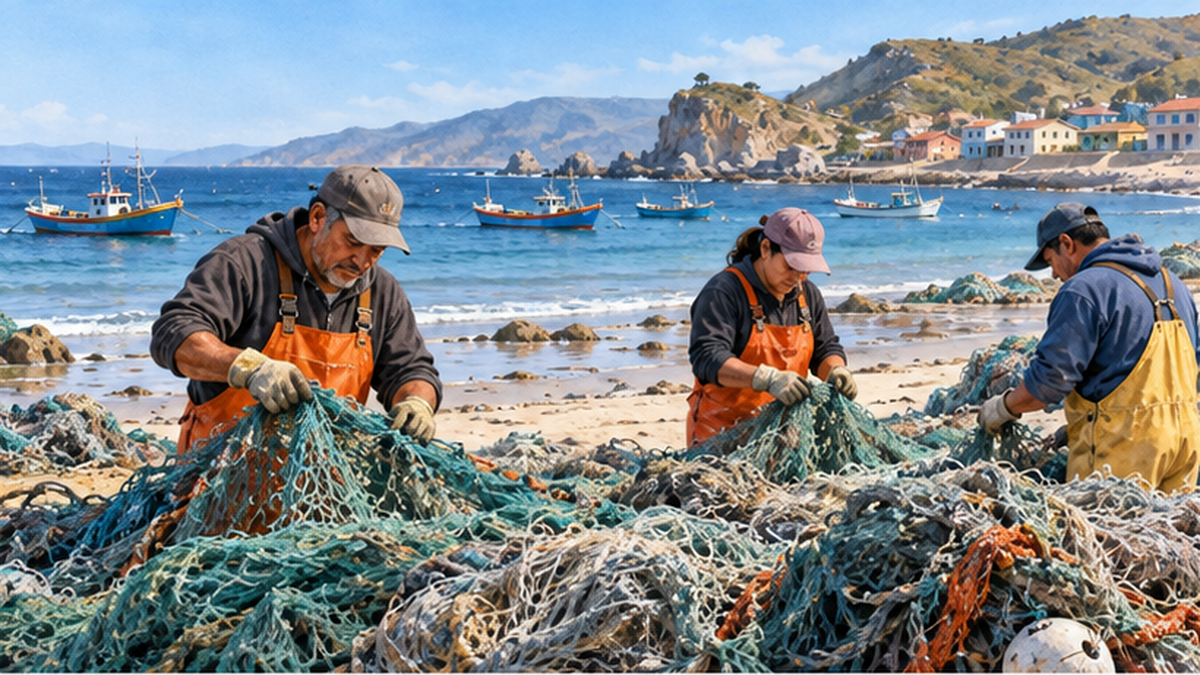
Nylon (polyamide), the main material of fishing nets, is a “thermoplastic” resin that melts when heated and can be reshaped. For this reason, it is said to suit “material recycling (mechanical recycling),” in which collected nets are cleaned, shredded, melted and remade into yarn or molded products. Materials with high strength and durability are designed to last at sea, so after recycling they suit uses that need toughness, such as apparel and eyewear.
Used nets, however, are also a material whose quality varies because of sand, salt, shells, algae and other mixed-in resins. Keeping recycled quality high requires cleaning and sorting, which take labor and equipment. This is why Bureo places collection sites locally and emphasizes creating sorting jobs.
- Because it is a thermoplastic resin, it can be melted and reshaped
- High strength makes it easy to use in apparel, eyewear and molded products
- Dirt and mixed-in materials affect quality, so cleaning and sorting are key
Bureo and Japan
Bureo’s official Impact page says its activities extend to Japan, in addition to Chile, Ecuador, Peru, Mexico and Argentina. Japan is an island nation with active fishing, and its aquaculture and coastal fisheries use many nets and ropes, so it seems a region with demand for collection and recycling. However, the official pages do not detail specific collection volumes or arrangements in Japan, so this article avoids asserting them. We will watch for future announcements.
Why Fishing Nets Are a Problem: The Ghost Gear Challenge
Gear left in the sea is called “ghost gear”
Nets, ropes, traps and fishing lines that remain in the sea after damage, bad weather or trouble during operations are called ALDFG (abandoned, lost or otherwise discarded fishing gear), or informally “ghost gear.” Even after people stop managing them, they can continue “ghost fishing,” trapping fish, sea turtles, seabirds and marine mammals.
Many modern fishing gear items are made of synthetic resins such as nylon and do not break down easily in nature. If they fragment over time, they may remain in the ocean as microplastics. This is why Bureo describes fishing nets as “one of the most harmful forms of ocean plastic pollution.”
Commonly cited numbers and cautions
Based on a 2009 report by the United Nations Environment Programme (UNEP) and the Food and Agriculture Organization (FAO), the figure “640,000 tonnes of fishing gear lost in the sea every year” has been widely cited. A later study, however, pointed out that this figure has weak grounds and is not a number the report itself states.
A study published in 2022 in the journal Science Advances estimated gear loss rates using data from fisheries worldwide. According to the study, the share lost each year was estimated at about 5.7% for nets, about 8.6% for traps and pots, and about 29% for fishing lines. All are estimates, and note that they differ greatly by region and fishing method.
| Type of gear | Estimated annual loss rate | Notes |
|---|---|---|
| Fishing nets | About 5.7% | Global estimate from the 2022 study |
| Traps and pots | About 8.6% | Same as above |
| Fishing lines | About 29% | Same as above |
Cautions when using the numbers
- “640,000 tonnes” is widely cited, but check its source before using it
- Loss rates are global estimates, with large regional differences
- All figures are a guide to the size of the problem, not confirmed values
For related background, see our existing article on ghost gear.
Impact on animals and ecosystems
Abandoned nets entangle fish, sea turtles, seabirds and marine mammals such as whales and dolphins. Entangled animals can become immobile, suffer deeper wounds or be unable to surface to breathe, and may die. It has also been pointed out as a problem of ghost fishing that animals caught in a net can attract other animals, creating a chain of harm.
In addition, nets snagged on coral reefs, rocky reefs or seaweed beds can damage the habitat itself. Accidents in which ropes or nets tangle in ship propellers also affect the safety of fishers and vessels. Ghost gear affects not only marine life but also the livelihoods of people who use the sea.
It is not someone else’s problem for Japan’s shores either
On Japan’s coasts as well, beach litter includes items from fisheries, such as nets, ropes, buoys and pipes used in oyster farming. In some areas, fishing gear stands out in the drifted litter. The share varies greatly by survey site and season, so it cannot be generalized. To learn where beach litter comes from, the most reliable way is to check regional results of drifted-litter surveys published by the Ministry of the Environment and others.
Glossary
- ALDFG: general term for abandoned, lost or discarded fishing gear
- Ghost fishing: the phenomenon of abandoned gear continuing to catch animals
- Post-consumer: material derived from waste after consumers or businesses have finished using it
How Collection Works: What Is Net Positiva?
Creating benefits for fishers
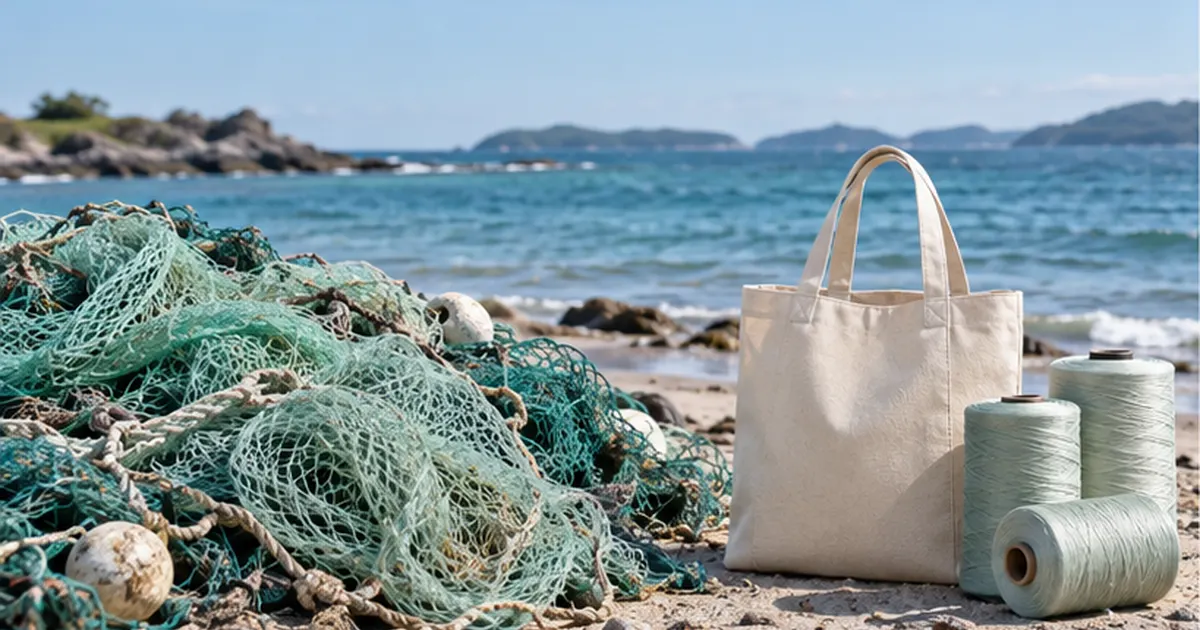
Bureo’s net collection program is called Net Positiva. According to the official Impact page, it works with local small-scale and commercial fishers, takes back used nets, cleans and sorts them, and turns them into recycled material.
Its feature is a design in which people who take part gain an economic benefit. According to the official explanation, low-income fishers are paid directly for their nets, and commercial fishing operators donate nets, with the value funding local environmental groups. Rather than merely “having waste collected,” the aim is a system where bringing nets in pays better than dumping them at sea, because “nets have a price.”
The flow of cleaning, sorting and recycling
- Set up collection points in fishing villages and ports and accept used nets from fishers
- Remove dirt such as sand, salt and shells, and sort by type of material
- Process into pellets by material, such as nylon and HDPE
- Supply the material to brands and factories to make apparel, skateboards, sunglasses and more
Nets get heavy with seawater, sand and attached shellfish, so cleaning and sorting take effort. Mixed materials lower quality, so careful sorting by local workers is said to determine the quality of the recycled material.
We also cover the collection and recycling system in our existing article on fishing net recycling.
The aspect of “local employment”
The goals Bureo has published include creating new jobs. At collection sites, tasks arise such as receiving nets, weighing, cleaning, sorting and packing. Creating work other than fishing in fishing regions matters for villages where income fluctuates greatly.
On the other hand, keeping the system going depends on a balance between purchase prices and transport costs. Fishing villages are often far from cities and ports, and moving heavy, bulky nets costs money in logistics. If revenue from recycled material does not exceed the cost of collection and processing, the system will not last. Whether a company discloses actual finances and employment results is also a viewpoint for evaluating its efforts.
Conditions for a collection system to last
- Nets carry a fair price and are easy for fishers to bring in
- Collection, transport and cleaning costs can be covered by material sales
- There are companies and consumers who will buy the material
Considering the positions of the people involved
A collection system involves people in several positions: fishers who bring nets, local staff who receive and sort them, factories that process the material, brands that use the material and consumers who buy the products. If any one is missing, the whole flow stops. For example, if bringing nets in is a hassle for fishers, nets stay in the sea, and if no one buys the material, collected nets become stock. The strength of the system is set by its weakest link.
That is why it matters to design “payments to fishers,” “donations to local groups” and “collaboration with brands” as one whole, as Bureo does. Of course, the actual level of payments and donations cannot be confirmed from published information, so we need to watch for future disclosure.
Bureo’s Collection Record in Numbers
Published figures differ by date
Bureo’s official Impact page says it has collected and sent for recycling more than 17 million pounds (about 7,700 tonnes) of discarded fishing nets since 2013. The CI Ventures page, on the other hand, says it collected “more than 7.2 million pounds from 62 fishing communities and others, and it has been used in more than 13 million products,” so even the same company’s numbers differ depending on when they were posted.
This is better seen as the cumulative total growing over the years than as a contradiction. Because update dates are often unclear for web figures, it is safest to state “which page, as of when” when quoting.
| Item | Published information | Source |
|---|---|---|
| Cumulative collection | More than 17 million pounds (about 7,700 tonnes) | Bureo official Impact page |
| Earlier cumulative total | More than 7.2 million pounds, 62 fishing communities | CI Ventures |
| Number of products | More than 13 million (at the time) | CI Ventures |
| Collection start | 2013 (Chile) | CI Ventures |
| Certifications | B Corp, GRS (Global Recycled Standard) | Bureo official |
Targets toward 2026
According to the CI Ventures page, the company received a $500,000 investment and will build collection sites in Peru, Ecuador and Mexico. Its targets are to raise annual collection from 800 tonnes to 4,000 tonnes by 2026, create 25 or more new jobs and avoid 34,500 tonnes of greenhouse gas emissions.
These are targets set by the company, and whether they are met needs to be confirmed by third-party verification. At the time of writing, we could not find an independent report confirming that the targets were achieved.
Points for reading the numbers
- Check “as of when” for cumulative figures
- Collection volume is the weight of nets, not the amount removed from the sea itself
- Keep targets and actual results separate
Putting the numbers into familiar units
One pound is about 0.4536 kilograms. Using this conversion, the official 17 million pounds is about 7.7 million kilograms, or about 7,700 tonnes. That is the size of about 770 large trucks (carrying around 10 tonnes each). Net weight changes depending on whether water and attached material are included, so treat this only as a guide.
The roughly 30 square feet of net used for one skateboard is about 2.8 square meters, or about 1.7 tatami mats in Japanese room size. Net thickness and mesh size change the weight, but putting numbers into familiar sizes makes the scale of the effort easier to picture.
Do not confuse collection weight with product counts
“More than 13 million products” is a count of items, while “pounds” is the weight of nets collected. Even with many products, some, such as hat brims, use little per item and others, such as apparel, use more, so counts alone cannot measure environmental contribution. The basic rule is to read figures on the same basis, weight or count.
The attitude for reading company disclosures
Results that companies publish are important clues to their efforts. However, figures on official websites also serve publicity, and the scope (which countries, which period) and the calculation method are not always stated. Combining official pages as primary sources with third-party materials such as those from investors and NGOs, news reports and certifier information makes the whole picture easier to see. This article also used the official page and the CI Ventures page together, and shows differences in numbers as differences.
Many companies work on ocean issues, and all can look like “doing good.” That is why the habit of checking where numbers come from, their date and their scope builds the ability to receive information correctly. UMI LAB will continue to separate facts from estimates, and company claims from third-party confirmation.
What Products Use NetPlus?
From skateboards to apparel and eyewear
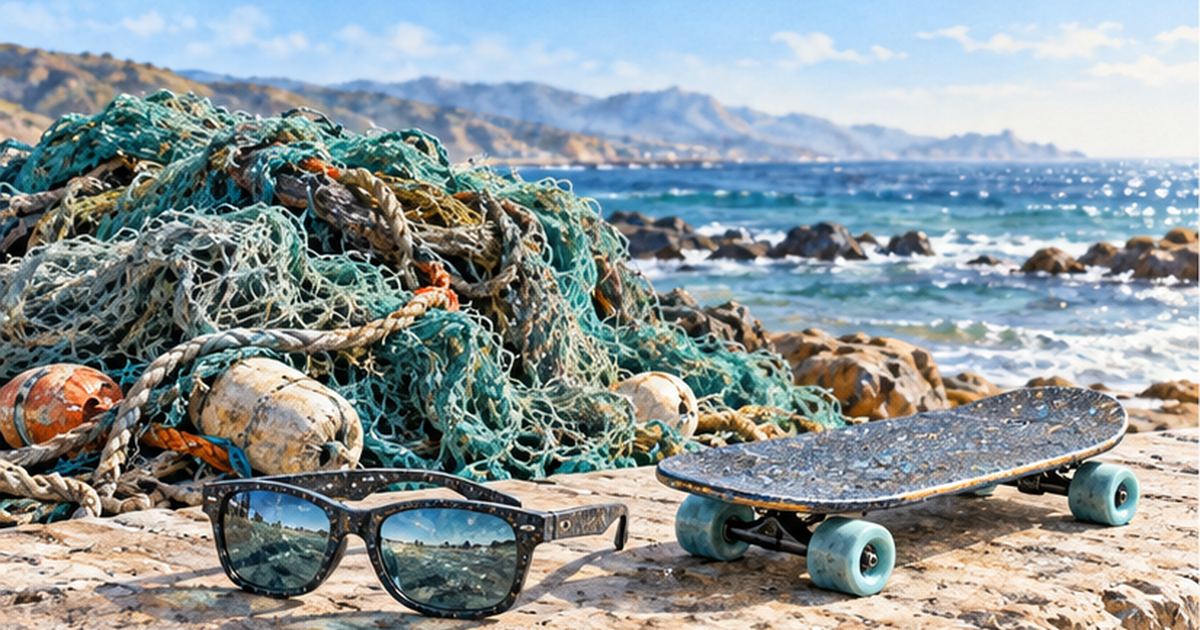
The first product was the “Minnow” skateboard, funded in 2013 on the crowdfunding site Kickstarter. About 30 square feet (about 2.8 square meters) of fishing net is reported to be used to make one board.
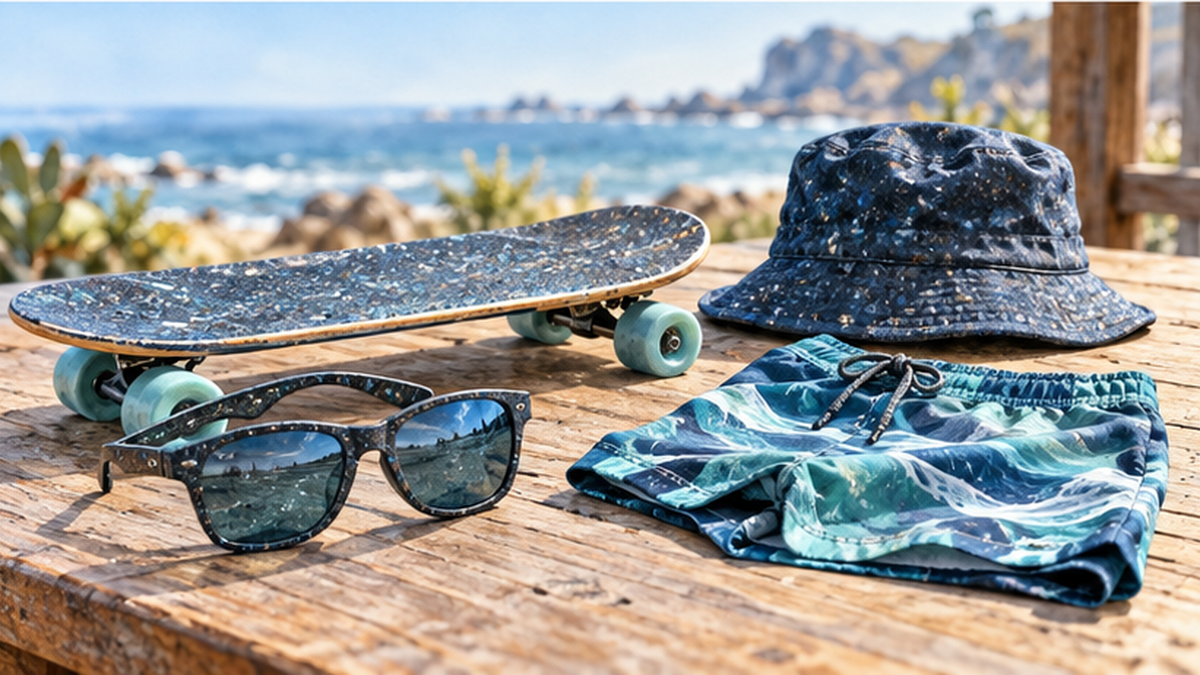
NetPlus has gradually expanded its uses since. In sunglasses, the US brand Costa Del Mar announced its “Untangled” collection with Bureo in 2018, using recycled nylon in the frames. In apparel, Outerknown is reported to have launched in 2025 the “Apex Boardshort,” made only with NetPlus nylon.
What each material suits
| Material | Main uses | Characteristics |
|---|---|---|
| Nylon 6 (recycled fiber) | Apparel, swimwear, textiles | Light and strong; one of the main fishing net materials |
| HDPE (high-density polyethylene) | Hat brims, skateboards, hard goods | Easy to shape by injection molding |
| Recycled nylon (for molding) | Sunglasses frames and similar | Uses that need rigidity, such as eyewear |
For other existing articles on products from fishing nets, reading Karün’s recycled eyewear and Patagonia’s NetPlus products together shows the differences between brands.
Comparing virgin, recycled and bio-based materials
The environmental assessment of plastic materials differs among petroleum-based virgin material, recycled material and plant-based bio material. None can be called better in every case; you need to consider use, how it is used and what happens after disposal.
| Material | Main strengths | Points to watch |
|---|---|---|
| Virgin (petroleum-based) material | Stable quality and easy mass production | Uses newly extracted resources |
| Recycled material (such as NetPlus) | Makes use of waste; may reduce new extraction | Variation in raw material quality; collection cost |
| Bio-based material | May reduce dependence on fossil resources | Growing the feedstock needs land and water; biodegradability depends on the type |
Things to watch when using: microfibers
Clothing made of synthetic fibers such as nylon and polyester is pointed out as releasing tiny fibers (microfibers) with each wash, which can flow into the environment through wastewater. The same applies to clothing made of recycled material. Efforts to reduce the release are advancing, such as using laundry bags, washing less often and fitting special filters to washing machines.
Product lifespan also affects environmental impact
Even a product made of recycled material has a hard time reducing environmental impact if it breaks quickly and keeps being replaced. A cycle forms only when durability, ease of repair and a way to be collected again after use come together. Rather than “recycled so it is fine,” using something for a long time and thinking about the route when you let it go is how to make the most of the material’s value.
How to Judge Trustworthiness: Certifications and Third-Party Eyes
B Corp and the Global Recycled Standard
Bureo says it holds B Corp certification and Global Recycled Standard (GRS) certification. GRS is an international certification in which a third party verifies recycled content and audits environmental and social standards across the supply chain. The official page indicates the certification is by SCS Global Services.
It also says it has taken part in “1% for the Planet” since 2014, promising to donate at least 1% of annual revenue to environmental groups. Such arrangements mean that, instead of taking a company’s explanation at face value, third parties can check it.
Know the limits of recycling too
Net recycling also has challenges. Nets easily mix materials and carry a lot of dirt, so recycling takes cost and effort. Buying a product made of recycled material does not directly solve the problem of gear in the sea itself. Fundamentally, both management that makes it harder for gear to escape into the sea and a route that gives collected material a use are needed.
- Recycled material is an effective destination for “nets that have already ended up in the sea”
- Upstream measures, such as new net design and collection obligations (extended producer responsibility), are also important
- Buying is one option; continued use and care also affect environmental impact
In Japan too, collecting fishing gear and building systems for it are under discussion. We explain the system side in our article on extended producer responsibility (EPR) for fishing gear.
Five questions to spot greenwashing
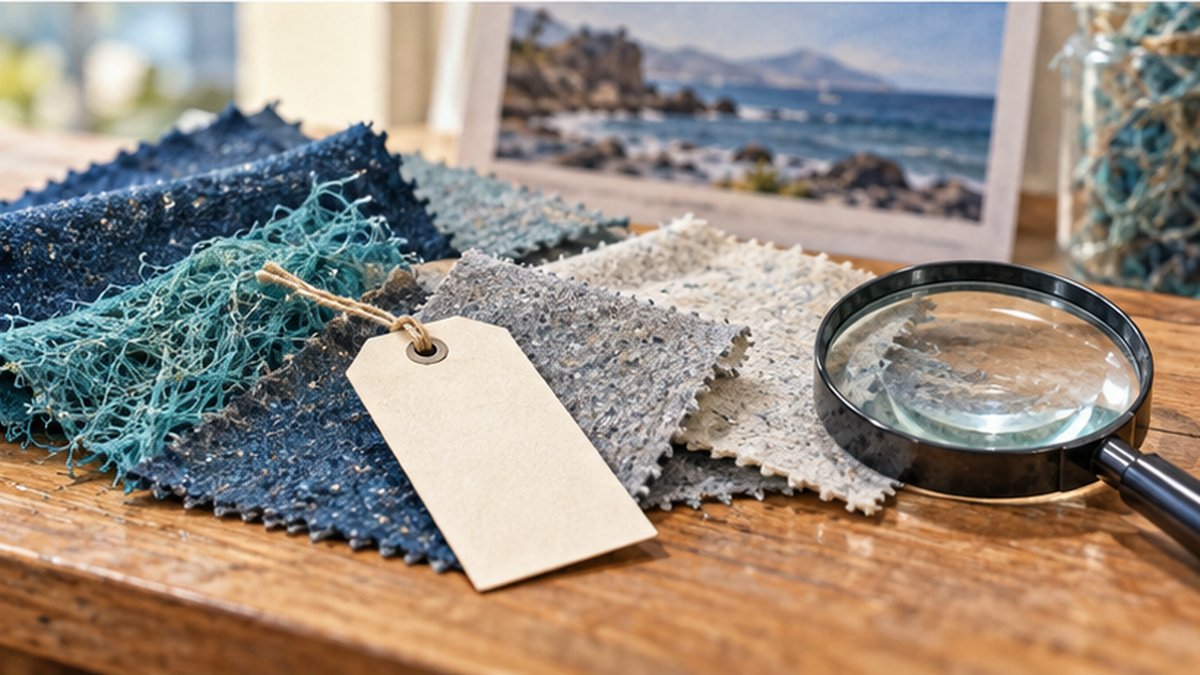
- It says “recycled material,” but what percentage is recycled?
- Is the raw material post-consumer, or factory offcuts?
- Is it backed by third-party certification or data?
- Are the place, method and people involved in collection described concretely?
- Is comparison data on environmental impact (CO2 emissions and water use) shown?
Of these questions, 2 and 3 are especially important. Recycled material made from factory offcuts is also an effective use of resources, but wording that gives the impression it was “recovered from the sea” should be checked for accuracy against what the raw material actually is. For NetPlus, the official description of “100% post-consumer fishing nets” is a feature that is easy to check.
How it differs from other net recycling
In Japan too, efforts are under way to collect used fishing nets and return them to resin feedstock. The differences are where the nets come from, the type of material, the product brand and who receives the benefit. To compare, please also see our article on products born from fishing nets.
What We Can Do: Choose, Use, Share
Three things to check before buying
When choosing products made of recycled material, checking these three points makes it easier to avoid greenwashing (making something look more environmentally friendly than it is).
- What percentage of the material is recycled (all or part)
- What certifications or third-party checks it has (such as GRS)
- Whether the collection system is explained concretely (where, by whom, how)
Even among products that claim to be “from ocean plastic,” the recycled share differs by product. A company like NetPlus that discloses its raw material and collection flow is an example that is easy to check.
What you can do on Japan’s shores
In Japan too, fishing nets, ropes and buoys wash ashore. Joining beach cleanups or supporting collection projects run by local fisheries cooperatives and municipalities are also efforts close to the field. For examples of Japanese companies that recycle fishing nets, see our article on recycling abandoned nets.
What you can do starting today
- When buying recycled products, check the share and certifications
- Join beach cleanups or local collection activities
- Tell family and friends how fishing nets become marine litter
- Use things for a long time, repair them and look for a recycling route when you let them go
Ideas for learning at school or at home
This case can be material that lets you think about several themes at once: marine litter, recycling, ways of working and consumer choice. For a class or home study, the following approaches are possible.
- Check the collection regions such as Chile, Peru and Japan on a map and look into why fishing thrives there
- Observe real fishing nets and ropes and think about the reasons for their material, strength and mesh size
- Split into “buyers,” “collectors” and “makers” and discuss the conditions for the system to last
- Check the material labels on your own belongings and see whether they contain recycled material
In particular, checking the labels of products around you is learning that easily connects to everyday choices. Sharing the results with family and friends deepens understanding.
Summary: How to Turn Fishing Nets from “Waste” into “Resource”
What we can learn from Bureo’s case
The core of Bureo’s effort is that it built, at the same time, “a system that returns value to the people who collect” and “a market where companies use recycled material.” Collection does not end there; by linking fishers’ income, local environmental activity and product sales, it tries to reduce the motive for nets to be dumped at sea.
At the same time, the numbers and targets are the company’s own published information, and readers need to check the source and date. The scale of ghost gear itself is also highly uncertain, so caution is needed not to use numbers like “640,000 tonnes” as plain fact.
What to watch next
- Whether collection sites spread across Asia, including Japan
- Whether demand for recycled material works to lower collection costs
- Whether fishing gear design and rules move toward reducing escape itself
Summary
- Bureo NetPlus is a recycled material made from 100% used fishing nets
- Collection is run through a system tied to payments to fishers and donations
- Official cumulative collection is more than 17 million pounds (numbers differ by date)
- When choosing products, check the recycled share, certifications and how collection is explained
- The fundamental measures also lie in rules and design that reduce gear escaping into the sea
Three questions for reflection
- Why might a system that pays the people who collect be effective against marine litter?
- Which should come first: buying products made of recycled material or preventing gear from escaping, or are both needed?
- When you choose a product, which information (share, certification, collection flow) do you most want to weigh?
There is no single right answer. What matters is not taking numbers and sales pitches at face value, but checking sources and dates and judging for yourself.
References and sources
- Bureo — Impact (official) – Cumulative collection, certifications and NetPlus material
- Conservation International Ventures — Bureo – Founding background, investment and 2026 targets
- Richardson et al. (2022) Global estimates of fishing gear lost to the ocean each year, Science Advances – Estimates of annual fishing gear loss
- World Animal Protection — Fishing's phantom menace – Impact of ghost gear on marine life
- ImpactAlpha — Net Gain: Bureo Collects Fishing Nets, Creates Skateboards – Net Positiva and early-stage efforts
- Forbes — Turning Trash Into Skateboards – Early coverage of the company (2013)
- Vision Monday — Costa Deepens Its Longtime Bureo Partnership – Collaboration between Costa Del Mar and Bureo
- Ghost fishing gear and their effect on ecosystem services(Marine Policy) – Effects of ghost gear on ecosystem services
* Listed in order of reliability: government and academic institutions > peer-reviewed papers > specialist organizations > reliable media